- Category
- World
Russia Church Official Wants Stalin-Era Divorce Rules Back as Demographic Fix
 Prefer U24 Media on Google
- Authors

-111f0e5095e02c02446ffed57bfb0ab1.jpeg "Photo of Roman Kohanets")
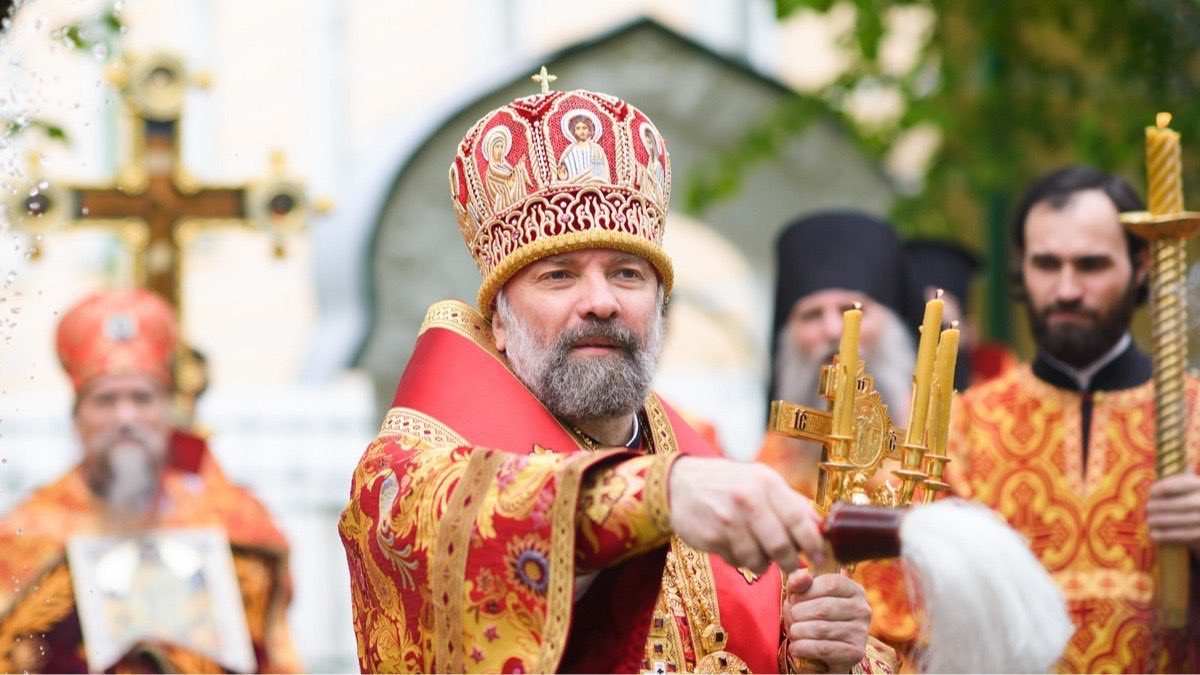
A senior Russian Orthodox Church official proposed on September 2 reviving a Stalin-era Soviet decree to make divorce significantly harder in Russia, framing the move as a demographic necessity modeled after wartime policy, according to the independent Russian outlet Agentstvo.
Fyodor Lukyanov, chairman of the Patriarchal Commission on Family Affairs, Protection of Motherhood and Childhood, made the proposal at the Eastern Economic Forum during a session titled
We bring you stories from the ground. Your support keeps our team in the field.
"The Family as the Foundation for Preserving the Spiritual and Moral Values and Sovereignty of Russia," Lukyanov argued that abortion and divorce must be made economically disadvantageous and pushed to the social margins through a coordinated effort by the state and business.
"All citizens who were in a de facto marital relationship were required to register their marriage, indicating the duration of their cohabitation. Passports introduced a 'marital status' field. Differentiated taxation was introduced—income tax rates fell as the number of children increased.
The divorce procedure became more complex: two stages, a mandatory statement of grounds, the summoning of the spouse, and the calling of witnesses. This is not today's online divorce in our country," Lukyanov stated at the forum.

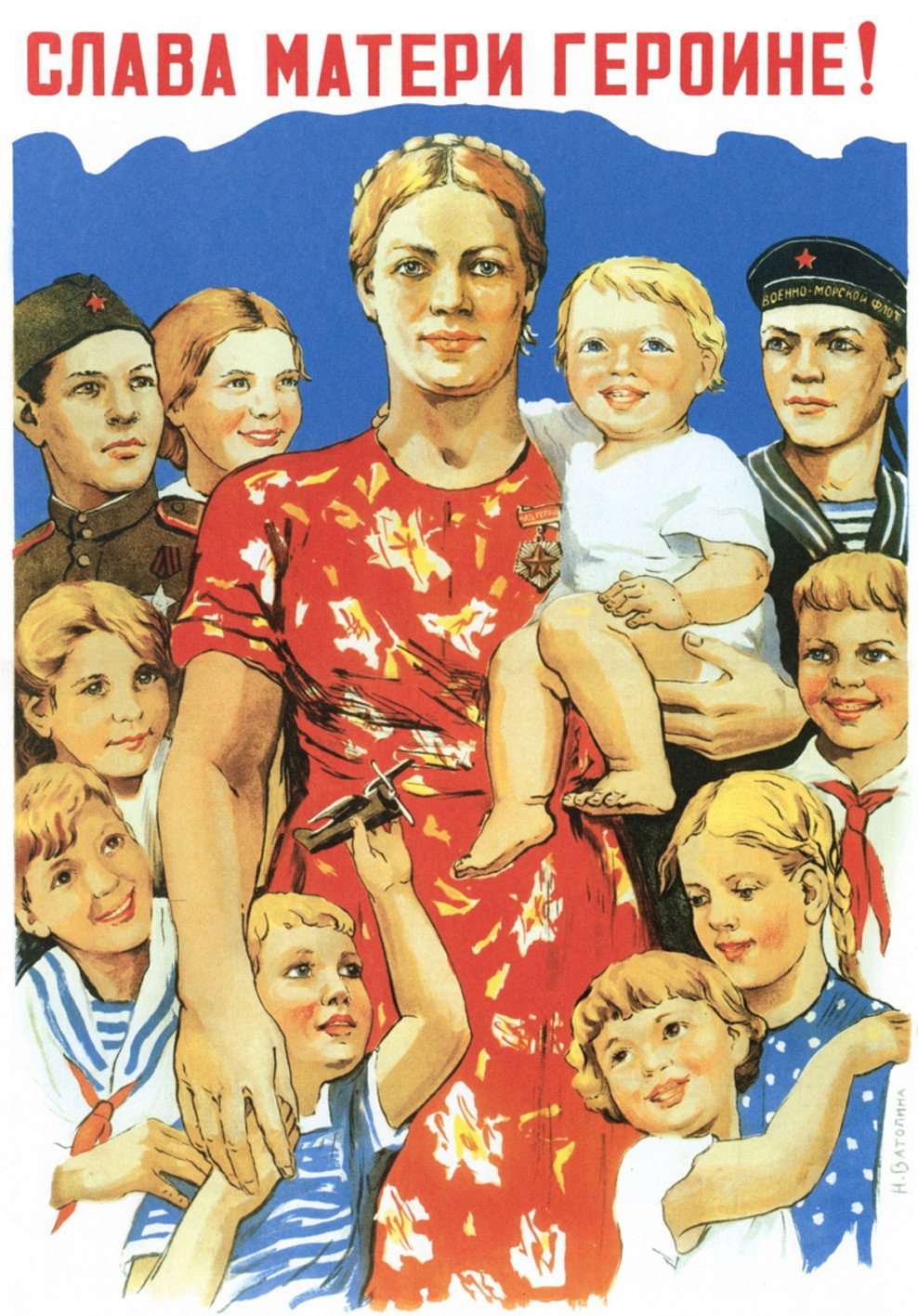
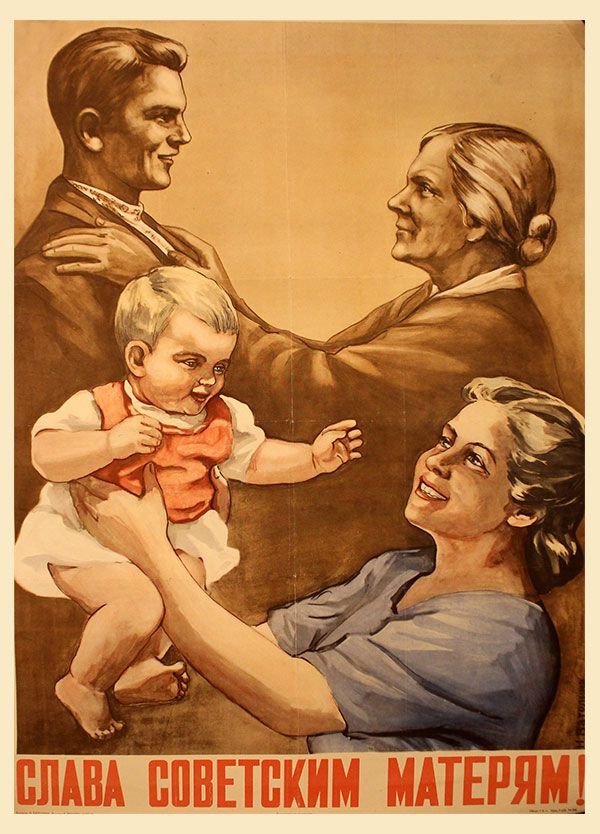
Lukyanov explicitly invoked Decree No. 118/11, issued by the Presidium of the Supreme Soviet of the USSR in July 1944, arguing that the Soviet experience offers "a great deal of good that can be drawn upon given the current situation."
He noted that the USSR lost 26 million people during the Second World War and that the Soviet leadership responded with demographic measures—measures he argued Russia must now "retrieve and use." Under the 1944 decree, divorce required a court ruling rather than a simple registry office filing, and proceedings could include interrogations by prosecutors. The decree's provisions on marriage and divorce remained in force until 1965.
Lukyanov also raised questions about the official statistics on abortion, suggesting that a reported decline in their number reflects a fall in the population of women of reproductive age and possible manipulation of data.
He pointed to Russia's rate of recorded miscarriages—44% of pregnancies with an abortive outcome in 2024—and implied that clinics have a financial incentive to reclassify abortions as miscarriages under the compulsory medical insurance system, since the reimbursement rate for the latter is higher.
"Is this what happened to our women? Or is someone changing the statistics? Yes, most likely," he told the forum. Agentstvo noted that the 44% figure is calculated not from all known pregnancies but from those ending in an abortive outcome, a measure distinct from the World Health Organization's (WHO) standard reference range of 10–15%.
The proposal comes amid a deepening demographic crisis in Russia, with senior officials increasingly pressuring young people to have more children. In July, Federation Council Speaker Valentina Matviyenko demanded that young Russians start families early and have at least three children before turning 35.
Russia recorded 1.178 million births in 2025, below the previous post-Soviet low of 1.215 million in 1999, while births fell by another 17,000 year-on-year in the first quarter of 2026.
Discuss this article:




-605be766de04ba3d21b67fb76a76786a.jpg "Joseph Place")



-72b63a4e0c8c475ad81fe3eed3f63729.jpeg "Photo of Cyril Barabaltchouk")