- Category
- World
Russia Won Its Hockey Appeal. Hockey Itself Is Against It
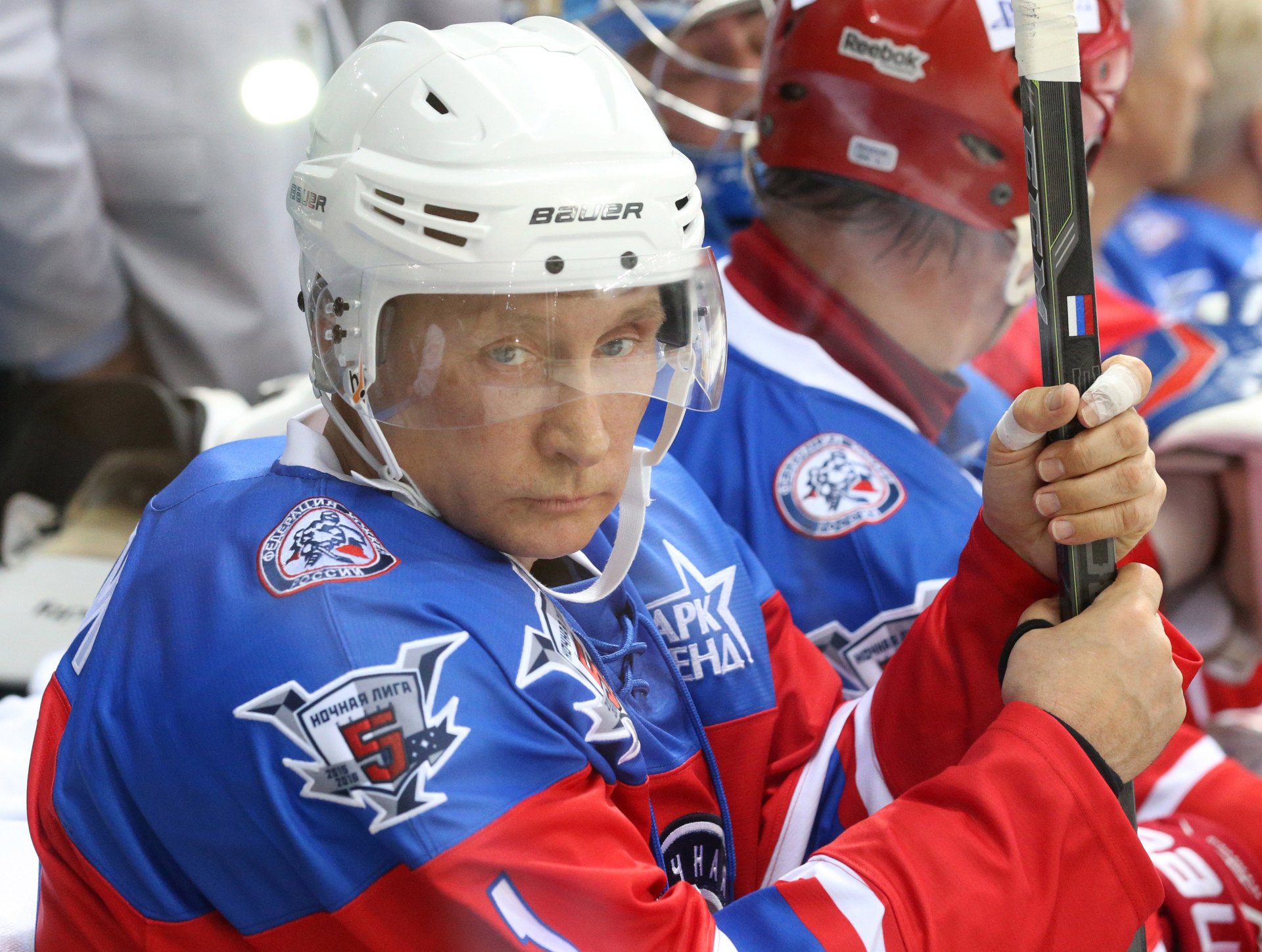
The Court of Arbitration for Sport ordered that Russia’s national teams be admitted to five world ice hockey championships. But Canada has already blocked them from the first tournament, Czechia is preparing to deny them visas, and federations and sponsors are threatening boycotts ahead of the championship in Germany. All this comes as Russia is already returning to competition under its own flag in other sports.
 Prefer U24 Media on Google
- Authors


After Russia launched its full-scale invasion of Ukraine in 2022, the International Ice Hockey Federation (IIHF) suspended the Russian and Belarusian national teams from its tournaments. In the summer of 2026, it again denied Russia entry, citing security risks and concerns about organizing the tournaments. Russia appealed the decision. After several stages of review, the case reached the Court of Arbitration for Sport (CAS) in Lausanne, which sided with Russia on October 30.
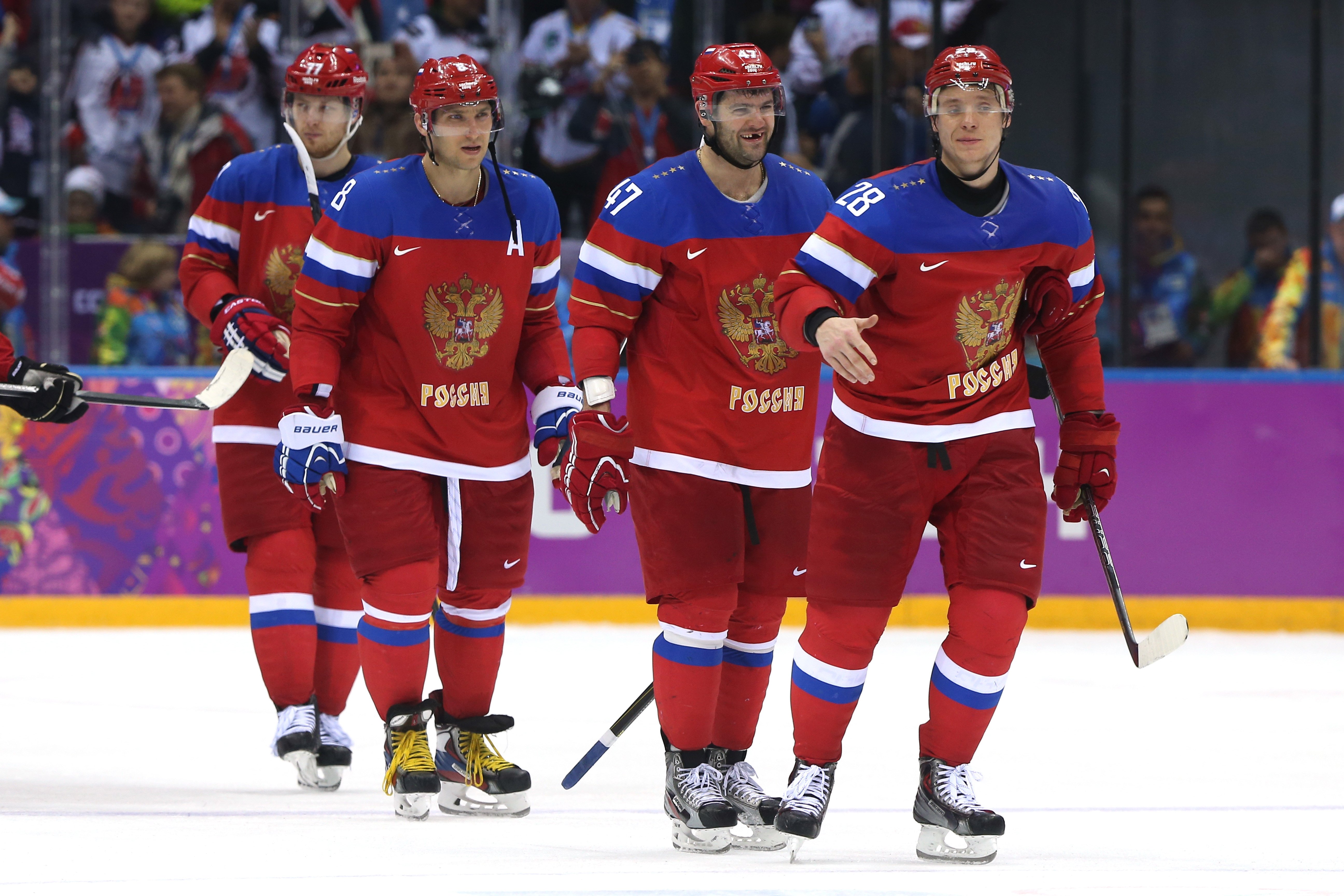
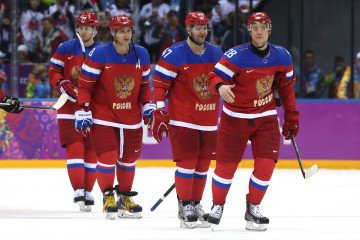
The court ordered the IIHF to admit Russian teams to five upcoming championships: the U20 World Junior Championship in Canada, the women’s U18 championship in Czechia, the men’s U18 championship in the United States, the senior men’s championship in Germany, and the women’s world championship in Canada. The court did not require the Russian teams to compete as neutrals or decide how to reorganize tournaments that had already been planned. The IIHF said it disagreed with the ruling but had to comply.
Czech Prime Minister Andrej Babiš called the ruling wrong when asked whether Russia’s under-18 women’s team would be allowed to play in Ostrava. “It makes no sense to bring them back now, as if we were saying that war and the killing of people in Ukraine are normal,” he said. Days after Babiš spoke, Russia’s under-18 women’s team played North Korea in Pyongyang. Russia has yet to publish a roster for Ostrava.
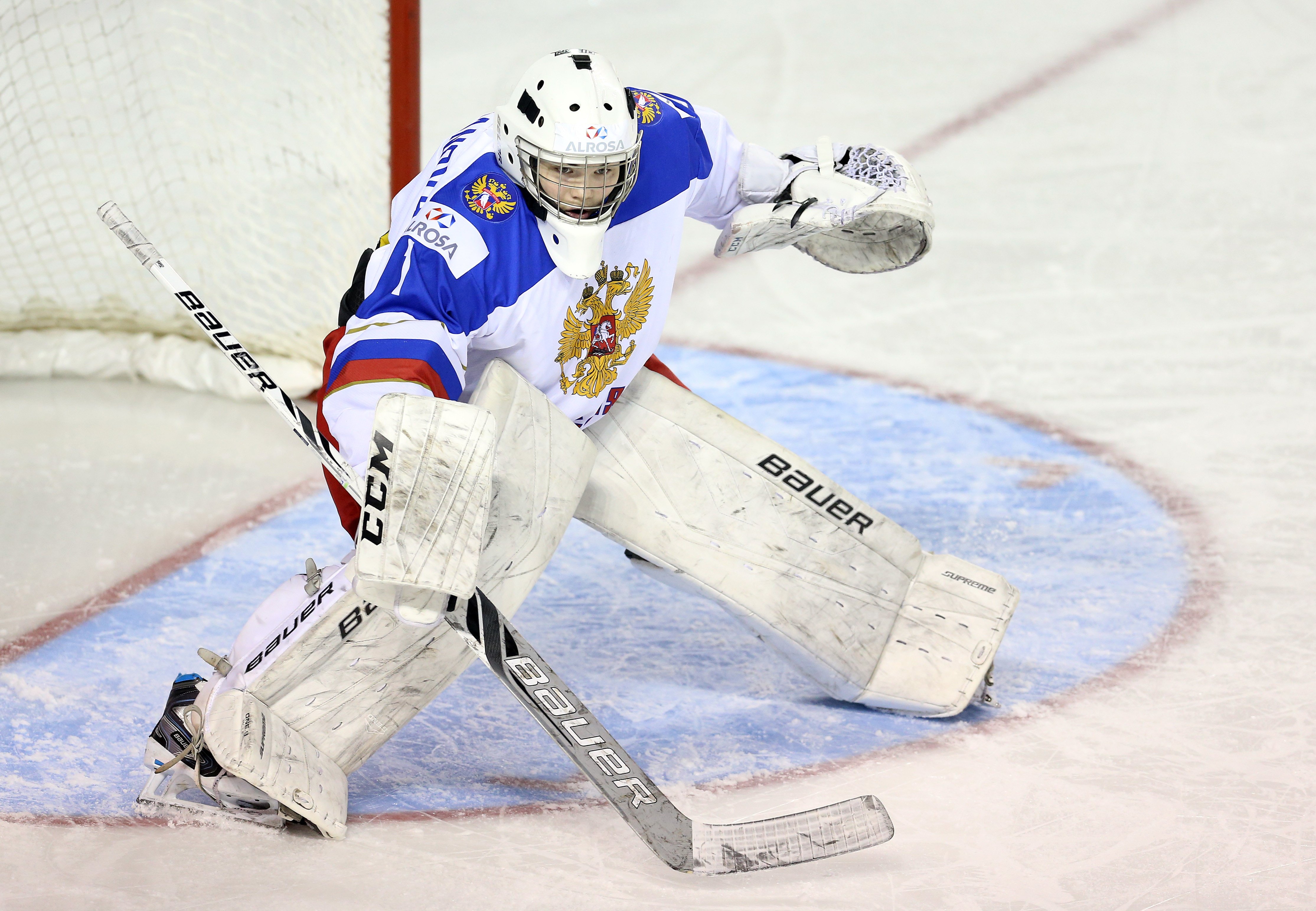
CAS said the IIHF had not asked it to impose a neutrality requirement. At the Paris Olympics, an IOC panel screened individual athletes for active support of Russia’s war and for military or security ties. Even with those checks, Global Rights Compliance found evidence that about two-thirds of the Russian athletes who had accepted invitations at the time of its review had breached the IOC’s neutrality rules.
In October, the same court dismissed appeals by the Russian Curling Federation and Russian athletes, leaving restrictions on their participation in adult competitions in place. In that case, the court accepted arguments about possible boycotts, difficulties staging tournaments, and visa issues.
As journalists found, two of the three arbitrators, Italy’s Giulio Palermo and Egypt’s Ismail Selim, had previously taken part in events in Moscow. Palermo visited the Russian capital just weeks before the hearings. The IIHF subsequently challenged the ruling over the two arbitrators’ possible failure to disclose their ties to Russia, according to media reports.
Some had already decided to push back.
Canada blocks Russia from the first championship
The U20 World Junior Championship is scheduled to take place in Edmonton and Red Deer from December 26, 2026, to January 5, 2027. After the CAS ruling, Norway, the lowest-ranked team, was even told it would have to give up its spot to Russia. But the Canadian government said Russia’s national teams could not compete in Canada as long as Russia continued its war against Ukraine. Russian and Belarusian athletes and officials coming to represent their countries would be barred from the championship even if they already held valid visas.
Meanwhile, Finland, which will host the 2028 World Junior Championship in Tampere and Turku, went further.
On November 12, its government tightened entry restrictions on Russian athletes. The new rules apply even to athletes competing under a neutral flag. The city of Turku said it would give up its hosting duties altogether if Russia were allowed to compete.
On November 15, the IIHF officially confirmed that Russia’s U20 team would not travel to Canada. The Russian federation had demanded that the IIHF guarantee its participation or move the tournament to another country, but the IIHF kept the event in Canada. Norway retained its place in the tournament. Russia called the decision politically motivated and said it intended to appeal. For the first of the five championships covered by the CAS ruling, however, the matter is settled.
New disputes in Czechia and the United States
The Czech city of Ostrava will host the women’s U18 championship in January 2027. Czech Prime Minister Andrej Babiš openly opposed the Russian team’s return, saying it would give the impression that war and killing had become normal. Interior Minister Lubomír Metnar explained that Czechia restricts the issuance of short-term visas to members of Russian national teams. In his view, the CAS ruling does not require Czechia to change its own entry rules.
No ban on the Russian team has been publicly confirmed for the men’s U18 championship, scheduled for late April to early May 2027 in Duluth, in the United States.
Germany’s entire tournament is at risk
The biggest crisis could arise in Germany, where the senior men’s world championship is scheduled for May 2027. Several hockey federations, including those of Finland, Sweden, Czechia, Denmark, Norway, Latvia, France, and Austria, have said they will refuse to play Russia. Ukraine, which has just returned to the top division, is also refusing to take the ice against the Russian team.
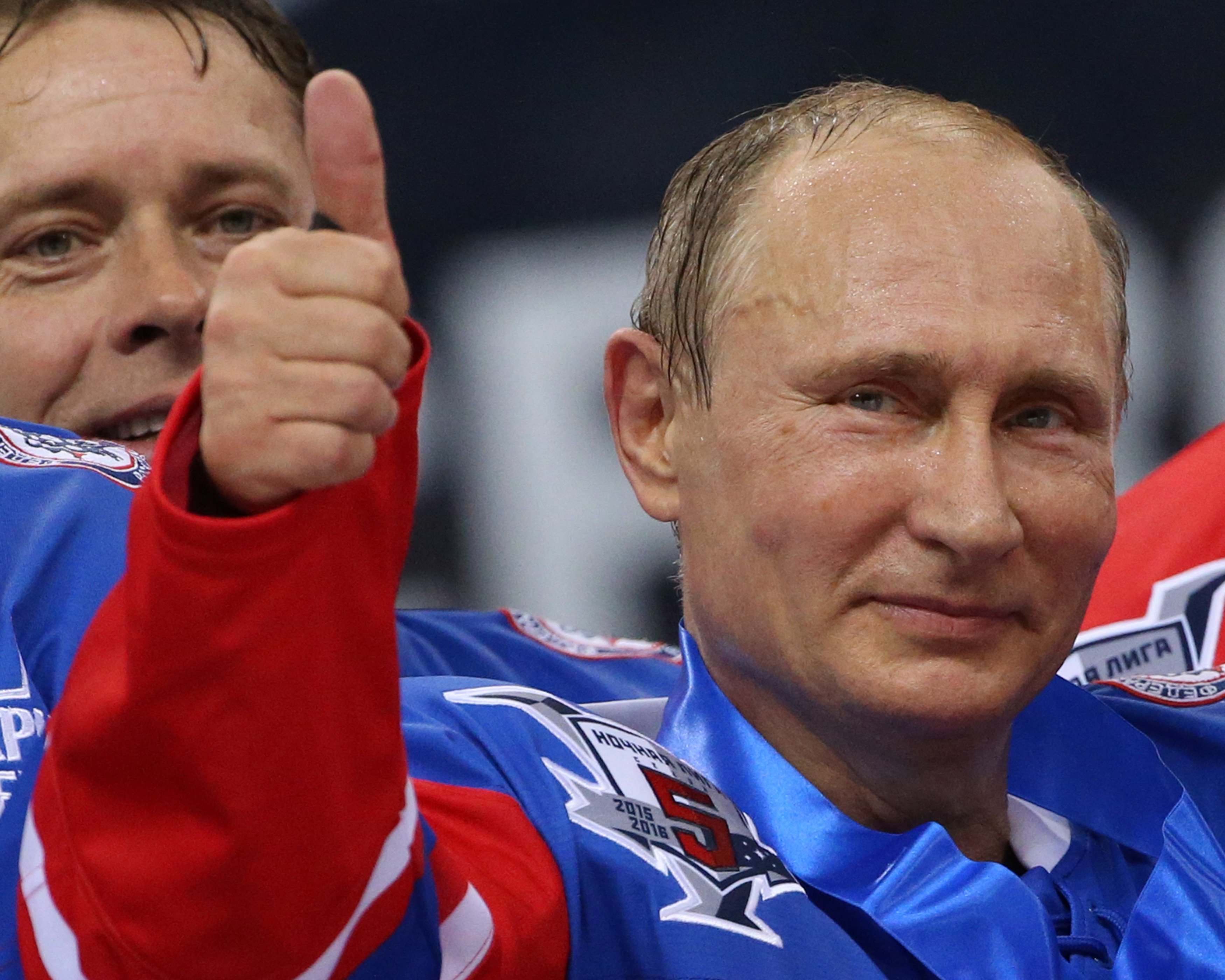
Most of these countries are prepared to play their other games and intend to boycott only those against Russia. Any attempt to add Russia to the tournament schedule could therefore lead to widespread forfeits and disrupt the competition format.
Ukraine’s qualification to play among the world’s top 16 national teams adds to the tension. The CAS ruling raised the possibility that a team already in the field would have to give up its spot to make room for Russia. Because Ukraine was the last team to qualify, its place could be at risk.
World championship sponsors are also putting pressure on the IIHF. Automaker Škoda, a longtime sponsor of the championships, warned that it would reconsider its support. Nokian Tyres said it would end its sponsorship if Russia takes part. After the court’s ruling, AJ Products announced it would withdraw its sponsorship and remove its logo from the 2027 tournament.
Russia’s flag returns as the war continues
The dispute in hockey comes amid a much broader trend. More than four years into the full-scale war, after widespread strikes on Ukraine and numerous casualties, a growing number of international sports organizations are easing restrictions on Russia. In some cases, they are going beyond admitting neutral athletes and fully restoring the use of Russian national symbols.
In November 2025, the International Judo Federation allowed Russians to compete with their flag, anthem, and other national symbols. Russian athletes also competed under their national flag at the 2026 Winter Paralympics, where it was raised at medal ceremonies.
In July 2026, the International Olympic Committee provisionally lifted its suspension of the Russian Olympic Committee and withdrew its general recommendations on restrictions for Russian athletes. The decision does not automatically clear Russia to compete under its flag at the Olympics. Organizers and federations still decide who can compete and which symbols they can use.
The overall direction is clear. In 2022, sports organizations were largely looking for ways to isolate Russia. Now they are increasingly discussing the terms of its return.
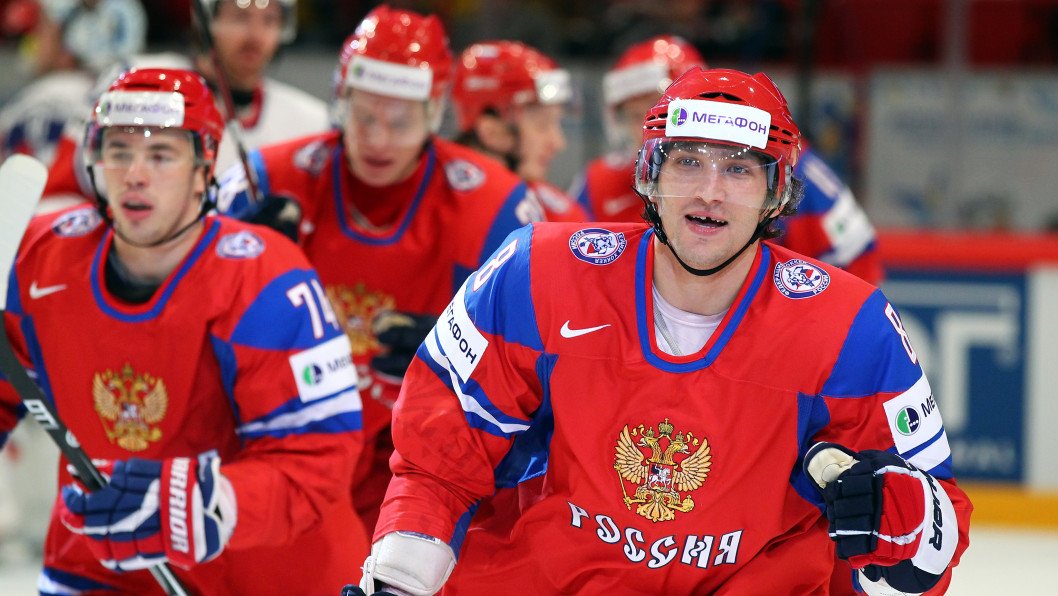
Supporters of Russia’s return insist that athletes should not be held responsible for their government’s decisions. In Russia, however, the line between sports and politics is blurry. In September 2026, for example, NHL star Alex Ovechkin appeared in a campaign video for Putin’s United Russia party alongside Foreign Minister Sergey Lavrov and several propagandists.
Ukrainian intelligence has also published information on Russian athletes who support the war while continuing to compete abroad. They include wrestlers who took part in a pro-war rally in Moscow and a gymnast with ties to the ruling United Russia party who was granted neutral athlete status.
As the Russian military continues to strike Ukraine, sports organizations are increasingly considering how to bring Russia back into competition. Hockey has raised a different question. Are countries, teams, and fans prepared to welcome Russia back?
The new sanctions package against Russia that the European Commission is preparing may include an outright ban on Russian and Belarusian athletes taking part in international competitions in the European Union.
A court can force federations to try to bring Russia back. It cannot make the world pretend the war is over.
Discuss this article: