- Category
- World
Russian Conscripts Increasingly Blocked From Leaving the Country, Rights Group Reports
 Prefer U24 Media on Google
- Authors

-111f0e5095e02c02446ffed57bfb0ab1.jpeg "Photo of Roman Kohanets")
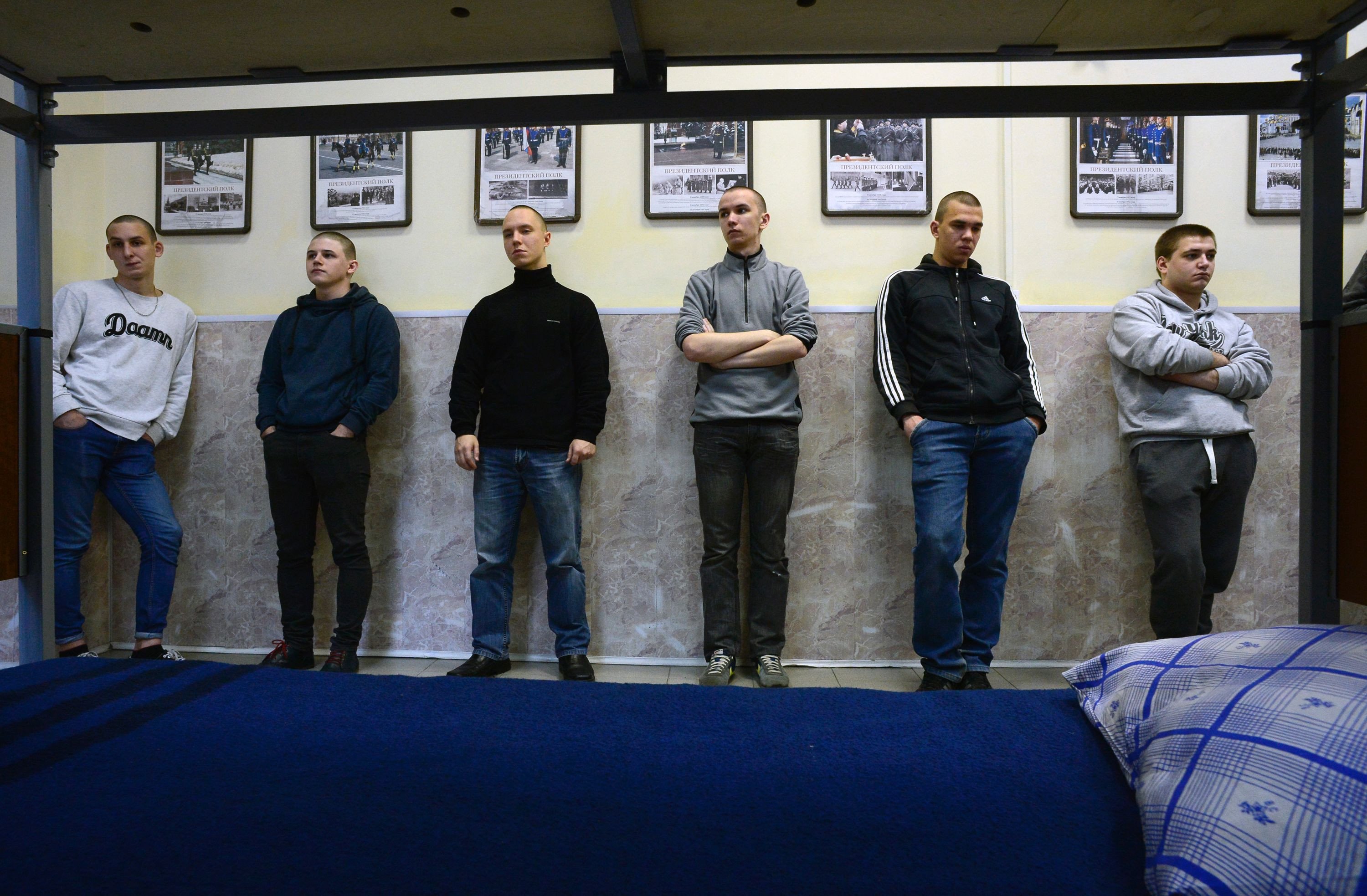
Russian conscripts are increasingly being blocked from leaving the country, with some learning of exit bans only at border control or watching the restriction surface in the state registry minutes later.
The pattern was documented by the human rights project Idite Lesom, which reviewed appeals from conscripts attempting to cross the border between August 18 and 31.
We bring you stories from the ground. Your support keeps our team in the field.
Of 73 conscripts who contacted the project while trying to leave Russia directly, 50 managed to cross, and 23 were turned back, the group reported. Attempts through Belarus fared worse: of 11 who sought help on that route, four succeeded, and seven were stopped, including one man who turned around in Minsk.
The project emphasized that its 73 cases are not a representative sample of all Russian conscripts, but rather a self-selected group who wrote in precisely because they had already received a summons, faced a restriction, or doubted whether they would be let through. It noted that trouble-free departures are likely more common but simply go unreported.
Several accounts described bans materializing without warning. One conscript who had lived in Indonesia for years on a residence permit returned to Russia for two weeks and found he could not leave, a departure ban already logged against him. Another was stopped at a Moscow airport despite stating he had never received a summons, learning of the restriction only at the border.
-226ee9bd877d87e388417d2a5e1c42f9.jpg)
One man checked the registry before a Moscow–Yerevan flight and found no ban, yet was told at passport control that his exit was restricted; when he reopened the registry minutes later, the ban had appeared there too. A conscript from Novosibirsk discovered his summons only after being blocked at an airport, and although his enlistment office lifted the restriction, he was stopped again two days later because border guards still saw the ban.
Not every case ended in a refusal. One conscript holding a summons for a medical assessment and a valid deferment reached Yerevan with no ban in the registry, while another left on a paper summons. A third crossed the land border into Kazakhstan despite a departure ban and other temporary measures imposed against him. Reservists, the project added, face no such travel restriction tied to the electronic summons.
Complaints about blocked exits began surging in March, after Russia fully launched its registry of electronic summonses. In April, a conscript from St. Petersburg was prevented from leaving through Belarus, which the Movement of Conscientious Objectors described as evidence that border services in the two countries had begun exchanging data from the electronic military registration and summons systems.
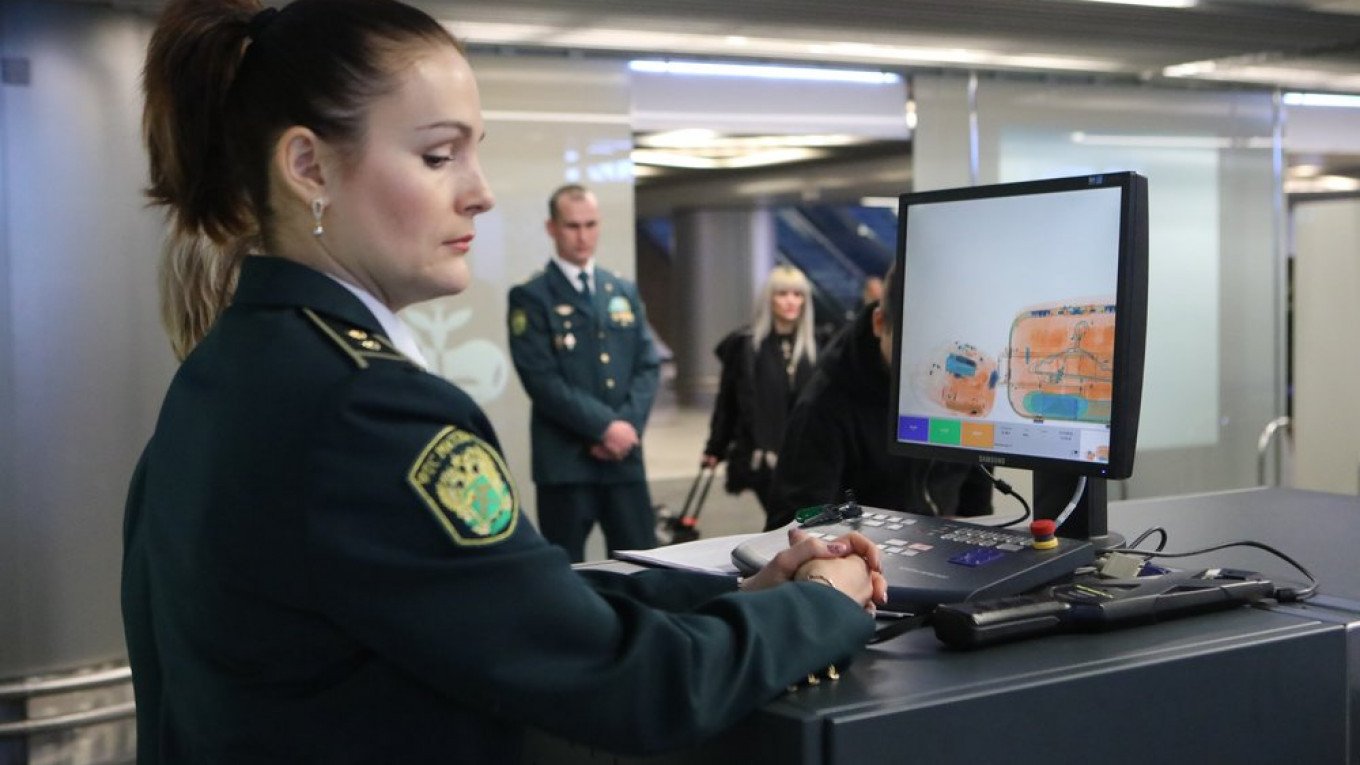
The tightening of exit controls coincides with persistent rumors of a fresh wave of mobilization after the September State Duma elections. Analysts at the Washington-based Institute for the Study of War (ISW) have written about preparations for a new call-up, a possibility not excluded by Western intelligence or by European officials who spoke to The Washington Post. Those sources indicated that the Kremlin could take the step due to heavy front-line losses.
The Center for Strategic and International Studies estimates Russian forces have lost at least 1.4 million people in Ukraine, counting the seriously wounded unable to return to duty. Against that backdrop, the outflow of Russians has spiked: between August 15 and 18, more than 19,000 to 20,000 people a day crossed into Sakartvelo through the Verkhny Lars checkpoint, far above comparable periods in previous years, according to the Federal Customs Service.
The move toward registry-enforced bans follows an earlier, informal phase of the same effort. In August, border and airport staff in Moscow, St. Petersburg, and Yekaterinburg were reported to be quietly screening men of mobilization age, holding some travelers aside under the pretext of database checks until their flights had closed and then sending them home without any documented restriction.
Discuss this article:
-4a56a6b482ec132402c16ef6fcabf9a2.png)




-c439b7bd9030ecf9d5a4287dc361ba31.jpg "Photo of Katherina Popilnichenko")