- Category
- World
Russia’s Alabuga Factory Promises Opportunity to African Women—But the Jobs Support Shahed Drone Production
 Prefer U24 Media on Google
- Authors


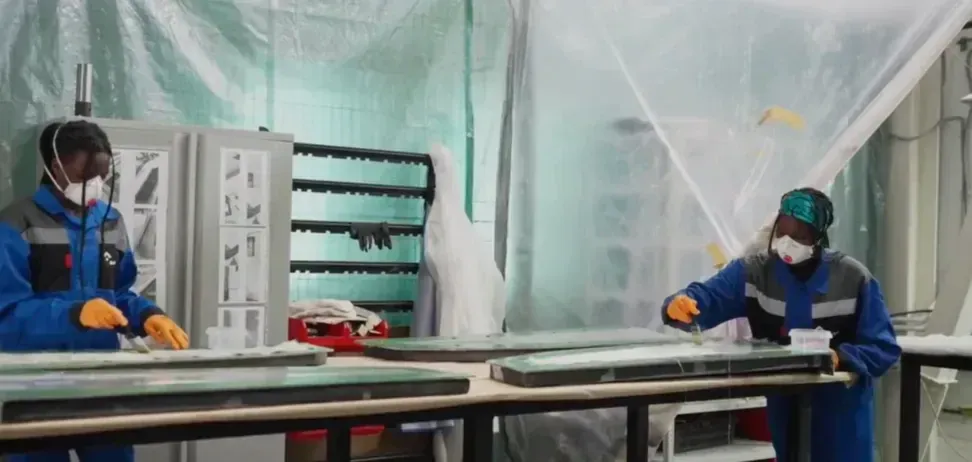
Investigators have obtained internal documents detailing an alleged international recruitment network that brings young women from African countries to Russia’s Alabuga Special Economic Zone in Tatarstan, where Iranian-designed Shahed-type attack drones are manufactured.
According to an investigation by the Ukrainian Security and Cooperation Centre (USCC), published by Fox News on November 15, the documents reveal the identities of approximately 50 African women employed at Alabuga, along with 10 Russian recruiters and two African intermediaries allegedly involved in recruiting foreign workers.
We bring you stories from the ground. Your support keeps our team in the field.
According to investigators, the recruitment network operates through three interconnected levels, bringing together Russian cultural and educational institutions, recruiters based in African countries, and Alabuga staff responsible for hiring and logistical support.
Russian organizations use cultural and educational programs to engage young Africans, while local intermediaries advertise opportunities for employment and education in Russia. Once candidates are recruited, Alabuga personnel oversee their employment and travel arrangements.
The investigation also names two women from Tunisia and Uganda as suspected recruitment coordinators, highlighting their reported links to Russian human resources staff and foreign workers. However, Fox News emphasized that it had not independently confirmed their specific involvement in recruitment activities.

Solomiya Khoma, the USCC’s head of international cooperation, described a recruitment process in which women travel to Russia expecting to combine education with paid employment but encounter difficulties meeting university entrance or Russian-language requirements.
“These people are promised a dual education opportunity,” Khoma said.
Khoma explained that women who do not pass the necessary examinations may be left with limited options, especially if they lack the financial means to return to their home countries.

As a result, she alleged, some remain in Russia and take up factory work rather than pursue the education they initially expected.
Khoma also called for sanctions targeting the recruitment networks themselves, including intermediaries, financial channels, and organizations facilitating the recruitment of foreign workers.
She argued that Moscow’s reliance on international recruitment reflects growing labor shortages across Russia’s wartime economy and could provide an additional avenue for international pressure.
“Without this effort abroad, without this help abroad, it would be difficult for Russia to sustain a war longer,” Khoma said.
Russia’s growing dependence on foreign labor comes as the country faces a deepening workforce shortage driven by demographic decline, military mobilization, restrictions on migrant workers from Central Asia, and the departure of Russians opposed to the war and Vladimir Putin’s government. Russian military casualties have also reportedly reached approximately one million killed or wounded.
At the same time, high unemployment in parts of Africa creates conditions that recruitment programs can exploit. In South Africa, for example, approximately one-third of the working-age population is unemployed.
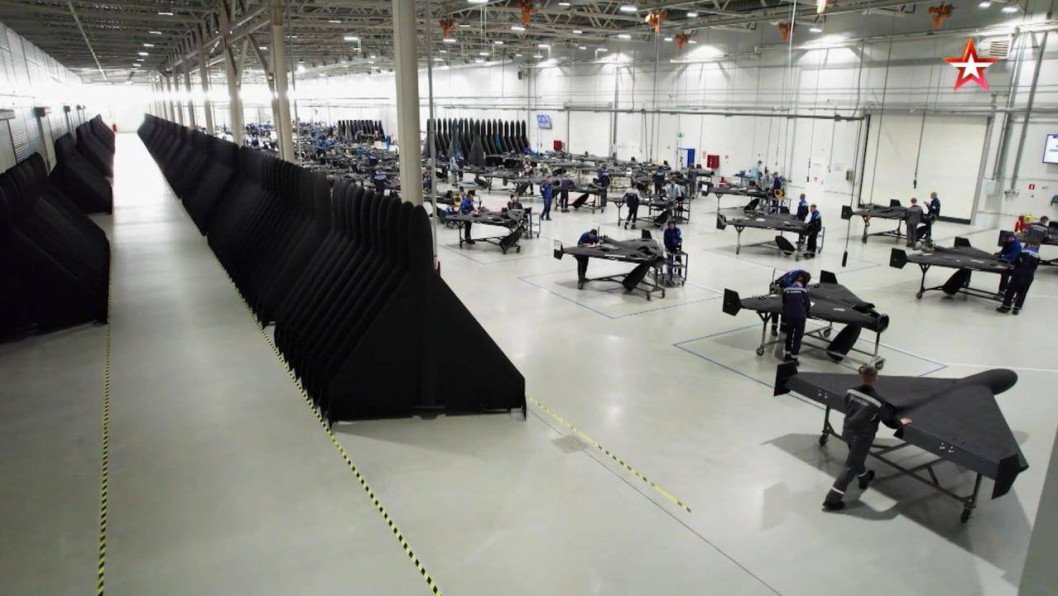
Against this backdrop, the Alabuga Start initiative advertises itself as an “international program for ambitious young women aged 16 to 22, offering a chance to move to Russia and build a successful career.”
However, according to the Washington-based Institute for Science and International Security, more than 90% of participants were instead assigned to drone assembly lines at the Alabuga facility.
Located approximately 600 miles east of Moscow, the Alabuga industrial complex was originally established to attract Western investment. Following Russia’s full-scale invasion of Ukraine and the departure of several major tenants, however, the site shifted toward military production.
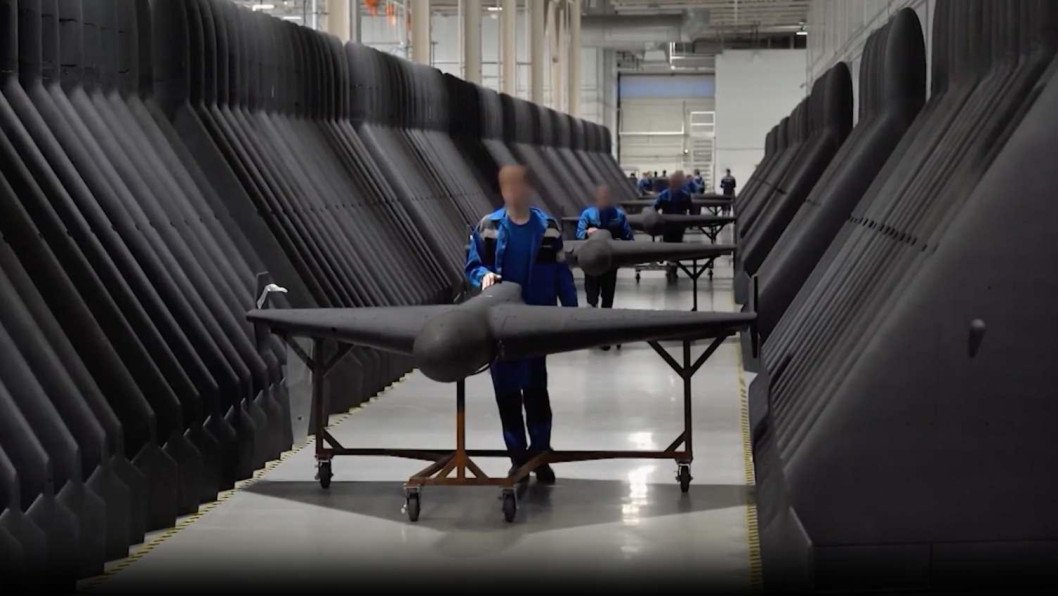
Alabuga has since emerged as a major hub for manufacturing Shahed-type attack drones used by Russian forces against Ukraine.
According to Ukrainian Defense Intelligence, the facility produced 5,760 Shahed-type drones during the first nine months of 2024, more than double the 2,738 manufactured throughout 2023.
Overall, at least 2,982 individuals from 37 African countries have been recruited into the Russian military, with approximately 486 killed while fighting against Ukraine, according to Ukraine’s Foreign Ministry.
Discuss this article: