- Category
- World
Ukraine May Get Patriot Missile Production License. The Hard Part Is the 24-Month PAC-3 MSE Cycle
 Prefer U24 Media on Google
- Authors


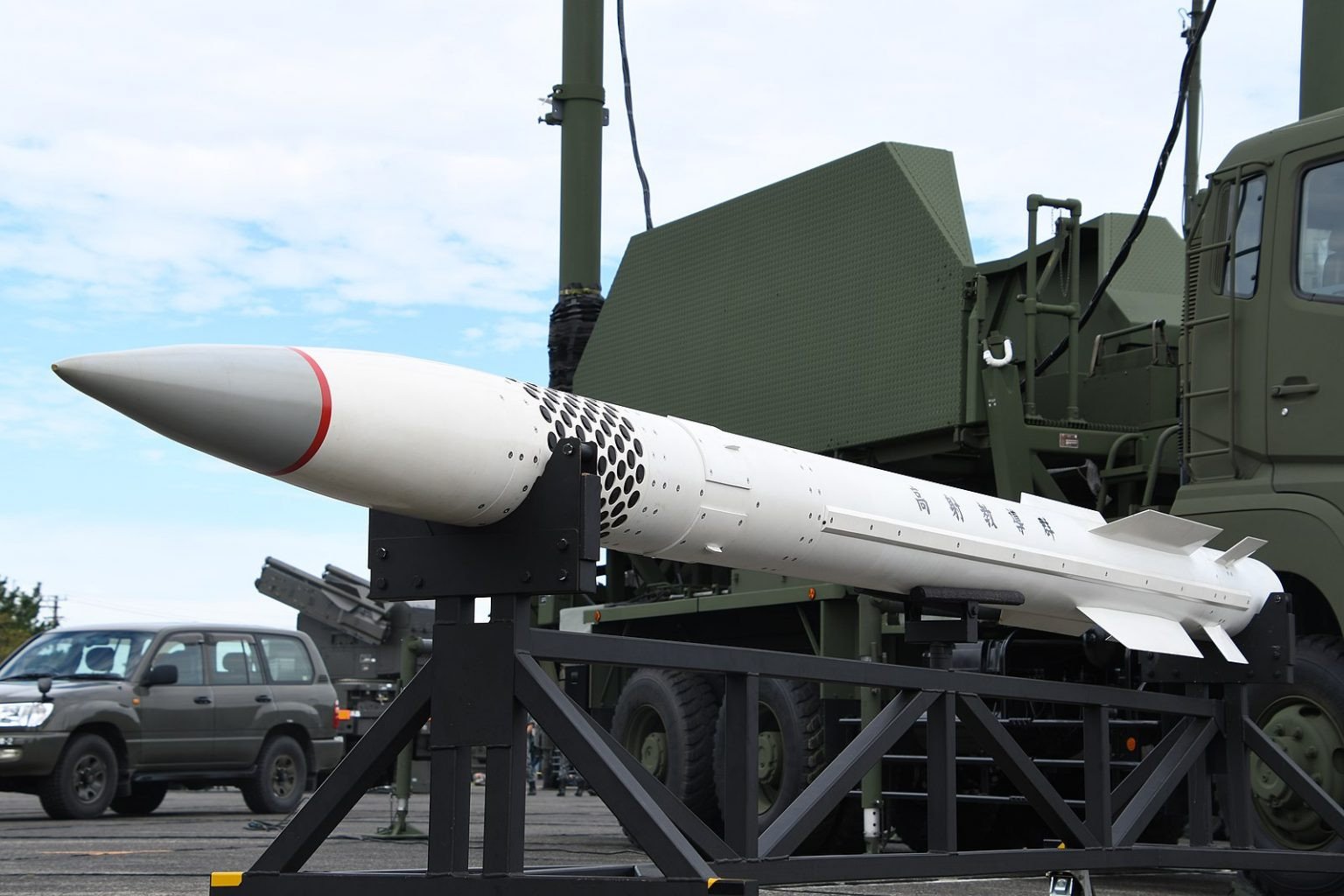
Lockheed Martin’s PAC-3 MSE interceptor for the Patriot air defense system is one of the most advanced missiles in its class, and that directly shapes how long it takes to produce, Defense Express reported on July 9.
The reported approval in principle by the US administration to grant Ukraine a license to produce Patriot missiles immediately raises the most important question for Ukraine: when could Ukrainian-made interceptors actually strengthen the Armed Forces?
We bring you stories from the ground. Your support keeps our team in the field.
According to Defense Express, even if all bureaucratic procedures, production line creation, training, and certification were accelerated as much as possible, the missile’s own production cycle would remain a major limiting factor.
For the PAC-3 MSE, that production cycle is known to take roughly 24 months. In other words, around two years can pass between placing an order and receiving completed missiles.
The long timeline is tied to the complexity of the missile itself and the scale of its supply chain. Around 400 companies are involved in producing materials, components, blocks, and assemblies for the PAC-3 MSE, which are then brought together at Lockheed Martin’s plant in Camden, Arkansas.
Defense Express notes that the PAC-3 MSE is a highly sophisticated interceptor designed for kinetic kills against ballistic targets at closing speeds measured in kilometers per second. Producing each of its key components is a difficult technological process with its own bottlenecks.
-69640d1ad988303867233773682fd524.jpg)
One example is the missile’s active radar seeker. It is produced by Boeing only at its facility in Huntsville, Alabama. The seeker is one of the most advanced in its class, using Ka-band AESA technology. Even with production expansion efforts, Boeing needs around seven years to triple output.
Another example is the Attitude Control Section, which includes small solid-fuel lateral control motors. Poland’s experience shows how difficult that element is to master: Wojskowe Zakłady Elektroniczne S.A. spent around seven years preparing to produce micro solid-fuel motors.
Non-watermark footage showing the work of Ukraine-operated Patriot air defense systems over Kyiv yesterday.
— Status-6 (War & Military News) (@Archer83Able) June 26, 2026
The launch of two PAC-series interceptors can be seen, with two apparent successful interceptions of Russian missiles. https://t.co/HXMN7QarKQ pic.twitter.com/bSRTPuUpNR
The missile’s control systems are no less complex. These include the Guidance Processor Unit, the Missile Radio Frequency Data Link, and the Inertial Measurement Unit. At present, their production is known to be handled only by Lockheed Martin.
The solid-fuel motor is produced by Aerojet Rocketdyne, which was acquired by L3Harris Technologies in 2023. This dual-pulse motor is another bottleneck in PAC-3 MSE production, partly because of solid-fuel shortages and the long cycle required for casting and curing the propellant.
Other missile components also add complexity, including control surfaces and steering mechanisms that must allow the interceptor to maneuver at speeds of around Mach 5.
Defense Express concludes that a production license would be a major strategic step for Ukraine, but it would not instantly solve the interceptor shortage. PAC-3 MSE production is limited not only by permission and factory capacity, but also by deep technological cycles that cannot be compressed overnight.
Zelenskyy said Europe must rapidly develop its own capacity to produce anti-ballistic air defense systems and interceptor missiles, speaking at the NATO Defense Industry Forum held alongside the Alliance’s summit in Ankara.
Discuss this article:



-c439b7bd9030ecf9d5a4287dc361ba31.jpg "Photo of Katherina Popilnichenko")

-111f0e5095e02c02446ffed57bfb0ab1.jpeg "Photo of Roman Kohanets")