- Category
- World
Ukraine Urges Global Shutdown of Russian House Centers, Citing Security Threat
 Prefer U24 Media on Google
- Authors

-111f0e5095e02c02446ffed57bfb0ab1.jpeg "Photo of Roman Kohanets")
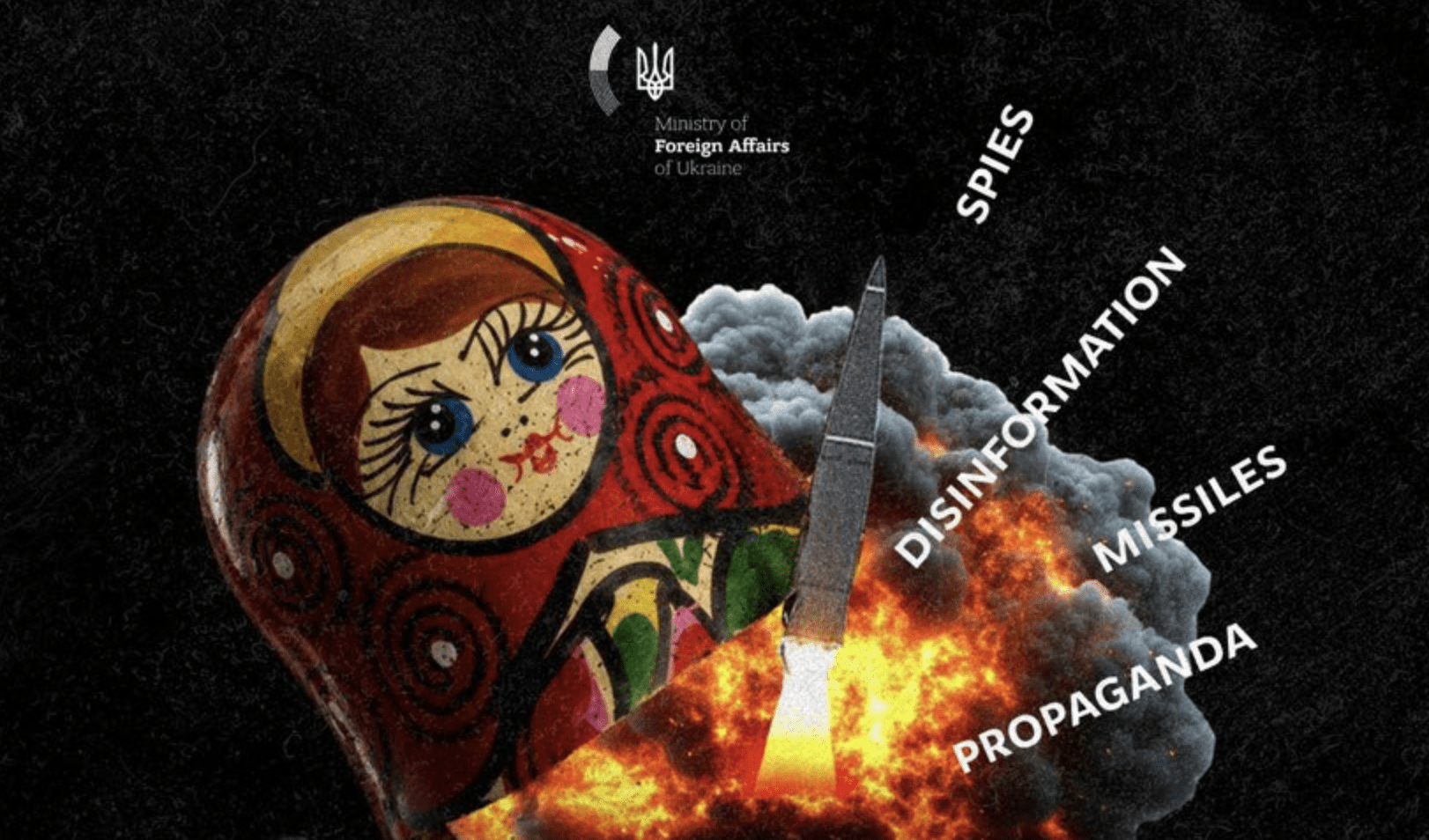
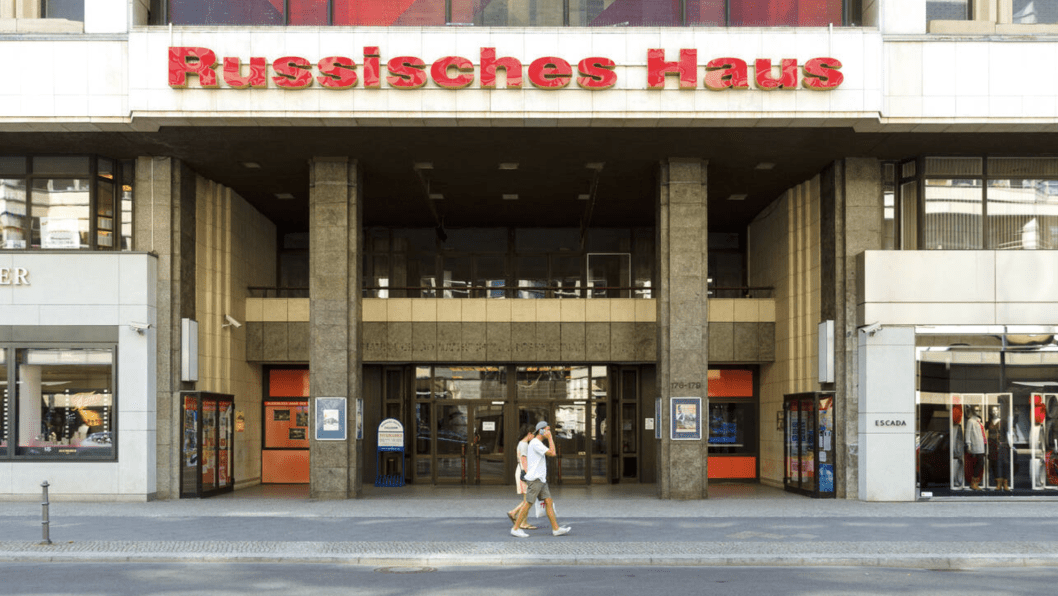
Germany closed the Russian House cultural center in Berlin on September 18, ending years of what Ukraine describes as malign Russian influence. Despite the shutdown, similar centers still operate in at least seven European countries, Ukraine's foreign minister, Andrii Sybiha, warned on September 19.
We bring you stories from the ground. Your support keeps our team in the field.
Sybiha set out the assessment in a post on X on September 19, framing the network as a front for hostile operations. He identified Rossotrudnichestvo and the so-called Russkiy Dom, or "Russian House," centers as instruments of disinformation, destabilization, and espionage.
"Our shared European home is not the place for 'Russian houses' promoting war propaganda," Sybiha wrote. He commended the measures European authorities have taken to block the network across the continent.
The network's reach extends well beyond Europe, the minister noted. Its scale is even greater in Africa, Central and Eastern Asia, the Asia-Pacific, and South America, he added.
In several countries, the official infrastructure remains intact, Sybiha stated, and in some it is woven directly into Russia's diplomatic presence. He characterized the centers as part of a comprehensive Russian effort to wage a global battle for public opinion.
Ukraine has formally appealed to governments worldwide to recognize the network as a national security threat, the minister explained. Kyiv has presented arguments for restricting the centers' operations and closing them entirely.
The Berlin shutdown extends a steady contraction of Russia's overseas cultural network. At least 13 Russian Houses have closed worldwide since Moscow's full-scale invasion began in 2022, down from roughly 15 centers operating across the European Union before the war.
Slovenia became the first EU state to expel its branch in April 2022, followed by Romania's closure of the Bucharest center in February 2023 and the shuttering of houses in Slovakia, Croatia, North Macedonia, and Montenegro that same year.
Moldova's center ceased operations entirely on July 4, 2026, with officials citing subversive activity conducted under the guise of culture.
Discuss this article:
-4a56a6b482ec132402c16ef6fcabf9a2.png)


-c439b7bd9030ecf9d5a4287dc361ba31.jpg "Photo of Katherina Popilnichenko")