- Category
- World
Ukraine’s Drone Veterans Hit a US Tank Brigade With a 70% Casualty Lesson in Modern Warfare
 Prefer U24 Media on Google
- Authors


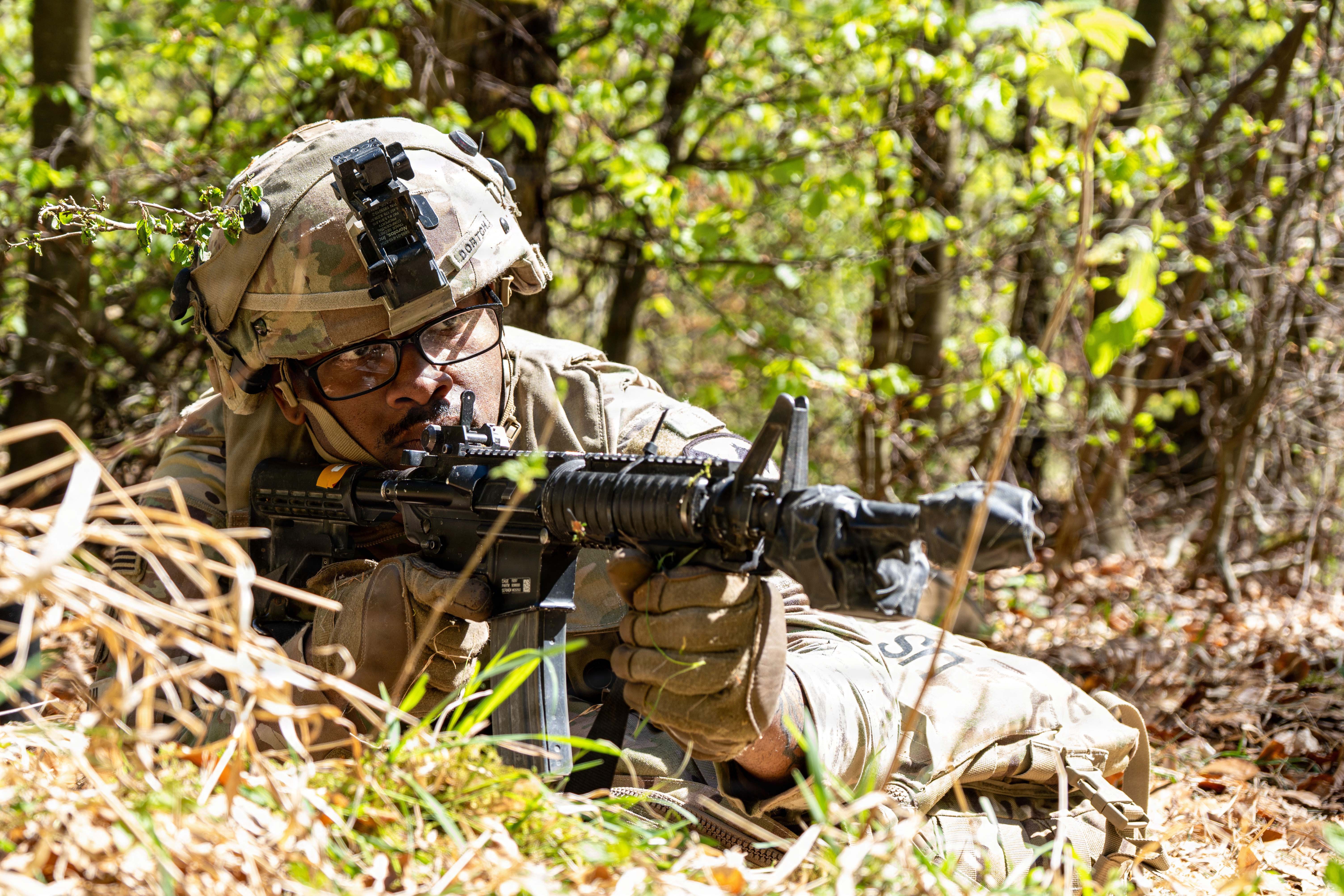
Ukrainian drone operators acting as the enemy force during a major US Army exercise in Germany caused roughly 70% of an American armored brigade’s simulated casualties during the first three days, forcing the formation to rapidly change how it fought, according to an account written by the brigade’s commander and staff and cited by Defence Blog on October 20.
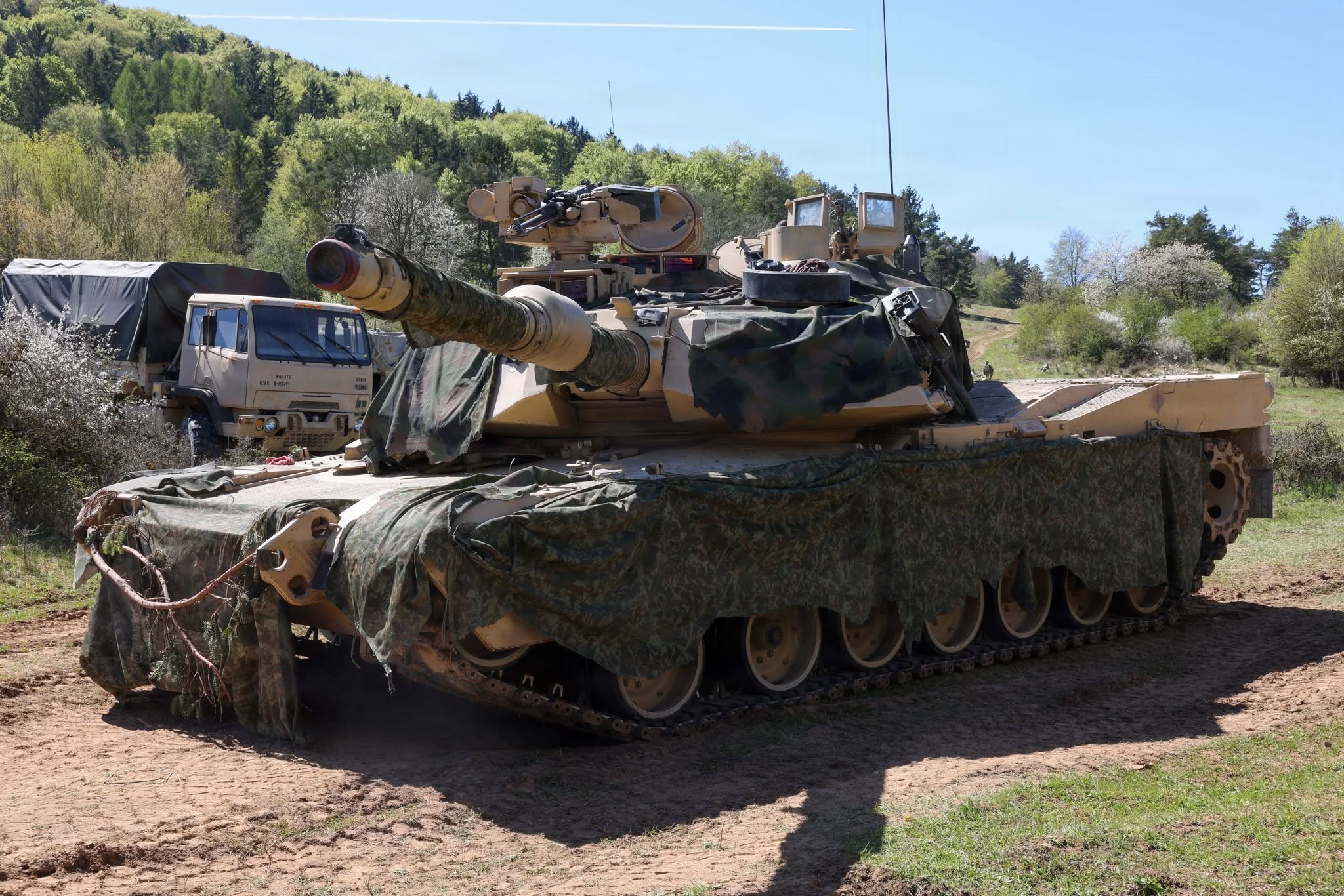
The exercise, Combined Resolve 26-07, took place at the Hohenfels Training Area in Bavaria in spring 2026.
We bring you stories from the ground. Your support keeps our team in the field.
The US Army’s 3rd Armored Brigade Combat Team, 1st Cavalry Division—known as Greywolf—faced an opposing force reinforced by personnel from Ukraine’s 412th Regiment of Unmanned Systems Forces, better known as Nemesis.
According to an article published in the US Army journal Military Review by brigade commander Col. Michael Ziegelhofer and six of his officers, Ukrainian-supported opposing forces used drones both for direct strikes and to locate targets for artillery. During the roughly 10-day exercise, enemy drones initiated contact with Greywolf units more than 750 times.
FPV drones successfully repulsed the enemy’s assault. They stopped a column of three armored vehicles — a tank, an MT-LB, and an armored combat vehicle.
— Defense of Ukraine (@DefenceU) September 15, 2025
📹: 412th Nemesis Regiment pic.twitter.com/T0wUfDpUuZ
The first three days were particularly punishing. Around 70% of the brigade’s simulated casualties were attributed to drones or strikes enabled by them. By the end of day three, however, that share had fallen below 30% even though the intensity of enemy drone operations had not decreased.
“Greywolf changed how it fought,” the authors wrote.
Defence Blog stated that the brigade had dedicated electronic warfare and counter-drone systems capable of creating jamming bubbles roughly 2 kilometers, or 1.2 miles, wide. But those systems generally had to operate from fixed locations and leapfrog forward as the formation advanced, creating periods when troops were exposed while moving.
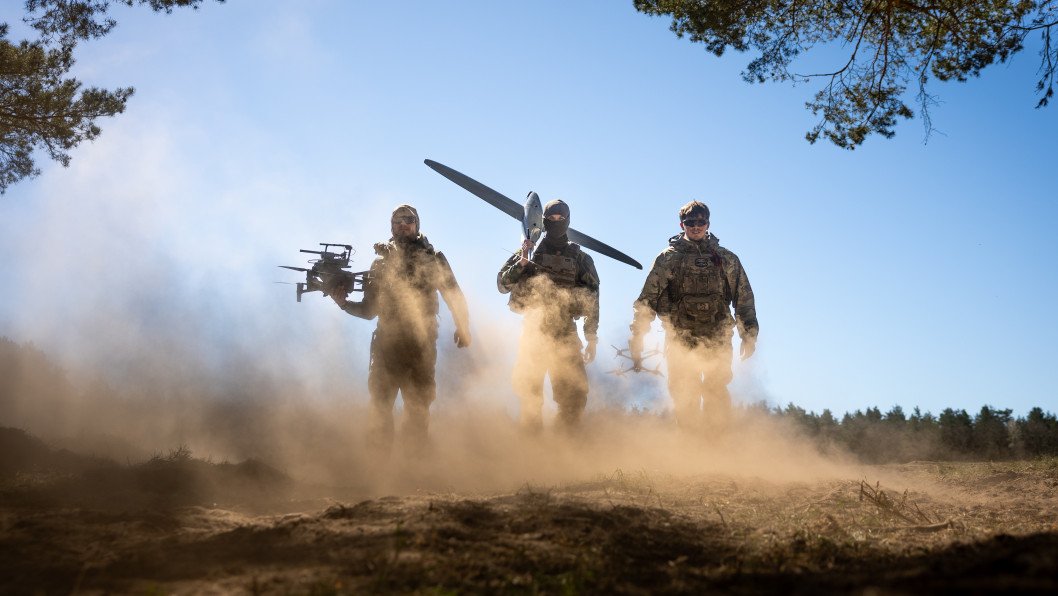
They were also far less useful against fiber-optic FPV drones, which receive commands through a physical cable and therefore cannot be defeated by conventional radio-frequency jamming.
Much of the solution ultimately came down to basic tactics. Units dispersed more widely, made greater use of cover and concealment, avoided obvious routes, and accelerated their response once drones were spotted, Defence Blog noted.
The brigade’s officers estimated that roughly 60% of effective counter-drone defense at brigade level came from fieldcraft and well-practiced battle drills rather than specialized technology.
Reducing the brigade’s electronic signature also became essential. Crews switched off Blue Force Tracker, reduced radio transmissions, and at times stopped using Starshield satellite communications to make themselves harder to detect.
That increased survivability but came with high operational costs: resupplying the brigade took roughly twice as long as planned because opposing forces were actively hunting its logistics network, Defence Blog added.
Greywolf also brought its own large drone force into the exercise. During the offensive phase, the brigade employed the 3rd Battalion, 504th Parachute Infantry Regiment, then serving as an experimental drone battalion, and fielded more than 700 UAVs from platoon through brigade level.
💥BOOOM💥
— Kakka🎖️ (@kakkamax) October 17, 2026
Over 8,000 vehicles have not delivered supplies to the occupying forces.
Half of them, 4,120, have been destroyed by the 412th Nemesis Brigade since the beginning of summer 2026.
We are preventing the enemy from replenishing their ammunition, fuel, and manpower.
We… pic.twitter.com/st8VHTRJB8
Relay drones extended the aircraft’s reach, allowing nearly all of the battalion’s systems to operate at distances of 25 to 40 kilometers, or roughly 16 to 25 miles—enough to cover the entire Hohenfels training area.
That abundance initially created another problem: too much information. Planning tools built around a relatively small number of reconnaissance assets struggled with hundreds of drones, while brigade staff could not maintain a complete picture of how many UAVs were airborne at any given moment, Defence Blog noted.
Greywolf eventually shifted away from micromanaging individual drones. Instead, commanders assigned priorities and allowed drone units to hunt within broader mission objectives.
Russian-style drone ground-control stations became high-priority targets, while the brigade moved its coordinated fire line forward so UAVs and artillery could engage targets beyond it without repeatedly seeking additional permission.
By the end of the exercise, the brigade was able to conduct two simultaneous breaches through dense forest roughly 6 kilometers, or 3.7 miles, apart. According to the officers’ account, the opposing force failed to identify which breach represented the main effort and committed its reserve too late to stop either.
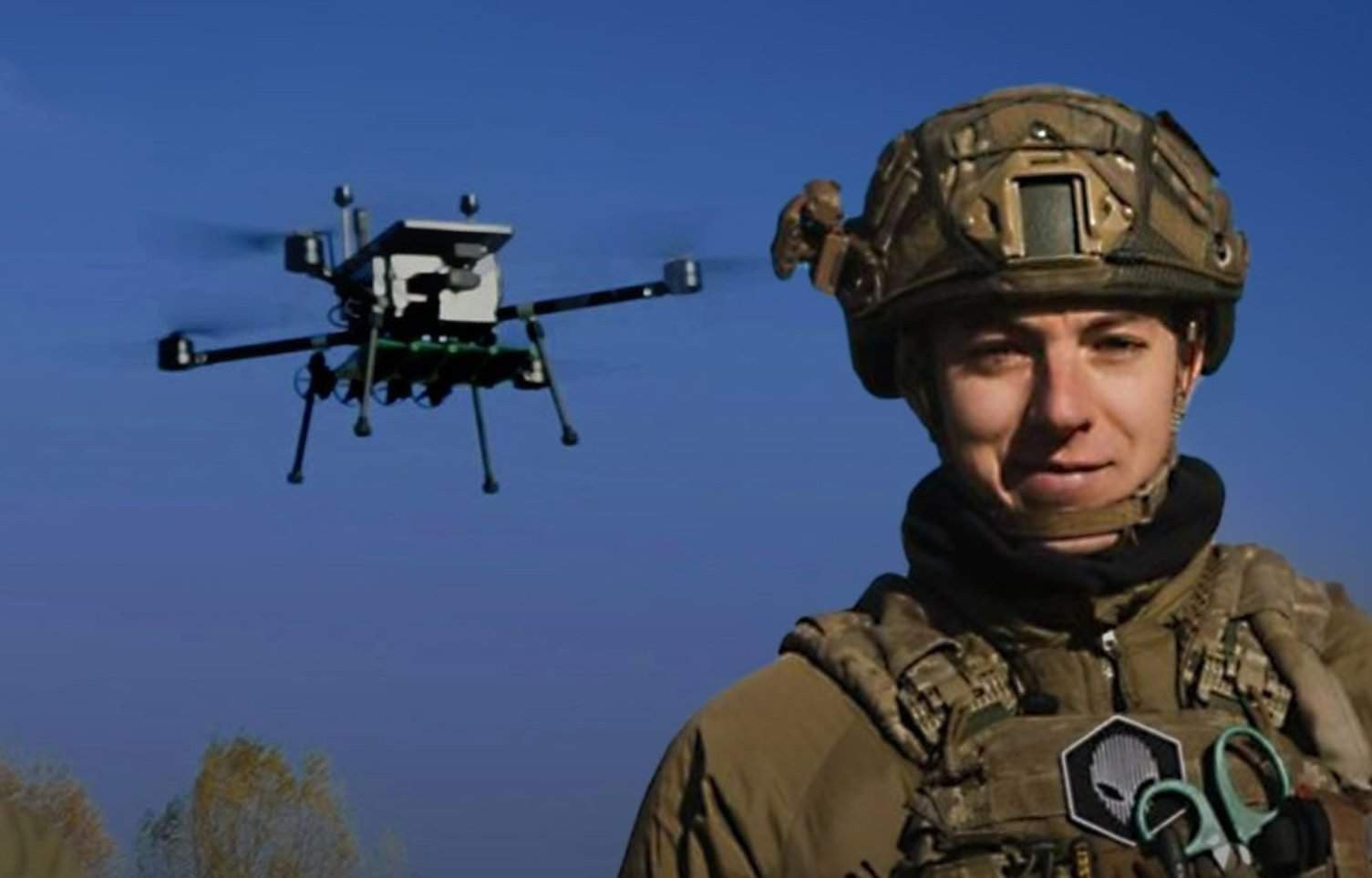
Capt. Allan Watson, a company commander in the brigade, separately described Ukrainian Nemesis drones already flying overhead as his soldiers entered the training area.
“They showed us ways to effectively fly cheap drones incredible distances. They put on a masterclass in sensor-to-shooter kill chain management and speed using tactics, techniques, and technology that we can now use in our formations,” Watson wrote in Task & Purpose.
Previously, reports emerged that Ukraine’s DELTA combat system recorded more than 3 million strike missions by UAV operators between March and October 1, as the Mission Control module rapidly expanded across the Defence Forces.
Discuss this article: