- Category
- Anti-Fake
Recent Investigation Uncovers Russia’s Militarisation of Teenagers in Occupied Ukraine
 Prefer U24 Media on Google
- Authors

-c439b7bd9030ecf9d5a4287dc361ba31.jpg "Photo of Katherina Popilnichenko")
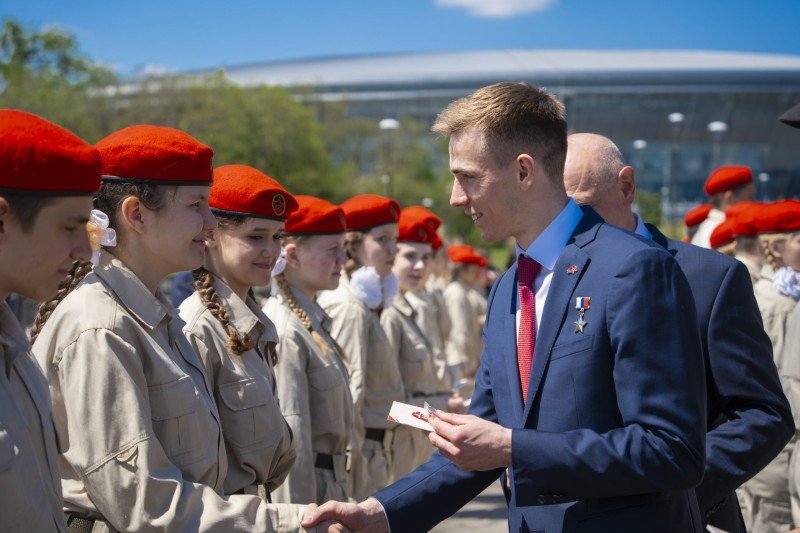
Russia is expanding a system aimed at the militarisation of Ukrainian youth in temporarily occupied territories, using teenagers as part of its propaganda apparatus.
Through the "Young Correspondents" program, the Kremlin involves children in the information war, teaching them to promote invasion narratives and create content for Moscow, according to OCCRP on May 4.
We bring you stories from the ground. Your support keeps our team in the field.
Henichesk, a small resort town on the Azov Sea, was among the first settlements to fall under the control of Russian forces in 2022. For a local girl named Kateryna, this marked the beginning of a total reorientation of her personal values.
In 2021, she recorded videos about the importance of the Ukrainian language, but by 2025, she received an 800,000-ruble ($10,500) grant from a Russian youth agency to develop "patriotic education" in the occupied regions.
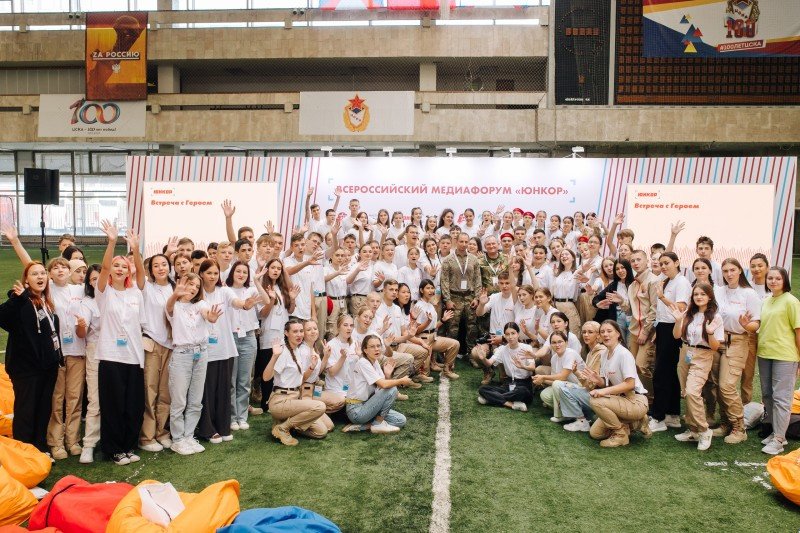
The "Young Correspondents" program, or "Yunkor," operates under the auspices of the militarized organization "Yunarmia," which is supported by the Russian Ministry of Defense. While it outwardly resembles a journalism club, an analysis of internal documents reveals a different purpose.
Participants are trained to be "information warriors." Ksenia Barladyan, head of the Yunarmia press service, explicitly tells teenagers during lectures that the internet is a battlefield and their work is a contribution to victory in the information war.
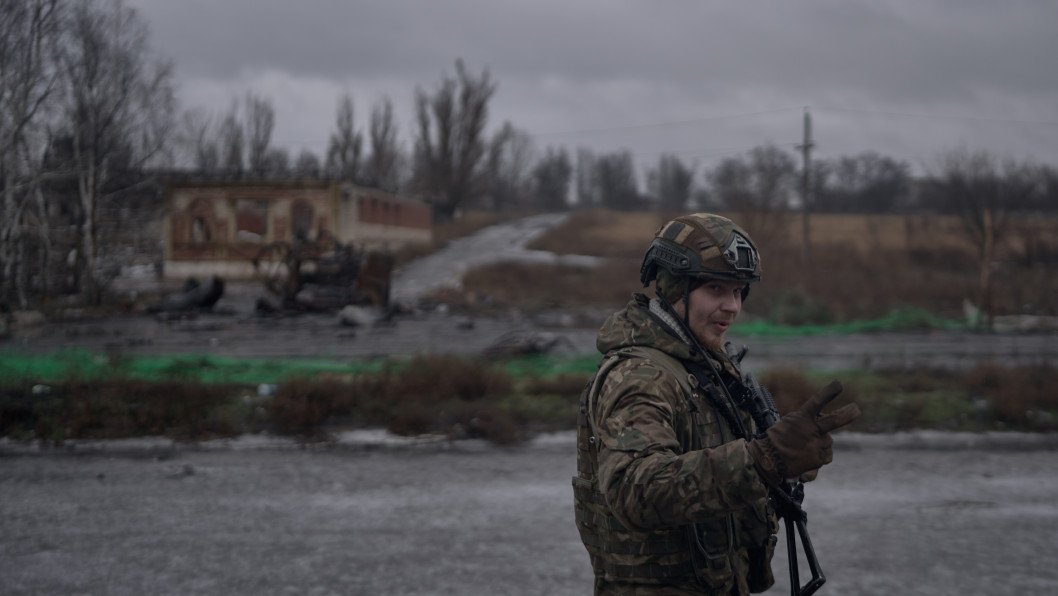
The educational process includes trips to Moscow and meetings with Russian military personnel. In the summer of 2023, groups of teenagers from the occupied territories visited a media forum in the Russian capital under the supervision of military figures, some of whom are suspected of committing war crimes. Students attended master classes from state TV propagandists who teach them to portray Russia’s full-scale invasion of Ukraine as a positive event.
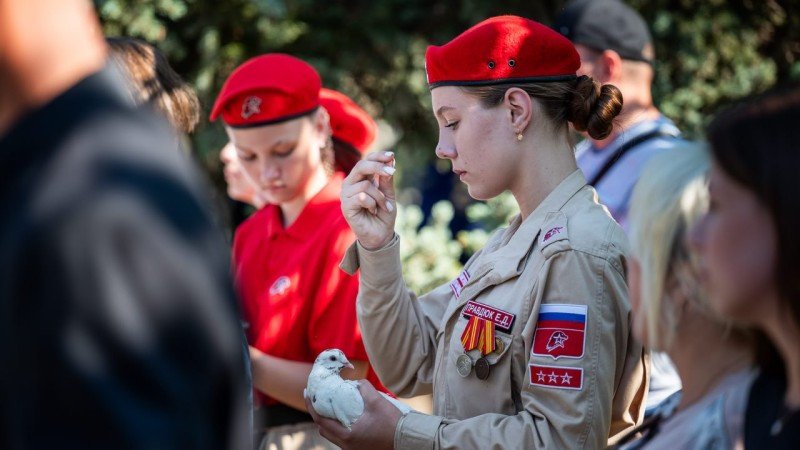
According to human rights defenders, the implementation of a Russian educational curriculum in occupied territories is a violation of international law. Experts note that such propaganda is equated to coercing individuals to serve in the ranks of the occupying forces.
Additionally, psychologists emphasize that teenagers in these conditions lack access to alternative information and often adopt imposed narratives to feel safe and remain part of their social environment.
Examples of other teenagers, such as Maryna from the Kherson region or Polina and Yelisey from the Luhansk region, demonstrate how deeply military values penetrate the lives of the youth. They participate in military games, film videos comparing current events to World War II, and use hate speech toward Ukraine.
-4ebdfa91edec2d89feec6a8a8a58a5a2.jpg)
Human rights activists stress that the combination of Russian education, the issuance of Russian passports, and forced oaths of allegiance is part of a unified system aimed at the total displacement of Ukrainian self-awareness in children.
Alexey Linev, a 48-year-old sergeant who led a grenade-launcher unit in Russia, served as an instructor for groups of teenagers in the region. While the Russian military presented him as a mentor, Ukrainian authorities suspected him of war crimes specifically related to his involvement in the militarization of children within occupied territories. His role in these youth programs ended abruptly when Russian media reported that he had been killed in action less than a year after his work with the groups began.
This propaganda campaign extends beyond the "Young Correspondents" program into the classroom, where the Kremlin has introduced new visual tools to shape the worldview of Russian and occupied Ukrainian students. New comic books portraying participants of Russia’s full-scale invasion of Ukraine as heroes were introduced into Russian schools for students in grades 5 to 9.
These graphic novels featured 15 military figures presented as role models, despite many of them being accused of war crimes by Ukraine and the European Union.
The collections included graphic illustrations of violence and highlighted individuals like Vladislav Golovin, who faced sanctions for his role in the capture of Mariupol and the militarization of children. According to the Znanie Society, over 720,000 copies were printed to instill a specific sense of "patriotism" and responsibility in Russian schoolchildren.
Discuss this article:
-4a56a6b482ec132402c16ef6fcabf9a2.png)


-206008aed5f329e86c52788e3e423f23.jpg "Photo of Oleksandr Moiseienko")
-72b63a4e0c8c475ad81fe3eed3f63729.jpeg "Photo of Cyril Barabaltchouk")