- Category
- Culture
Russia Trains Ukrainian Children for War—“Children. How Russia Teaches to Fight” Documents How
 Prefer U24 Media on Google
- Authors


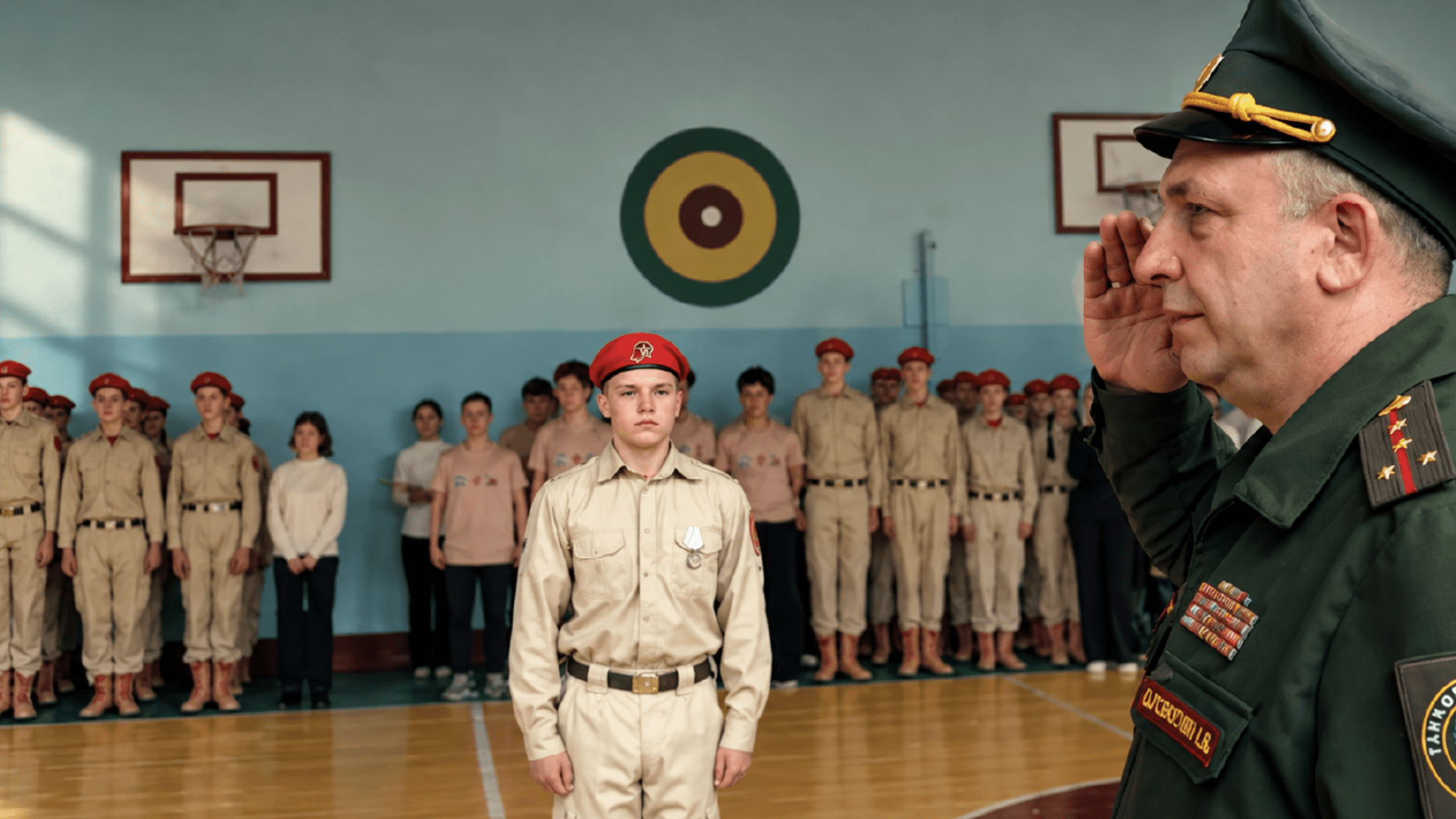
The Ukraine War Archive has released a new documentary, Children. How Russia Teaches to Fight, examining how Russian authorities and affiliated organizations seek to shape the identity of Ukrainian children living in temporarily occupied territories and prepare them for service in the Russian military.
The film premiered on the Ukraine War Archive’s YouTube channel and focuses on children who, according to the documentary, are being exposed to Russian propaganda, militarization, and efforts to erase their Ukrainian identity.
We bring you stories from the ground. Your support keeps our team in the field.
According to estimates cited in the press release, approximately 1.6 million children under the age of 18 currently live in Russian-occupied territories. Russian authorities have introduced educational programs aimed at integrating these children into Russian language and culture while imposing their own interpretation of history.
The documentary also examines the militarization of education. Schoolchildren are taught shooting, drone operation, and weapons handling, while meetings with Russian military personnel are regularly organized. During compulsory lessons titled “Conversations About Important Things,” children are presented with explanations of the war from Russia’s perspective.
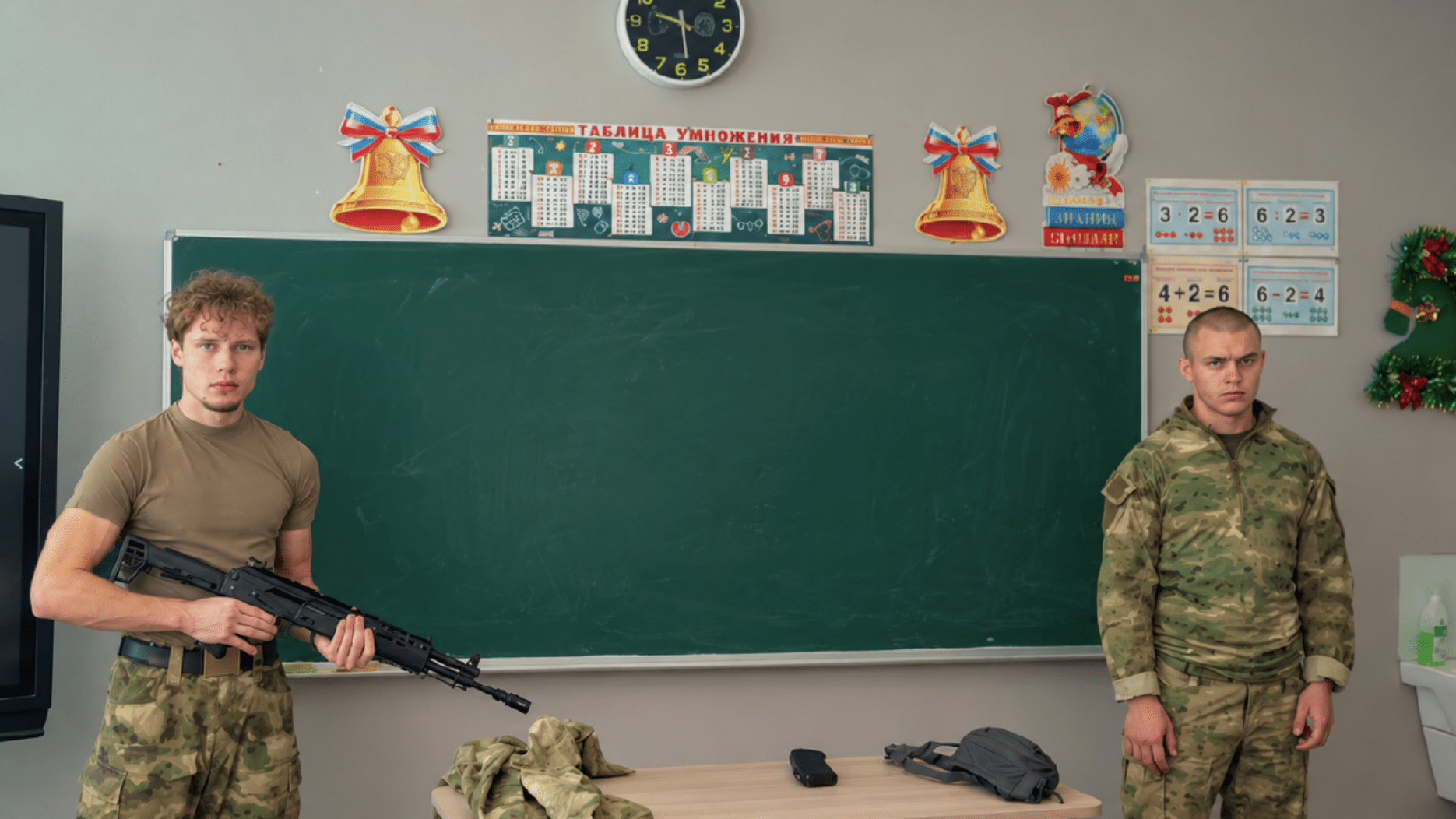
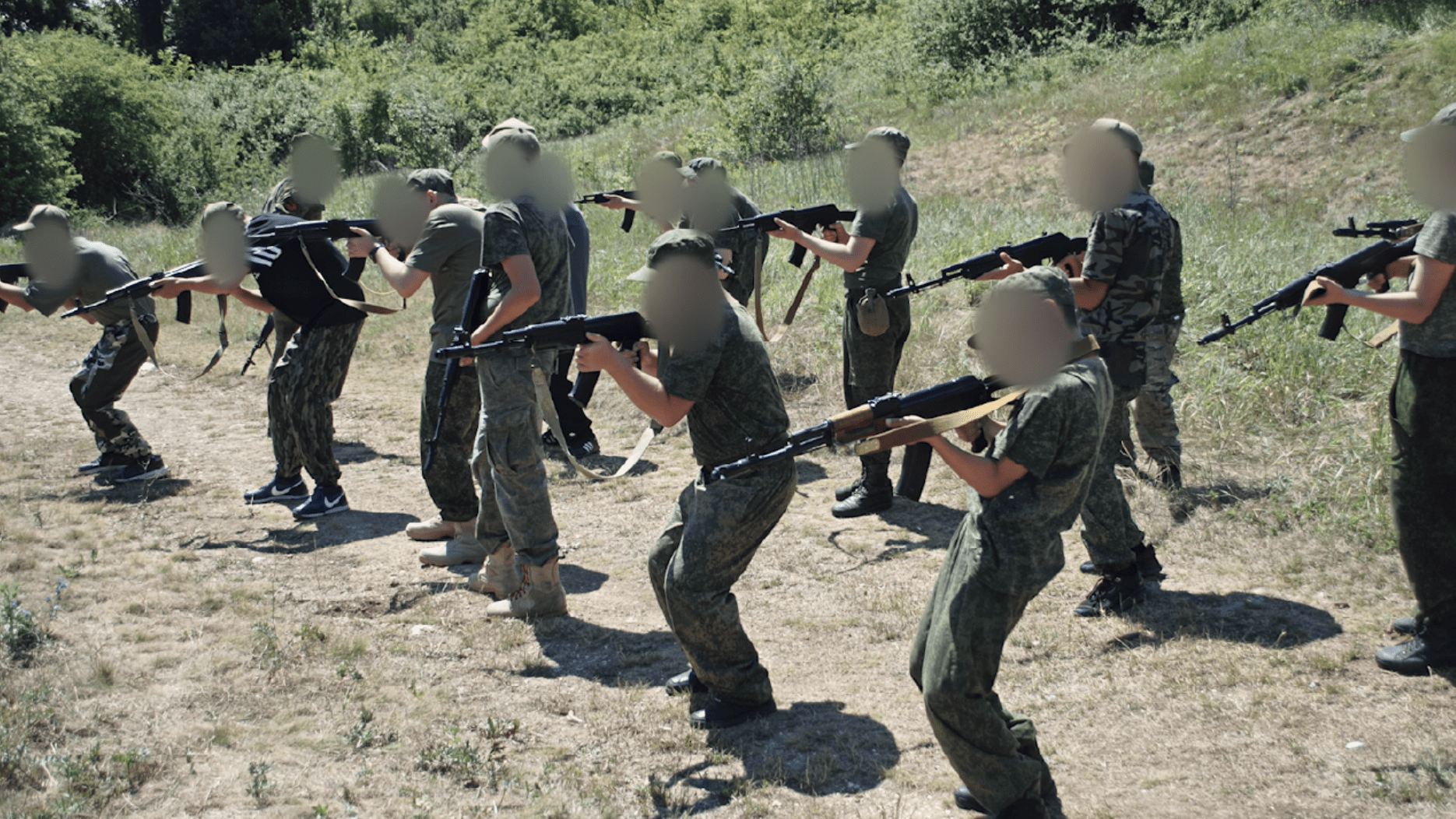
Outside schools, organizations including Yunarmiya, the Movement of the First, and the Eaglets of Russia continue similar activities. The press release states that the Movement of the First involves nearly 595,000 children in occupied territories, while Yunarmiya has approximately 48,000 members.
According to the documentary, participation in the Eaglets of Russia program is effectively mandatory, as refusal can affect children’s academic performance. Children who miss required activities may be registered for monitoring and referred to a psychologist, while their families can face scrutiny from Russian social services. Refusal to participate in “patriotic events” may also be classified as destructive or extremist behavior.
“Everything Russia is trying to do is to turn our fellow citizens, our children, into Russian soldiers who will later fight against their own country,” said Mariia Sulialina, a Ukrainian human rights activist and head of the Almenda Center for Civic Education, who received Sweden’s Civil Rights Defender of the Year award in 2024.
The film also examines the situation of young people who may be mobilized into the Russian military after reaching adulthood. The press release notes that many are unable to leave temporarily occupied territories because they do not have Ukrainian passports.
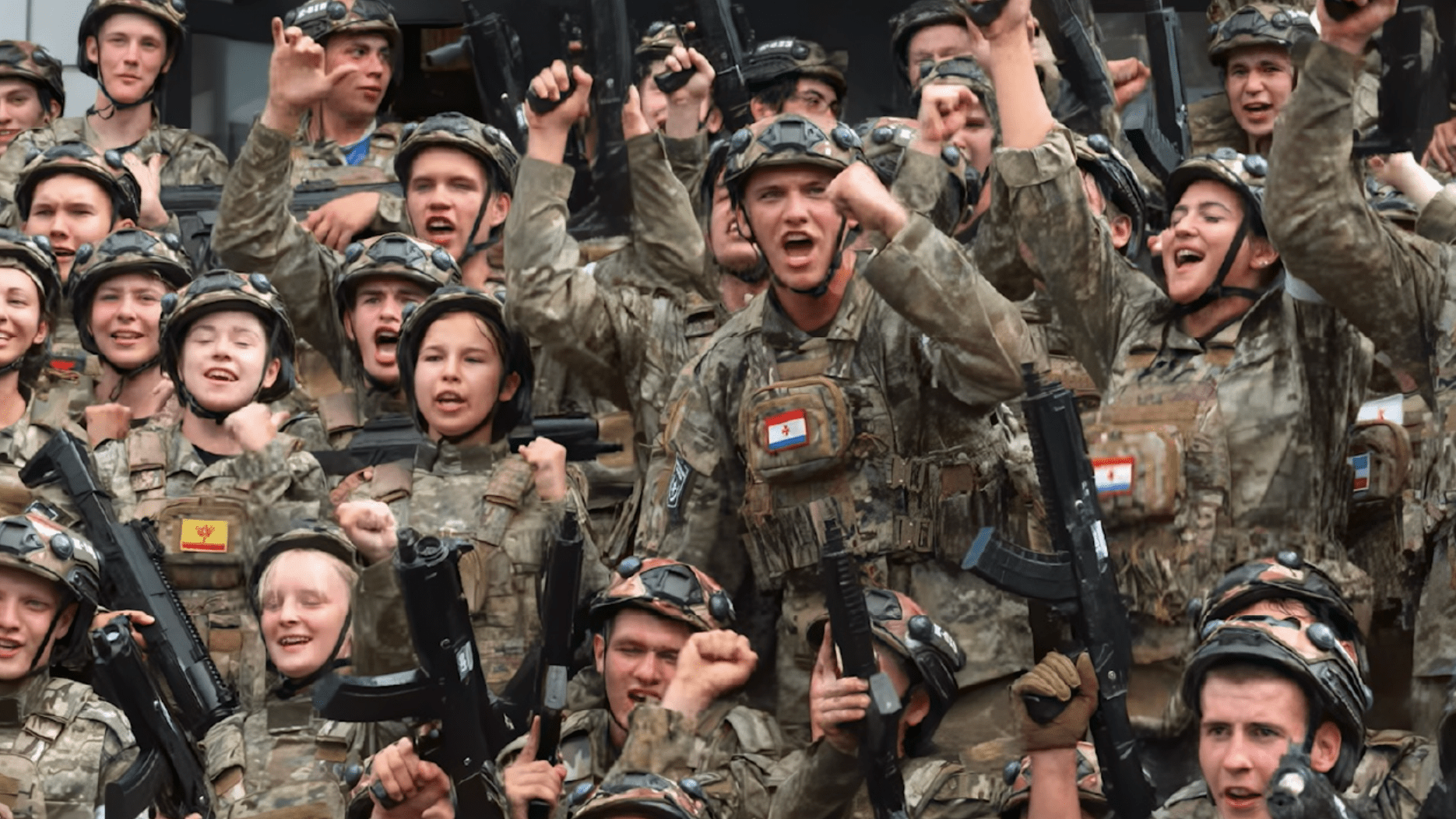
According to the filmmakers, this raises a broader question about how people who spent years under occupation can later continue their lives in a free Ukraine while preserving ties to the country and a sense of belonging to it.
The issue extends beyond children currently living under occupation. Ukraine has documented more than 20,000 cases of Ukrainian children unlawfully deported or forcibly transferred by Russia, according to figures presented at an international conference in Toronto that opened on September 28.
Ukraine’s Ministry of Foreign Affairs reported on September 29 that 2,644 children had been returned to Ukraine so far.
Discuss this article:

-477cdeea68329bdf23f4069b0fc0e8cd.jpg "Cassandra Saw War Coming. Now Her Story is Reimagined by a Ukrainian-Polish Theater Collaboration")
-2865137c7f83ccc2b728b2627d93a536.png "Photo of Daryna Udovenko")
-297f7682e47acca2c10a9ec2b55d1668.jpg "Ukrainian director Tanu Muiño. (Source: @tanumuino/Instagram)")