- Category
- Culture
Martin Scorsese Explains Why Serhii Parajanov’s “Shadows of Forgotten Ancestors” Reinvented Cinema
 Prefer U24 Media on Google
- Authors


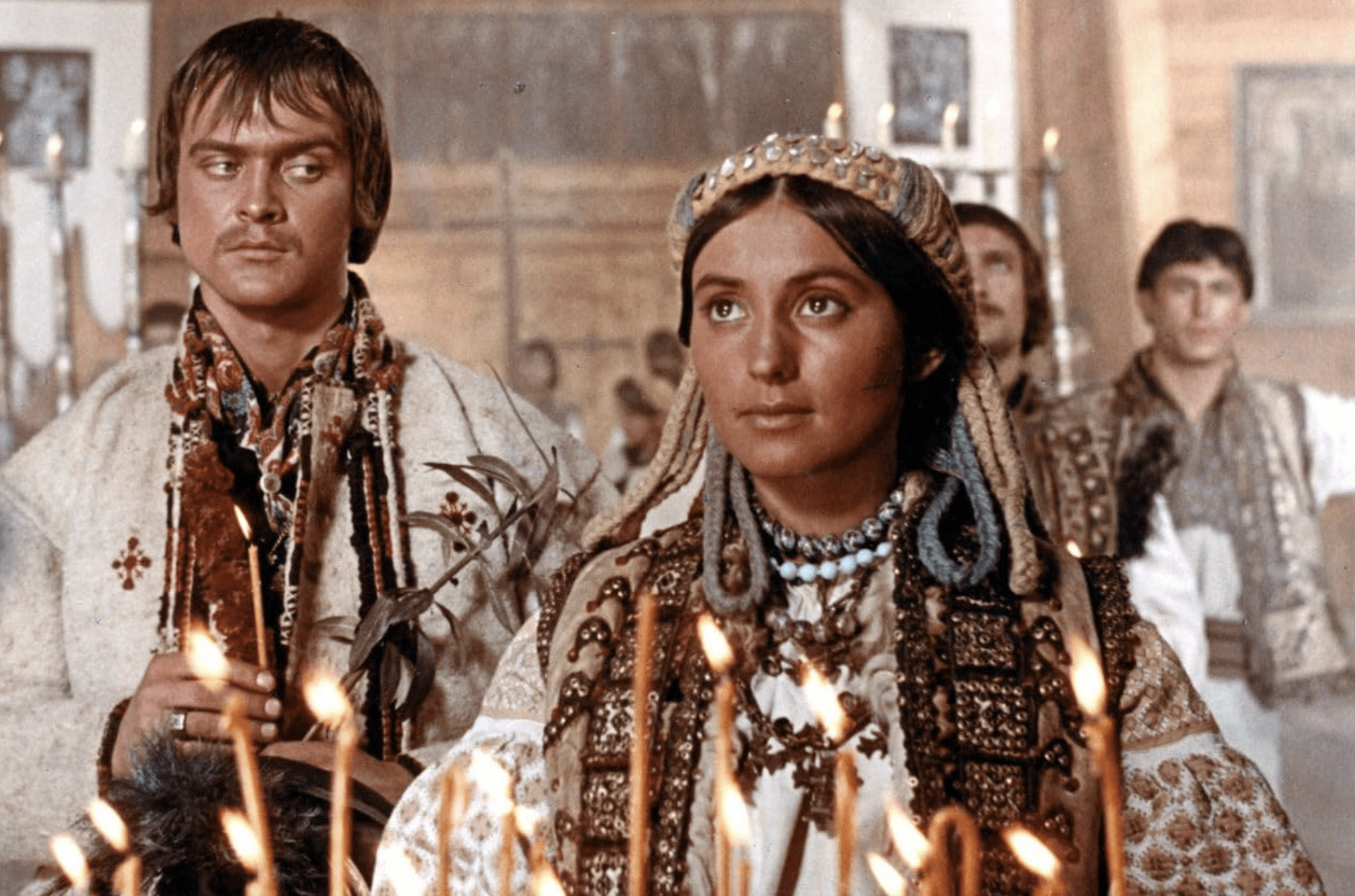
American filmmaker Martin Scorsese has praised Serhii Parajanov’s 1965 Ukrainian film Shadows of Forgotten Ancestors, highlighting its groundbreaking cinematography, portrayal of Hutsul culture, and the director’s resistance to Soviet censorship in a video published by The Criterion Collection on November 15.
In the video, titled “Reinventing Cinema with Every Shot”: Martin Scorsese on SHADOWS OF FORGOTTEN ANCESTORS, Scorsese reflected on Parajanov’s filmmaking legacy, emphasizing how the director developed a unique cinematic style that challenged established conventions.
We bring you stories from the ground. Your support keeps our team in the field.
“Parajanov was a filmmaker unlike any other and Shadows of Forgotten Ancestors was the real beginning of his life as a filmmaker,” Scorsese said.
According to Scorsese, the film marked a decisive turning point in Parajanov’s career, allowing him to move beyond the creative restrictions imposed by the Soviet film industry and establish his own artistic approach.
His artistic transformation came with the adaptation of Mykhailo Kotsiubynsky’s novel, a tragic love story set in Ukraine’s Carpathian Mountains. To prepare for the production, Parajanov spent a year immersing himself in the traditions and everyday life of the Hutsul people, studying their clothing, music, religious practices, customs, and surrounding landscape.
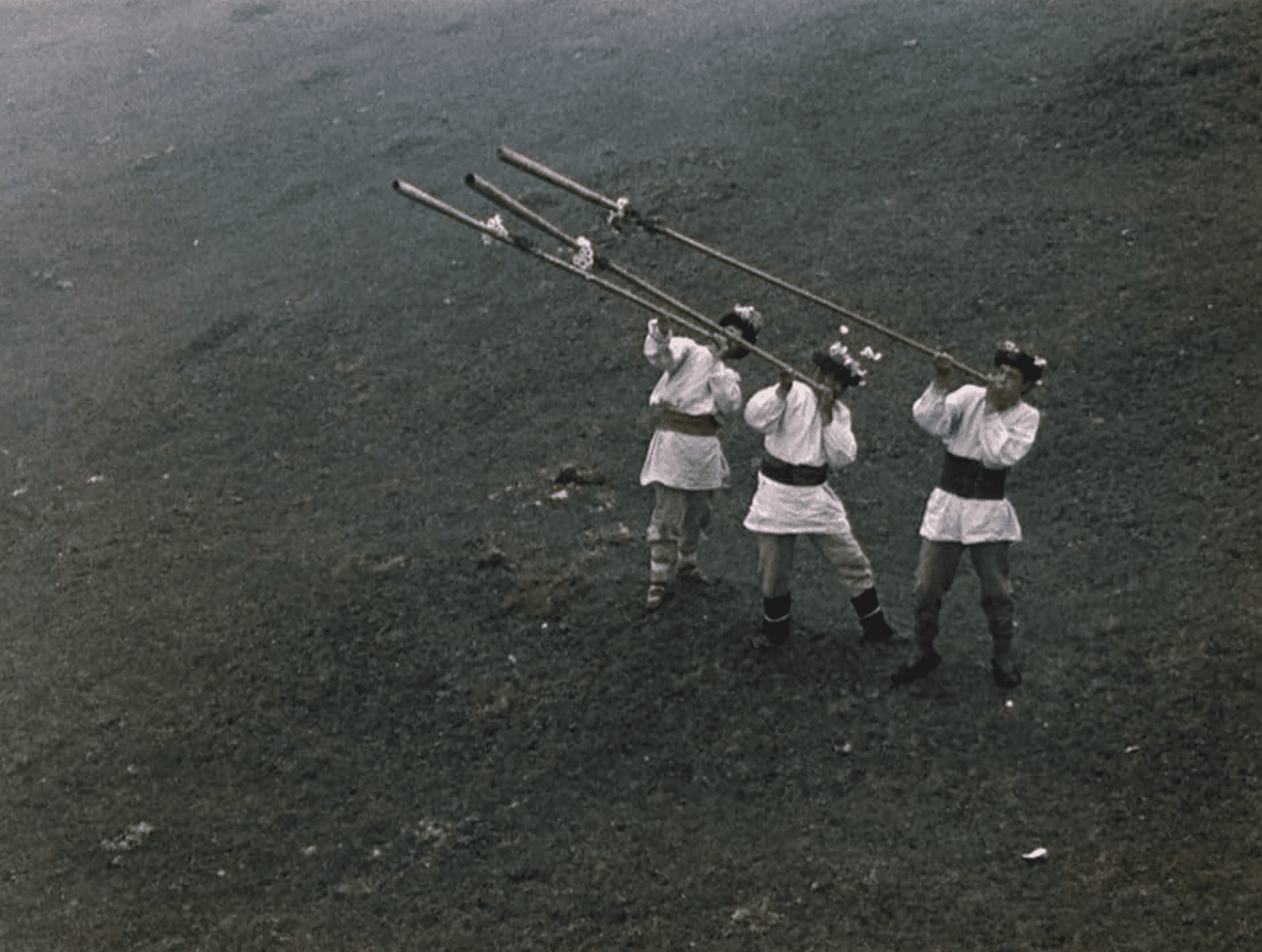
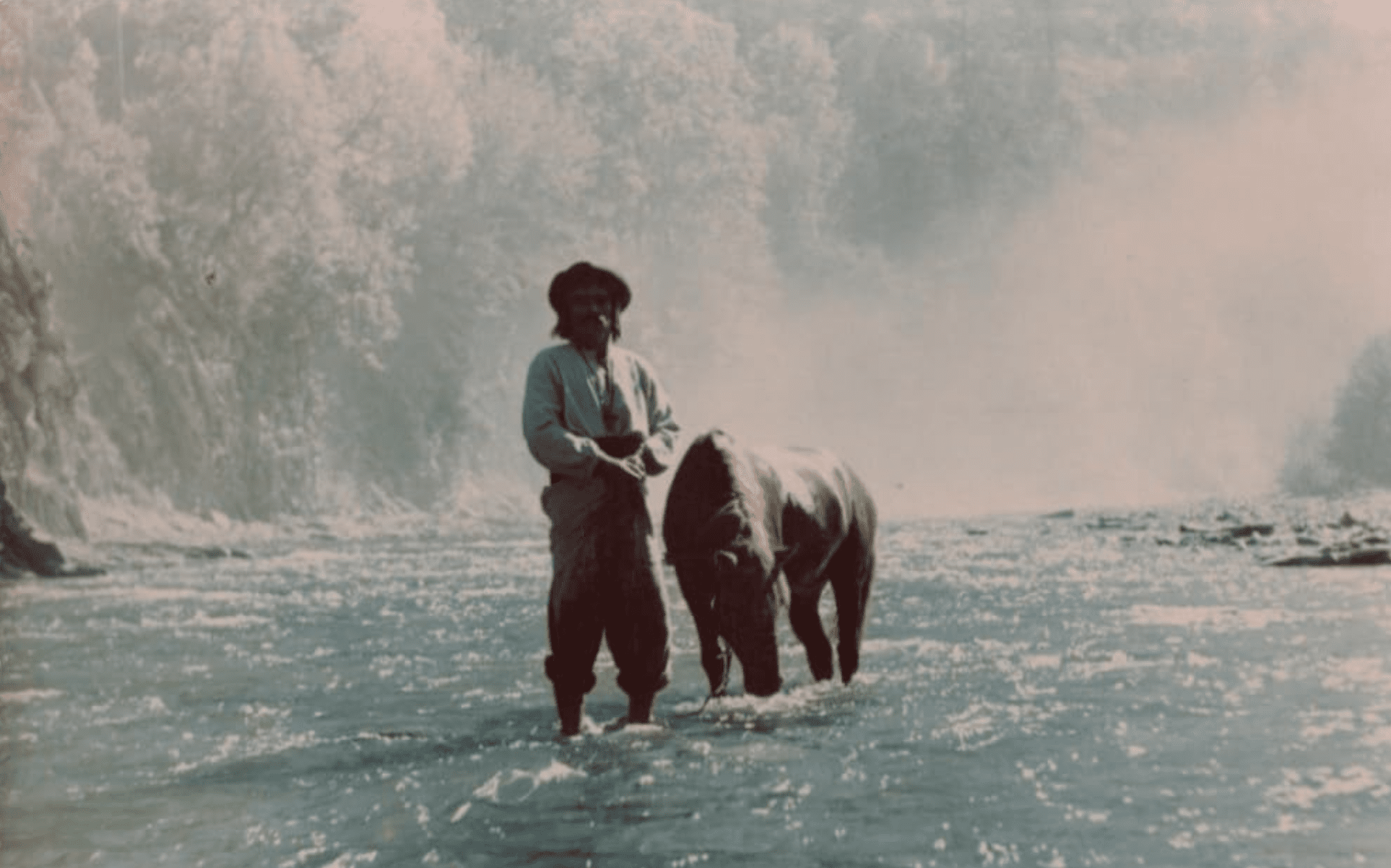
Scorsese emphasized that this extensive cultural research became central to the film’s visual identity, allowing Parajanov to create a cinematic world deeply rooted in the lives of the people it portrayed.
“The pictures just infused with the life of these people. And you can feel it in the body language, in the faces of the characters, and the way the light gleams on the wooden walls and the furniture and the snowscapes and the forest,” Scorsese said.
Scorsese also identified Parajanov’s innovative approach to cinematography as one of the film’s most significant achievements.
“In Shadows of Forgotten Ancestors, Parajanov and his brilliant cameraman Yuri Ilenko, they seem to be reinventing cinema with every shot. They're creating their own cinematic grammar from the inside out,” Scorsese said.
He further described the film’s visual storytelling as an immersive experience that moves beyond conventional narrative techniques.
“At times they literally hurl themselves into the flow of the story, creating a picture that's somewhere between a trance and a rapture,” he added.
Beyond his artistic achievements, Scorsese also addressed the challenges Parajanov faced while developing his distinctive filmmaking style under Soviet rule. According to the director, Parajanov repeatedly clashed with studio officials over various aspects of Shadows of Forgotten Ancestors, including its budget and demands to produce a Russian-language dialogue track.
“Parajanov refused to compromise on every part. The actors were not only speaking Ukrainian but a very particular Hutsul dialect,” Scorsese said.
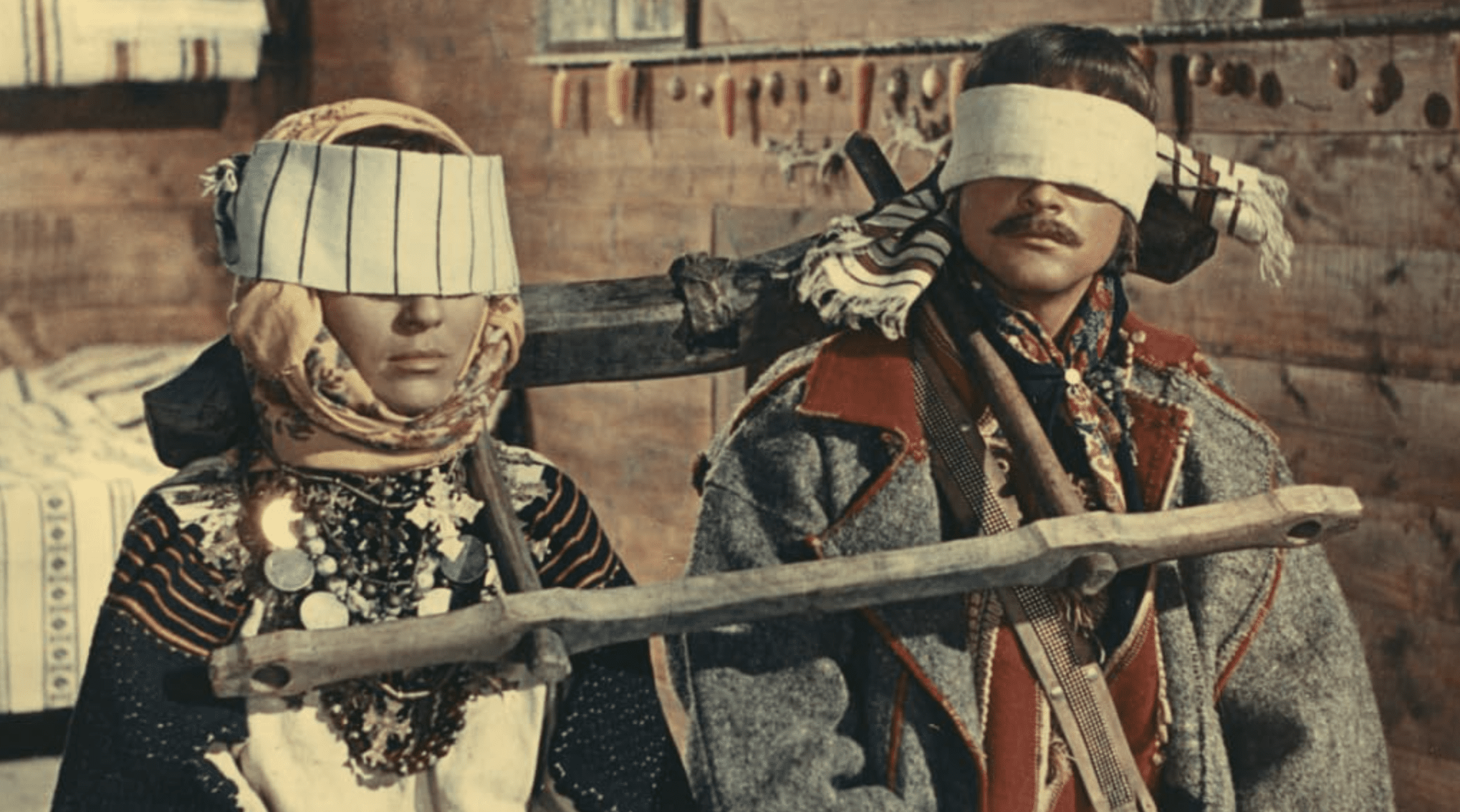
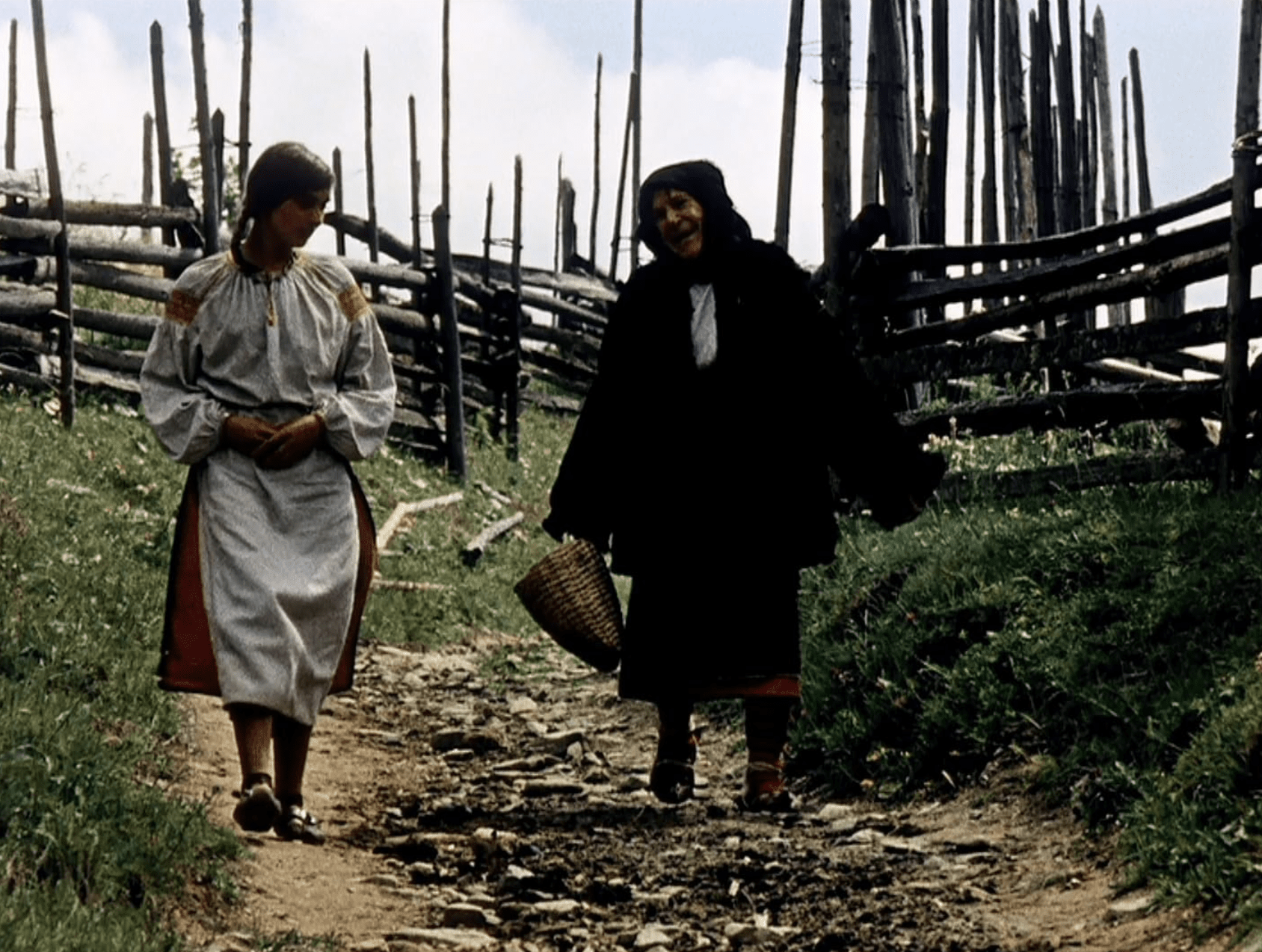
Despite these disputes, the film received widespread recognition following its release in 1965, earning acclaim among Ukrainian audiences and international filmmakers, critics, and cinema enthusiasts. Its success, however, was followed by increasing pressure on Parajanov from Soviet authorities.
In 1973, the filmmaker was arrested on charges widely regarded as fabricated and subsequently spent several years in prison. Scorsese recalled joining other international artists and filmmakers in campaigning for his release.
Parajanov was eventually freed in 1977 following an appeal by French writer Louis Aragon to Soviet leader Leonid Brezhnev. He was briefly imprisoned again in the early 1980s but continued pursuing his artistic vision through drawings, collages, and the two feature films he completed before his death in 1990.
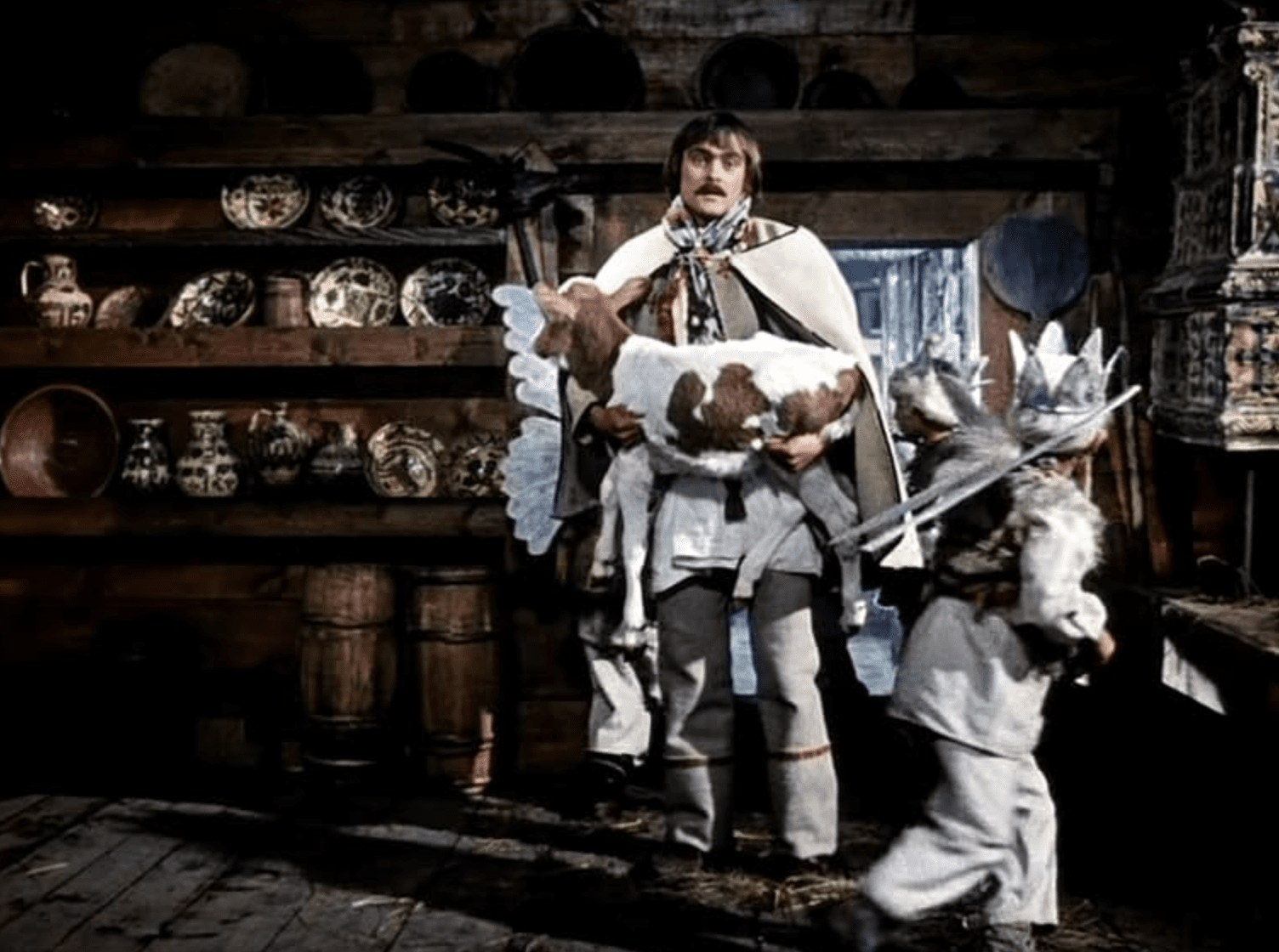
Reflecting on the filmmaker’s enduring creativity, Scorsese emphasized that Parajanov never abandoned his commitment to artistic experimentation.
“His child's adventure never ended,” Scorsese concluded.
Meanwhile, the legacy of Shadows of Forgotten Ancestors has also been affected by Russia’s ongoing attacks on Ukraine. During a June 15 strike on Kyiv, the Dovzhenko Film Studio in the city’s Shuliavka district was hit twice, destroying Ukraine’s oldest and largest collection of film costumes.
Andrii Donchyk, CEO of the Oleksandr Dovzhenko National Film Studio, confirmed the destruction, saying the collection had contained approximately 100,000 costumes and around three million individual garments.
According to Donchyk, the losses included costumes used in Shadows of Forgotten Ancestors, alongside other wardrobe pieces and artifacts of significant cultural and historical value.
Discuss this article: