- Category
- Culture
Russia’s Attacks Leave 2,185 Ukrainian Heritage Sites and 2,686 Cultural Institutions Damaged or Destroyed
 Prefer U24 Media on Google
- Authors


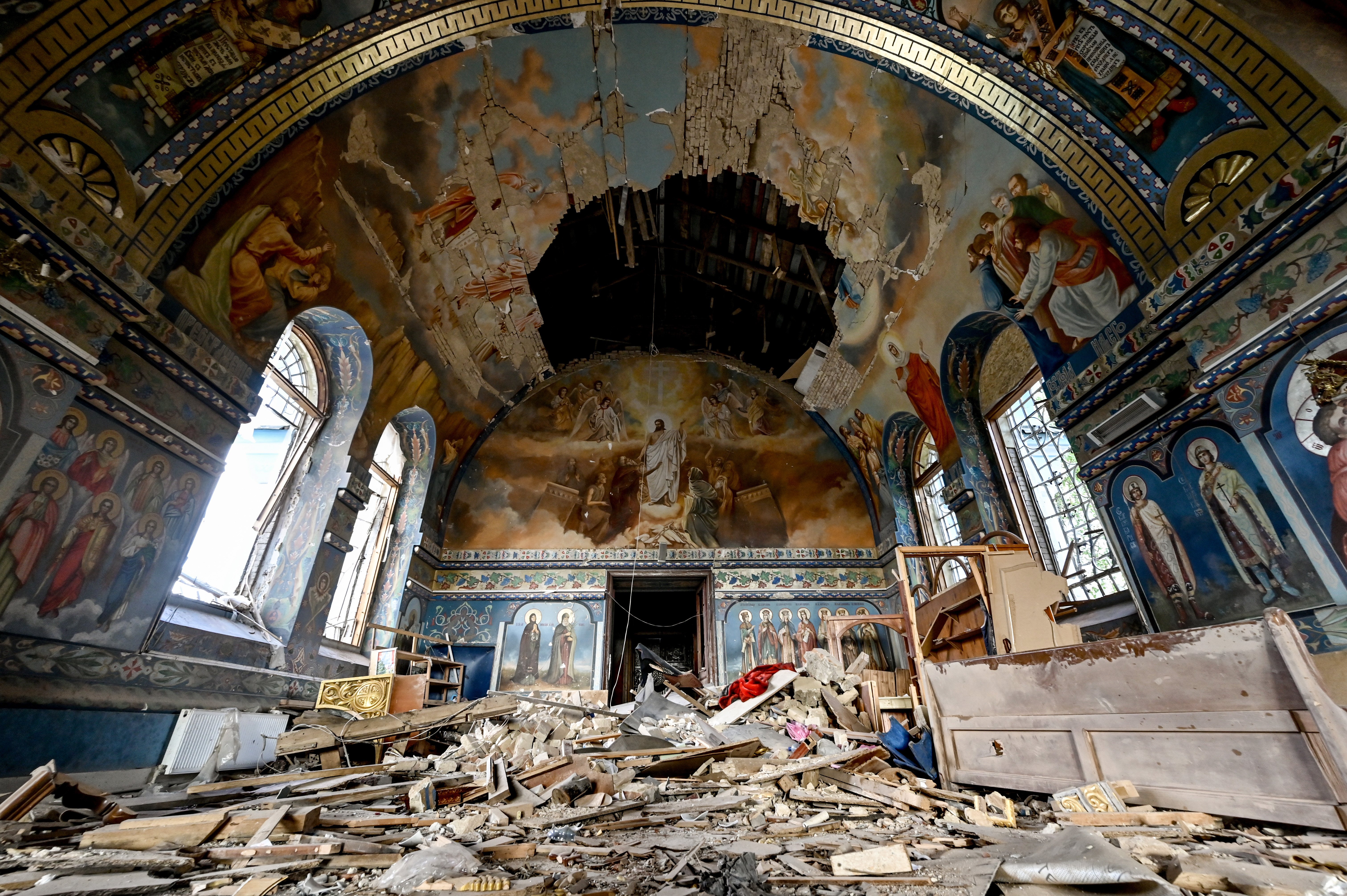
Russian attacks have damaged 2,185 cultural heritage sites and 2,686 cultural institutions across Ukraine as of the end of October 2026, according to Ukraine’s Ministry of Culture on November 5.
In its latest assessment, the ministry reported that Russian forces damaged an additional 24 cultural heritage sites and 21 cultural institutions during October alone, highlighting the continued destruction of Ukraine’s cultural infrastructure.
We bring you stories from the ground. Your support keeps our team in the field.
Of the 2,185 affected heritage sites, 199 are monuments of national significance, 1,781 are of local significance, and 205 are newly identified cultural heritage sites. According to the ministry, 48 monuments have been completely destroyed, while the remaining sites have sustained varying degrees of damage.
The Donetsk region has recorded the highest number of damaged cultural heritage sites, with 369 affected locations, followed by the Kharkiv region with 355, the Kherson region with 308, Kyiv with 292, and the Odesa region with 215.
During October, additional strikes damaged cultural heritage sites in the Dnipropetrovsk, Kirovohrad, Sumy, Odesa, Chernihiv, Kherson, and Poltava regions, as well as in Kyiv.
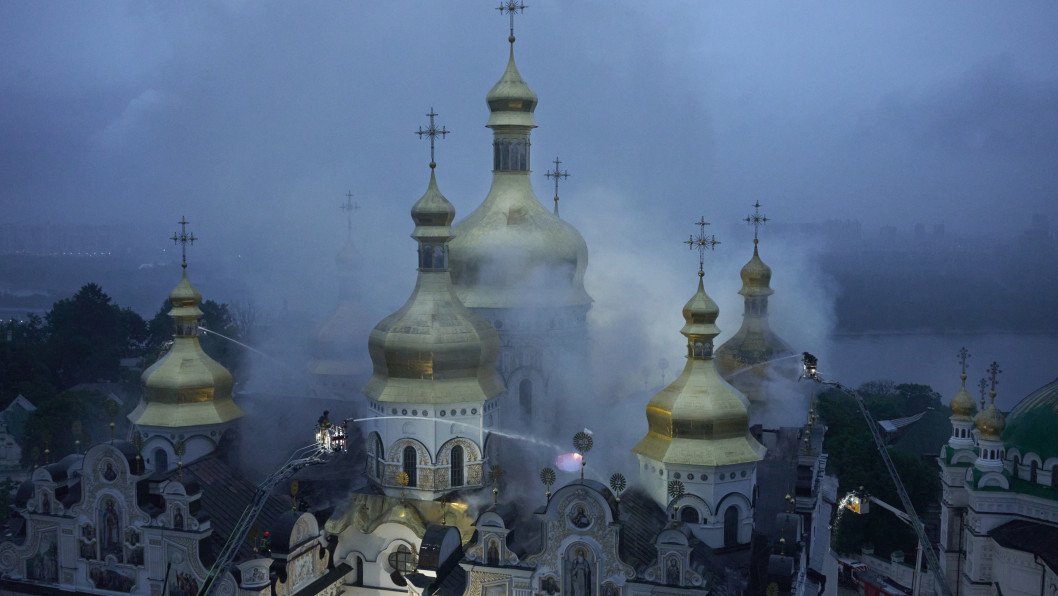
Russian forces also repeatedly targeted heritage sites that had already sustained damage, particularly in the Donetsk and Kherson regions and the Ukrainian capital.
The ministry emphasized that repeated attacks create additional challenges for preservation efforts, as specialists must conduct new inspections after each strike, document the damage, and determine urgent measures to prevent further deterioration.
Deputy Prime Minister for Humanitarian Policy and Minister of Culture Tetiana Berezhna stressed the importance of protecting damaged historical buildings ahead of winter.
“Russia continues to attack Ukrainian cultural heritage sites, including those that have already sustained damage. After each strike, specialists must inspect the buildings again, document the damage, and determine urgent measures to preserve them. Ahead of winter, it is particularly important to promptly repair damaged roofs and windows and protect structures from moisture and freezing temperatures. These efforts require resources, professional expertise, and sustained support from partners,” Tetiana Berezhna said.

Particular attention is being given to monuments located within UNESCO World Heritage properties and their buffer zones.
In October, Russian attacks damaged buildings within the UNESCO-listed Historic Centre of Odesa, adding to concerns over the preservation of internationally recognized cultural heritage.
Beyond historical monuments, Russian aggression has also caused extensive damage to Ukraine’s broader cultural infrastructure. According to the ministry, 2,686 cultural institutions have been damaged or destroyed since the beginning of Russia’s aggression, including 572 facilities that have been completely destroyed.
The destruction has affected cultural infrastructure in 365 territorial communities across Ukraine, disrupting access to cultural and educational institutions.

Community cultural centers and clubs account for the largest share of affected facilities, with 1,336 damaged or destroyed buildings.
The ministry also recorded damage to 923 libraries, 200 arts education institutions, 142 museums and galleries, and 57 theaters, cinemas, and philharmonic halls. Other affected facilities include nine cultural and historical reserves, 15 parks and zoos, three circuses, and a film studio in Kyiv.
During October, the highest numbers of newly damaged cultural institutions were recorded in the Dnipropetrovsk, Kharkiv, and Chernihiv regions.
Repeated strikes against previously damaged facilities were also documented in the Donetsk, Kharkiv, Kherson, Chernihiv, and Sumy regions, further complicating efforts to restore cultural infrastructure.

Overall, the Donetsk, Kharkiv, Kherson, Sumy, Kyiv, and Zaporizhzhia regions have experienced the greatest losses to cultural infrastructure, according to the ministry.
However, the ministry warned that the actual scale of destruction may be greater, as access to cultural sites in Russian-occupied territories remains severely restricted.
“Accurate accounting of losses in temporarily occupied territories remains difficult. As of October 2026, almost the entire Luhansk region and significant parts of the Zaporizhzhia, Donetsk, and Kherson regions remain under temporary occupation,” the ministry stated.
The extensive physical destruction has also contributed to substantial financial losses across Ukraine’s cultural sector.
On July 9, Deputy Prime Minister for Humanitarian Policy and Minister of Culture Tetiana Berezhna said that Russia’s full-scale invasion had caused approximately $24 billion in direct and indirect losses to Ukraine’s cultural sector, citing estimates from the World Bank.
Discuss this article: