- Category
- Culture
Ukraine’s Legendary Virsky Dance Ensemble Brings “The Tale of the Twelve Months” to Europe in Historic First
 Prefer U24 Media on Google
- Authors


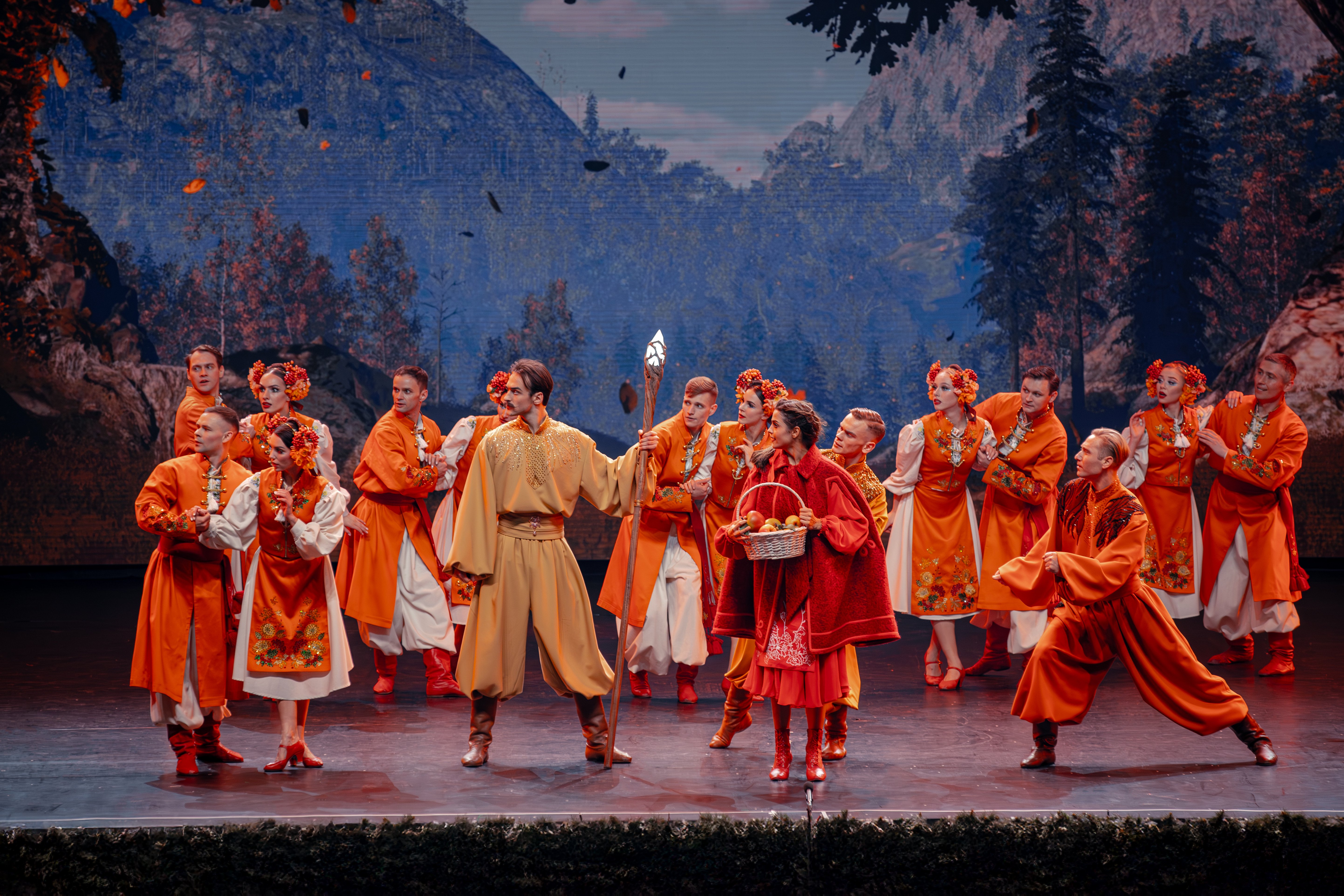
Ukraine’s Pavlo Virsky National Dance Ensemble is launching a European tour with its latest production, The Tale of the Twelve Months, marking the first full-length narrative dance performance in the ensemble’s nearly 90-year history.
Unlike the ensemble’s traditional repertoire of individual choreographic pieces, the new production uses dance as its primary storytelling medium, combining Ukrainian folk choreography with theatrical performance, original music, and contemporary stage design.
We bring you stories from the ground. Your support keeps our team in the field.
According to the press release, the performance is based on a traditional folk tale recorded by Czech writer Božena Němcová, which follows a young girl sent into a winter forest by her cruel stepmother to complete seemingly impossible tasks. There, she encounters twelve brothers representing the months of the year, who help her overcome the challenges.
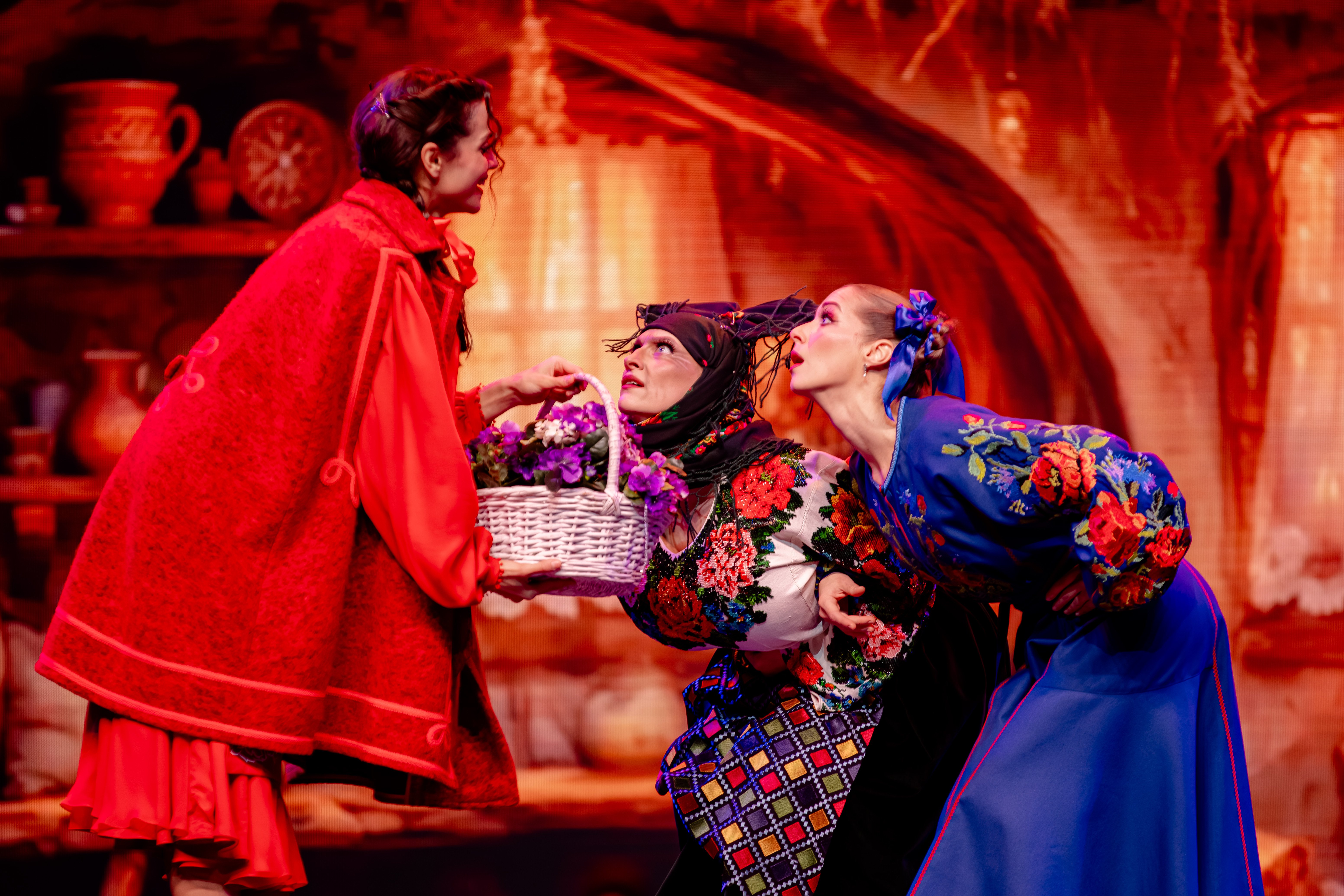
For the new production, the ensemble’s creative team has reimagined the story through a Ukrainian cultural perspective, introducing Marichka, a kindhearted and courageous young girl whose stepmother and stepsister repeatedly assign her impossible tasks.
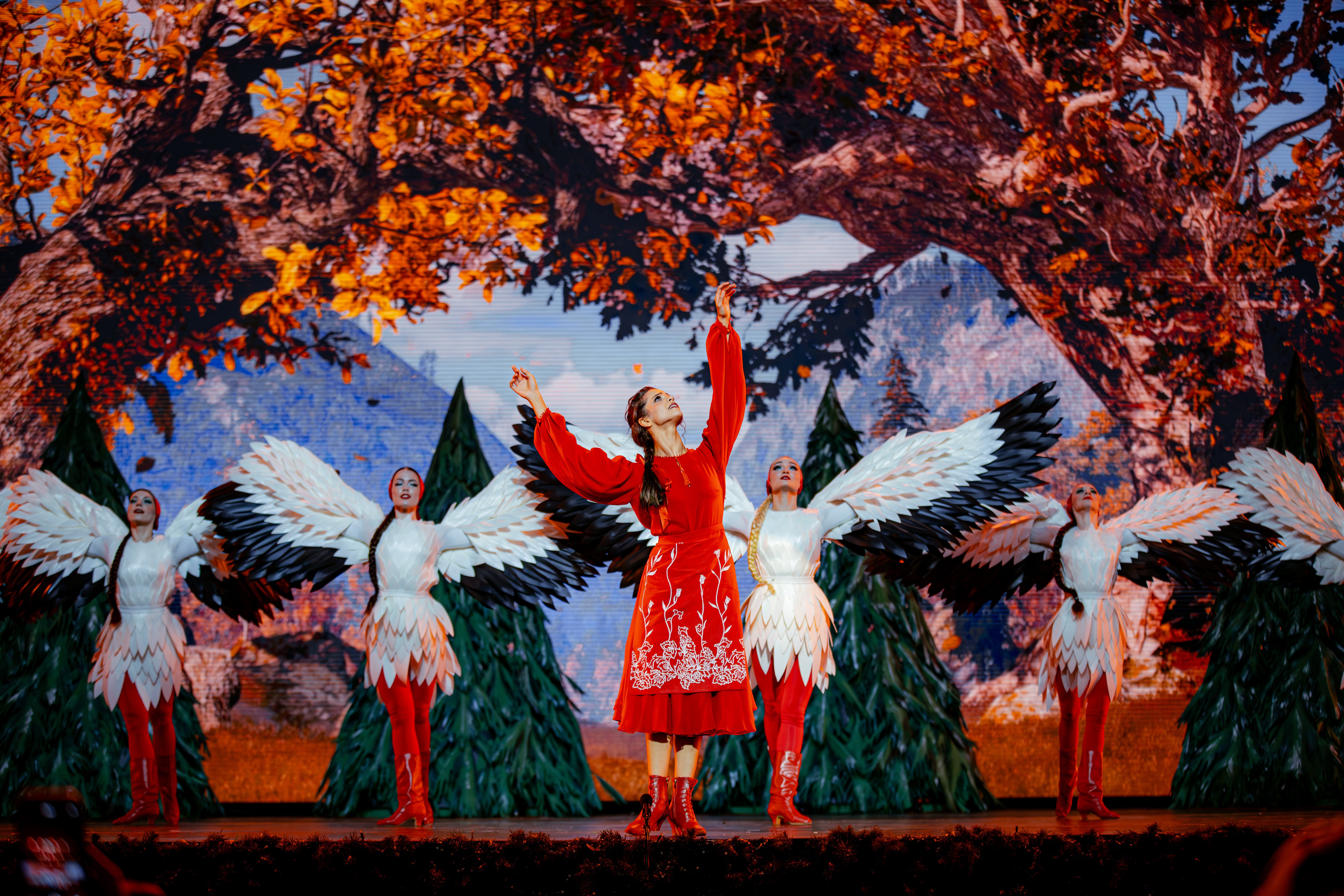
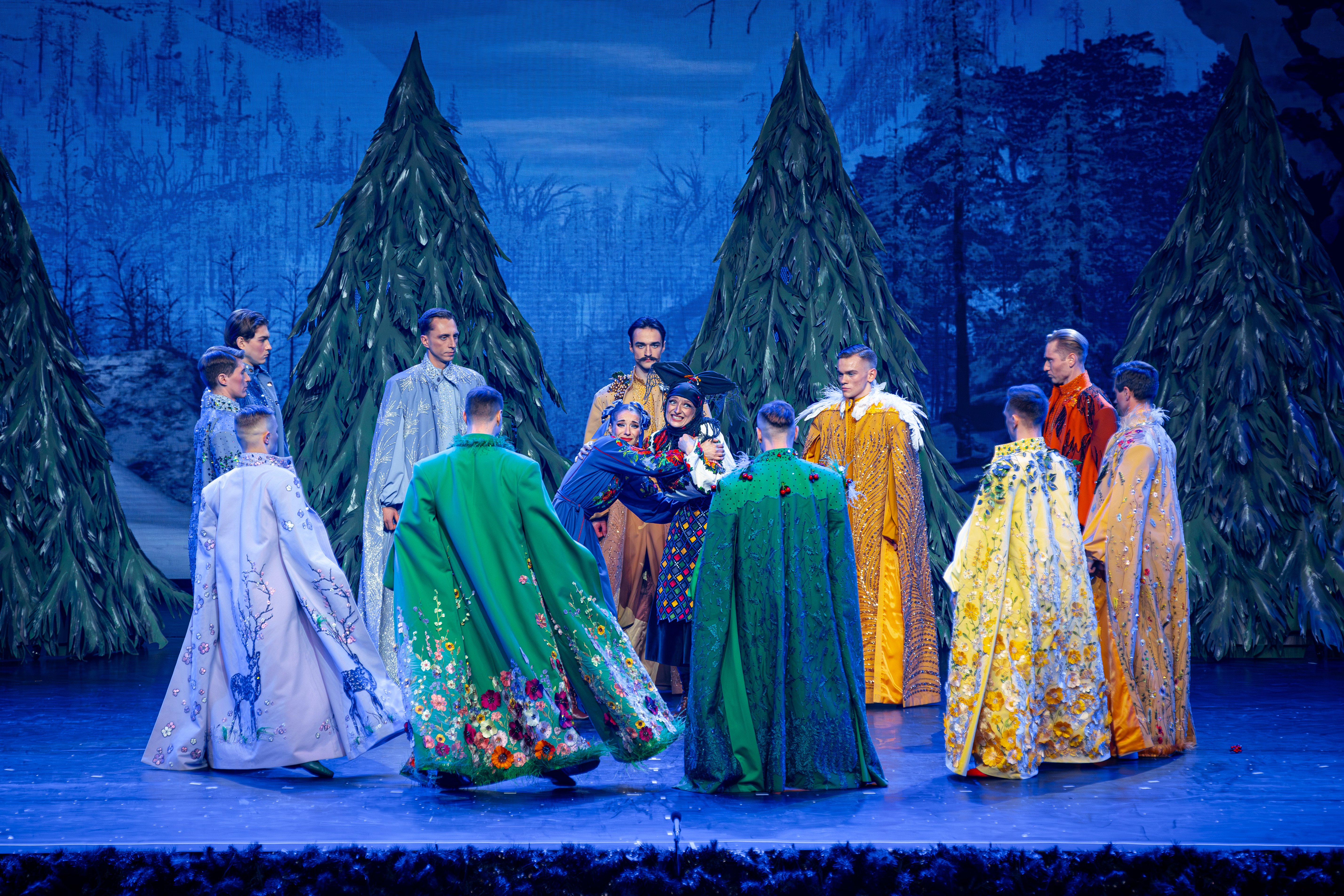
Each of the twelve Months is portrayed as a distinct character with an individual personality and choreographic style. The production also introduces forest dwellers and other fairy-tale characters who accompany Marichka through the changing seasons, using movement to convey the atmosphere and energy of each time of year.
According to Myroslav Vantukh, the ensemble’s director-general and artistic director, creating high-quality cultural productions during wartime is both a responsibility and an honor.
Vantukh emphasized that as Russia’s war continues to affect Ukrainian families, art remains an important means of maintaining emotional balance, offering hope, and demonstrating the strength of Ukrainian culture to international audiences.
The new performance represents a significant departure from the ensemble’s established artistic format, introducing a narrative structure in which choreography drives the story rather than serving as a sequence of individual dance numbers.
“The Tale of the Twelve Months is the ensemble’s first full-length narrative dance production, in which dance becomes not a series of individual performances but the very language of storytelling. For the dancers, this has opened up new creative possibilities: beyond their traditional choreographic vocabulary, they have had to master new acting transitions, expressive movement techniques, and character development throughout the narrative, while combining several dance styles simultaneously,” said Vantukh.
Vantukh also explained that one of the principal creative challenges was adapting a familiar story that has become part of the collective memory of several generations without losing its original spirit or turning it into a static reproduction.
Instead, the creative team drew inspiration from contemporary Ukrainian children, particularly their openness and desire for sincere storytelling.
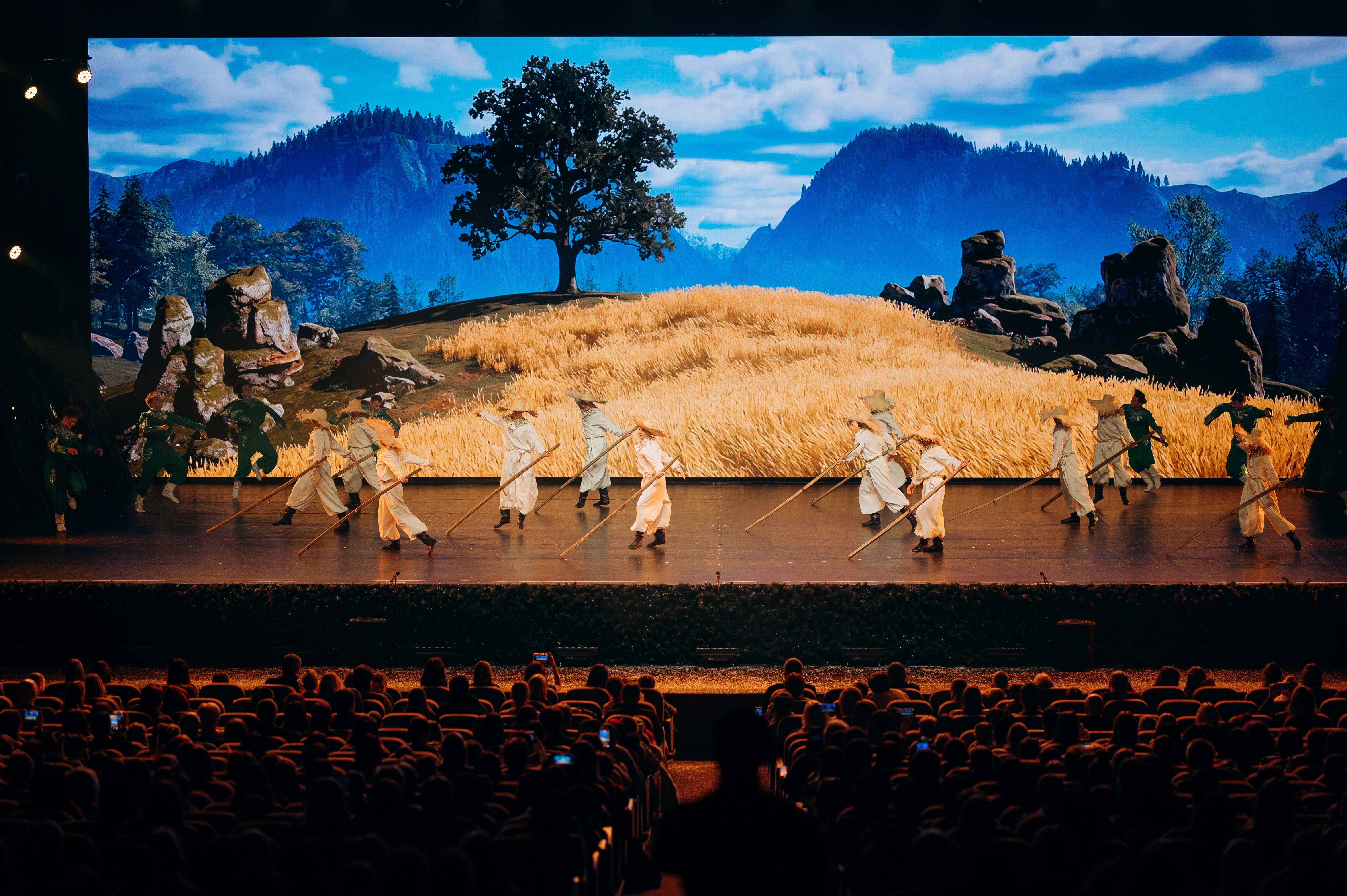
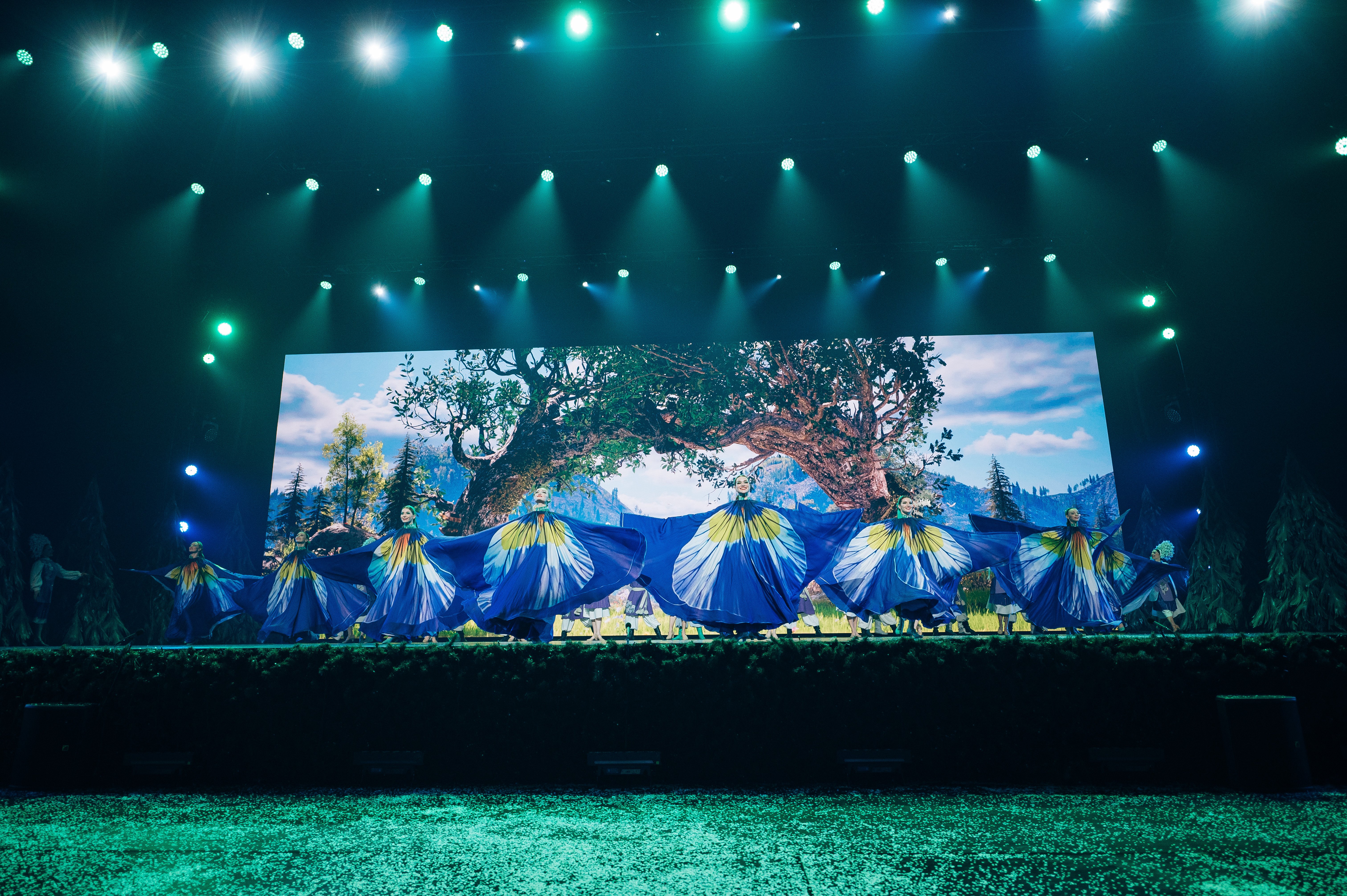
The production was conceived as an opportunity to tell a fairy tale entirely through dance while demonstrating the diversity, dynamism, and emotional expressiveness of Ukrainian choreography.
Ukrainian cultural influences are incorporated throughout the performance, from the rhythms of traditional folk dance and recognizable musical motifs to reinterpretations of national ornaments in the stage design. An original musical score combines Ukrainian-inspired melodies with modern arrangements, helping establish the personality and emotional development of each character.
Costumes also draw on traditional Ukrainian elements, presented through a contemporary visual approach that complements the production’s fairy-tale setting. More than 150 costumes were created specifically for the performance, reflecting the changing colors and imagery of the four seasons, from the first flowers of spring to the frost-covered patterns of winter.
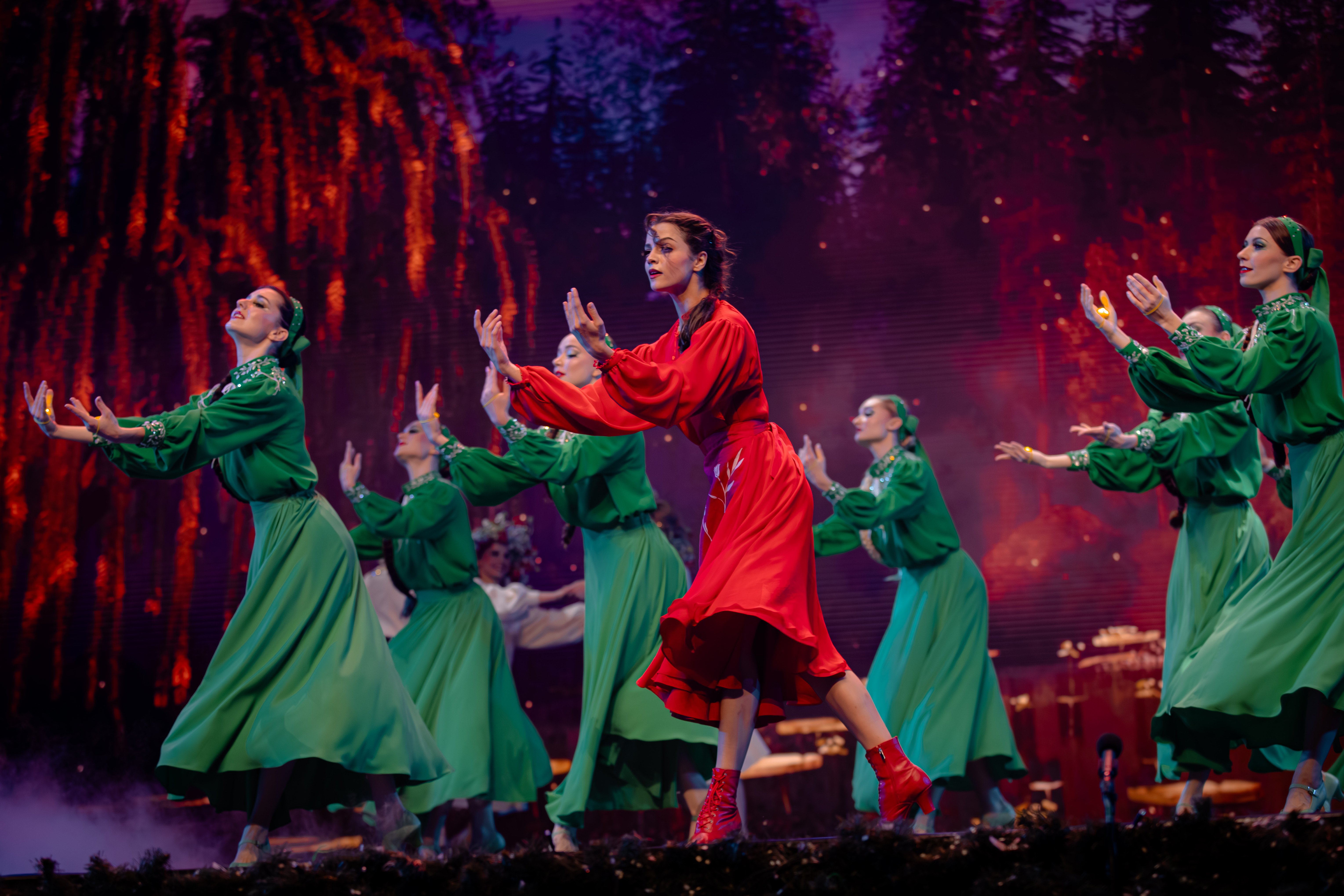
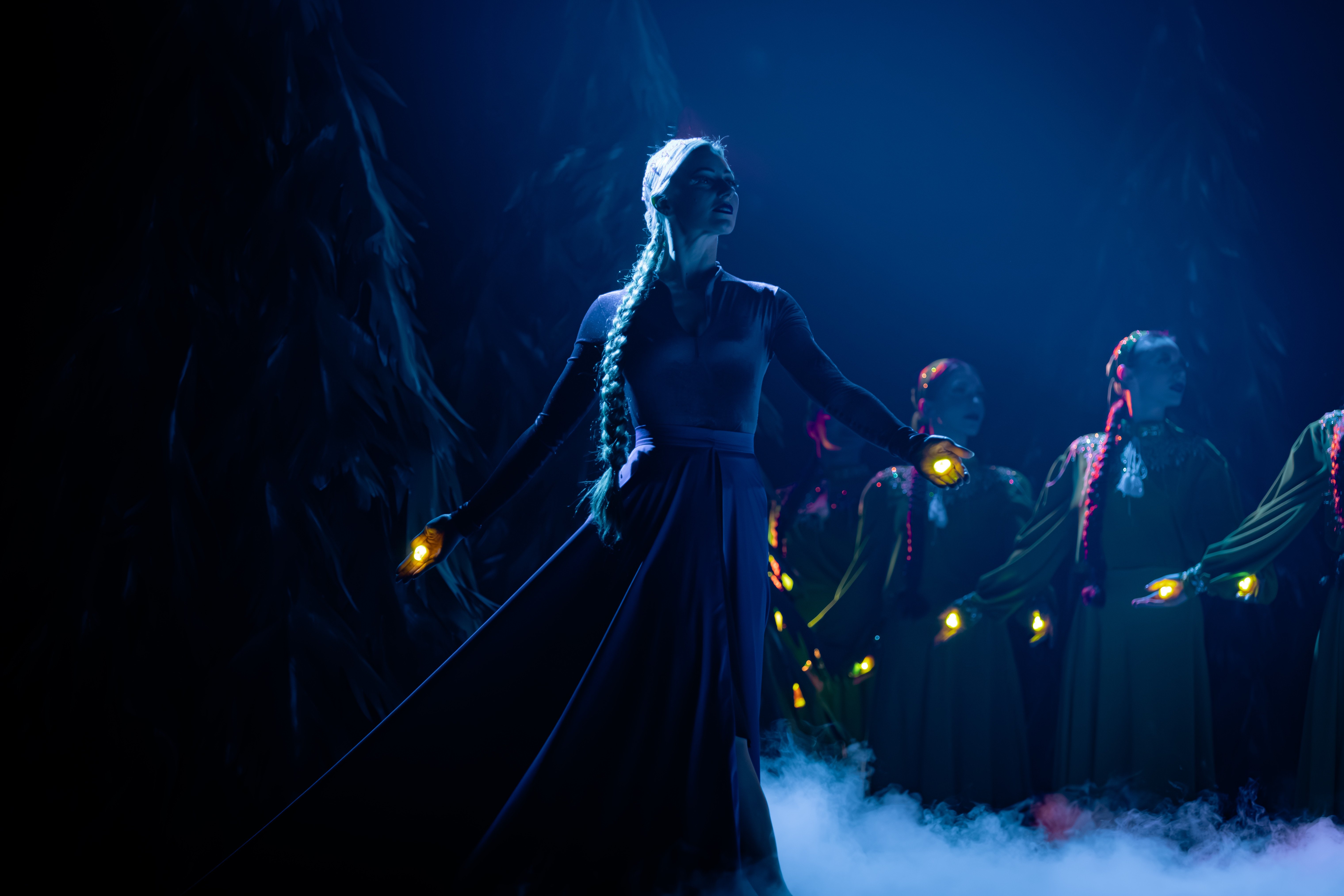
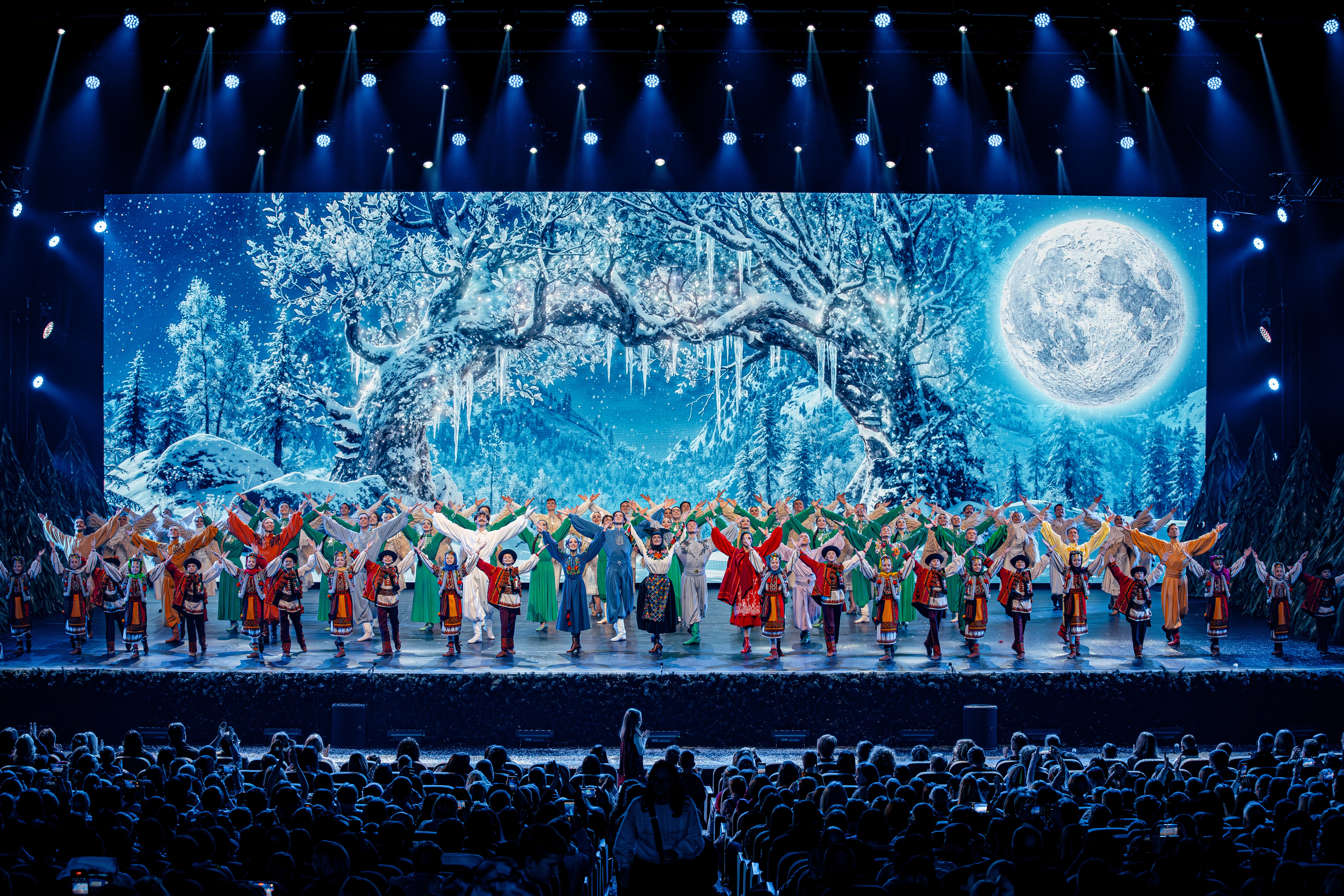
The production also incorporates large-scale visual effects designed to complement the choreography and reinforce the narrative. Dynamic video projections displayed on a large screen accompany the transitions between seasons, while carefully designed lighting creates distinct atmospheres for individual scenes.
The visual presentation shifts from soft spring colors to the icy glow of winter, creating an immersive stage environment that follows the characters through each chapter of the story.
According to the creative team, the production is intended to offer more than a festive theatrical spectacle. Its central themes include mutual support, confidence in one’s inner strength, and recognition of the value of different stages of life. Rather than communicating these ideas through dialogue, the ensemble seeks to convey them through movement, rhythm, and the performers’ physical expression.
The creative team also hopes the production will introduce audiences to Ukrainian cultural heritage as a living and evolving artistic tradition rather than something confined to the past.
Founded in 1937, the Pavlo Virsky National Dance Ensemble has become one of Ukraine’s most internationally recognized cultural institutions. Over nearly nine decades, the company has toured 92 countries, performing on major stages in cities including Paris, London, New York, and Tokyo.
Its performances have been attended by prominent international figures, including Queen Elizabeth II of the United Kingdom, Prince Albert II of Monaco, and former French President Jacques Chirac, as well as other heads of state and members of royal families.
Meanwhile, another Ukrainian cultural institution has recently brought a literary work to the stage, exploring the country’s history and national identity through theater.
Ukraine’s Lesya Ukrainka National Academic Drama Theater has adapted Anastasiia Levkova’s novel There Is Land Beyond Perekop into a theatrical production examining Crimea through personal memories, cultural identity, and the impact of Russia’s 2014 occupation of the peninsula.
The play premiered as part of a cultural and artistic project of the same name, implemented by the theater with support from the Ukrainian Cultural Foundation.
Discuss this article: