- Category
- Culture
Ukrainian Theater Revives Memories of Crimea in New Play About Russian Occupation and Crimean Tatar Identity
 Prefer U24 Media on Google
- Authors


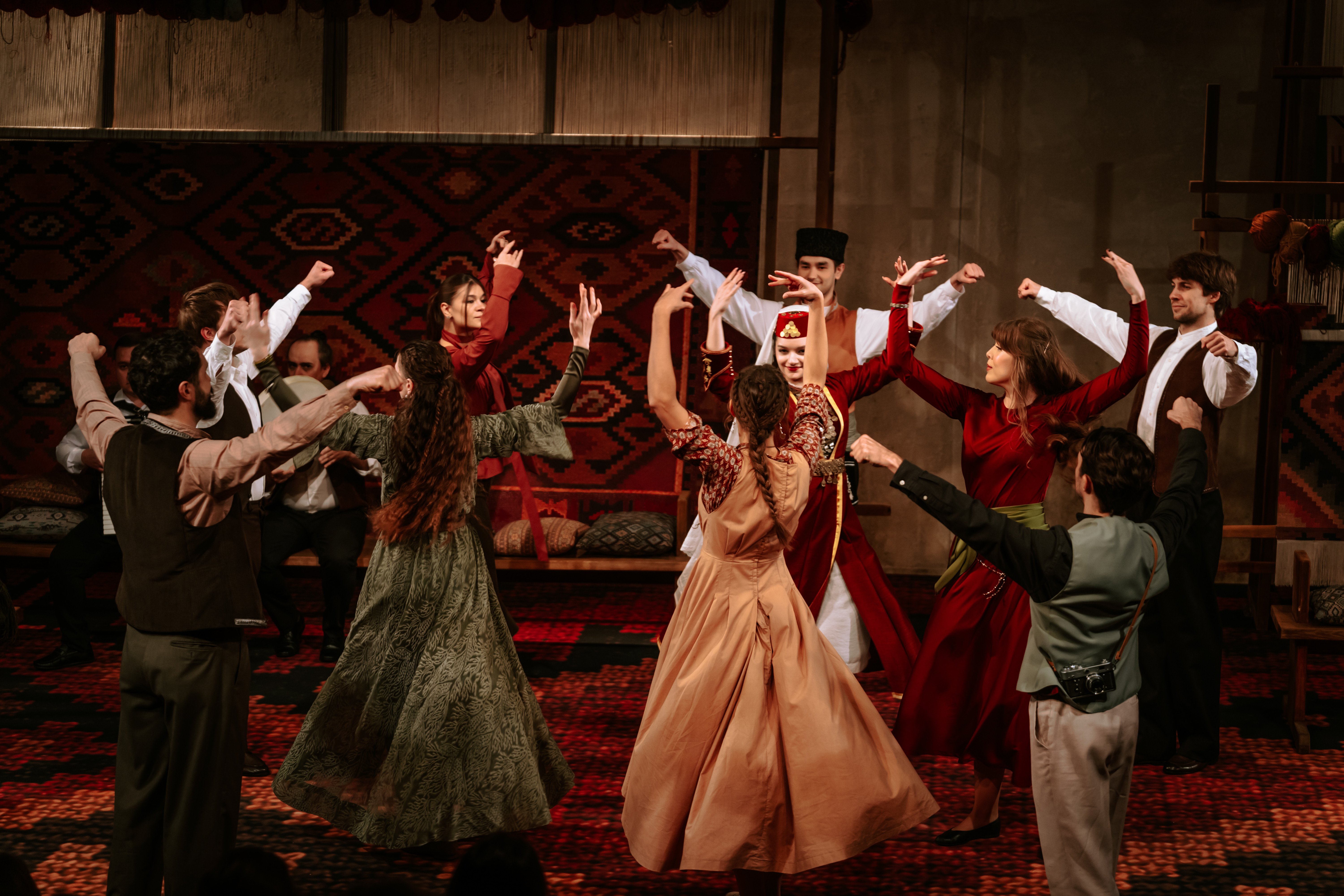
Ukraine’s Lesya Ukrainka National Academic Drama Theater has developed a stage adaptation of Anastasiia Levkova’s novel There Is Land Beyond Perekop, exploring Crimea through personal memories, cultural identity, and the history of Russia’s occupation of the peninsula in 2014.
The production premiered as part of a cultural and artistic project of the same name, implemented by the theater with support from the Ukrainian Cultural Foundation.
We bring you stories from the ground. Your support keeps our team in the field.
Beyond the theatrical performance, the initiative includes educational and artistic events aimed at deepening public understanding of Crimea, presenting different personal experiences, and examining the peninsula’s history through art.
At the center of the production is Crimea as a place of personal, family, and historical memory that persists despite geographical separation and political borders. Rather than presenting the peninsula merely as a geographical location, the performance explores its complex cultural landscape, where different languages, identities, perspectives, and experiences coexist.
The story follows a friendship that gradually becomes a means of discovering both another person's history and one's own. Through experiences of childhood, school, first love, and family disagreements, the narrative introduces audiences to Crimean Tatar culture, language, and collective memory, including the history of the deportation of Crimean Tatars.
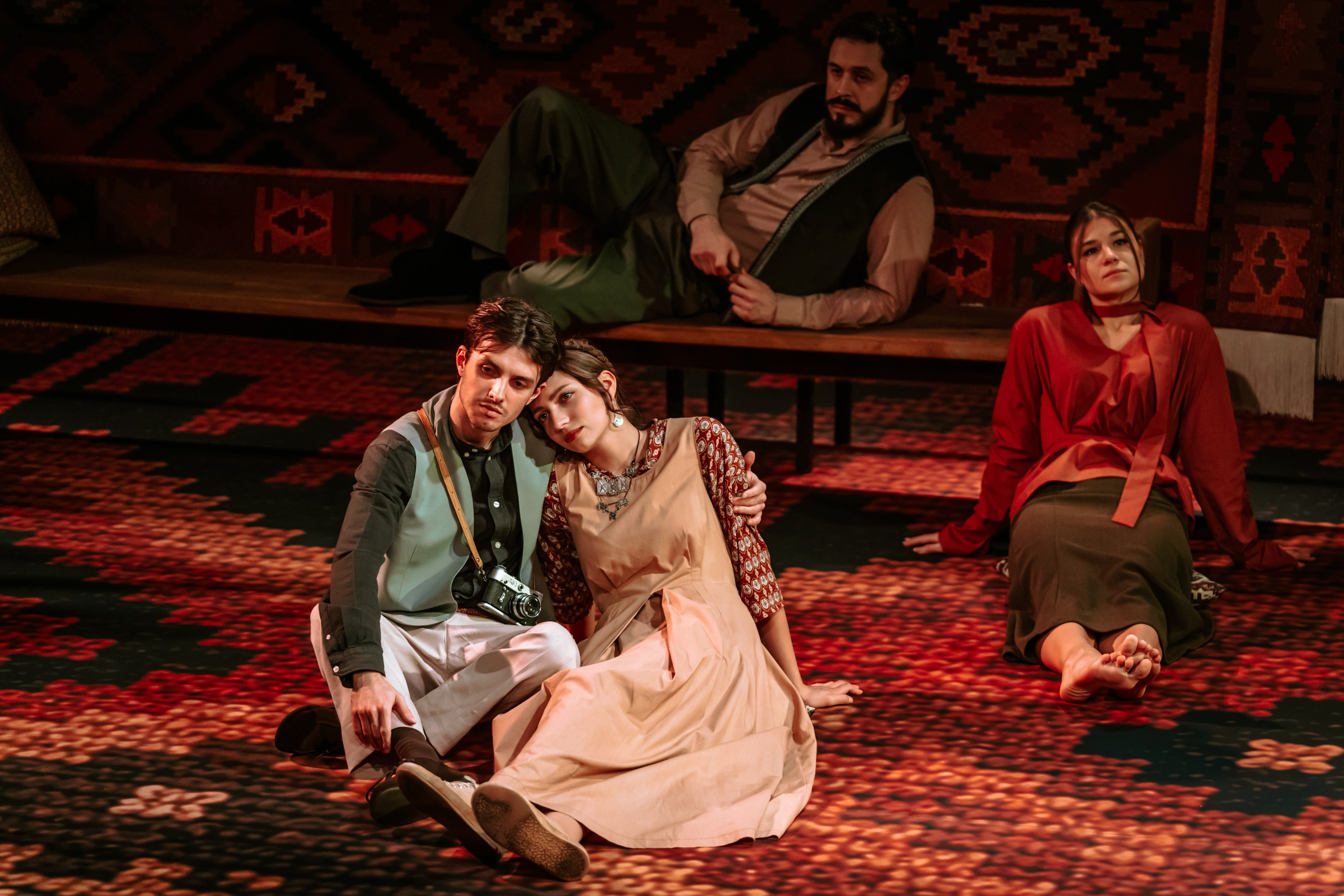
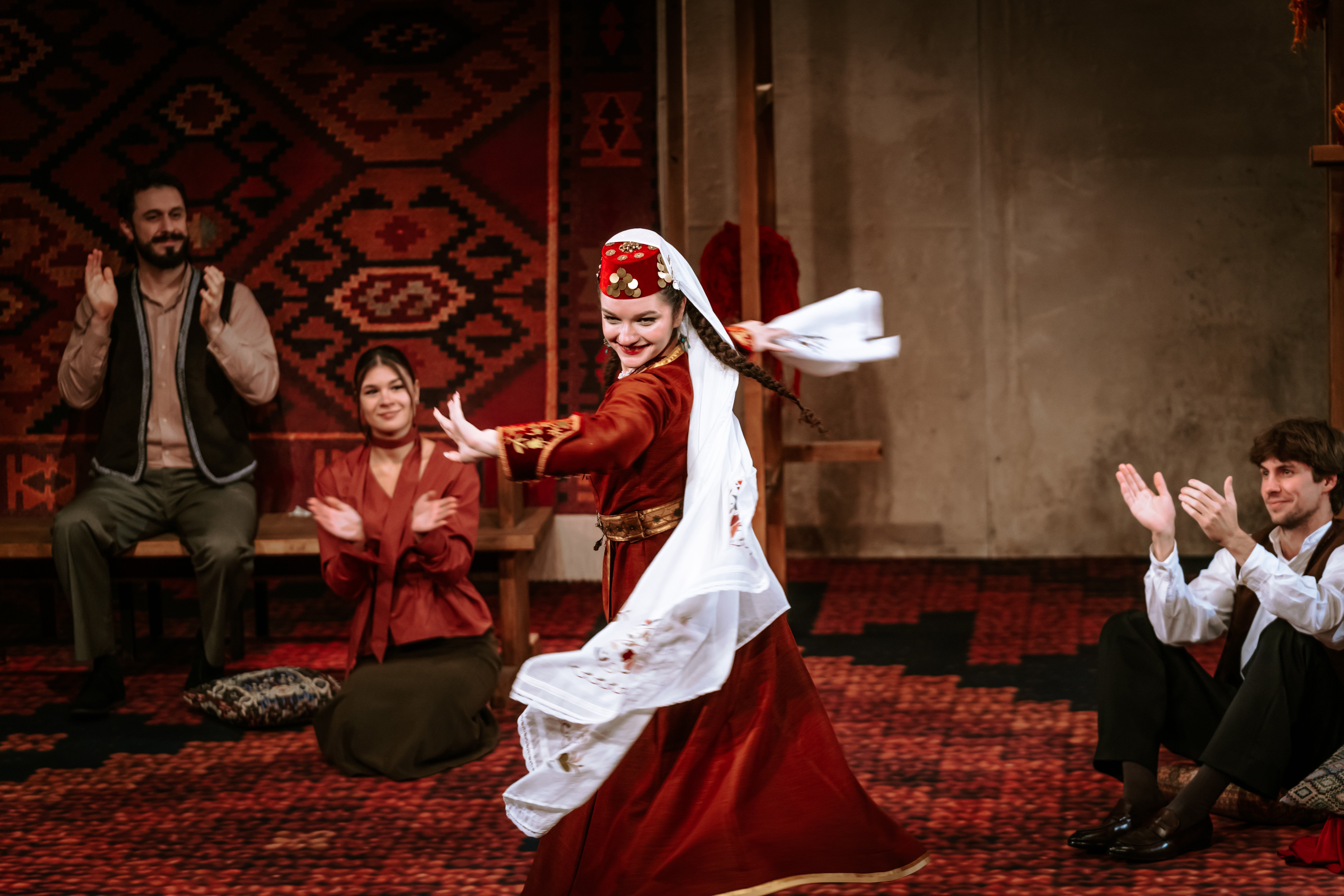
The stage adaptation and directorial concept, developed by Ihor Bilyts, combine three interconnected narrative elements that bring together fiction, public discussion, and historical documentation.
The first follows the storyline of Levkova’s novel, tracing the characters’ personal experiences and their evolving understanding of Crimea, its people, and its history.
The second introduces debates that transform the stage into a space for public discussion, encouraging audiences to move beyond passive observation. Through this interactive format, viewers are invited to take a position, question the perspectives presented, and share their own thoughts on the issues explored in the performance.
The third element incorporates documentary accounts of Russia’s occupation of Crimea in 2014, connecting the characters’ personal experiences with broader historical developments.
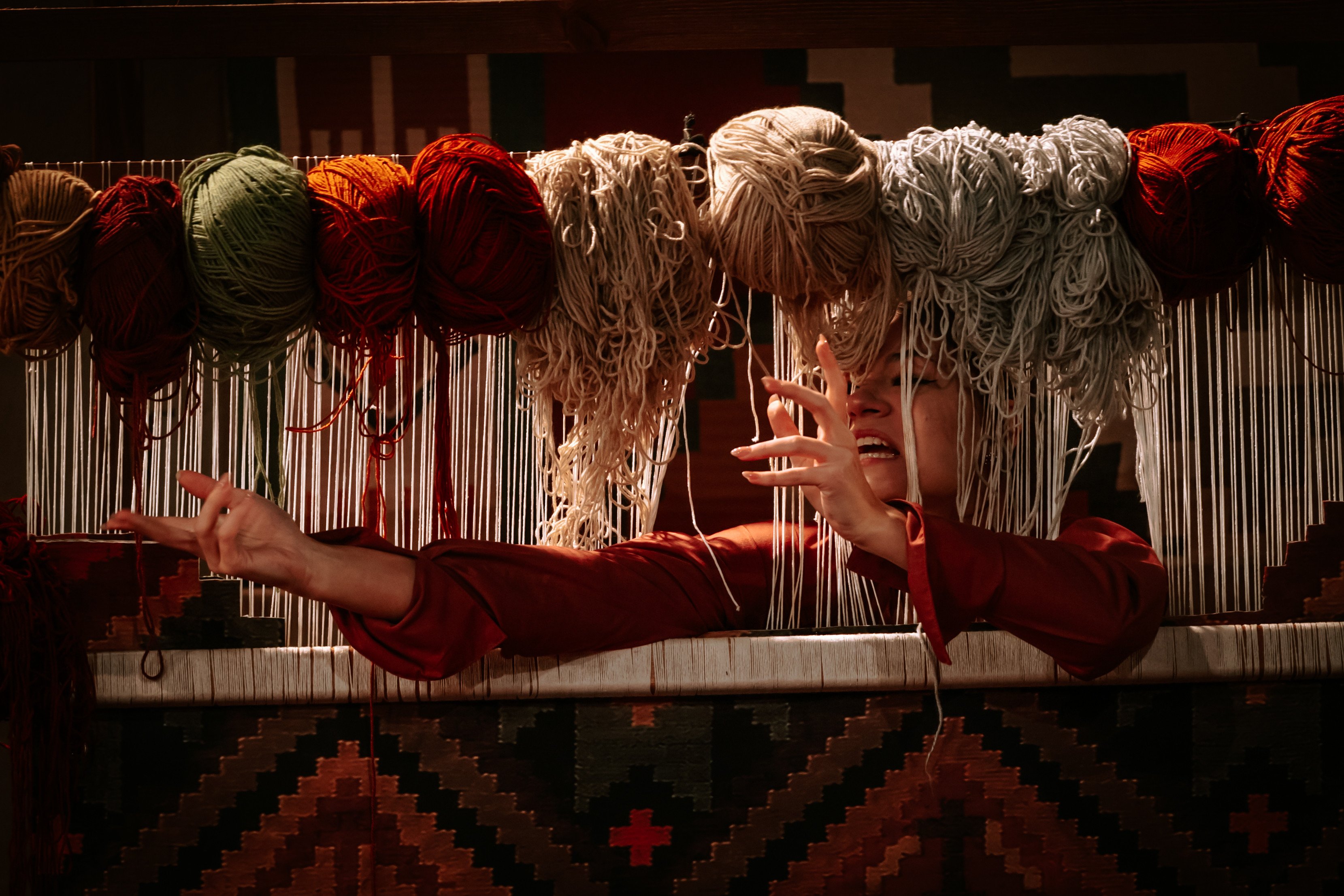
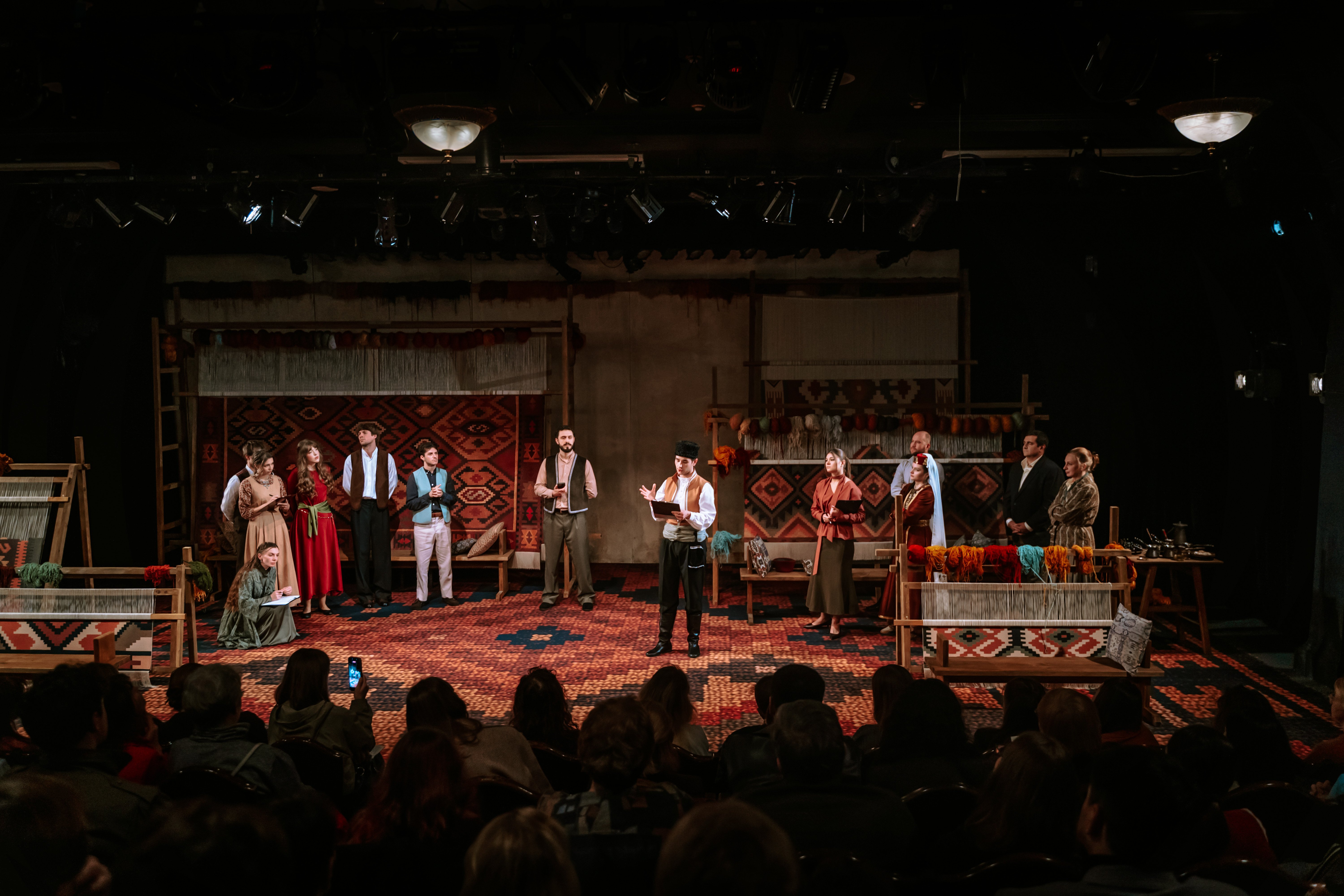
As the performance progresses, the boundaries between these narrative layers gradually dissolve, revealing how questions debated by the characters during childhood and adolescence acquire real consequences.
Issues of language, historical memory, identity, and the right to consider Crimea one's homeland become central to the production, particularly as the narrative approaches the events of 2014.
The Perekop Isthmus, which geographically connects Crimea to mainland Ukraine, emerges as a central symbol in the performance.
By the conclusion of the documentary narrative, Perekop is depicted as a wall, representing the divisions created by occupation, violence, and the erasure of historical memory.
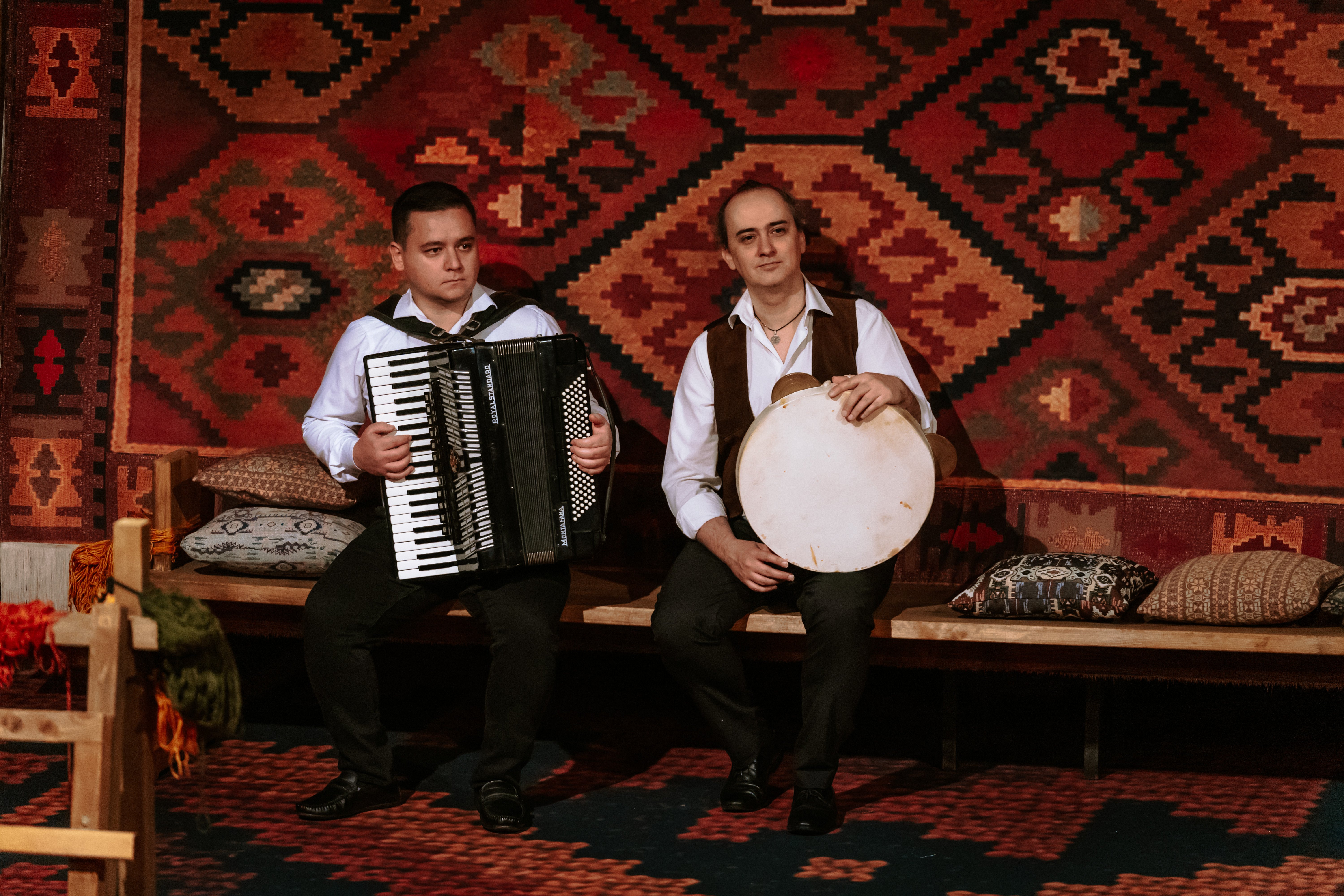
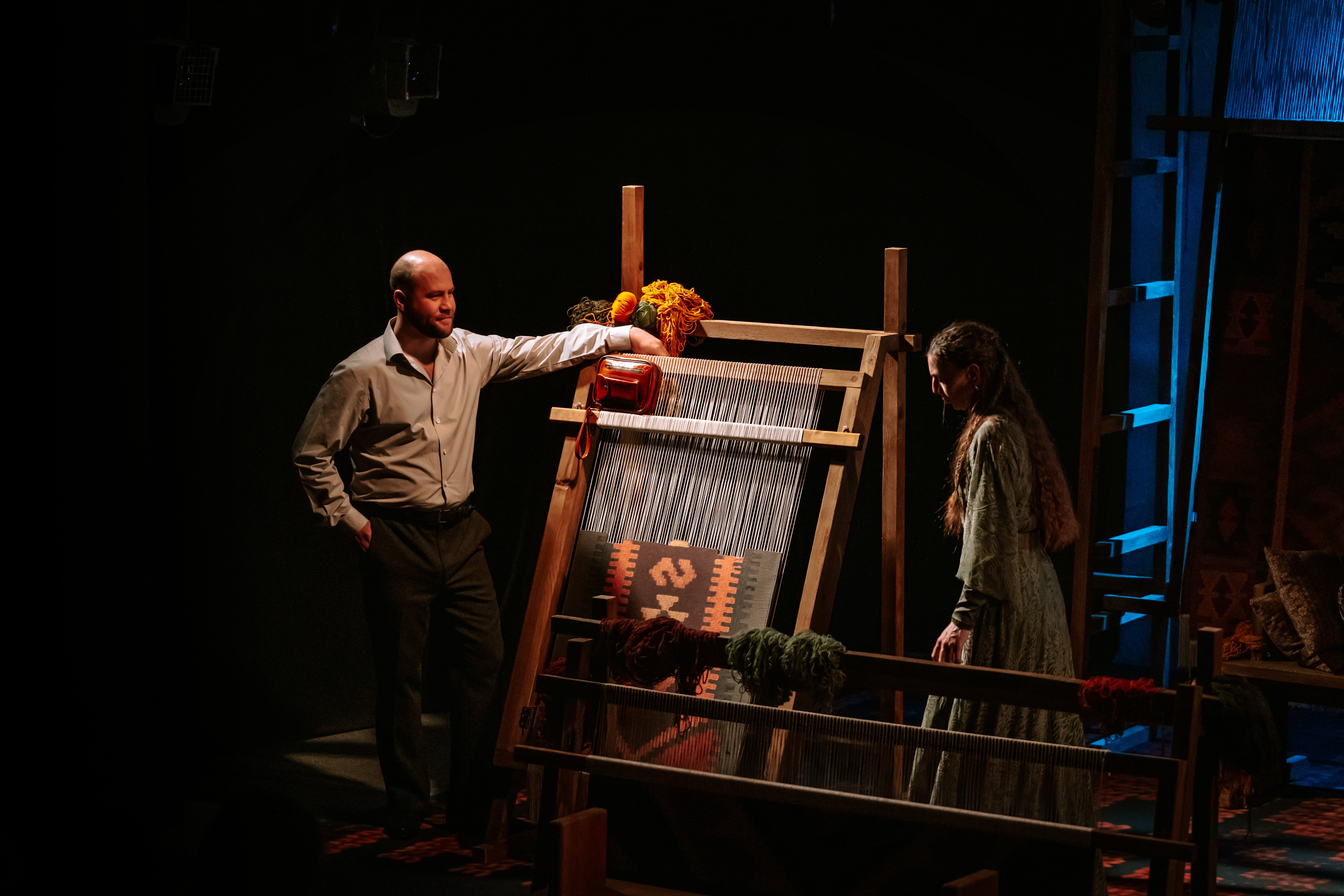
The project was developed in collaboration with Alim Aliev, deputy director general of the Ukrainian Institute, journalist, researcher, and cultural and educational project manager, who served as its lead consultant.
Halyna Dzhykayeva, a theater director, performer, and civic activist, also contributed to the initiative as a mentor of its performance laboratory.
The premiere comes amid broader efforts by Ukrainian cultural institutions to explore the country's history and identity through contemporary artistic practices, including initiatives taking place in cities affected by Russia's war.
Among them is the international contemporary art festival GOGOLFEST Pokrova, which took place in Zaporizhzhia from October 1 to 4, with most events organized underground due to security risks in the frontline city.
Discuss this article: