- Category
- Culture
Venice Biennale Jury Resigns Amid Controversy Over Russian Participation
 Prefer U24 Media on Google
- Authors

-c439b7bd9030ecf9d5a4287dc361ba31.jpg "Photo of Katherina Popilnichenko")
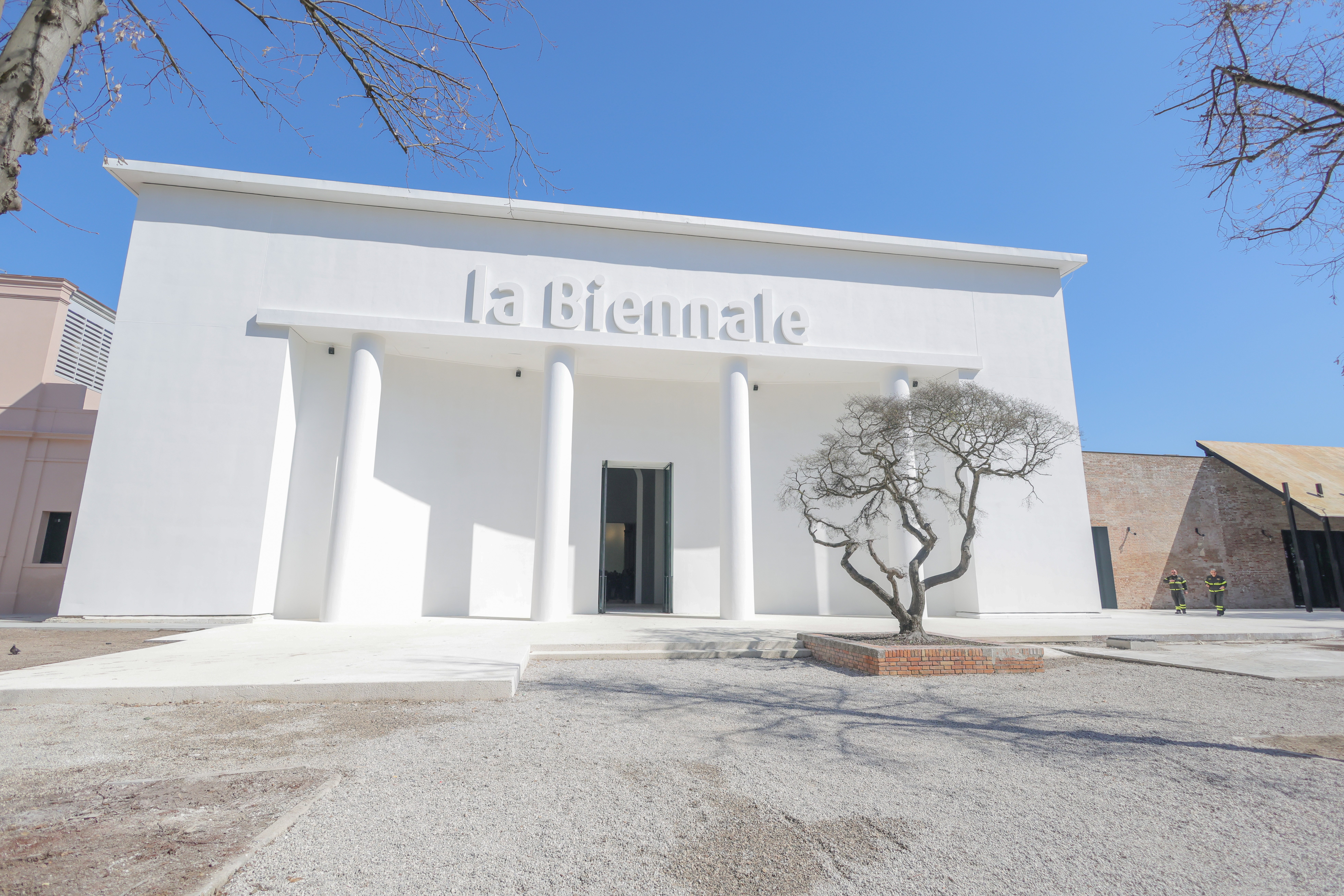
The international jury for the 61st Venice Biennale has resigned following significant tension regarding the inclusion of Russia and Israel.
All six members, including jury president Solange Oliveira Farkas, stepped down after a visit from inspectors representing the Italian Ministry of Culture on April 30.
We bring you stories from the ground. Your support keeps our team in the field.
The resignations followed a meeting between the jury and Pietrangelo Buttafuoco, the president of the Venice Biennale. This development comes after weeks of growing pressure concerning the reopening of the Russian pavilion and the participation of Israeli artists.
The decision to allow Russia to participate in the exhibition triggered widespread backlash both globally and within Italy. Alessandro Giuli, the Italian Minister of Culture, announced that he will not attend the opening of the 61st Venice Biennale "as a sign of protest against the presence of the Russian pavilion at this event."
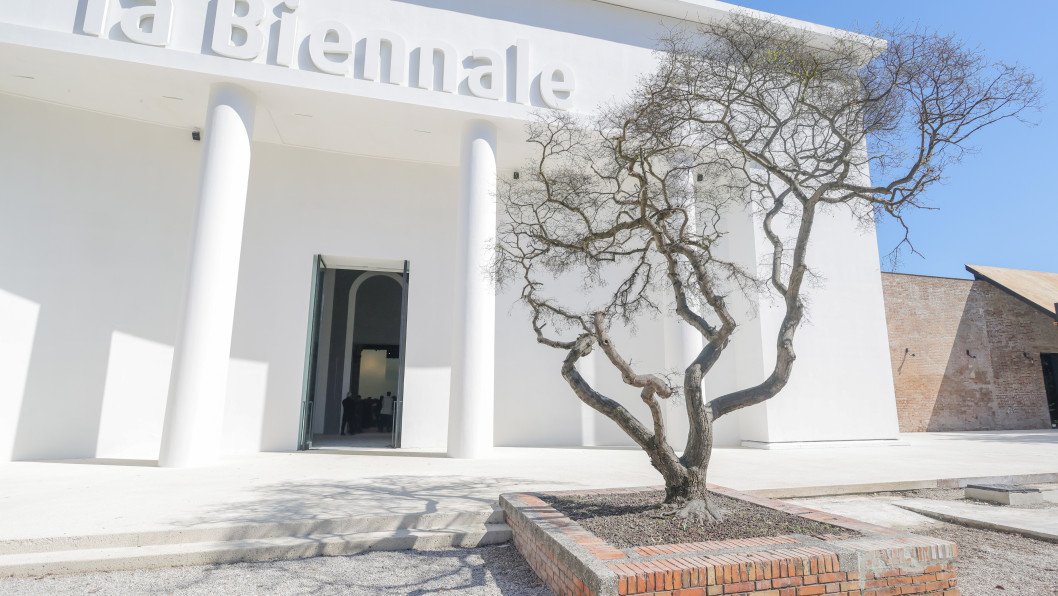
More than 20 European nations had previously called for Russia to be barred from the Biennale following Russia’s full-scale invasion of Ukraine.
The participation of Russian representatives at the 61st Venice Biennale sparked significant controversy, as many were found to have direct ties to the Russian government.
For instance, Anastasia Karneeva, the commissioner of the Russian pavilion, was identified as the daughter of a retired general from Rostec, a major Russian defense corporation. She also co-founded an art consulting firm with the daughter of Russian Foreign Minister Sergey Lavrov.
Despite sharp criticism from Ukraine and various European nations, the Biennale organizers initially rejected calls for exclusion, stating that they opposed all forms of censorship.
Earlier, the Italian Ministry of Culture dispatched inspectors to the Venice Biennale to investigate the controversial reopening of the Russian pavilion for the 2026 exhibition.
This move followed intense political pressure and a warning from the European Commission that 2 million euros in EU funding were at risk. While the Biennale administration had initially defended the participation of countries recognized by the Italian state, internal compromises eventually restricted the exhibit's access.
Consequently, the physical pavilion was scheduled to be open only to industry insiders during a brief preview period before closing to the general public for the remainder of the event.
Discuss this article:
-4a56a6b482ec132402c16ef6fcabf9a2.png)

-e00d178a31a987cd514e15ad3a8c2131.jpeg "Max Klymenko wearing the Etnodim, featuring embroidery inspired by traditional Ukrainian crafts. (Source: Ian Treherne)")

-e88c01988249cd60b6f04f79d29156b7.jpeg "Damage to “Cosmogony,” the largest painting in Ukraine, following a Russian drone attack on Lutsk on October 13, 2026. (Source: @sashyyna/Instagram)")
-480d70a36b9b34492b0b32ca04af4489.jpg "People attend the funeral ceremony of the famous Ukrainian writer Victoria Amelina at the Garrison Church, in Lviv, Ukraine, on July 5, 2023. (Source: Getty Images)")