- Category
- Defense Tech
Patriot Makers Begin Mapping Out Missile Production in Ukraine
 Prefer U24 Media on Google
- Authors


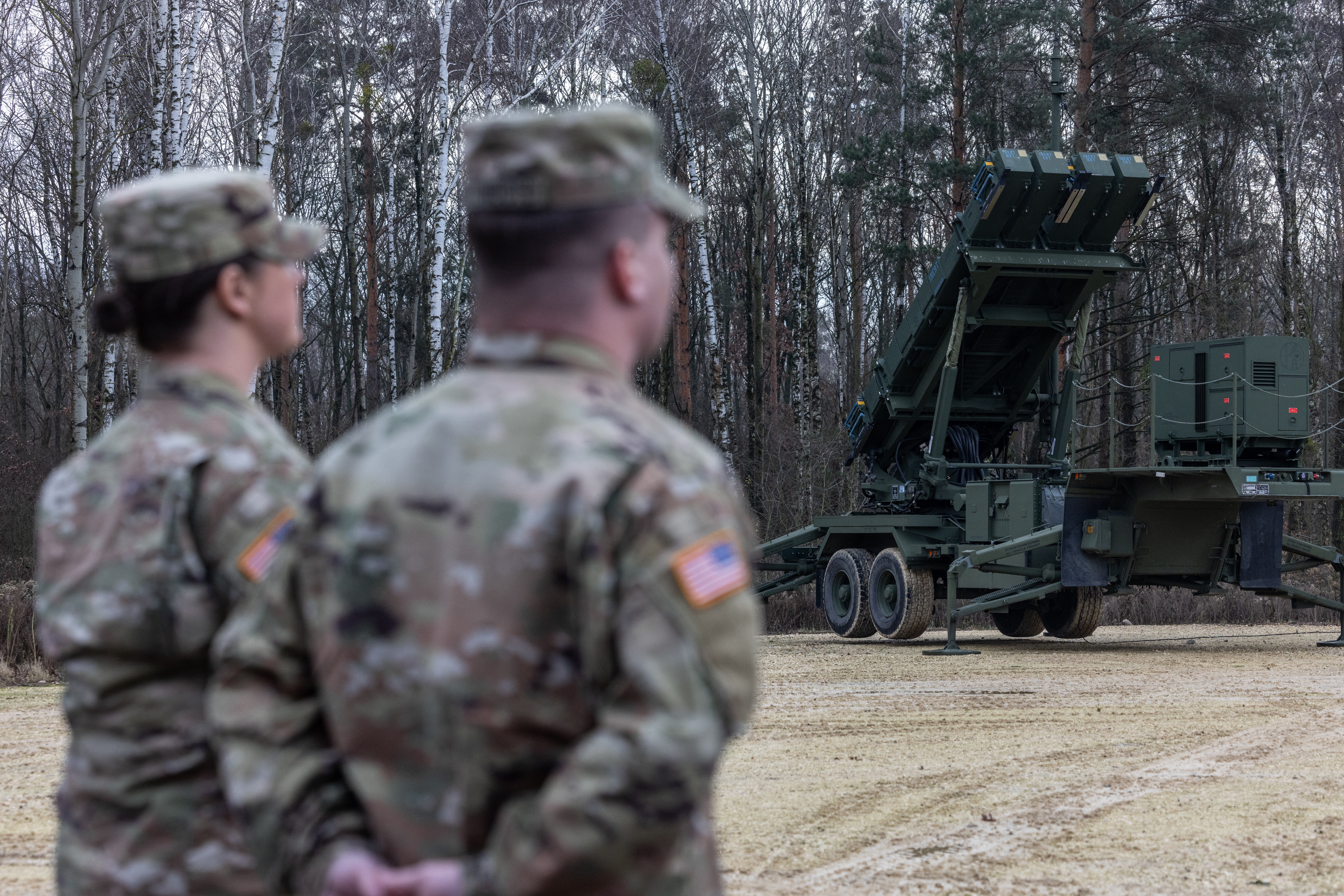
Lockheed Martin and RTX are beginning to determine what Patriot missile production in Ukraine could realistically look like, only weeks after US President Donald Trump promised Kyiv a manufacturing license, Aviation Week reported on July 20.
Both companies said discussions with the US government are still in the early stages, meaning there is not yet a detailed plan for a Ukrainian production facility, its supply chain, or the interceptors it would manufacture.
We bring you stories from the ground. Your support keeps our team in the field.
Trump made the pledge during the NATO summit in Turkey, telling President Volodymyr Zelenskyy that Ukraine would receive permission to produce missiles for the Patriot air defense system.
“That’s pretty cool, isn’t it? That way, you can’t complain that we’re not giving them enough,” Trump said.
At the Farnborough Airshow, Lockheed Martin and RTX confirmed that talks with US officials had begun.
Lockheed Martin produces the PAC-3 Missile Segment Enhancement, or PAC-3 MSE, interceptor, using a radar seeker supplied by Boeing.
Tim Cahill, president of Lockheed Martin Missiles and Fire Control, said the company was discussing possible options with the US Army but cautioned that the process had only just begun.
“All I can say is that it is still early, and we are in discussions with the US Army,” Cahill said.
Non-watermark footage showing the work of Ukraine-operated Patriot air defense systems over Kyiv yesterday.
— Status-6 (War & Military News) (@Archer83Able) June 26, 2026
The launch of two PAC-series interceptors can be seen, with two apparent successful interceptions of Russian missiles. https://t.co/HXMN7QarKQ pic.twitter.com/bSRTPuUpNR
Lockheed Martin would support whichever approach the Army and the US administration ultimately choose, he added.
The company also announced on July 20 that it is developing the PAC-3 Advanced Capability Effector, or ACE, a new interceptor expected to cost less than half as much as the PAC-3 MSE.
Cahill said producing ACE in Europe or another partner country could make sense because the missile would use less complex components. However, the program still needs a new supplier for its seeker.
He did not say whether ACE could become part of Ukraine’s Patriot production license.
-d6f1bfd5ccbc475c9f275ea31137633d.jpg)
RTX is also holding preliminary discussions over its possible role in the project.
The company produces Patriot launchers and the PAC-2 Guidance Enhanced Missile-Tactical, or GEM-T, interceptor.
Tom Laliberty, president of Raytheon Land and Air Defense Systems, said on July 20 that the process had only just started and that the company would follow the US government’s lead.
RTX already operates different levels of missile production and support around the world. Those include suppliers producing individual components, repair centers that upgrade and recertify interceptors, and facilities capable of complete missile production.
“Together with Ukraine and the US government, we are working through these areas to determine what is feasible and what is best for Ukraine,” Laliberty said.
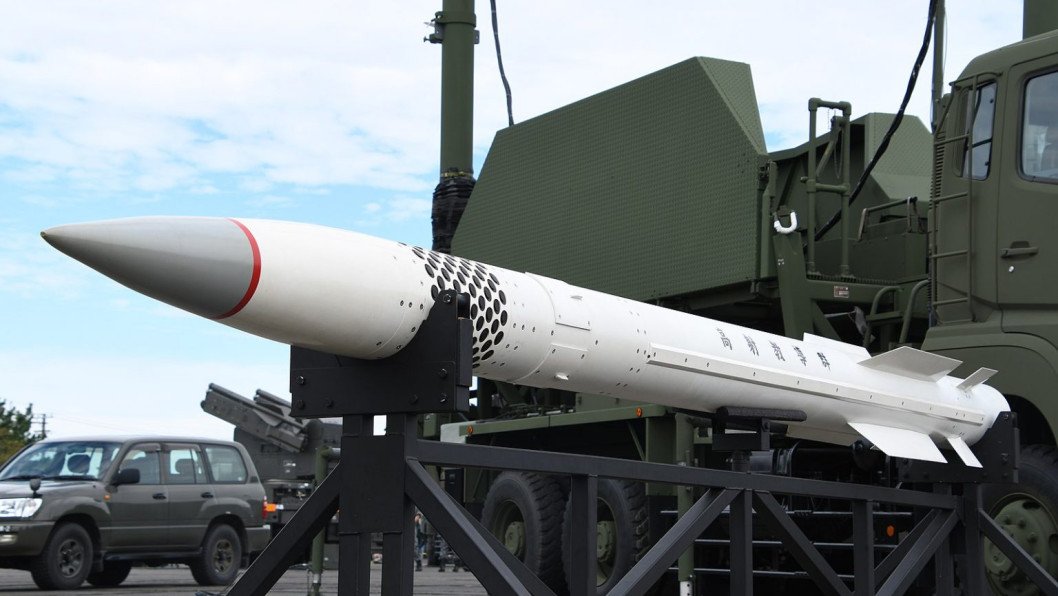
The discussions could therefore lead to several possible models, ranging from Ukrainian production of selected components or missile maintenance to a more comprehensive manufacturing operation.
Previously, Lockheed Martin has unveiled a new, lower-cost Patriot interceptor designed to enter production faster and preserve scarce PAC-3 MSE missiles for the most dangerous ballistic threats.
The PAC-3 Adapted Capability Effector, or ACE, is expected to cost less than half as much as the PAC-3 Missile Segment Enhancement interceptor. Recent US Army budget documents put the price of a PAC-3 MSE at more than $4 million per round, potentially bringing the ACE below $2 million.
Discuss this article:
-9a7b3a98ed5c506e0b77a6663f5727c5.png)




-6ff4efaedd2092e0205aad37f9e7b98a.jpg "Illustrative image. US F-16 and Polish MiG-29 over Poland, 2005.")