- Category
- Defense Tech
Russia’s Supply Lines Could Soon Meet Ukraine’s Palytsya—New Partner for the Iconic Leleka Recon Drone
 Prefer U24 Media on Google
- Authors


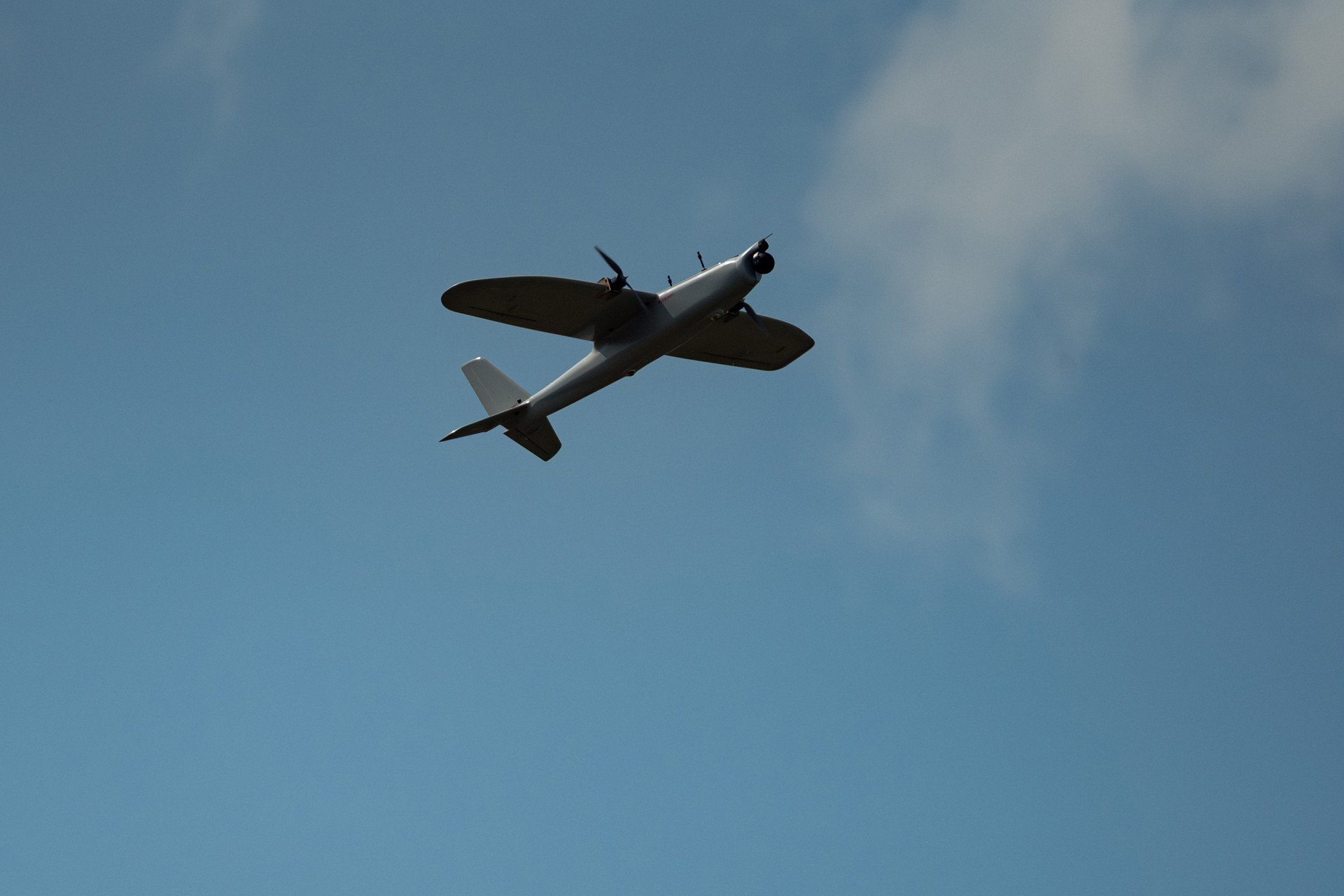
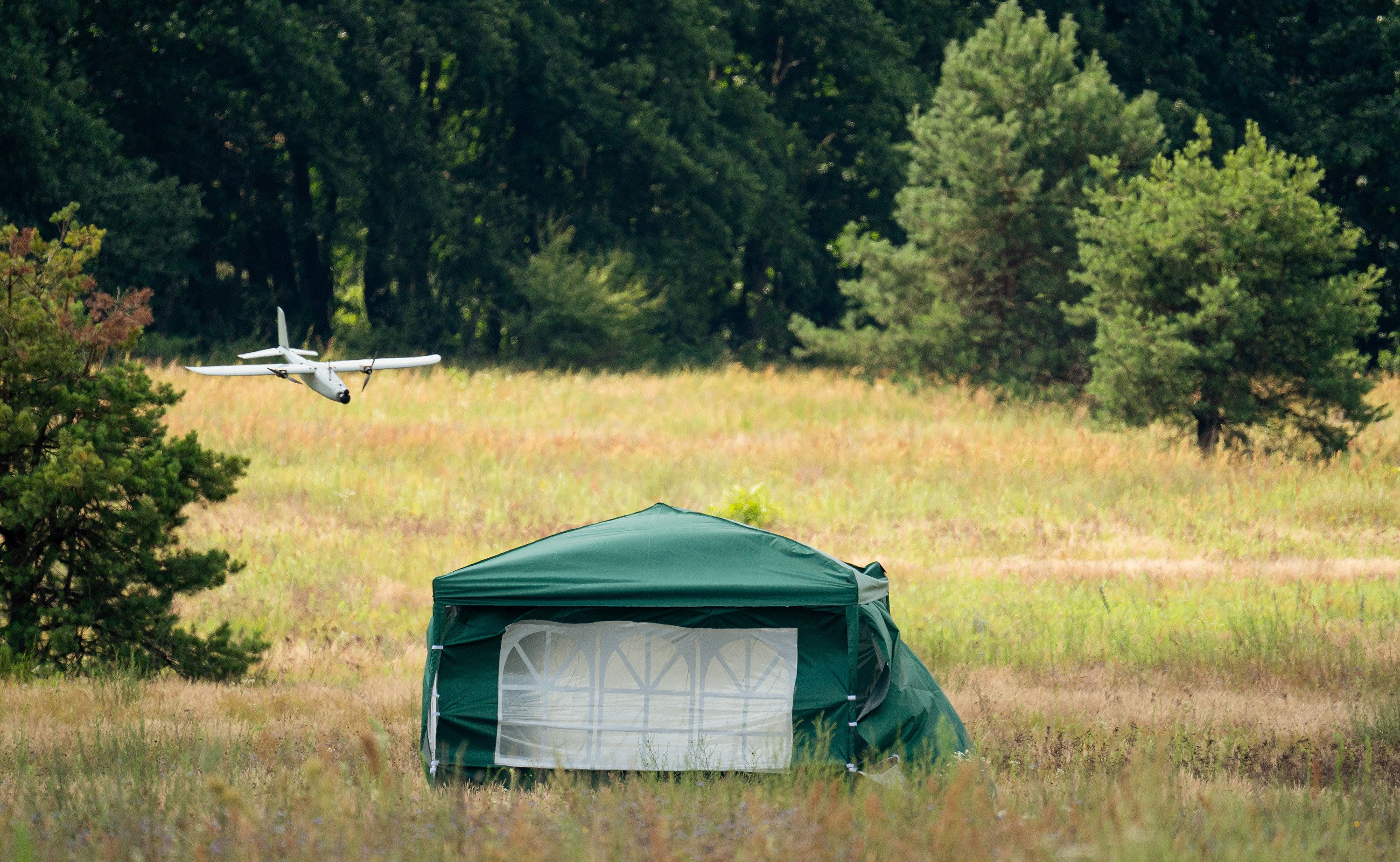
Ukrainian defense technology company DEVIRO has unveiled Palytsya , a prototype strike drone designed as a cheaper, more scalable complement to the Bulava system—and built to work directly with the company’s battle-proven Leleka reconnaissance drones.
The aircraft was presented at the Demo Day TFUA exhibition, “Designed for the Future: Ukrainian Defense Technologies in Action,” attended by a UNITED24 Media correspondent on July 15.
We bring you stories from the ground. Your support keeps our team in the field.
Palytsya remains a work in progress and has not yet been officially codified for use by Ukraine’s Armed Forces. However, the prototype already outlines DEVIRO’s plan for a broader reconnaissance-and-strike ecosystem capable of finding and attacking Russian logistics, equipment, and military infrastructure behind the front.
A company representative described Palytsya to UNITED24 Media as a less expensive and more easily scalable alternative to Bulava, another DEVIRO strike drone already being used against Russia’s rear logistics.
-bdca46160ee0e70649654a51404f6cc5.jpg)
The prototype has a combat radius of 90 kilometers, or roughly 56 miles, and can remain airborne for up to 70 minutes. It cruises at approximately 75 kilometers per hour and carries a warhead weighing up to three kilograms.
Once an operator selects a target, the drone can capture it and continue the attack using computer-vision guidance.
It is worth mentioning that the drone can work fully autonomously without any GPS connection, according to DEVIRO. The system includes automatic and navigational flight modes, while operators can adjust missions in real time using downloaded satellite maps.
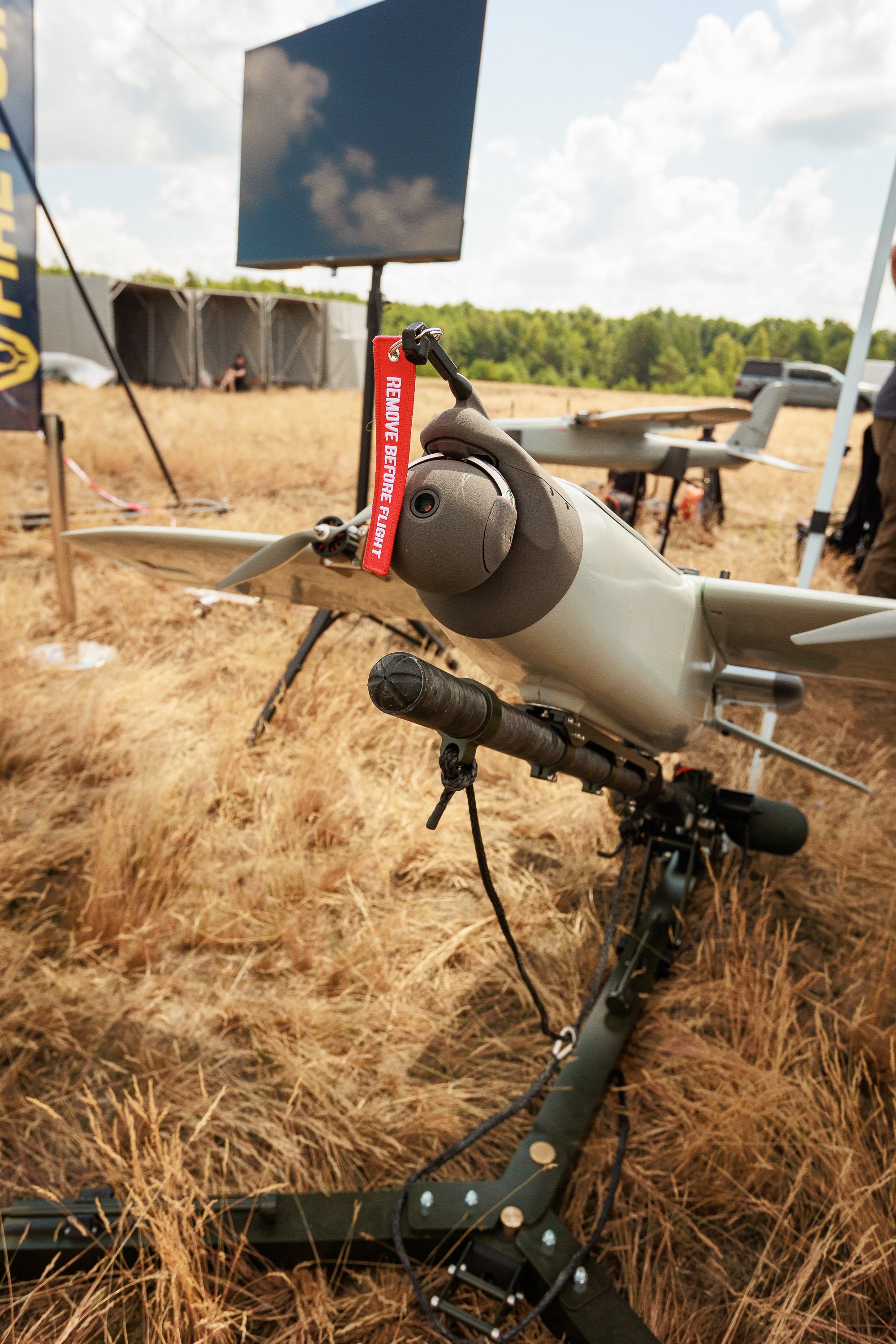
Its encrypted two-way digital communications channel has a line-of-sight range of up to 100 kilometers and supports mesh networking, allowing several drones to exchange video or relay signals between reconnaissance and strike aircraft. A Starlink-enabled version is also available.
Crucially, Palytsya is designed to operate with any version of DEVIRO’s Leleka drone.
DEVIRO also lists catapult launch, a specialized anti-electronic-warfare system, and an operating temperature range from minus 35 to 50 degrees Celsius for Palytsya drone.
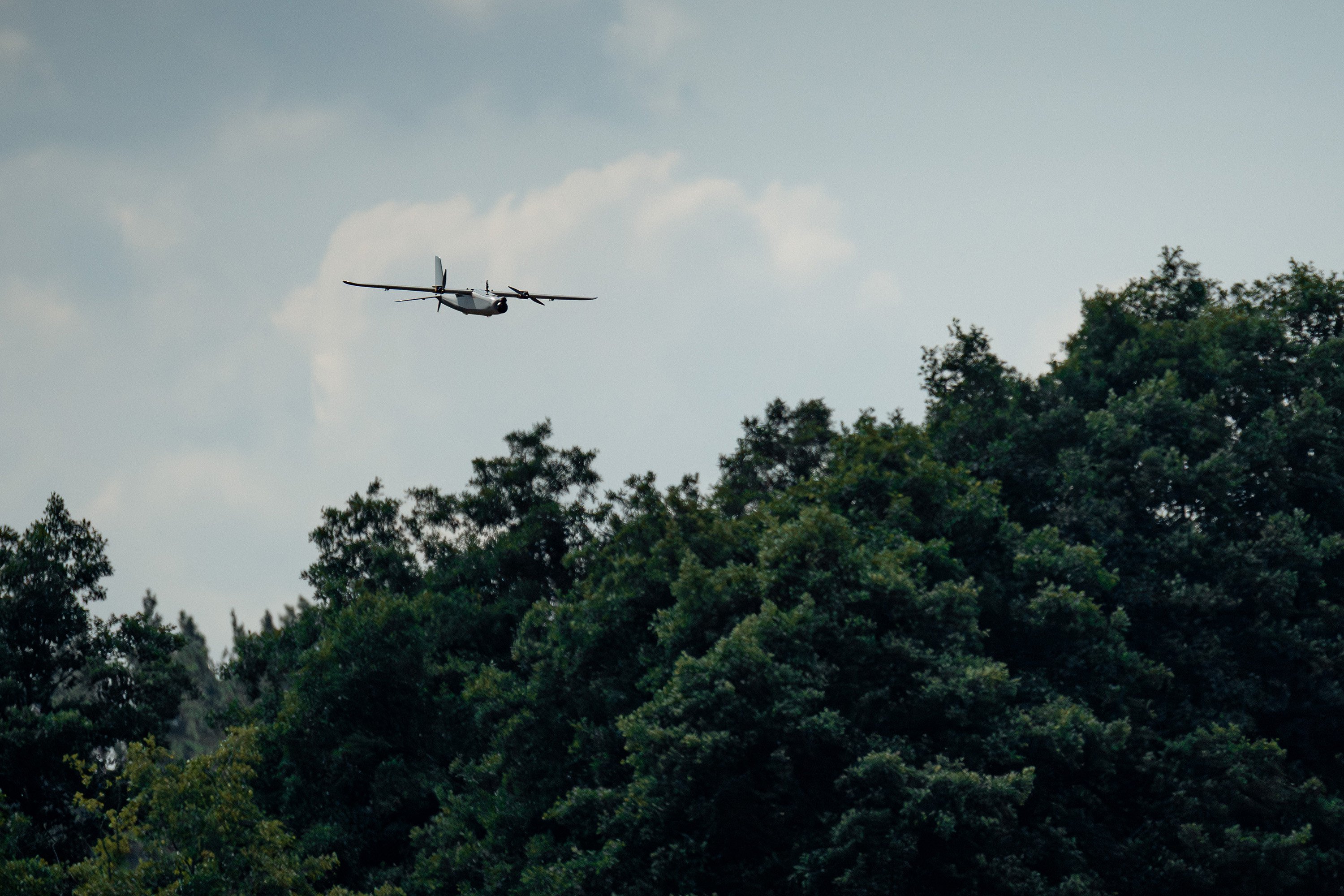
That compatibility places Palytsya inside one of Ukraine’s best-known domestic drone families.
The Leleka-100, also known as the Stork, is DEVIRO’s tactical reconnaissance platform and was formally adopted by Ukraine’s military in 2021. It is widely used for aerial intelligence, mapping, target identification, and artillery adjustment—including support for long-range systems such as HIMARS.
Leleka-L100 can remain airborne for up to four hours and operate at distances of up to 100 kilometers. Its interchangeable stabilized cameras provide high-magnification daytime imagery or thermal vision at night. Leleka drone can climb to 3,500 meters.
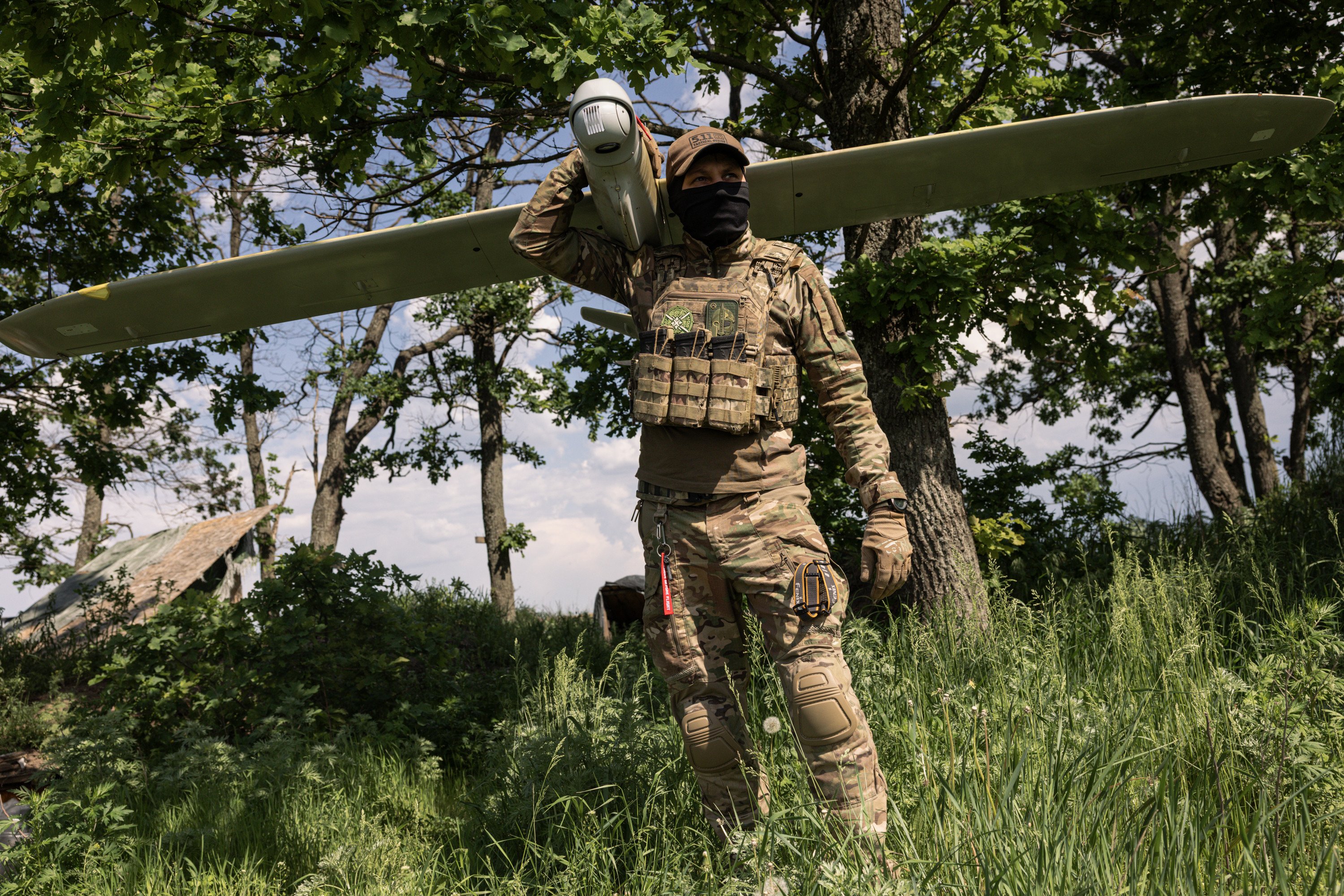
DEVIRO has also developed the Leleka M2R, extending its operating range beyond 100 kilometers and adding features intended to help it evade interceptor drones and fly in stronger winds, up to 19 meters per second.
The platform is also designed to withstand electronic warfare. It can navigate without GPS, automatically track moving objects, and transmit encrypted video without exposing open telemetry that Russian forces could intercept.
Under the paired concept, Leleka serves as the eyes: locating, identifying, and tracking a target. Palytsya then becomes the lower-cost strike component sent to destroy it.
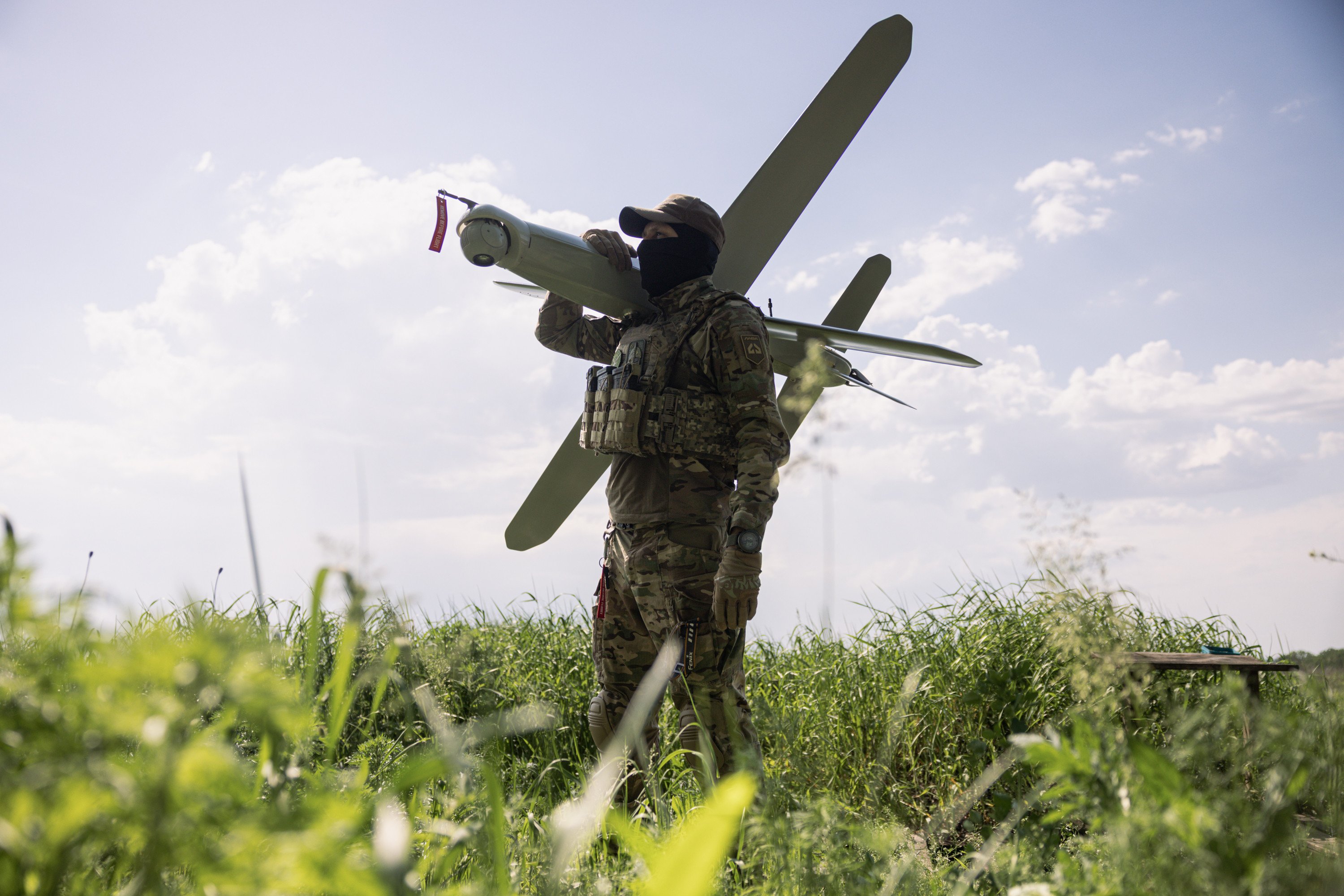
DEVIRO has already applied that approach with Bulava, its heavier middle-strike platform built for attacks deeper behind Russian lines.
The Bulava and Leleka families are designed to work together, with the reconnaissance aircraft providing targeting and battlefield awareness for strike missions.
Palytsya would broaden that model by introducing a smaller platform that could be manufactured and deployed in greater numbers.
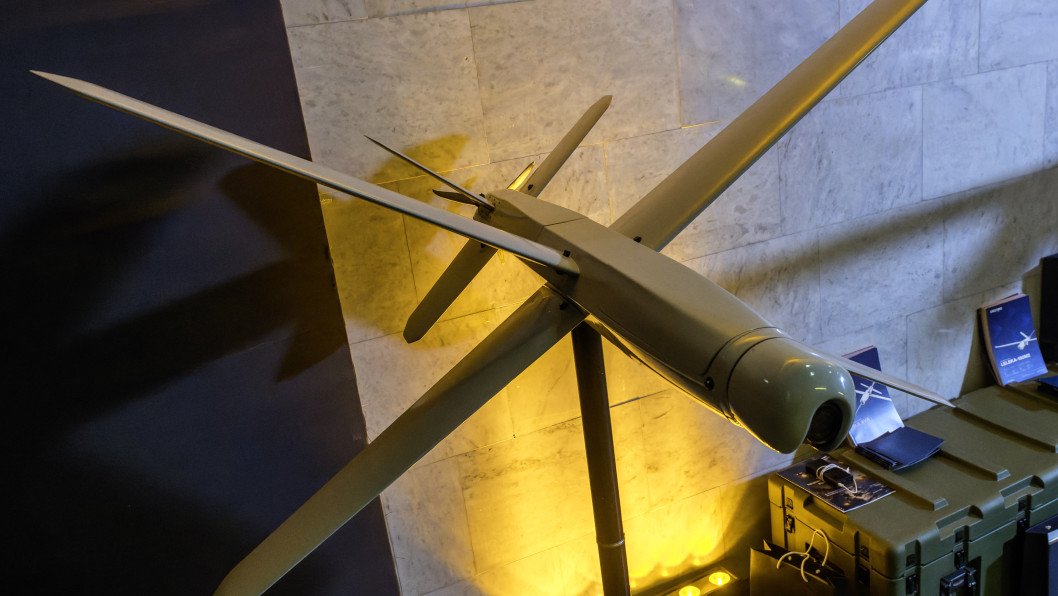
That scalability matters as Ukraine expands middle-strike operations against the network sustaining Russian forces beyond the immediate battlefield. Such drones are increasingly used against fuel depots, supply routes, rail infrastructure, air defenses, command sites, and military facilities across occupied Ukrainian territory and Crimea.
The company recently revealed upgraded Bulava M2V drones that increased its range from base 80 to 130 kilometers and raised its warhead capacity from 3.6 to 5 kilograms. Its endurance has nearly doubled to 95 minutes, although the modernized version remains in beta testing.
Discuss this article:


-c439b7bd9030ecf9d5a4287dc361ba31.jpg "Photo of Katherina Popilnichenko")