- Category
- Defense Tech
Ukraine Replaces Soviet Recon Vehicles With Toyota-Based Armored Tisa
 Prefer U24 Media on Google
- Authors

-111f0e5095e02c02446ffed57bfb0ab1.jpeg "Photo of Roman Kohanets")
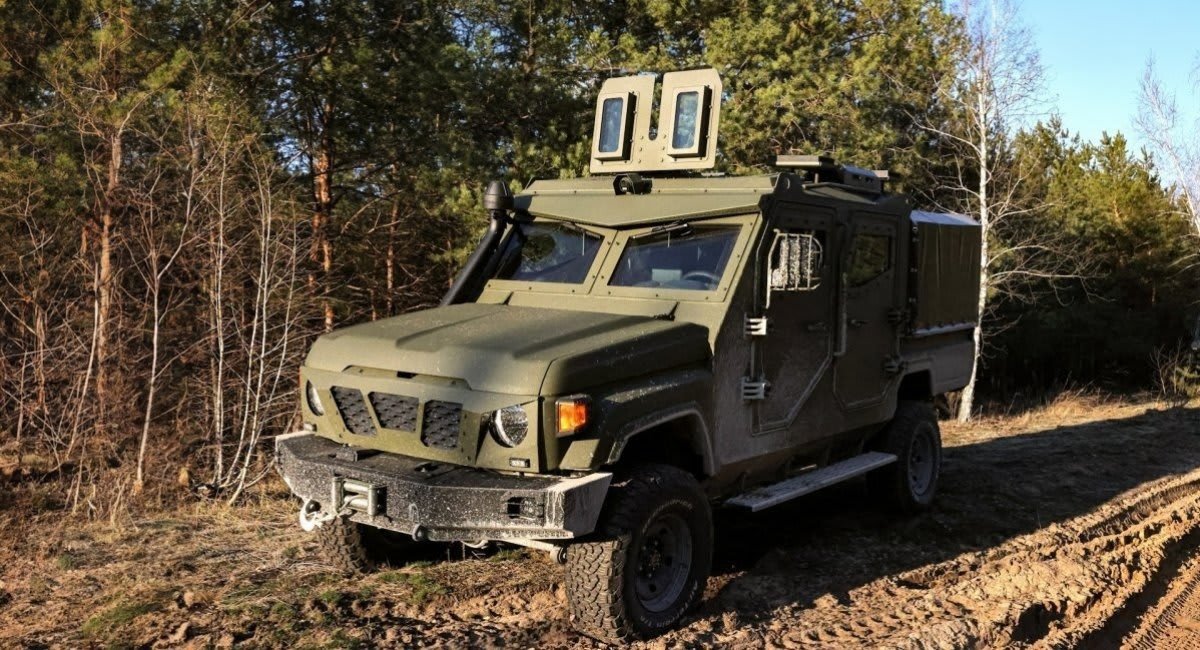
Ukraine's National Guard has received the country's first radiation and chemical reconnaissance vehicles built on the armored Tisa chassis, replacing Soviet-era UAZ-469 machines, according to National Guard commander Oleksandr Pivnenko on August 10.
We bring you stories from the ground. Your support keeps our team in the field.
Pivnenko announced the delivery on Facebook, framing it as part of a broader push to retire obsolete equipment and reinforce the force's radiation, chemical, and biological defense units.
"We replaced the outdated Soviet UAZ-469RKhB with the newest armored vehicle for radiation and chemical reconnaissance," Pivnenko wrote.
He described the mission of those units in detail. "Their task is to detect radiation, chemical, and biological threats in a timely manner, determine the scale of contamination, monitor the situation, and promptly relay information to the command," Pivnenko explained.
The vehicle was developed to meet the National Guard's technical specifications and allows crews to survey and monitor contaminated zones without leaving the protected cabin. Pivnenko emphasized that the platform is unique.
A distinctive feature of the Tisa is the pair of raised armored panels on the roof. The provided source does not specify their purpose, so characterizing them as sensors, shields, or other specialized equipment would require further verification.
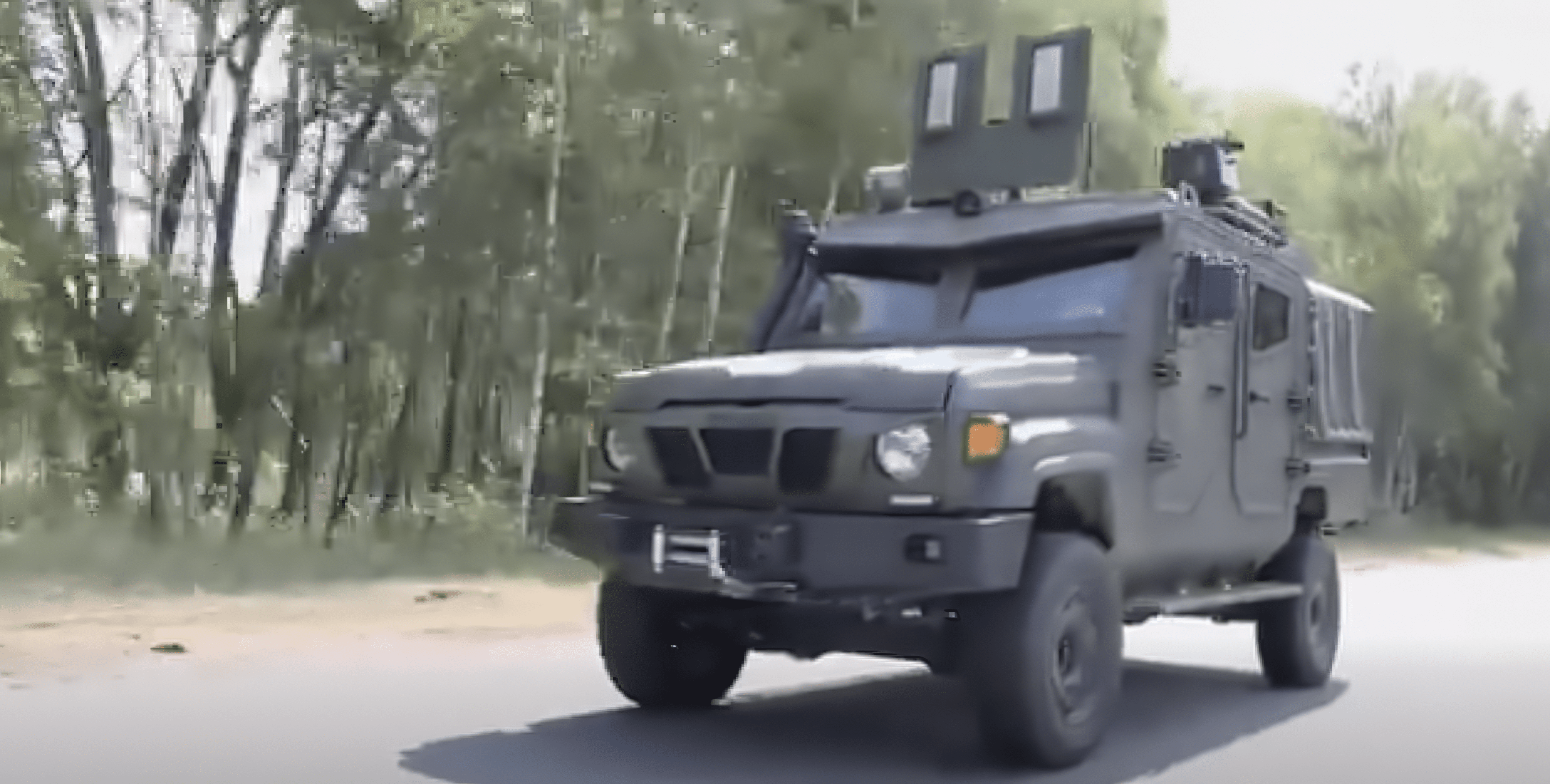
The confirmed equipment of the reconnaissance vehicle:
radiation and chemical reconnaissance instruments;
an automated system for collecting and processing information;
a weather station;
modern communications equipment;
satellite navigation.
That configuration allows the crew to receive and transmit data in real time and assess a developing situation more quickly, Pivnenko noted.
Built on a Toyota Land Cruiser 79 base, the armored vehicle meets the NATO STANAG 4569 protection standard, providing ballistic and mine protection. It also carries night-vision, ventilation, and air-filtration systems, allowing the crew to operate in demanding conditions.
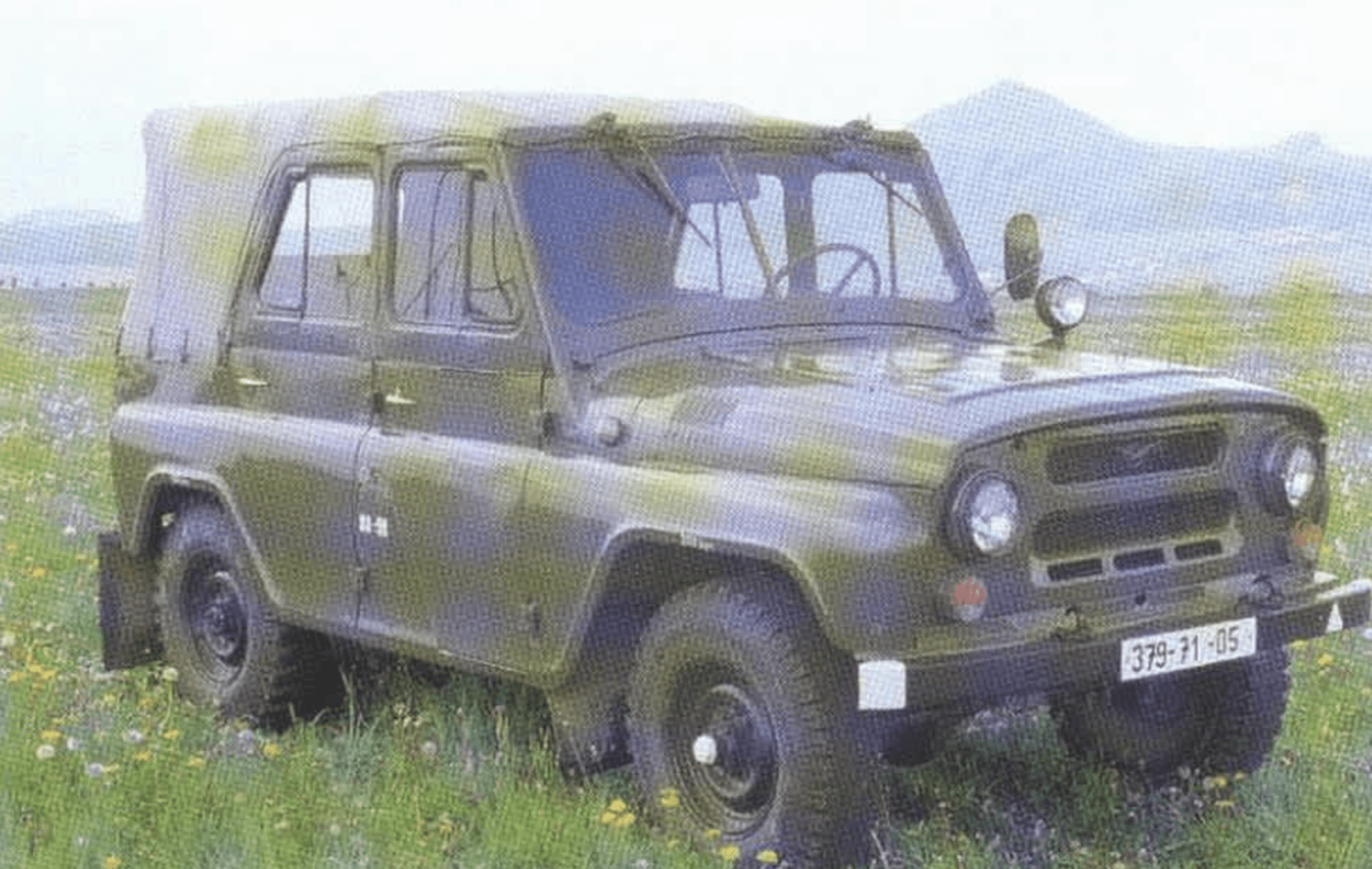
The platform replaces the UAZ-469RKhB, a chemical reconnaissance machine designed in the 1980s, based on a civilian off-roader, and lacking adequate crew armor. Pivnenko added that the older vehicle's equipment failed to deliver proper monitoring and threat detection.
"The enemy has repeatedly demonstrated its readiness to use banned chemical substances on the battlefield, and shelling of critical infrastructure, particularly near nuclear power plants, keeps radiation monitoring extremely relevant," Pivnenko warned.
Russian forces have deployed munitions containing hazardous chemical substances against Ukrainian troops more than 13,300 times since the start of the full-scale invasion. What were isolated incidents in 2023 hardened into a sustained battlefield tactic from 2024 onward.
Discuss this article:
-9a7b3a98ed5c506e0b77a6663f5727c5.png)


-6ff4efaedd2092e0205aad37f9e7b98a.jpg "Illustrative image. US F-16 and Polish MiG-29 over Poland, 2005.")