- Category
- Defense Tech
Ukraine’s Fighter Fleet Has Quietly Tipped West—F-16s and Mirages Now Outnumber Soviet Jets
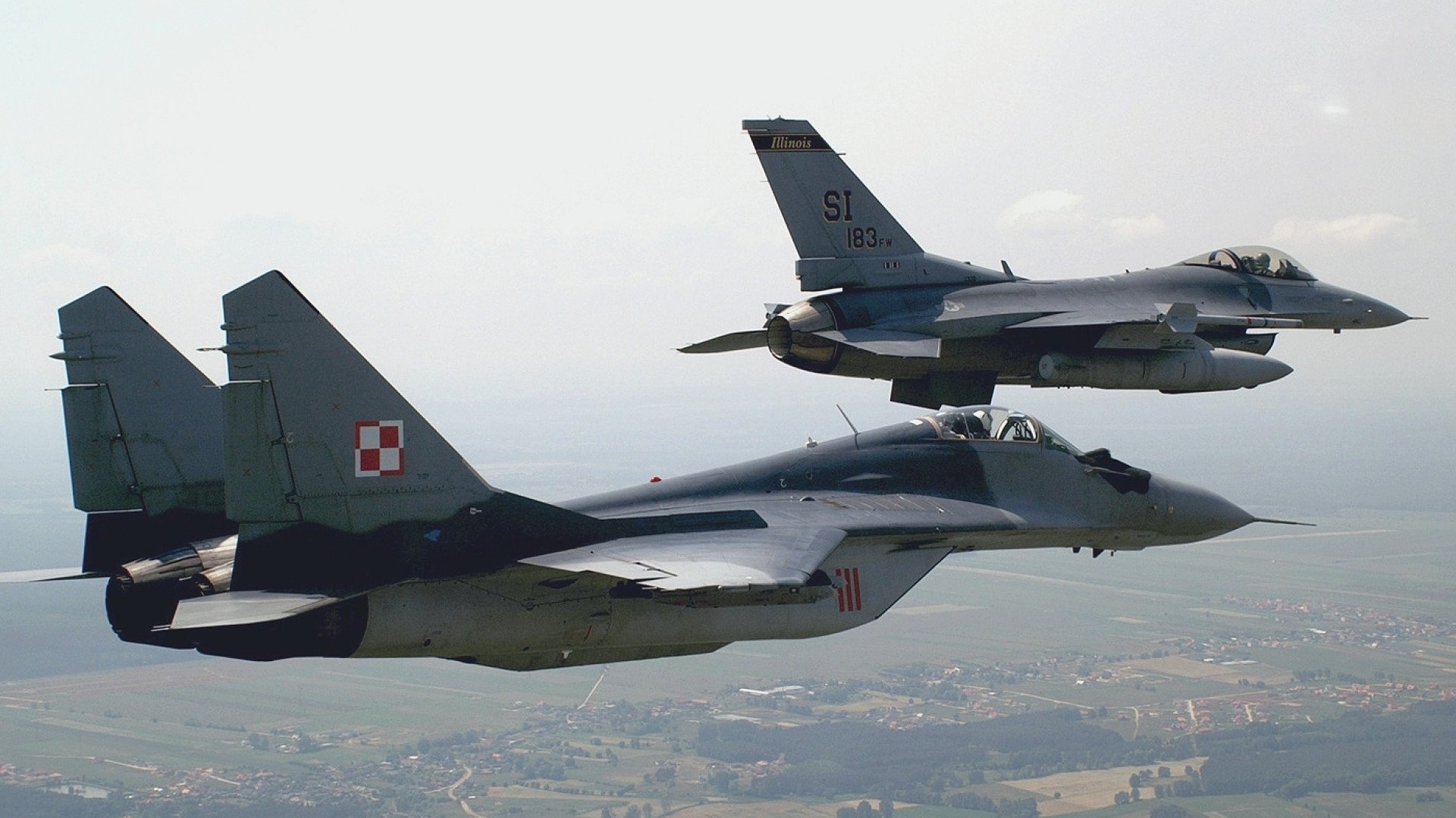
Ukraine’s Air Force is no longer primarily a Soviet-designed fleet—the combined number of F-16s and Mirage 2000s has now overtaken its remaining MiG-29s and Su-27s, with Gripens and Rafales potentially next.
 Prefer U24 Media on Google
- Authors


Ukraine’s air defense against Russia’s increasingly common jet-powered Shahed-type drones relies on far more than ground-based interceptors, with fighter aviation becoming an increasingly important part of the layered defense. According to Defense Express on October 13, the balance inside Ukraine’s combat aviation fleet has now shifted significantly toward Western aircraft.
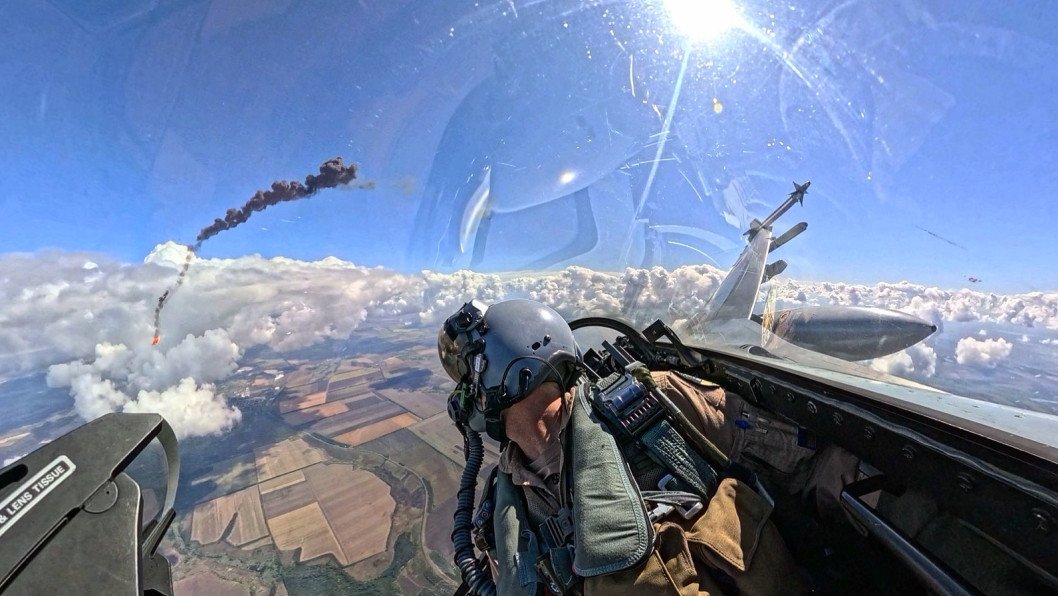
Ukraine is using both F-16s and French Mirage 2000s to intercept fast-moving Russian drones, while work is underway to stock enough ammunition for several months of sustained operations and eliminate maintenance bottlenecks that limit how many aircraft can remain mission-ready at any given time.
We bring you stories from the ground. Your support keeps our team in the field.
Those priorities were recently outlined following discussions between Ukrainian Defense Minister Yevhenii Khmara and journalists.
The key change, Defense Express notes, is numerical. Although MiG-29s and Su-27s still remain important to Ukrainian combat aviation, the combined fleet of Western F-16s and Mirage 2000s now exceeds the number of those two Soviet-designed fighter types still in service.
Su-27 UAF 🔵 pic.twitter.com/WSksGZ2M6M
— Ukrainian Air Force (@KpsZSU) August 13, 2026
MiG-29s and Su-27s are still very much in the fight
That shift does not mean Ukraine’s Soviet-era fighters have disappeared from air-defense operations. Defense Express points to regularly published footage showing Ukrainian MiG-29s intercepting Russian jet-powered UAVs, making clear that those aircraft continue to perform combat missions alongside Western fighters.
MiG-29s and Su-27s remain useful because Ukrainian pilots and maintenance crews have decades of experience operating them, while the aircraft can still perform both interception and strike missions.
A Ukrainian Air Force MiG-29 destroys an aerial target pic.twitter.com/G2w5yKFlmE
— Ukrainian Air Force (@KpsZSU) October 5, 2026
Their long-term challenge is sustainability: battlefield losses, shrinking stocks of compatible weapons, and increasingly difficult access to spare parts make it harder to maintain the fleets at their former scale.
This also explains why official discussions about fighter aviation increasingly center on F-16s and Mirage 2000s. They are not the only aircraft being used, but they are becoming the dominant part of Ukraine’s available fighter force and increasingly shape how the Air Force plans future operations.
Happy Friday from our MiG-29 fighter pilots! 🇺🇦✈️ pic.twitter.com/HvqRikeGkd
— Ukrainian Air Force (@KpsZSU) July 17, 2026
Jet-powered Shaheds are driving fighter demand
The role of fighter aircraft has become more important as Russia introduces faster jet-powered UAVs, which give mobile ground teams less time to detect and engage incoming targets.
Fighters can patrol much larger areas, rapidly reposition as drone routes shift, and provide another interception layer between inexpensive drone-defense systems and scarce long-range surface-to-air missiles.
Ukraine is therefore working not only to increase the number of Western aircraft available but also to ensure they have sufficient ammunition and can be serviced quickly enough to sustain a high operational tempo.
Target destroyed pic.twitter.com/1sWWLJUXs6
— Ukrainian Air Force (@KpsZSU) October 9, 2026
According to Defense Express, one of the priorities is building missile and ammunition stocks several months ahead while addressing maintenance bottlenecks that can leave otherwise available aircraft grounded.
In September 2026 alone, Ukrainian combat aircraft reportedly conducted about 1,300 sorties for fighter cover and more than 250 missions against ground targets.
There is no public breakdown by aircraft type, but Defense Express argues that the growing numerical share of F-16s and Mirage 2000s makes it likely that Western fighters accounted for a significant portion of that activity.
Gripen and Rafale could push the transition even further
The move away from a primarily Soviet-designed fighter fleet may accelerate further. Ukraine is already looking toward Sweden’s JAS 39 Gripen and France’s Rafale as potential future additions, a transition also highlighted by the Royal United Services Institute in an August 2026 assessment.
If those aircraft eventually enter Ukrainian service, the Air Force’s center of gravity would shift even more decisively toward Western platforms, logistics, weapons, and maintenance systems.
-d6b0d62be686a72966c5f714e805b5a4.jpg)
MiG-29s and Su-27s would still remain useful for as long as they can be sustained, but they would increasingly operate alongside a fleet built around entirely different standards.
The result is an Air Force already well into a structural transition: Soviet fighters remain active and relevant, but F-16s and Mirage 2000s now hold the numerical advantage—and the next generation of Ukrainian combat aviation may be even more Western.
Previously, Ukraine’s air defense forces reported the destruction of more than 445,000 Russian missiles, attack drones, reconnaissance aircraft, and other aerial targets since the start of the full-scale invasion on February 24, 2022.
Discuss this article:
-9a7b3a98ed5c506e0b77a6663f5727c5.png)



-c439b7bd9030ecf9d5a4287dc361ba31.jpg "Photo of Katherina Popilnichenko")