- Category
- Investigations
Azerbaijan’s Iglim Enterprise Helped Build Russian Kh-29 Missiles—Exclusive Files
Internal records reveal that a government-managed manufacturer in Azerbaijan has been involved in a Russian military-industrial production chain for Kh-29TE guided missiles used by Sukhoi aircraft.
 Prefer U24 Media on Google
- Authors

-605be766de04ba3d21b67fb76a76786a.jpg "Joseph Place")
For years, Russian Sukhoi jets have fired missiles at cities across Ukraine. Behind each missile is a complex manufacturing chain involving multiple companies, suppliers, and components. Documentation obtained by UNITED24 Media shows that one link in that chain leads to Azerbaijan.
Our investigation found that the production of Russia’s Kh-29TE air-to-surface guided missile relied on Iglim, an enterprise under Azerbaijan’s Ministry of Defense Industry. The documents indicate that this production chain existed before Russia’s full-scale invasion of Ukraine and continued afterward.
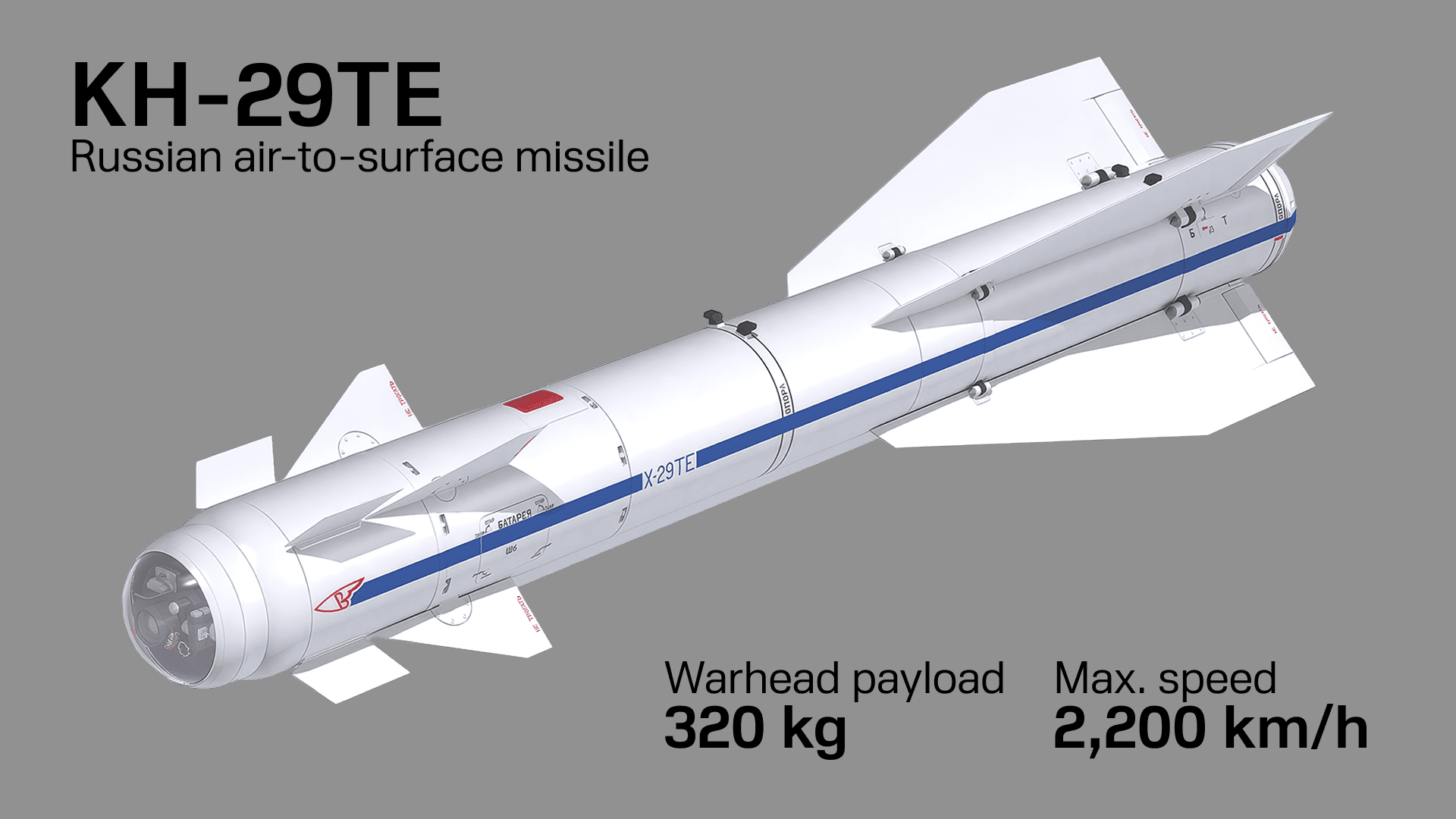
The Kh-29TE is manufactured by Russia’s Vympel Design Bureau and is carried by aircraft, including the Su-34. Ukraine’s Defense Intelligence says Russia currently has 2,600 Kh-29/31/35/58/59 missiles in total. These missiles have 320 kg warheads and a maximum speed of 2,200 km/h, and were designed to destroy hardened military and infrastructure targets, including bridges, depots, industrial facilities, aircraft shelters, and runways. Before, Russia used them significantly in Syria.
Video of a Russian Su-34 bomber reportedly launching a Kh-29 air-to-ground missile while popping flares. https://t.co/AeaelNIt2X pic.twitter.com/ydNscNTxAx
— Rob Lee (@RALee85) April 25, 2022
How the Russian missile production chain runs through Azerbaijan
The chain involves three principal entities: Russia’s Perm Powder Plant, Azerbaijan’s state-controlled Iglim Scientific and Production Enterprise, and the Russian missile manufacturer Vympel. Documentation indicates that their cooperation operated within an officially approved Russia-Azerbaijan defense-industrial framework.
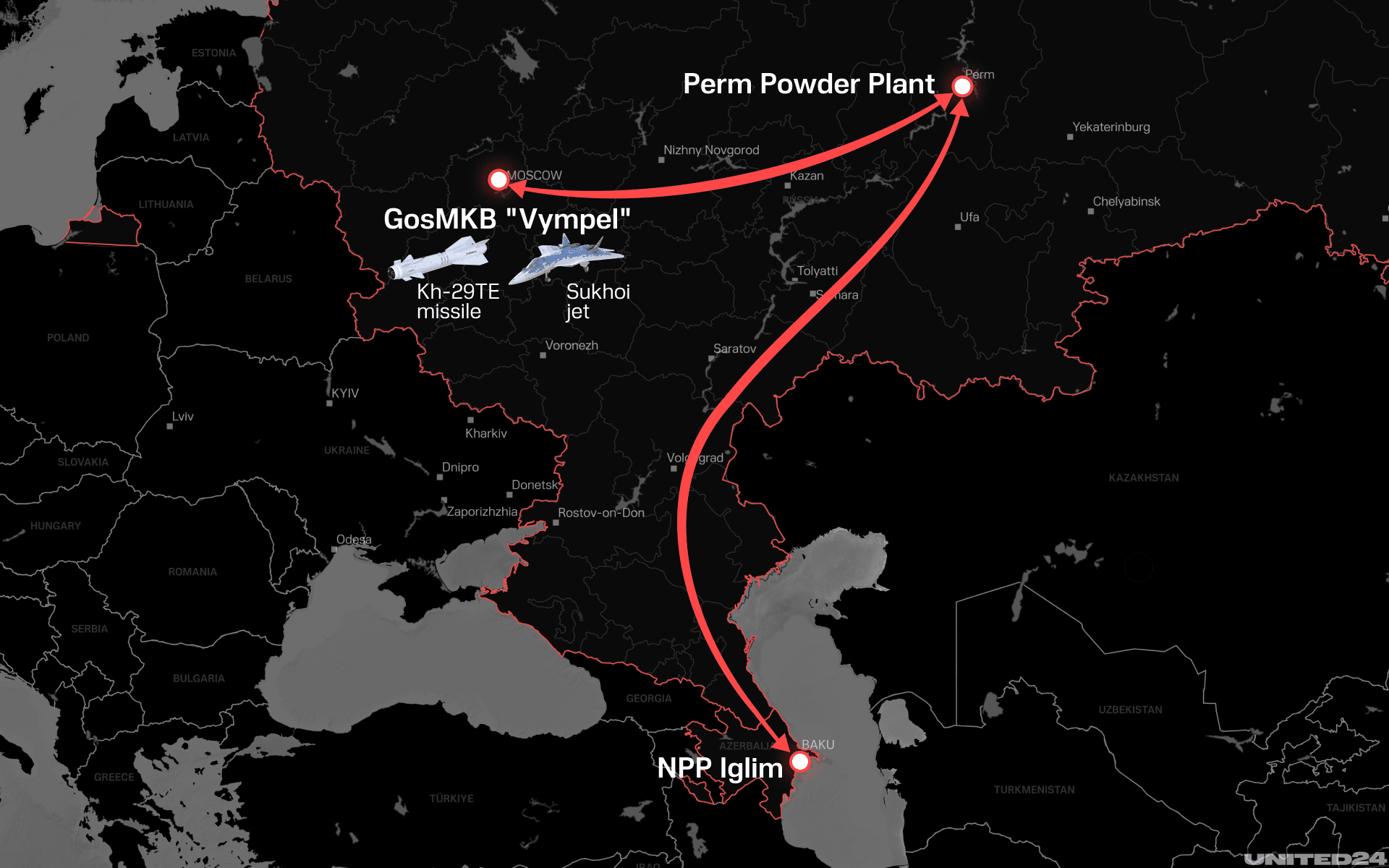
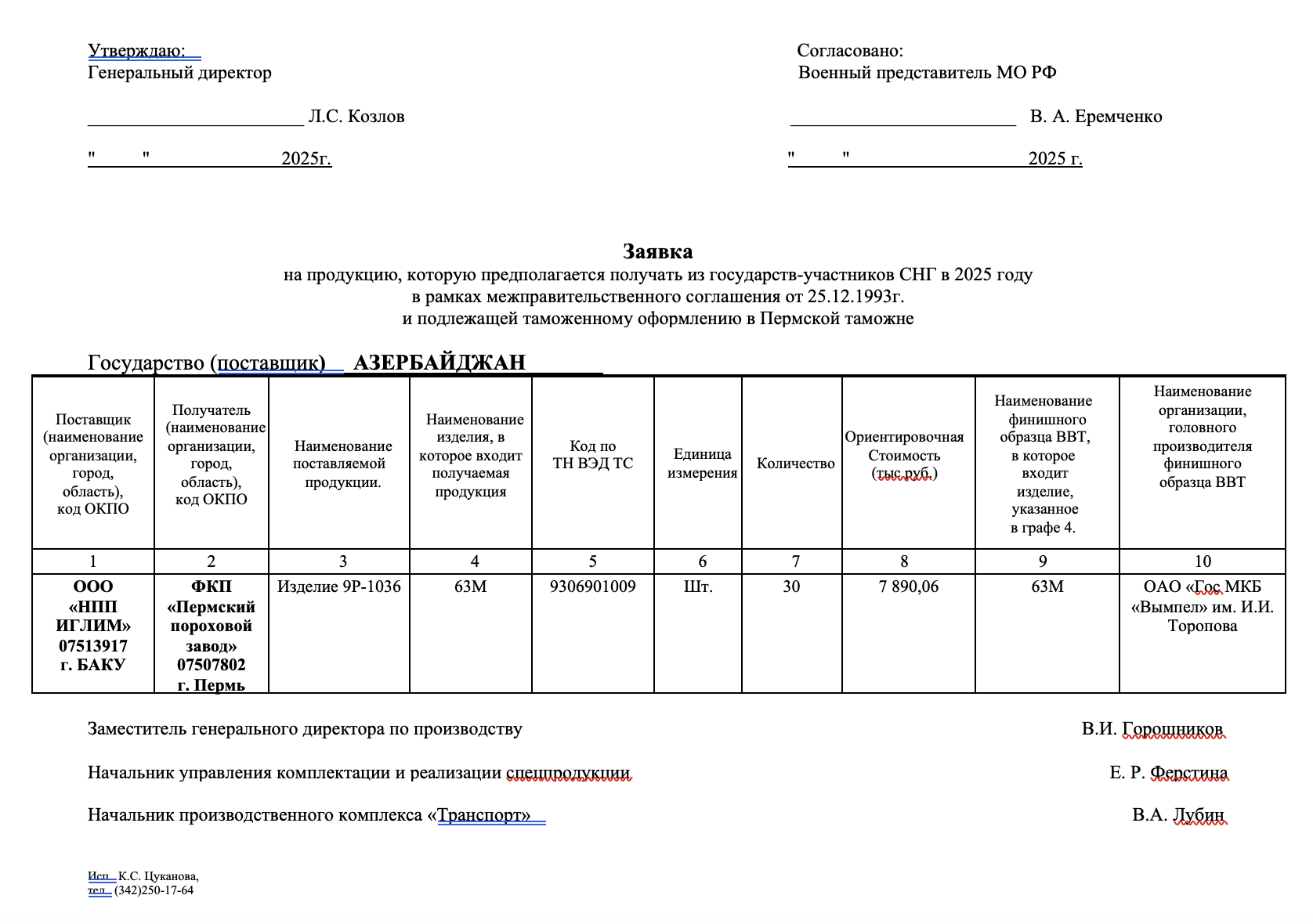
An unknown product, designated 9R-1036, is sent from Perm Powder Plant to Iglim in Azerbaijan. It is then installed into a component designated 63M, and then the ultimate recipient is the Russian Ministry of Defense.
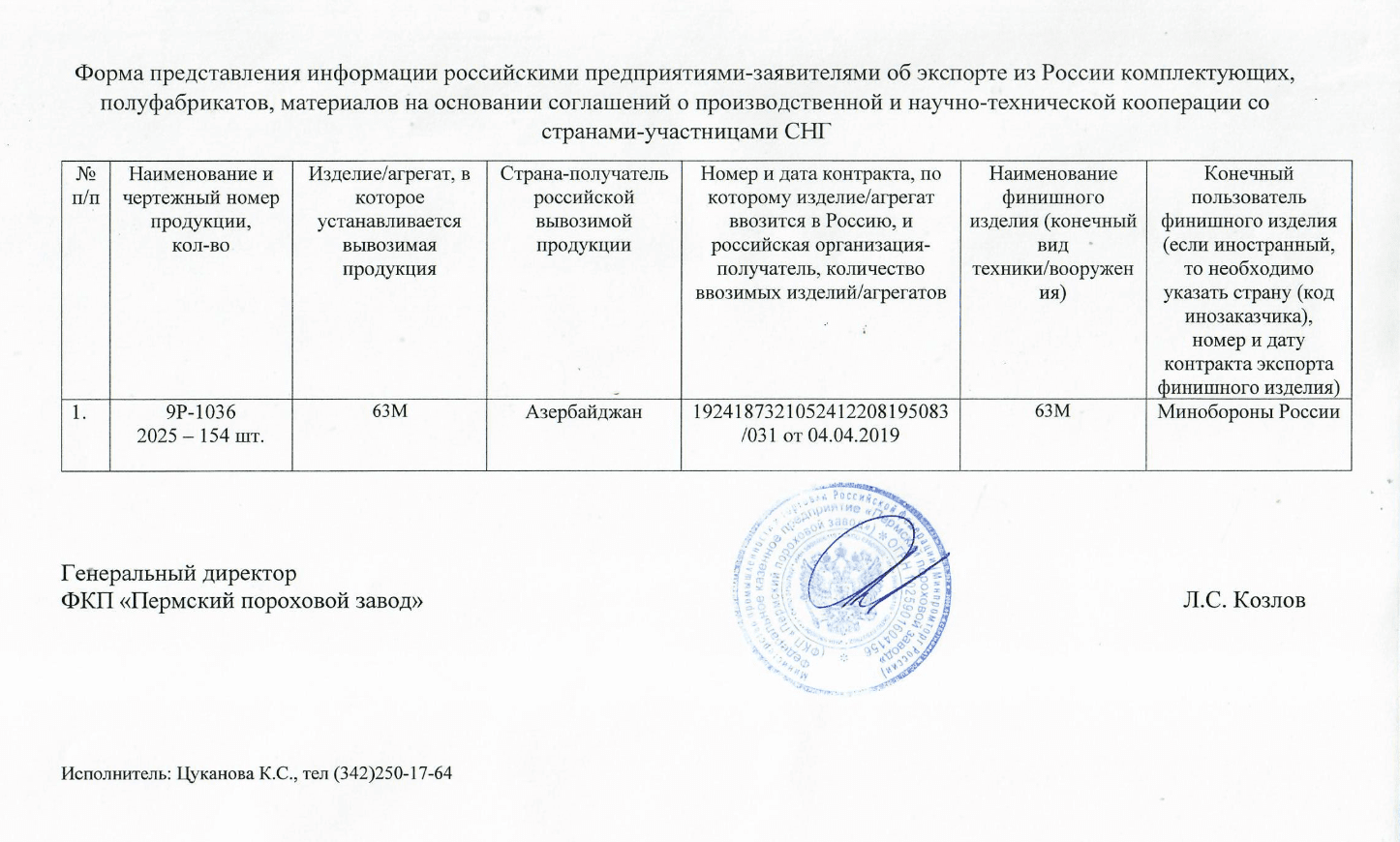
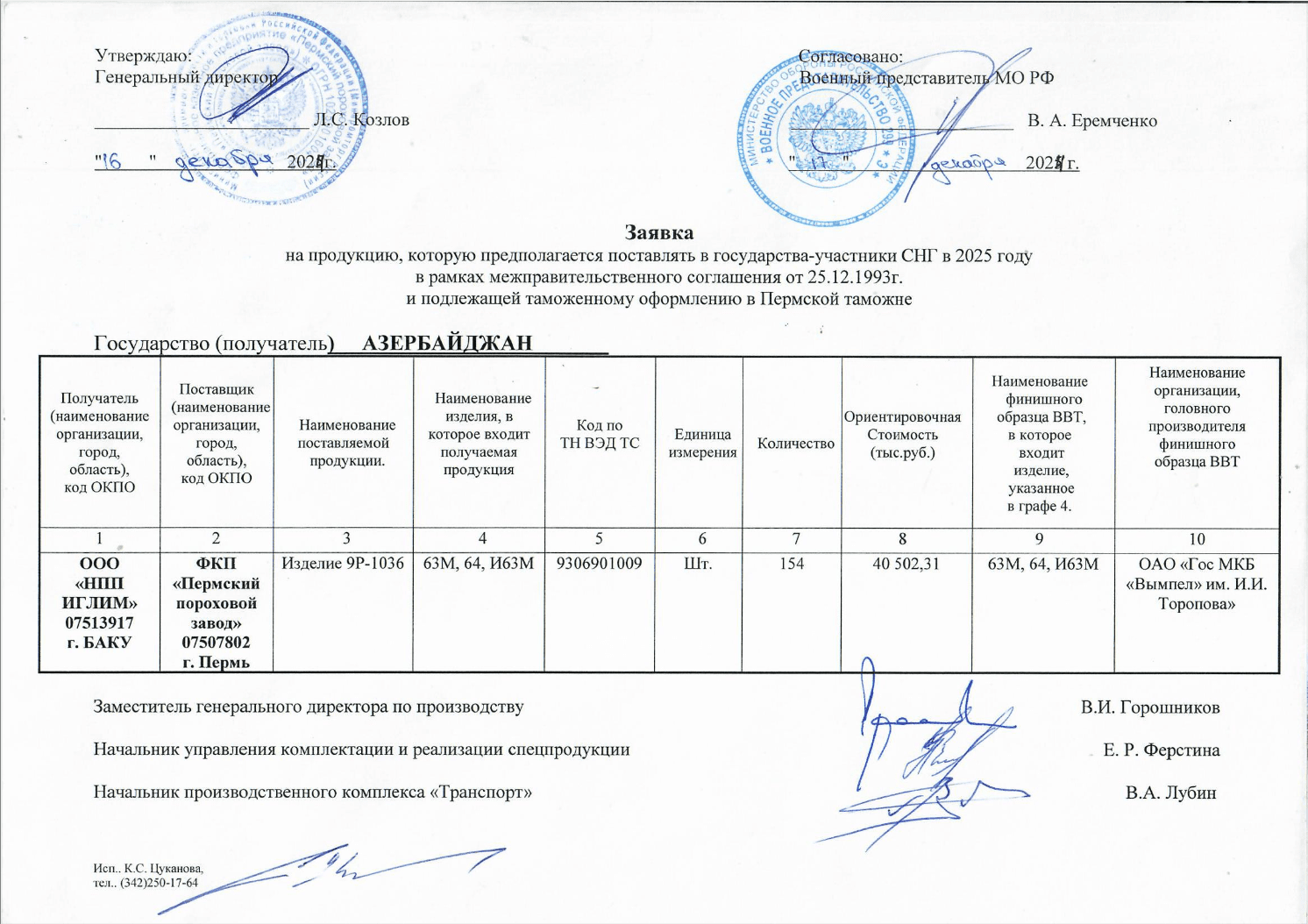
However, it is not just that they are shipping from Perm to Iglim; in fact, Iglim then sends it back to Perm, and then to the final recipient. The final part of the chain is GosMKB Vympel, a manufacturer of Russian aviation weapons. Iglim is a crucial intermediary part of the production process.
Who are Perm Powder Plant, Iglim, and Vympel?
Perm Powder Plant is a major node in Russia’s military-industrial chain, producing large-scale explosives and gunpowder for military purposes. For example, they create nitroglycerine for missiles from Uzbek cotton. It is a state-owned factory, so any trade with the plant must involve Russian government oversight and cooperation. This plant is also under sanctions from the EU, US, UK, Canada, Australia, Switzerland, Japan, and Ukraine.
NPP Iglim is a company based in Baku, Azerbaijan, specializing in small arms and aviation equipment. It was founded in 1961 as an air-conditioning enterprise, though it later became an aviation factory. In 2006, it was taken under state control as a Scientific and Production Enterprise. On LinkedIn, they described themselves as a manufacturer of air conditioning and control parts, cabin pressurization systems, and other non-weapon-related products. Although they mention that they “design and manufacture high-end non-standard equipment”. Their website is a government page that no longer works.
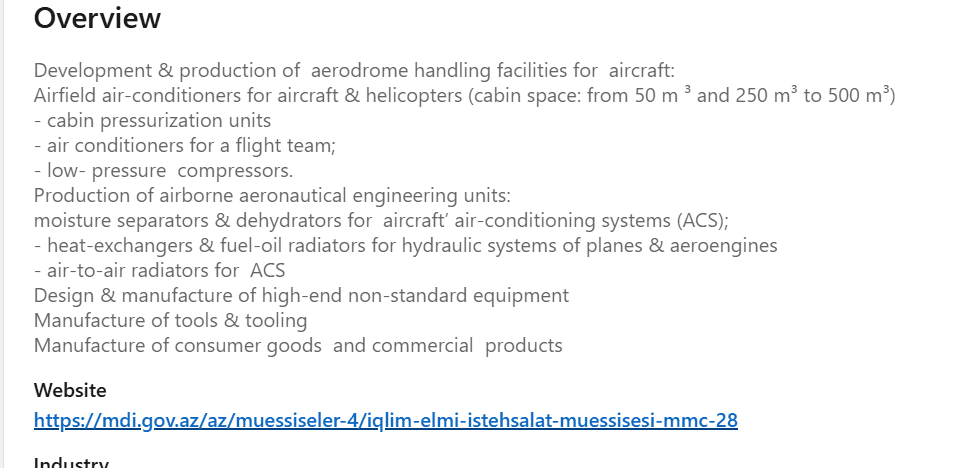
Azersilah Defense Industry Holding CJSC owns it. This is a joint venture, and describes itself as follows:
Operating with state support and institutional oversight, Azersilah stands as a trusted strategic pillar of the defense industry. The holding brings national production capabilities together within a unified system, ensuring the development, production, and modernization of defense systems that require the highest levels of responsibility, transparency, and long-term reliability.”
We reached out to both NPP Iglim and Azersilah for comment on the chain, if it is still active, and whether it is being phased out. We have received no response from them as of writing.
The final destination, GosMKB Vympel, is a joint stock company that manufactures air-to-air and air-to-surface guided missiles, guided missiles for anti-aircraft systems, launchers and catapults, bomb and torpedo holders, and passive jamming devices for protecting aircraft and helicopters. It is under sanctions from the USA, EU, Ukraine, Canada, Australia, Japan, and Switzerland. It is then exceedingly likely that the parts sent to them are used for missiles just by the nature of the factory; however, the documentation tells us more.
This is a government-sanctioned chain in Russia and Azerbaijan. One document from 2024 clearly shows the logo of the Russian Ministry of Industry and Trade forwarding the approved product lists for Perm Powder Plant and requesting reporting.
What components were sent between Russia and Azerbaijan?
Iglim is receiving and sending a product from and to Perm, an unknown chemical or component. It is referred to as 9R-1036, which goes into the “63M, 64, I63M” at Vympel. The export code is 9306901009. This code relates to ammunition, projectiles, and other parts thereof for military purposes.

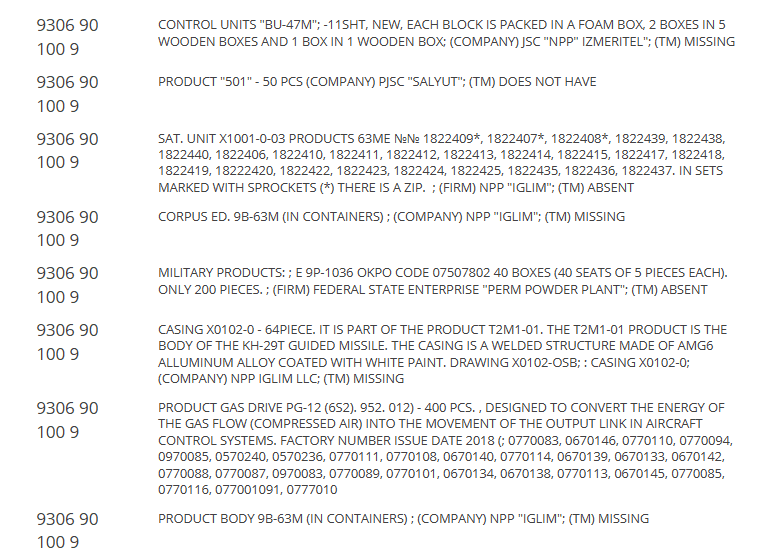
According to a Russian trade analytics company, this code is associated with a range of specific military products, from control units to components of the missiles manufactured at the Vympel plant.
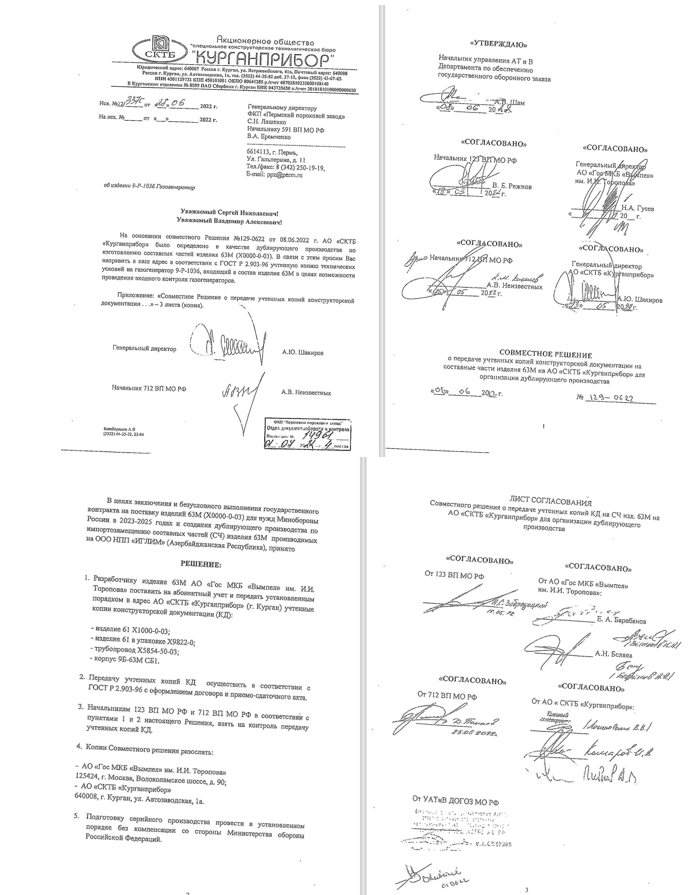
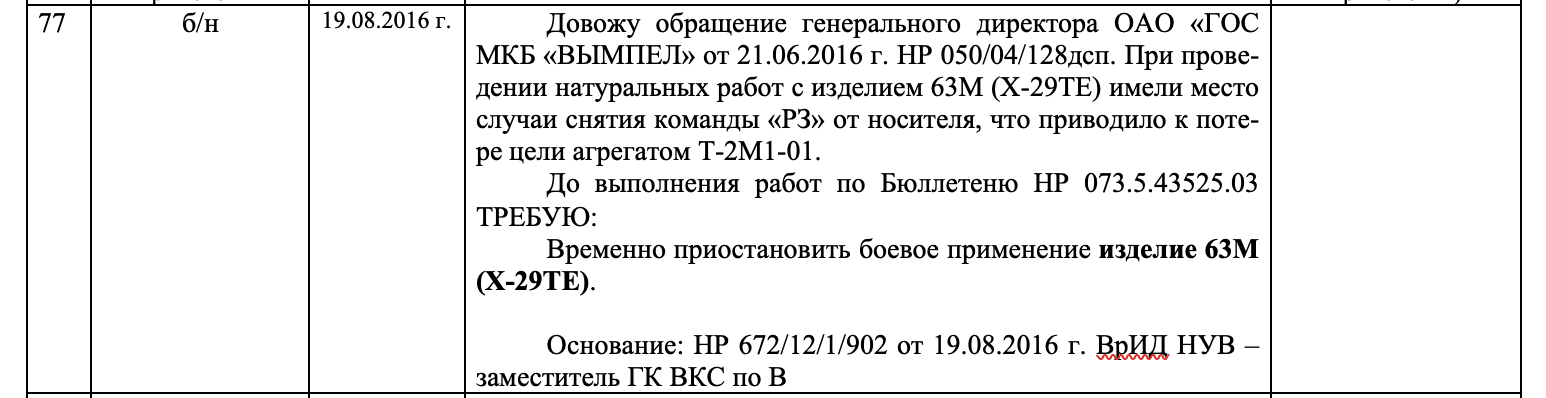
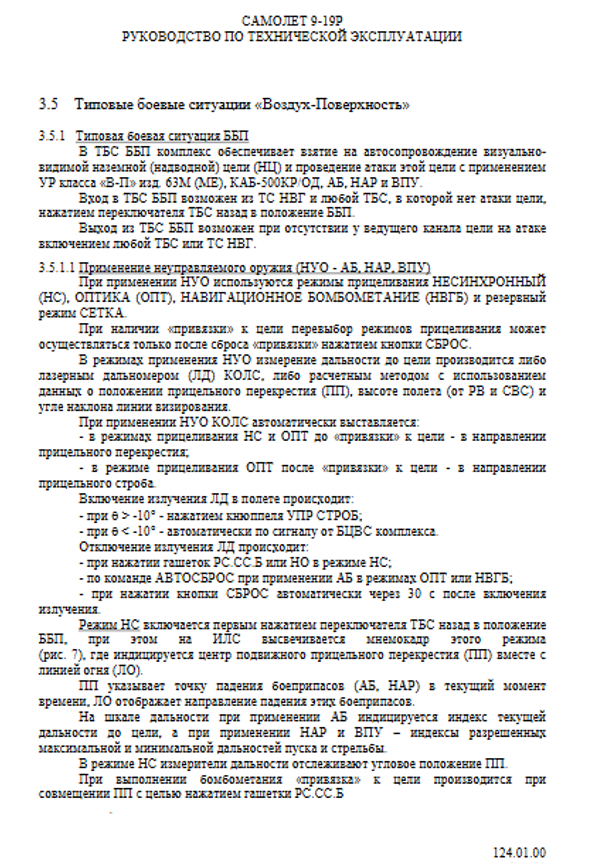
In one letter, we can see that 63M consists of multiple parts, including one product designated 61 X1000-0-03, which other letters show is used in the creation of Kh-29TE missiles. This is evident from a letter from JSC “NPO Kurganpribor ”, a manufacturer of the main parts of product 63M. An older letter corroborates that fact, listing manufacturing problems for the missile and noting that 63M is one component in these missiles.
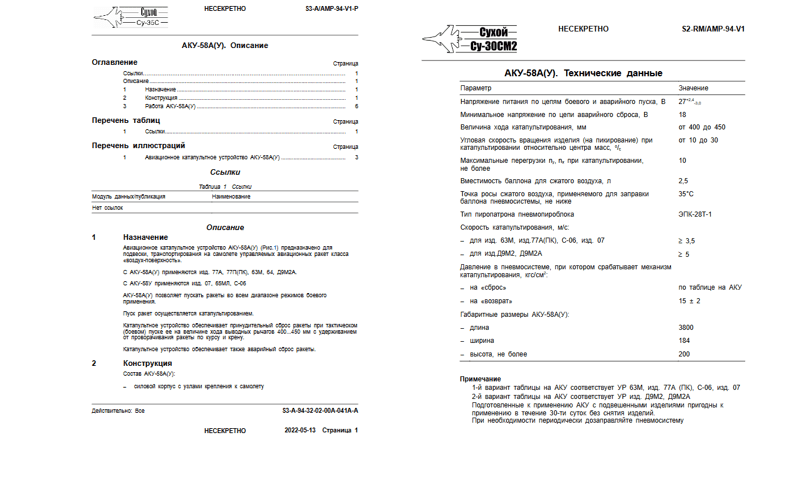
The product 63M is listed in Sukhoi documents stating that products 63M, 64, and 63ME are used on Su-35, Su-30, and MiG-29SM type aircraft. This means that the chain relates to the missiles used by jets that attack Ukraine.
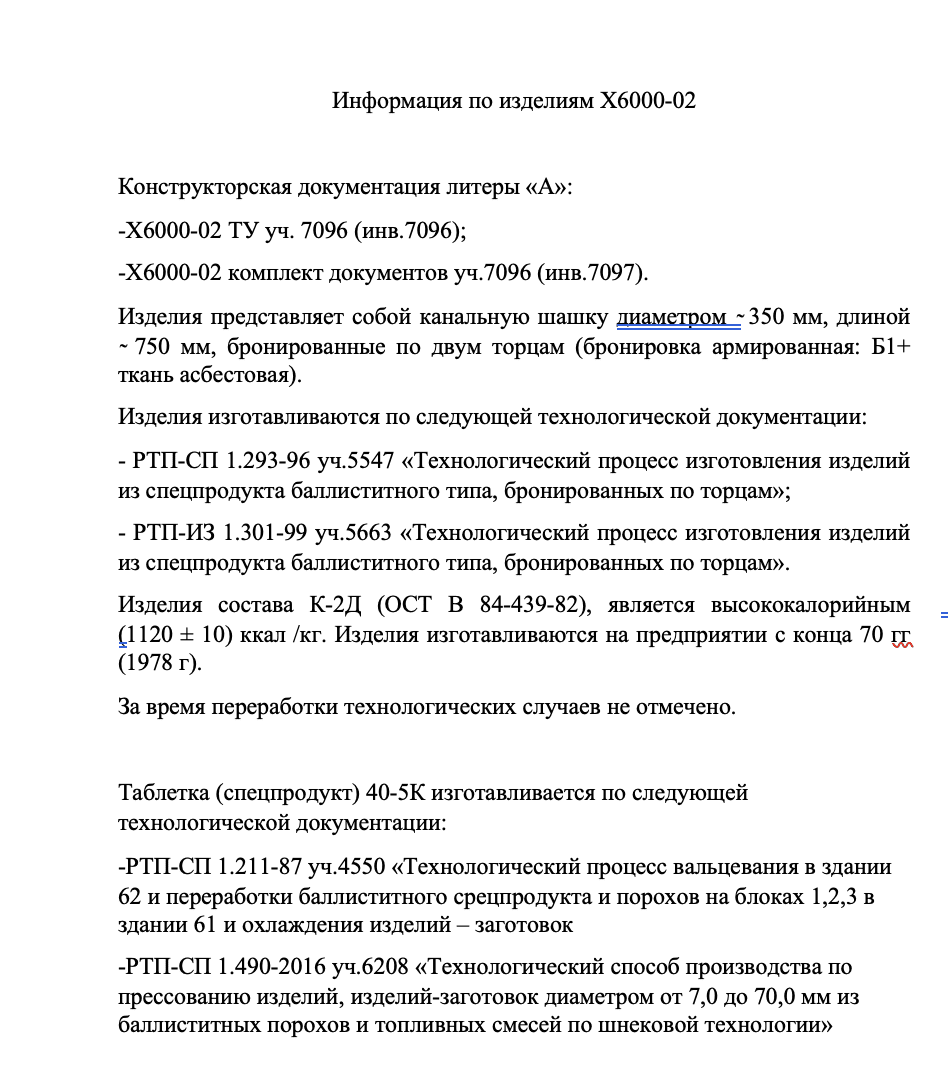
There’s a second chain as well. The document below is about the X6000-02. It is made from a ballistic-grade composition and manufactured in accordance with specific technical documentation. This is also something that Iglim purchased from Perm. It is also a “ballistic type product,” meaning it is likely for the manufacture of missiles as well.
The supply chain that continued after Russia’s war
This chain started before the Russian full-scale war against Ukraine. One document from Azerbaijan shows that the order was in place prior to the full-scale invasion and has not stopped.
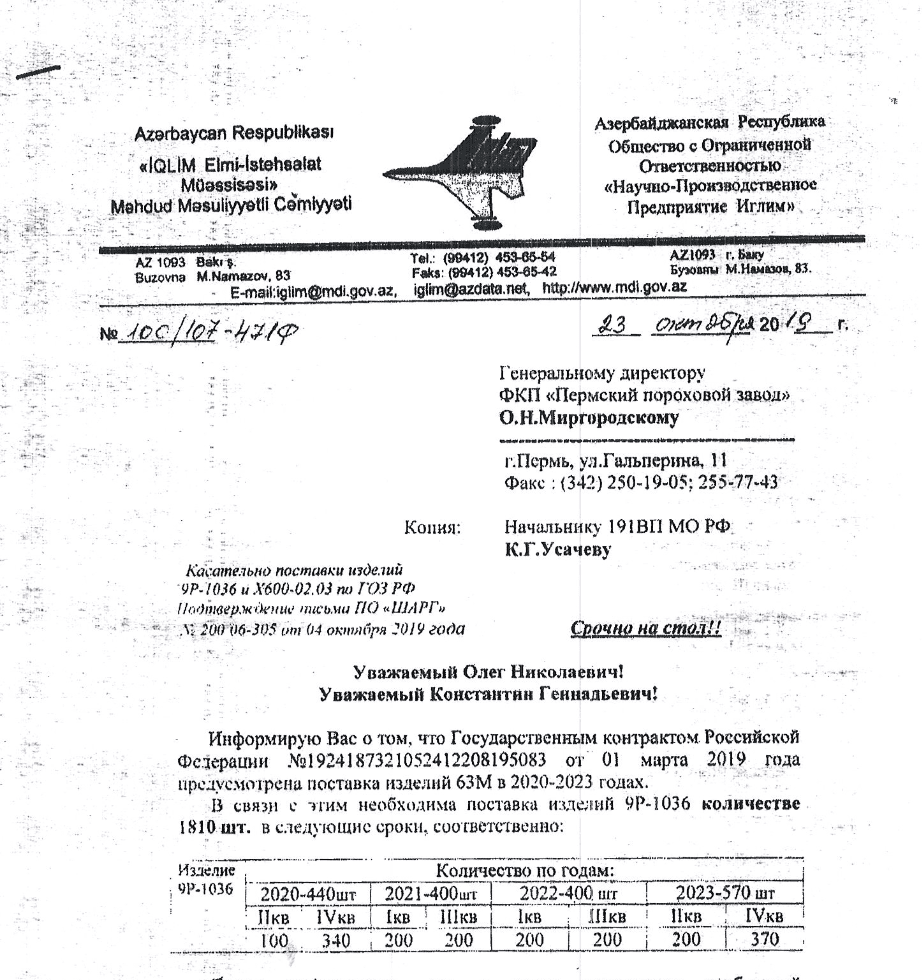
It lists the quantities of components expected to be sent by Perm Powder Plant to the Iglim factory in Azerbaijan over the upcoming years.
Another document specifying Perm's expected delivery volume for 2021. There appears to be no major discrepancy at this point.
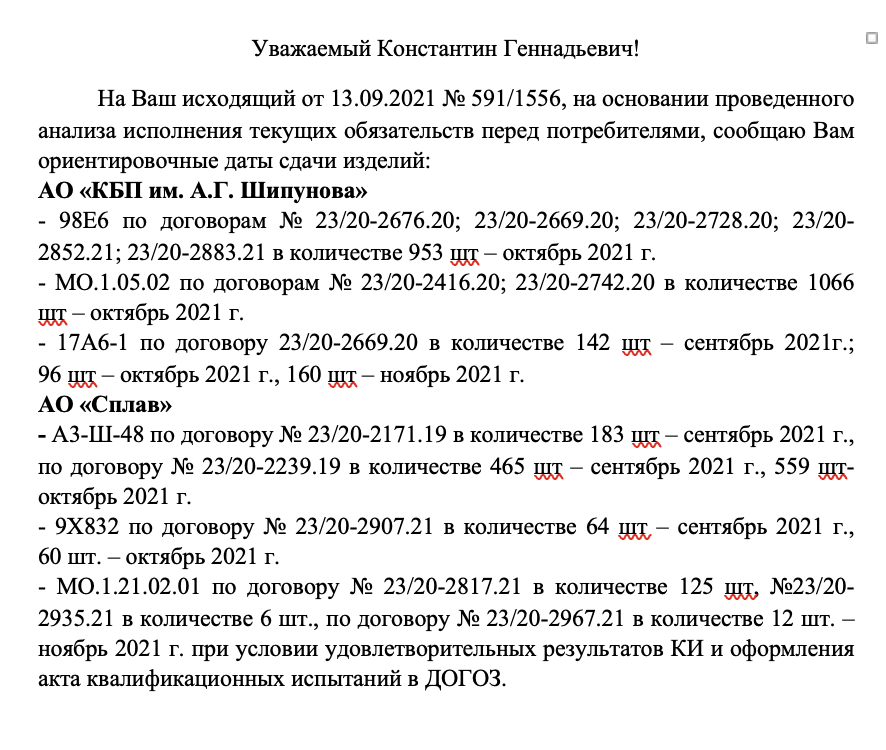
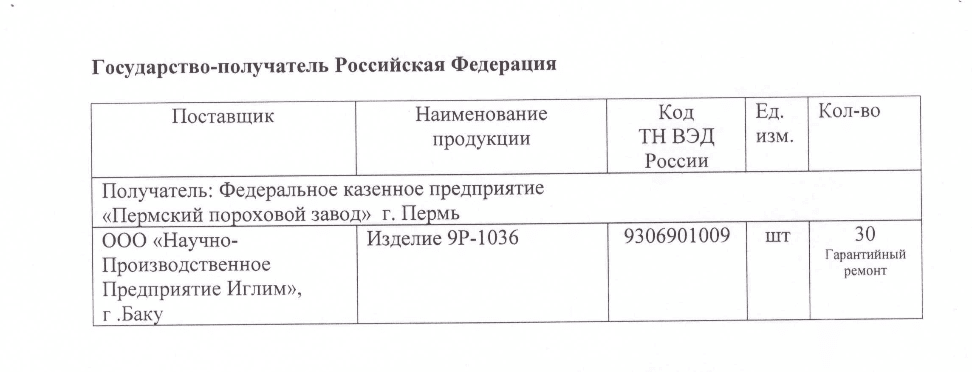
However, another document shows that the volume appears to increase in 2023, when the full-scale invasion is underway.
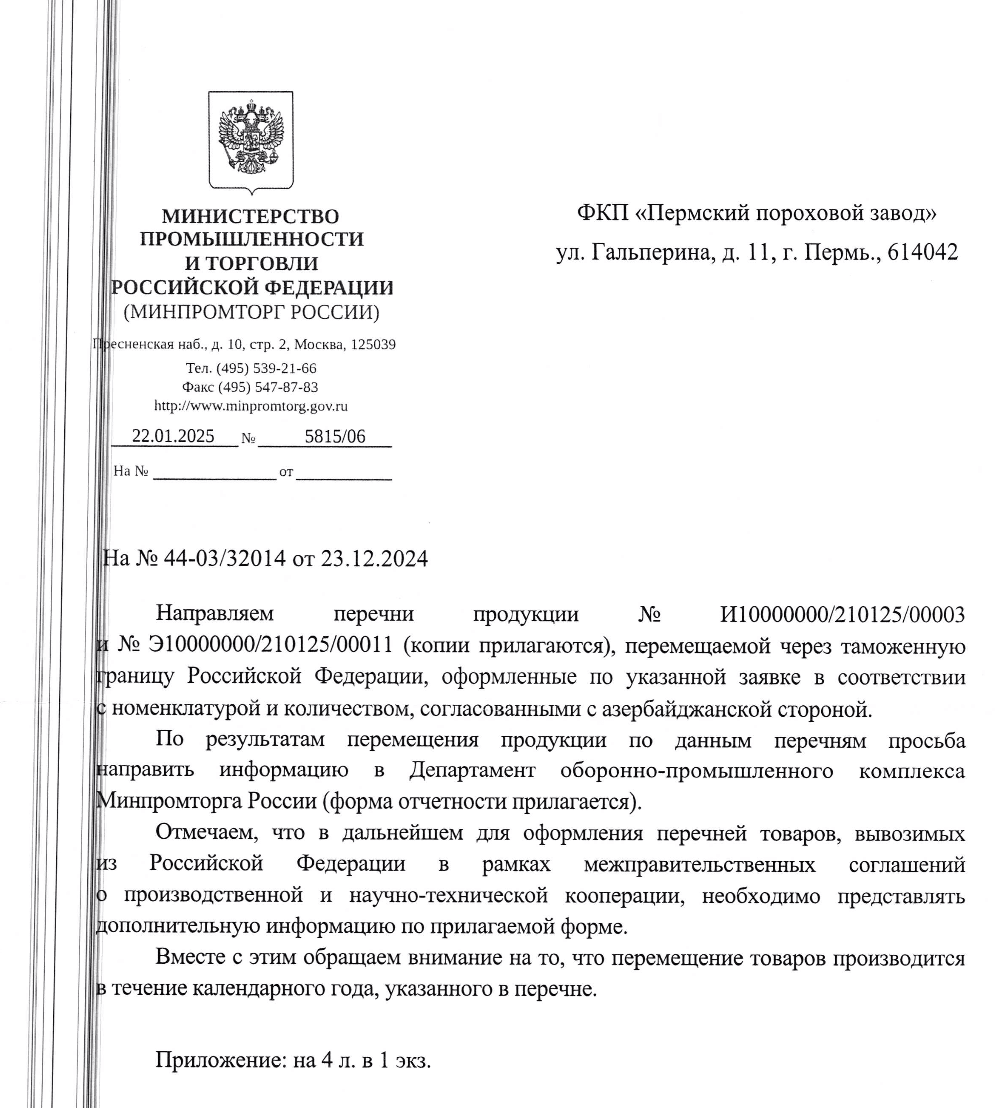
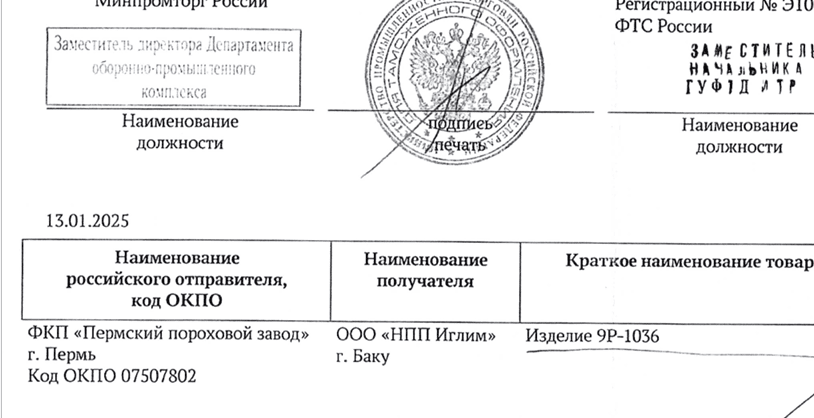
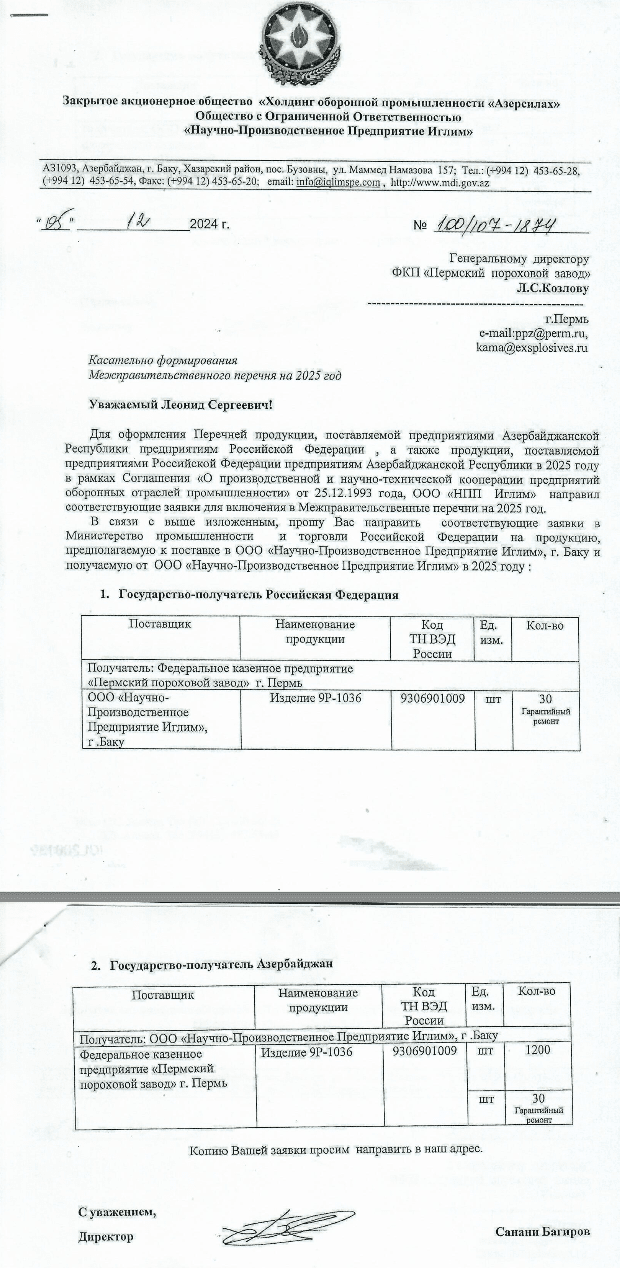
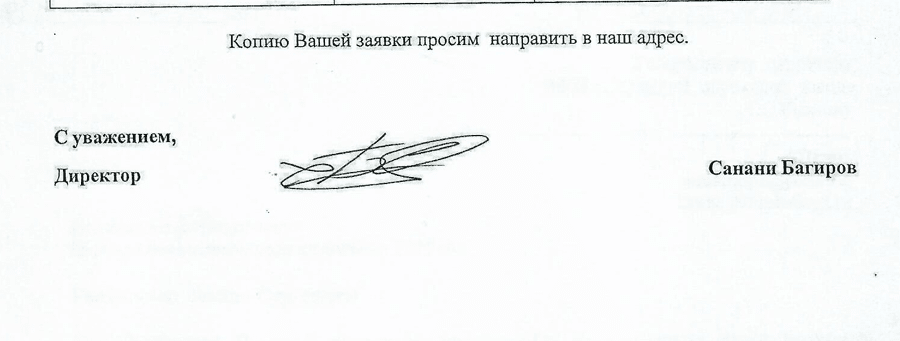
This chain continued well into the war. This agreement is part of an intergovernmental Russia–Azerbaijan agreement on production and scientific-technical cooperation between defense-industry enterprises. Iglim requests that Perm submit the relevant applications to Russia’s Ministry of Industry and Trade. It is signed by Sanani Bagirov, the director of Iglim. He was appointed director in 2024, replacing Sabir Abbasov.
Why the Iglim-Russia missile connection matters
NPP Iglim has helped Russia with missile production. Documented evidence shows that, despite sanctions and the ongoing full-scale war, elements of Azerbaijan’s defense industry appear to have remained connected to Russia’s military production chains. While Azerbaijan does not publicly declare support for Russia’s war, the continued cooperation raises questions about oversight and enforcement of existing restrictions.
These findings also come in the broader context of the war’s regional impact, including damage to diplomatic facilities such as the Azerbaijani consulate in Kharkiv. They also follow the 2024 incident involving an Azerbaijan Airlines passenger aircraft that was damaged in Russian airspace after reportedly being struck by fragments of a Russian air defense system during the interception of a drone attack, with Russian authorities later acknowledging that the aircraft had been mistakenly hit.
Discuss this article:




-206008aed5f329e86c52788e3e423f23.jpg "Photo of Oleksandr Moiseienko")