- Category
- Investigations
Without Uzbek Cotton, Russia’s Missiles Can’t Fly—There’s No Viable Alternative
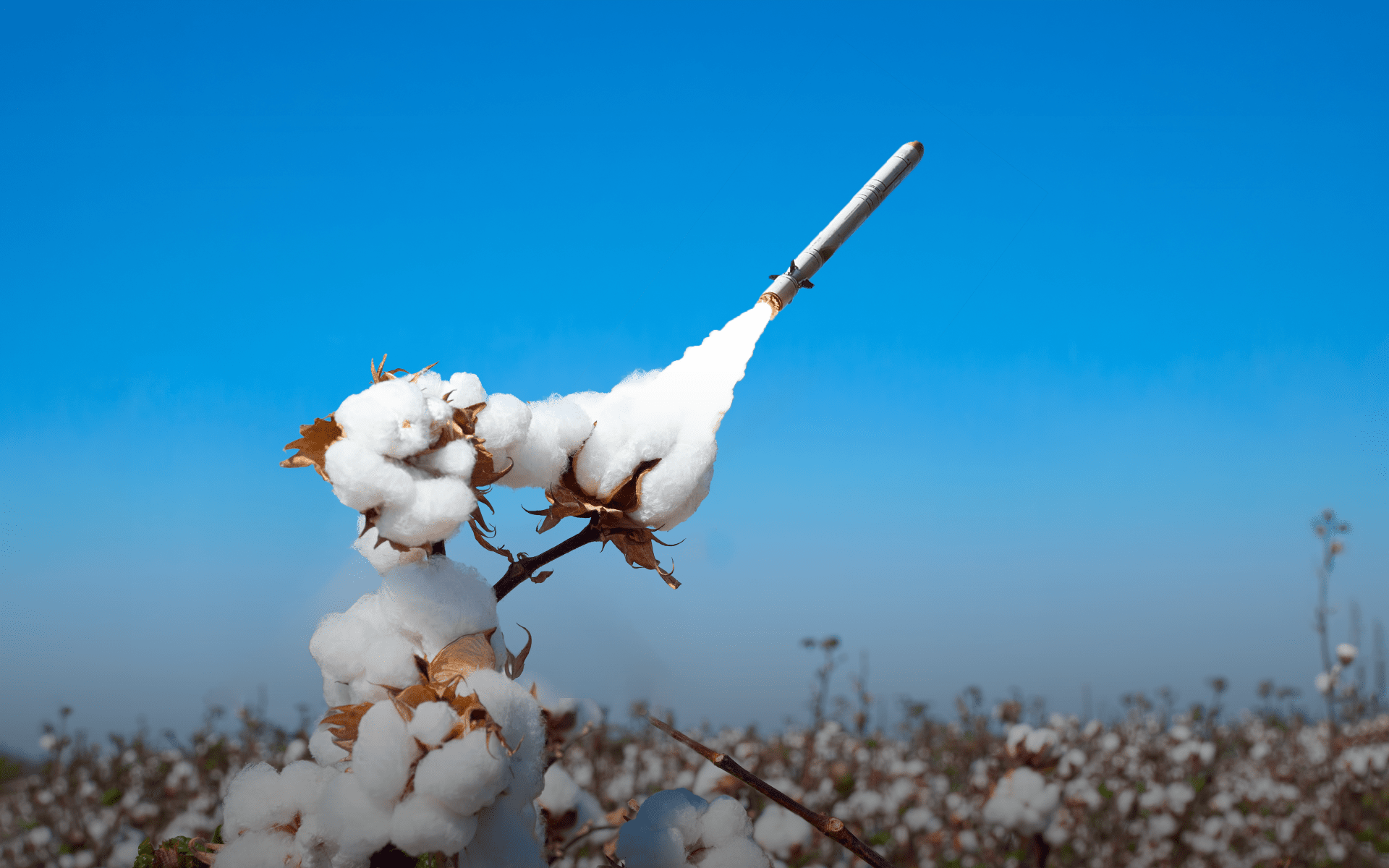
Russian missile production depends on Uzbek cotton cellulose, which is used to make propellant. Russia has no alternative source, shows leaked documentation obtained by UNITED24 Media. While the EU moves to sanction key firms in this chain, we explore how dependent Russia is on Uzbek cotton.
 Prefer U24 Media on Google
- Authors

-605be766de04ba3d21b67fb76a76786a.jpg "Joseph Place")
The EU is currently drafting legislation targeting Uzbek cotton pulp firms that provide materials to Russia, which are used in missile production. Russia has been relying on cotton cellulose, derived from Uzbek cotton, to make missile propellant for years. Targeting this would break a key, and already unstable, bottleneck at a time when Russia wants to increase its missile production.
Cotton cellulose in Russian missiles
Cotton cellulose can be turned into nitroglycerin, used as a propellant in missiles. It is an essential ingredient for Russia’s missile production, as the documentation we acquired shows, and Russia cannot create it locally. This is why Russia relies on Uzbek factories.
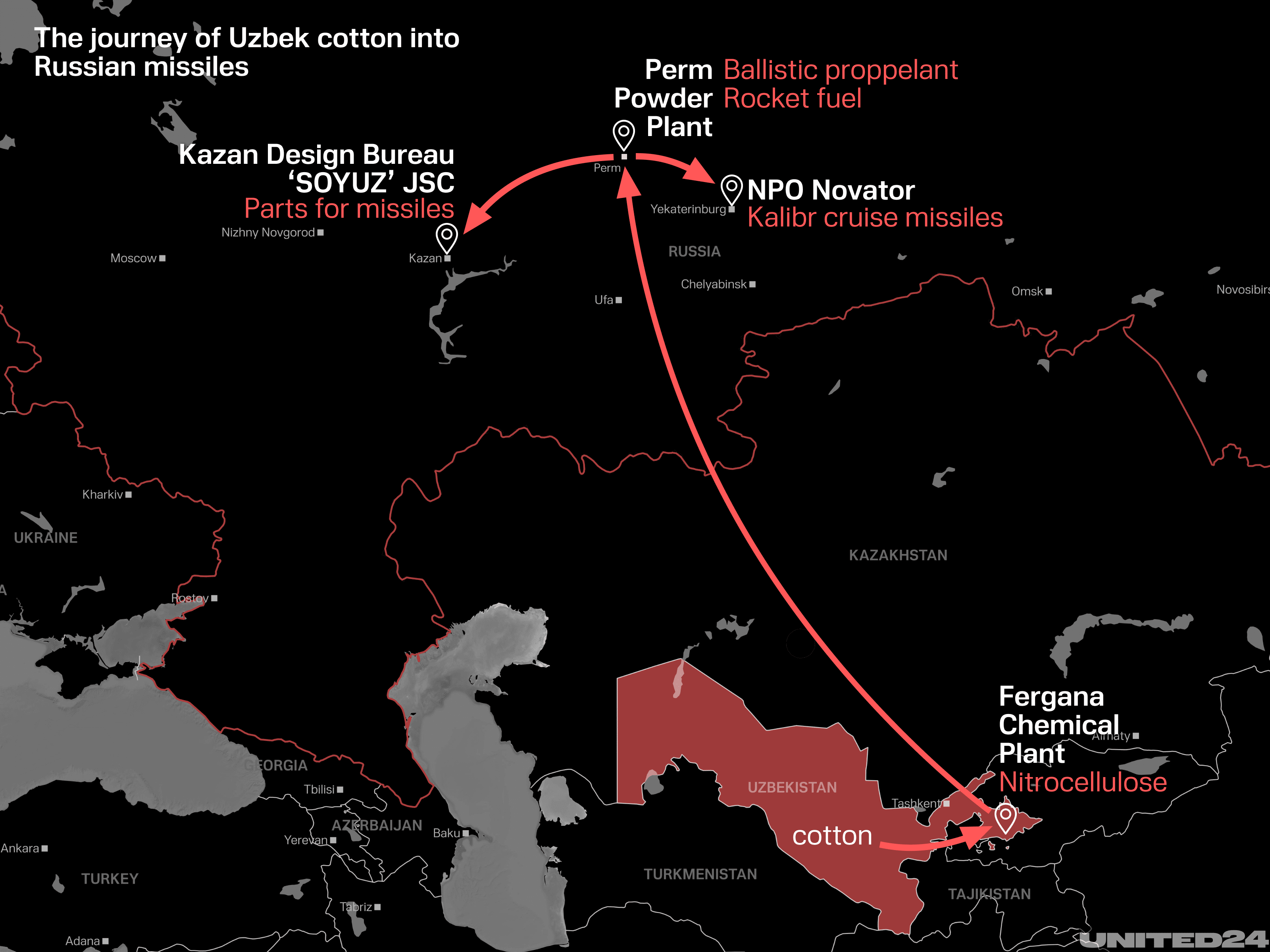
Many of the documents clearly show the urgency of acquiring cotton cellulose and the quantity required for missile production. The Uzbek factories derive cotton cellulose from their cotton farms, a major resource for the country. The cellulose is sent to Russia's Perm Powder plant, where it is transformed into nitroglycerine. It is then transported to factories across Russia, such as Kazan Design Bureau, Soyuz, and NPO Novator, to be used in missile production. There is a particularly narrow supply chain involving the Perm Powder Plant, which is operated by Russia’s Rostec, a state-owned defense enterprise. They provide ballistic propellants and rocket fuels. They use cotton cellulose produced in Uzbekistan. Specifically, the Fergana company, owned by sanctioned British-Uzbek businessman Rustam Muminov, supplied to Russia by intermediaries.
It is worth noting that there have been key changes to Uzbekistan’s regulations and sanctions. In 2025, the UK and EU sanctioned Muminov and others associated with the cotton-to-missile supply chain.
Uzbekistan also announced broader controls, as shared by the Ukrainian Official Sanctions Commissioner. Certain companies are unable to export key products for missile production, and regulatory checks and requirements have been enacted to mitigate the risk of dual-use goods and re-exports. This could disrupt the chain entirely; however, it must be properly enforced, especially given that Russia has used networks to defy sanctions before, and Muminov’s factories have miscategorized products to evade them.
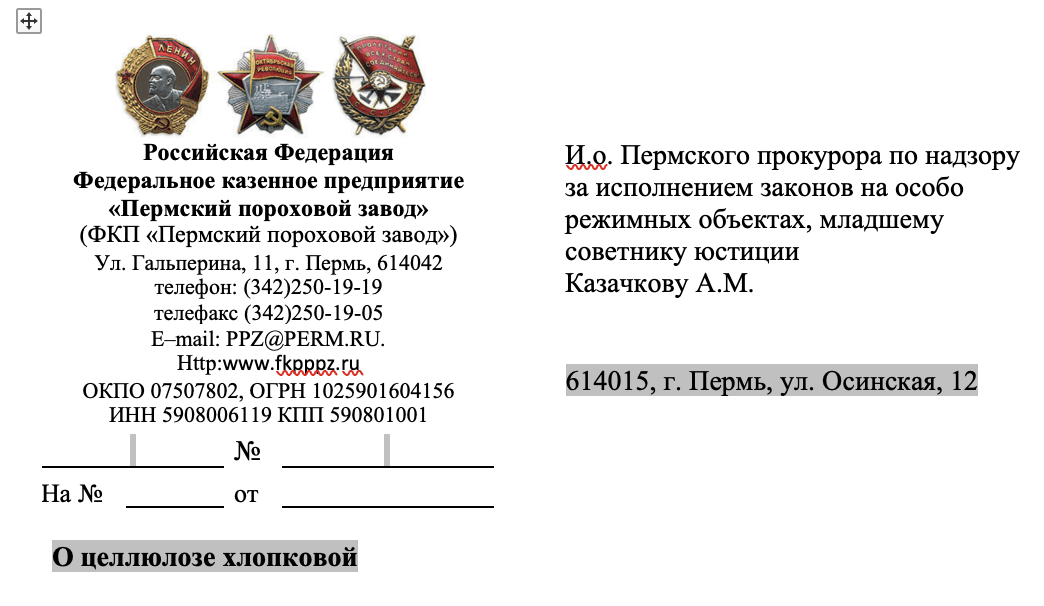
One letter explains that Perm Powder Plant acquired 430 tons of cotton cellulose, which was used in 2023 to produce approximately 70 ballistic-type compounds for 200 “products”.
Another document confirms the use of parts from the Perm plant in the manufacture of missiles. It states at the start, “In response to the letter dated 13.05.2024, outgoing No. SP-4219/17278 ‘On the performance of work under the conditions of JSC NPO SPLAV and the R&D work ‘Len-111’ for the purpose of modernizing the 9M22U projectile, the Federal State Enterprise ‘Perm Powder Plant’ (hereinafter referred to as the Enterprise) reports that it is a manufacturer of special-purpose products in serial production.”
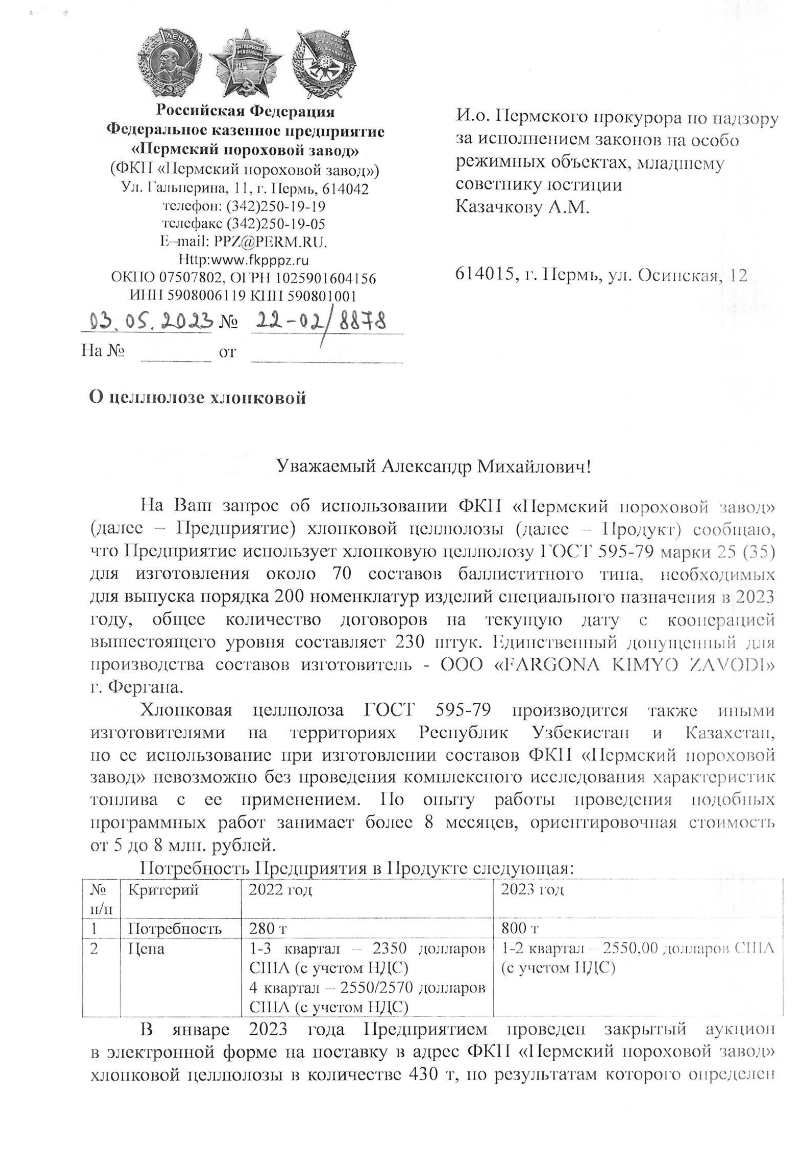
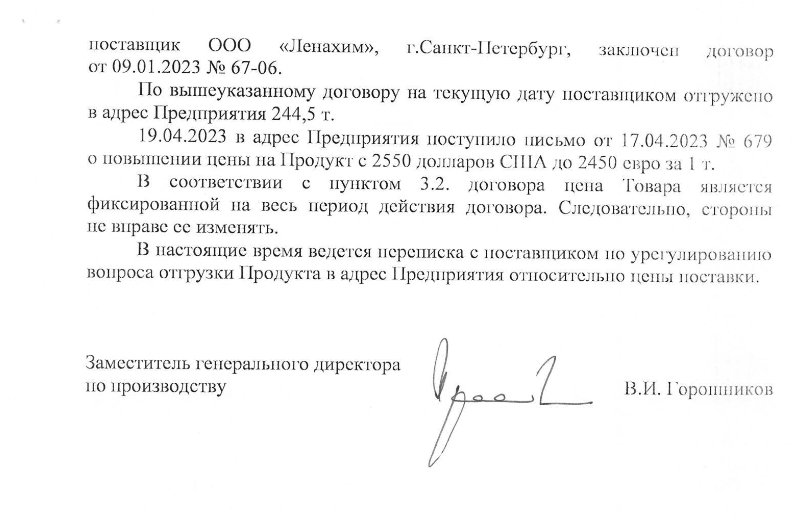
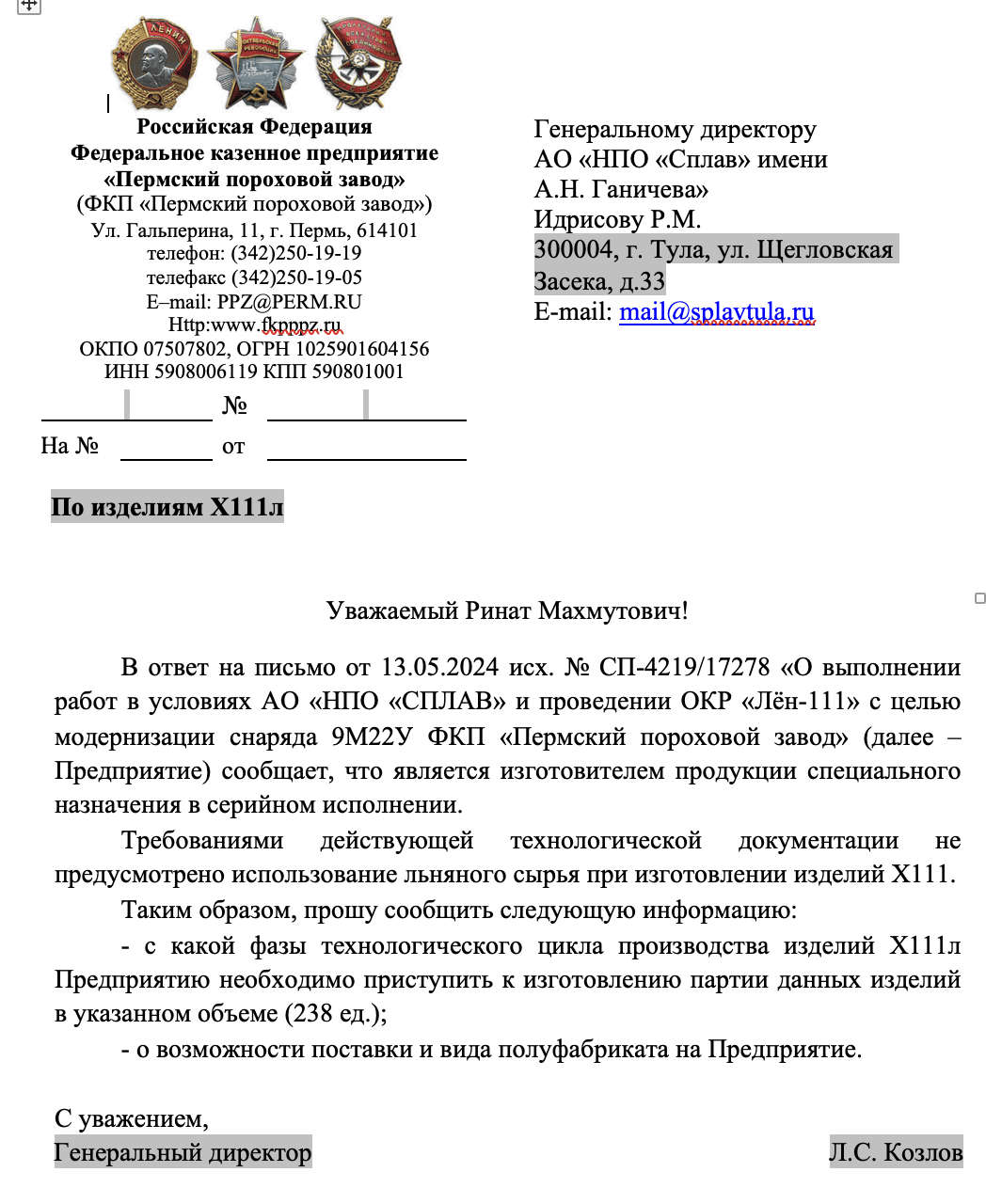
Another document also confirms that these are military orders. There is no possibility that the shipments of cotton cellulose have any other intended use and are ordered specifically for the creation of missiles in Russia.
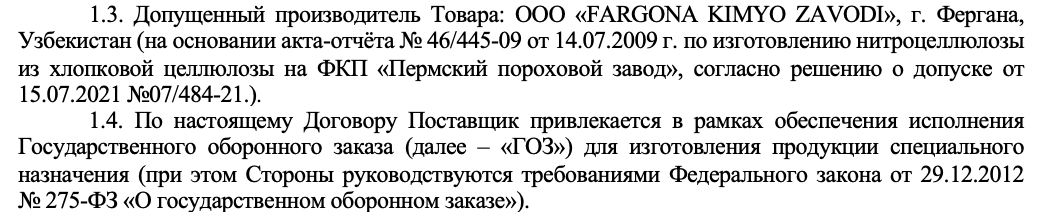
So we can see clearly that cotton cellulose is turned into nitroglycerin for military ballistics. However, not only this: all ballistics require it. One letter states that cotton pulp
is used for “All ballistite compositions and spherical propellants, and is derived from the Fergana factory.” The same document lists potential alternatives within Russia, such as Kazan; however, no evidence is provided that these factories are used to meet the demand.
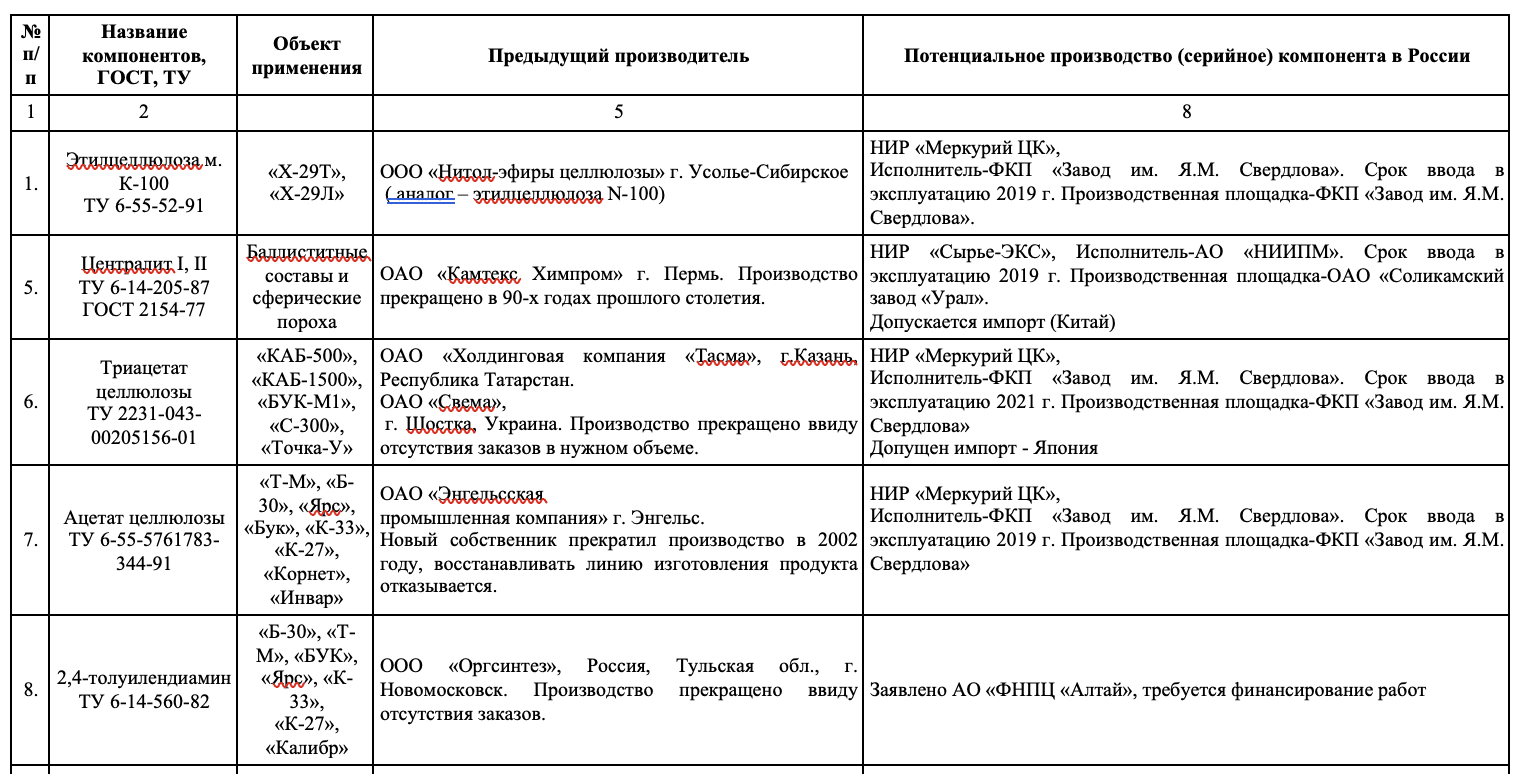
The document, in fact, shows that some Russian governmental bodies are aware of the dependency problem and are considering research and development to address this bottleneck. However, the factory is not currently able to provide the cotton cellulose; it is merely a hypothetical alternative. That means Russia cannot manufacture ballistic missiles without this supply. Many other documents demonstrate the nature of the cycle, the weaknesses in the supply chain, and the rising demand.
Year-by-year breakdown of documents
2020–2021: Pre-full-scale war production
An internal memo discussing alternatives for various products from foreign partners shows that cotton cellulose is critical and that there are no viable alternatives. Meaning that Russia has been depending on cotton from Uzbekistan for many years, and yet has not adapted its production process. This shows that some Russian bodies were aware of the problem of dependence prior to the full-scale war against Ukraine; however, it was not expected to be such an issue.
Prior to Russia’s full-scale invasion, however, it appears that shipping and manufacturing continued. Documentation indicates that orders are being fulfilled and that capacity is acceptable. In one chart, we see orders for the processed product, nitroglycerine, which is then turned into propellant mixtures (ВИК-2Д, РСИ-12М, БНД-С). Here, it is approximately 30 tons per year.
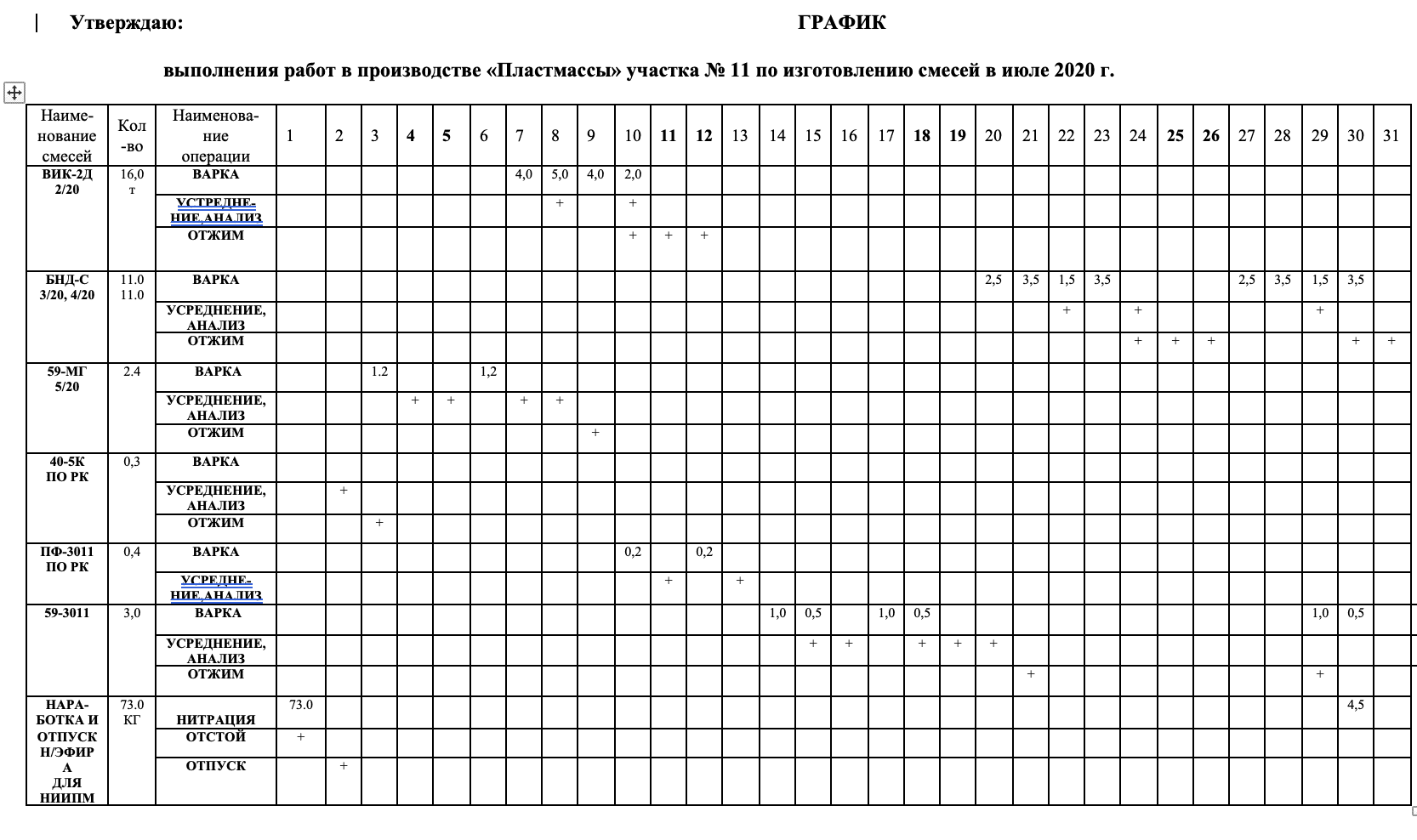
There is a relative increase in the following year, to 47 in this document. Nonetheless, the volume was satisfied by the providers in Uzbekistan.
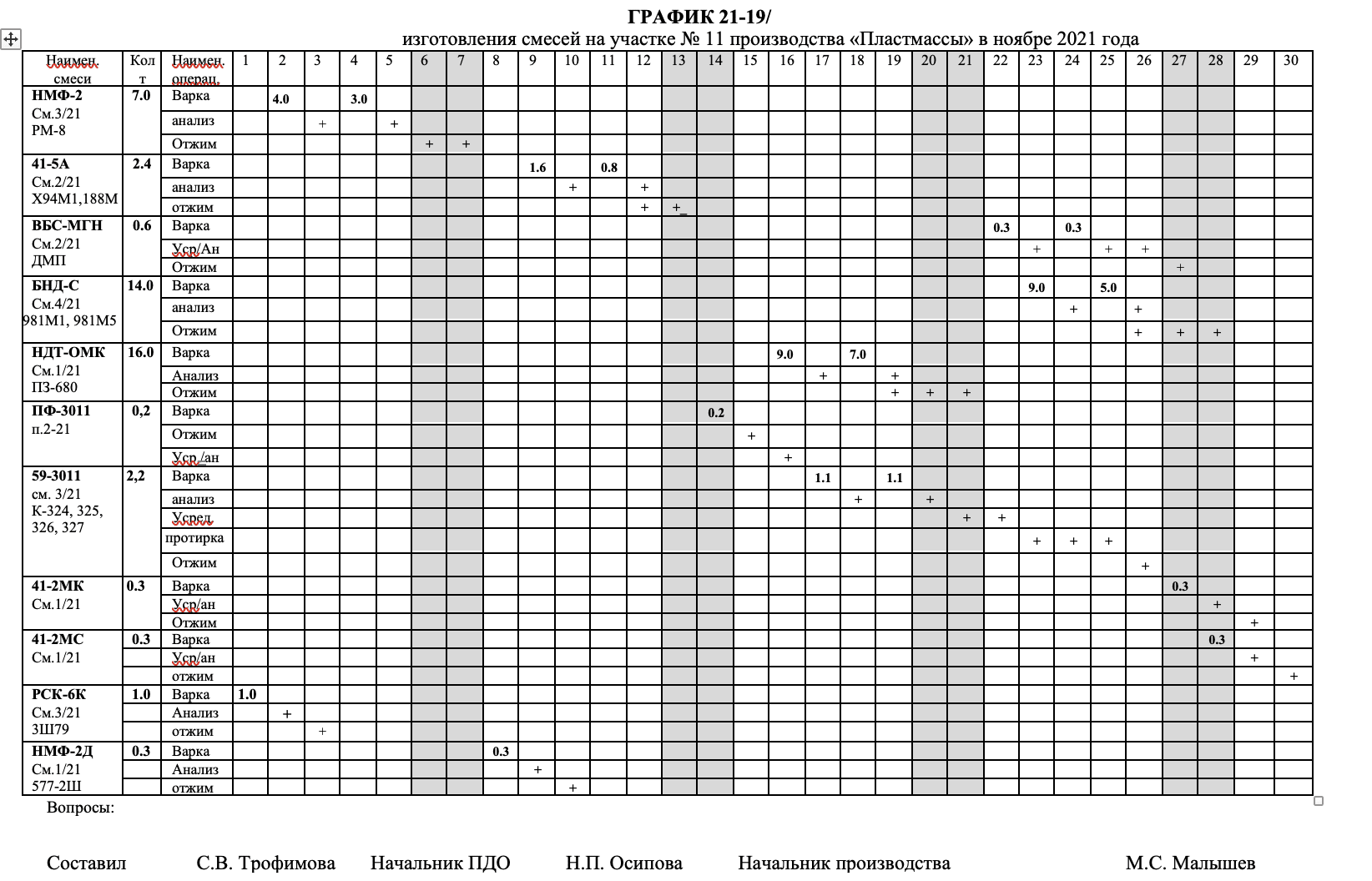
2022–2023: Russia’s full-scale invasion of Ukraine
This is the period when things begin to change. A 2022 contract shows that these orders were placed in the year of the full-scale invasion, a trend that would continue to this day. Demand for the final product is up to 110 tons per year. Russia’s aggression has driven up demand.
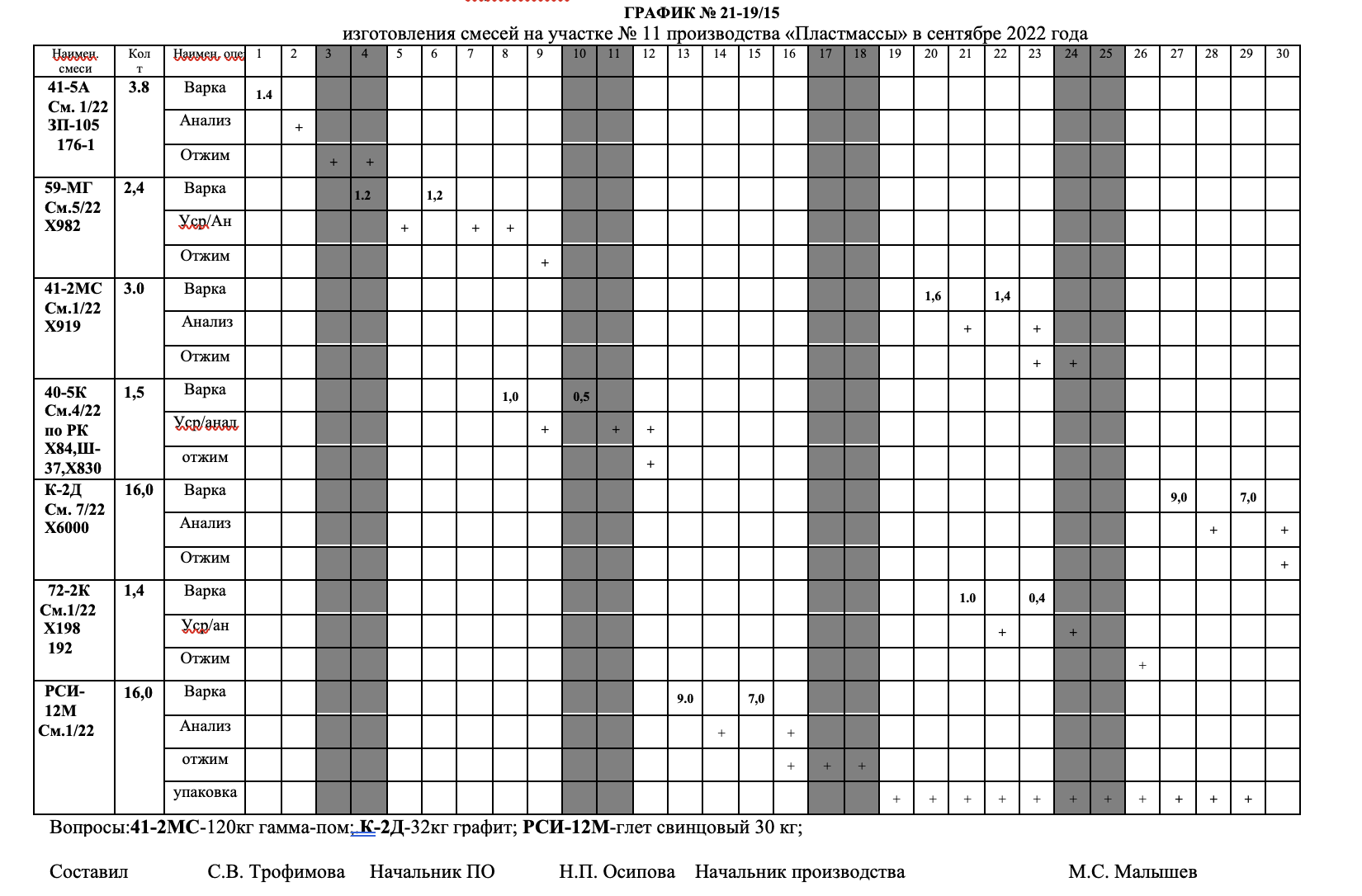
Similarly, demand massively jumps up in 2023. The desired raw materials vary according to the documents, but one states that up to 430 tons (main contract) and up to 880 tons (framework agreement) are required.
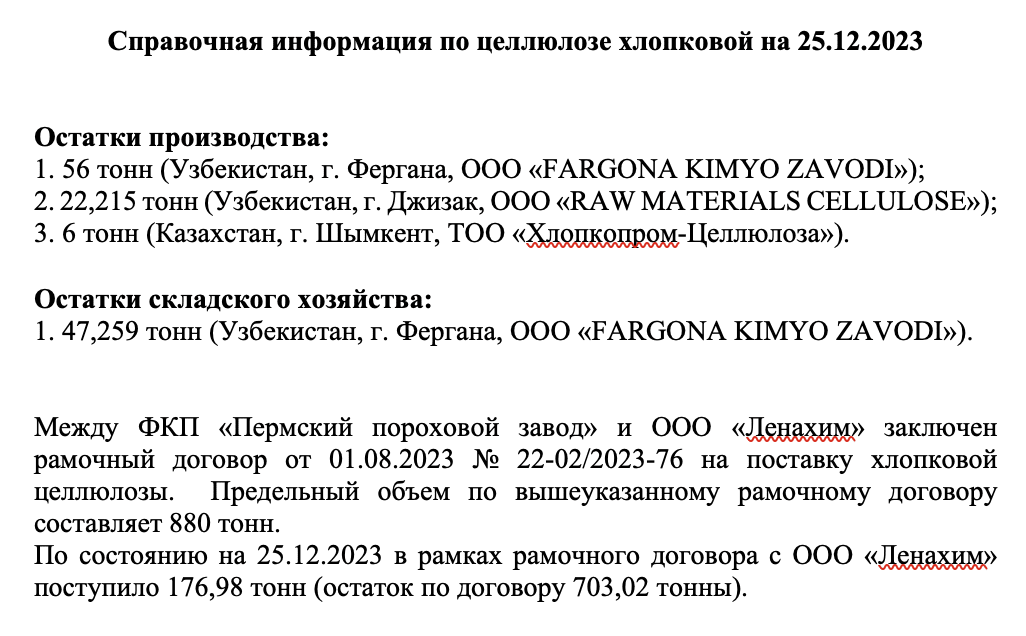
At this point, we see about 100–120 tons of monthly output, rather than yearly. This is a huge increase as the war increases.
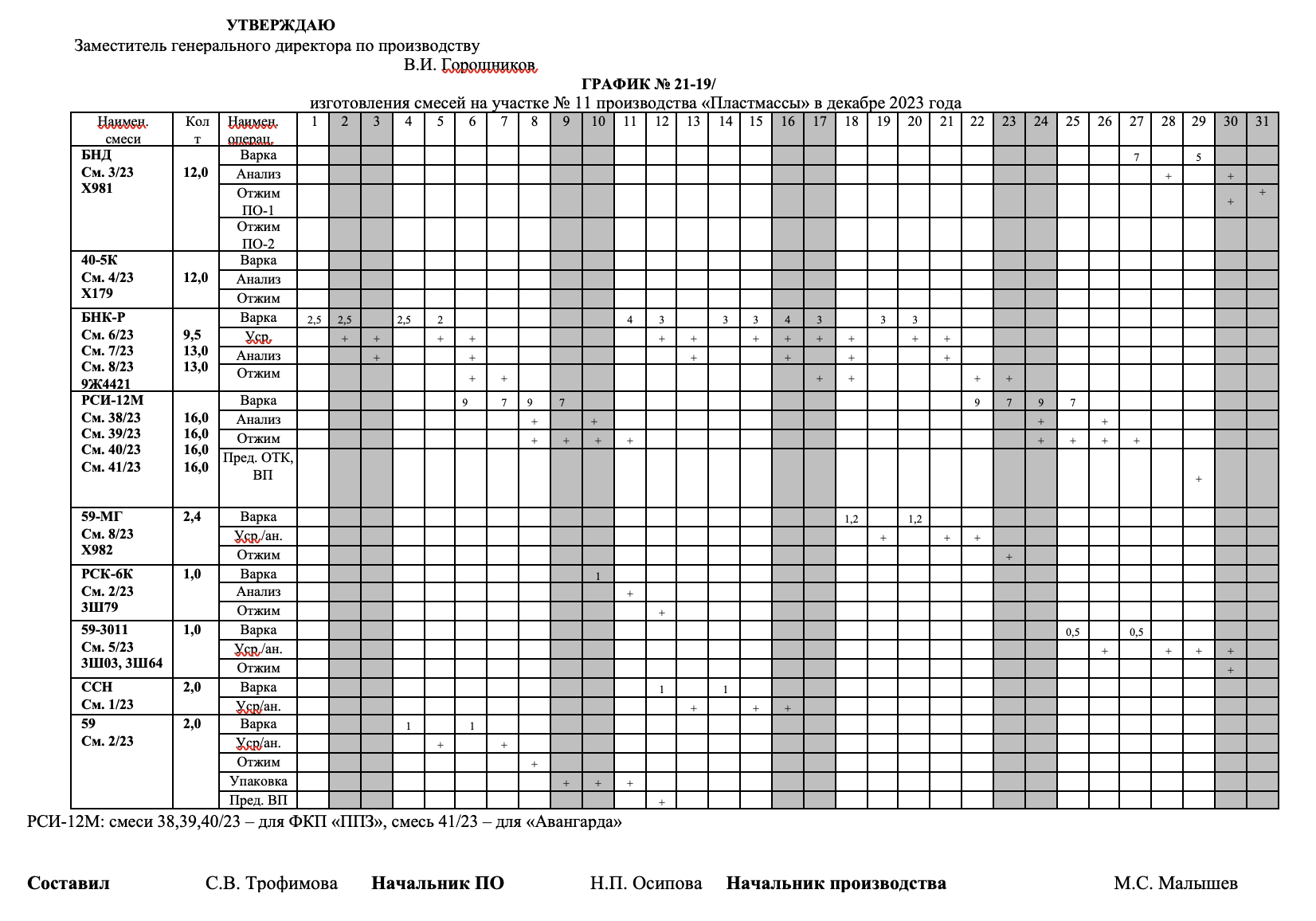
Documents also show that the government is aware of the reliance on imports and can use only one provider: the Fergana plant. Major contracts are signed for the procurement of cotton cellulose, and orders are placed for the use of nitroglycerin in missile production.
In September 2023, a problem occurred: a recognised supply deficit of 15,000 KG for each of the following years, but while other suppliers are found, they cannot be used.
Any alternative would require more than eight months and high costs, meaning, there ia s critical dependency, as confirmed in one letter, stating “Cotton cellulose compliant with GOST 595-79 is also produced by other manufacturers in the Republics of Uzbekistan and Kazakhstan, but its use in the production of the Perm Powder Plant's fuel compositions is impossible without a comprehensive study of the fuel's performance. Experience shows that such a programmatic study takes more than eight months, with an estimated cost of between 5 and 8 million rubles ($61,000 to $101,000).”
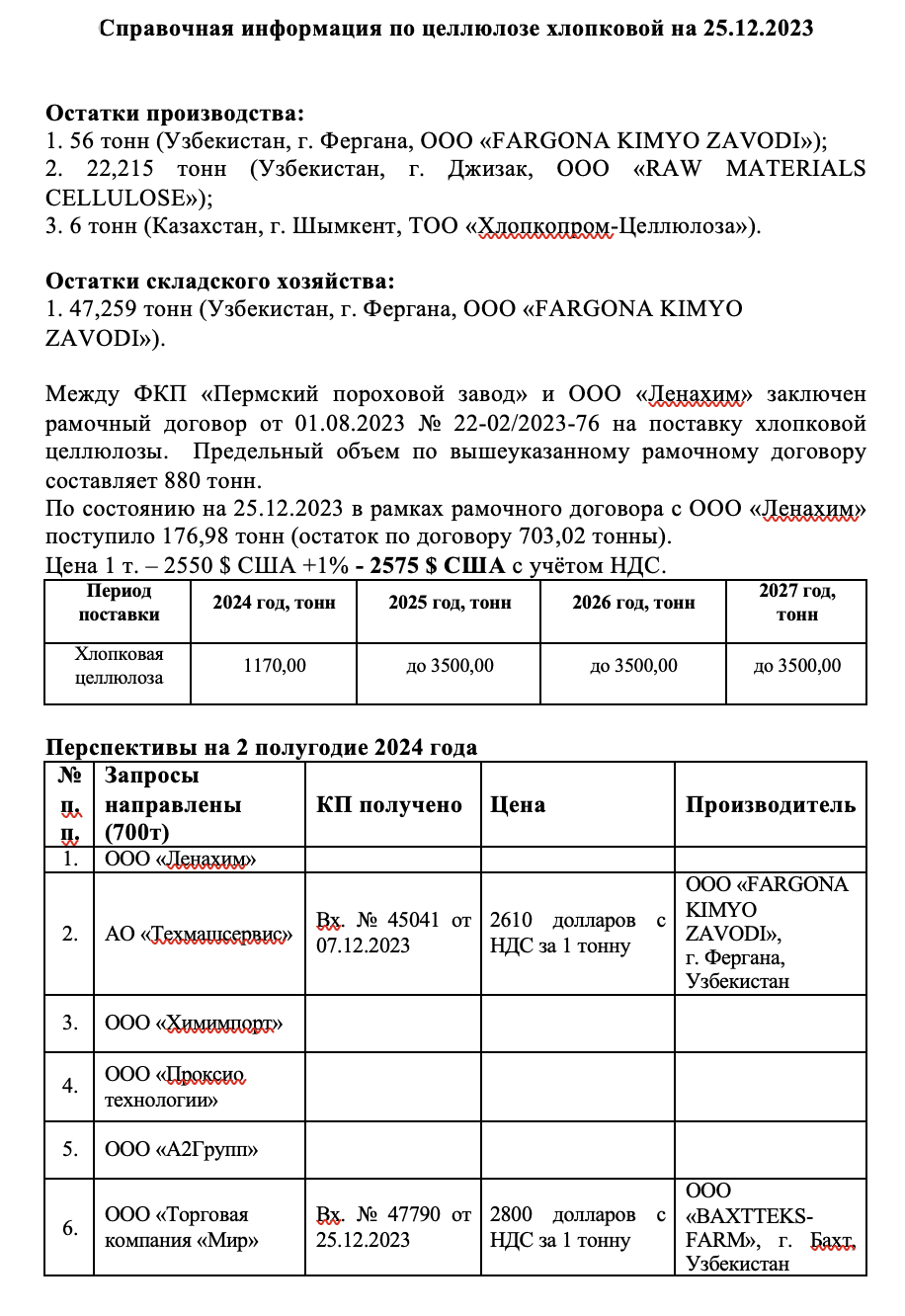
This shows how dependent Russia was on the supply from Uzbekistan. December provides deeper insight into the deficit. In one order, only 176.98 tons were delivered, yet the contract called for 880 tons.
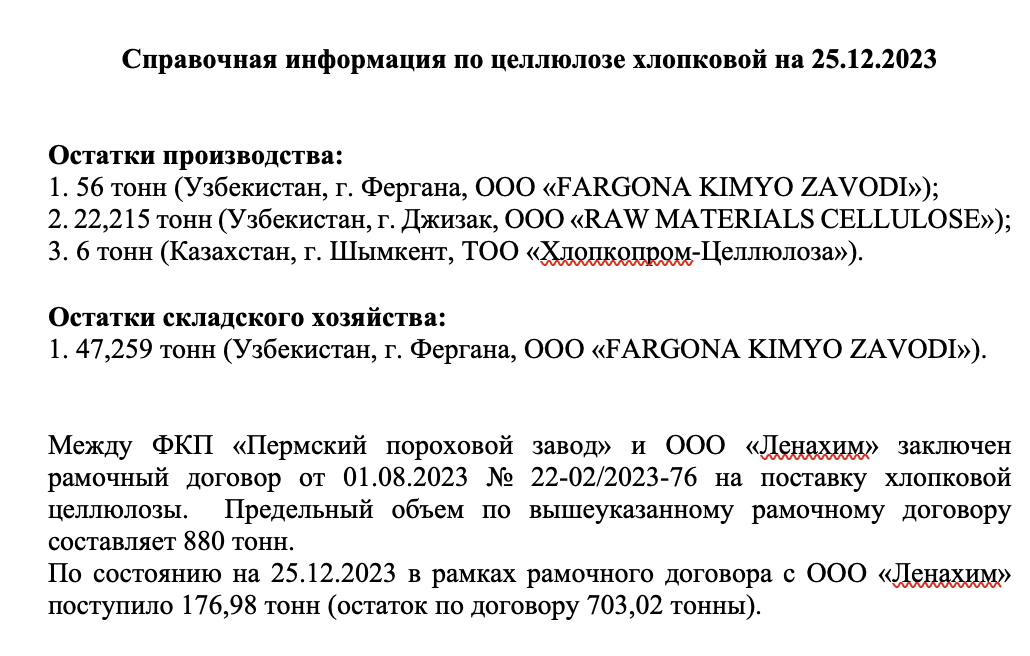
There is a shortage, but the Perm plant cannot obtain any alternatives to fulfill ballistic orders.We can see that cotton cellulose is used in 70 formulations for 200 products, and they only have 1 approved supplier. One letter states “cotton cellulose…, for the production of approximately 70 ballistic-type compounds, necessary for the production of approximately 200 types of special-purpose products in 2023.” Another document for a different order from the same period shows that 176 of the 808-ton maximum order were received. Essentially, there is a continuous demand and orders, but the supply of the final propellant remains static, leading to a large deficit.
2024–2025: Adjustment and increasing deficits
Documents from 2024 show some interesting developments. Additional agreements between Russian government bodies and Uzbek companies are signed to increase deliveries, but they are still compensating for shortages. Also, a quality assessment found that some batches are of inferior quality and cannot be used.
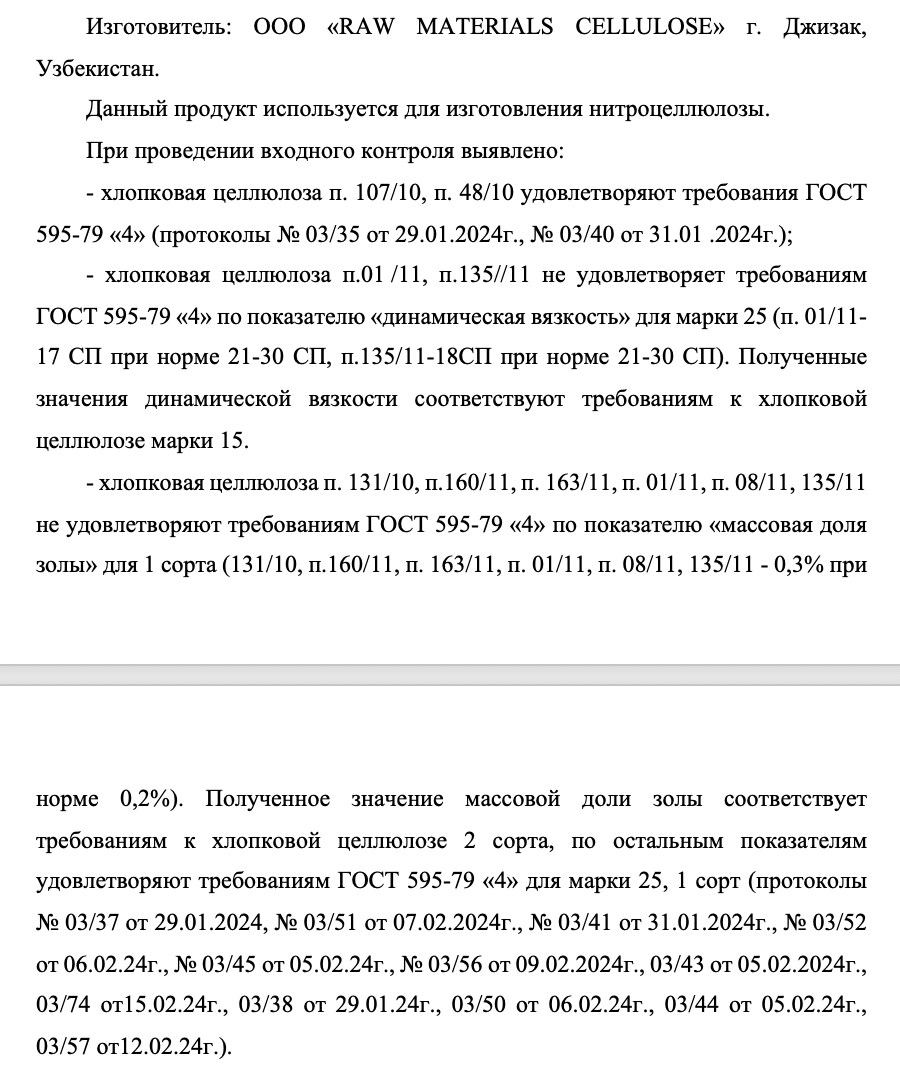
The situation is stabilizing. A Kazakh supplier is found, with whom it is suggested to arrange a purchase agreement. However, by the end of the year, demand is still considerably higher than supply, and it appears the process has not changed.
Demand massively jumps in 2025, which correlates with the vast increase in missile strikes across Ukraine. Supply for the final product jumps to nearly 600 tons; however, this still does not match the demand levels of 2024, meaning that, while production has increased significantly, Russia’s demand is not being met, and it still cannot set up supply chains from alternative providers.
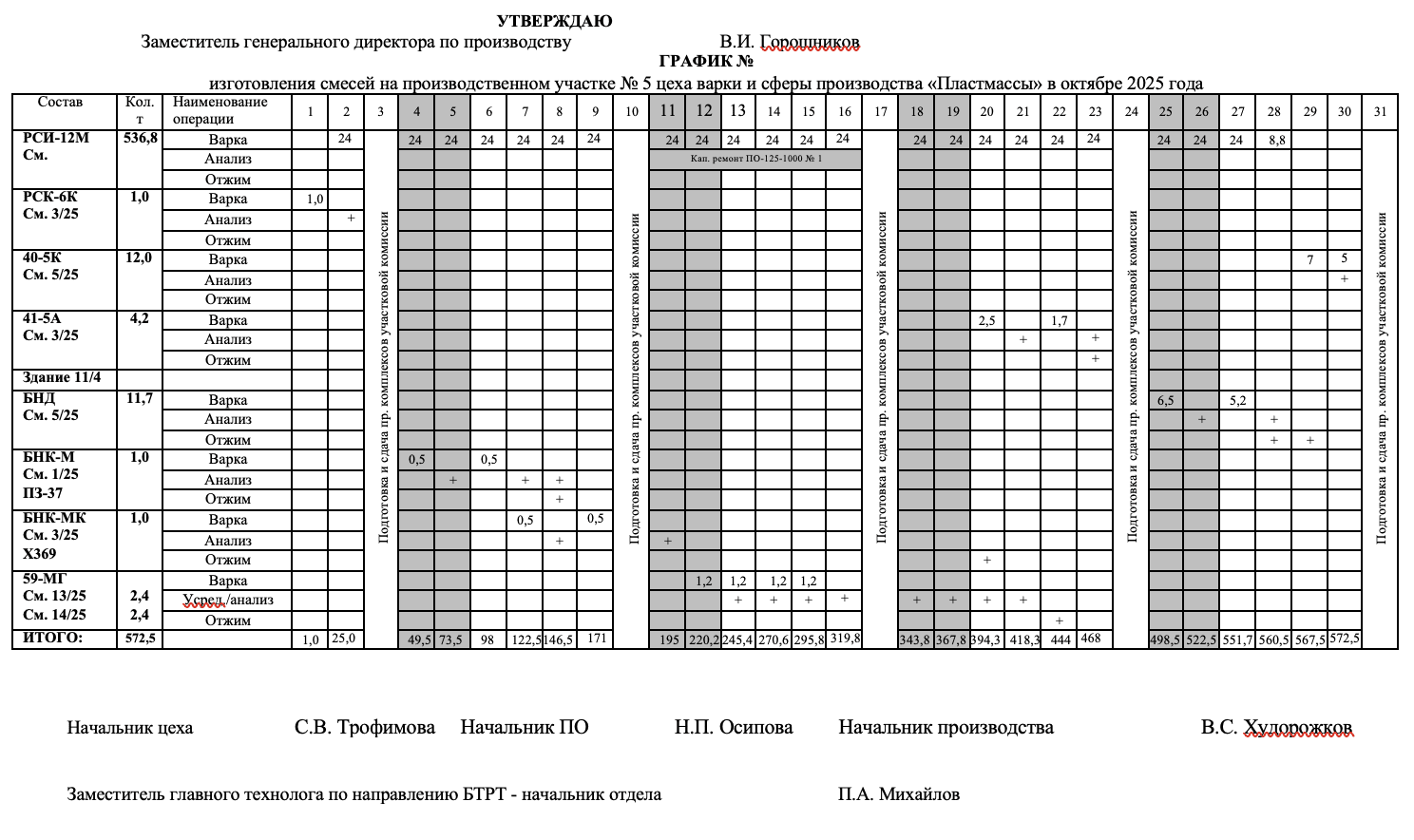
Therefore, if these were disrupted through harsher sanctions and enforcement on cotton supplies to Russia, the missile capabilities would diminish immensely.
Can Russia’s cotton supply chain be disrupted?
Uzbekistan is interested in global trade and in acquiring technologies for the production of goods, such as cotton. However, profits from these industries, as a private sector, mostly go to a few individuals. The cost, however, of not suitably addressing this supply chain is high, not just because it allows Russia to attack civilians in Ukraine, but because it would harm Uzbekistan’s reputation abroad and wider trade opportunities. It remains to be seen how Uzbekistan will enforce the regulatory changes, but there are strong motivations to do so.
The EU, the USA, and other countries can also target these factories and individuals more harshly to disrupt the flow of cotton. Russia depends on these factories and has not set up any alternatives, leaving a single supply chain that could be disrupted, thereby immeasurably weakening Russia’s military machine.
Discuss this article:


-111f0e5095e02c02446ffed57bfb0ab1.jpeg "Photo of Roman Kohanets")

-b7da0e3033ba5fc9d5f47439cb28c6ad.png "Illustration featuring the logos of AI chatbots Claude (left) and Mistral (right). (Illustration: UNITED24 Media)")