- Category
- Latest news
Russia’s Ballistic Missile Production Line Is Feeding the War in Real Time
 Prefer U24 Media on Google
- Authors


Ukraine’s struggle against Russian ballistic missile attacks has become one of the most serious challenges facing its air defenses, according to Serhii “Flash” Beskrestnov, an adviser to Ukraine’s Defense Minister, speaking on February 24.
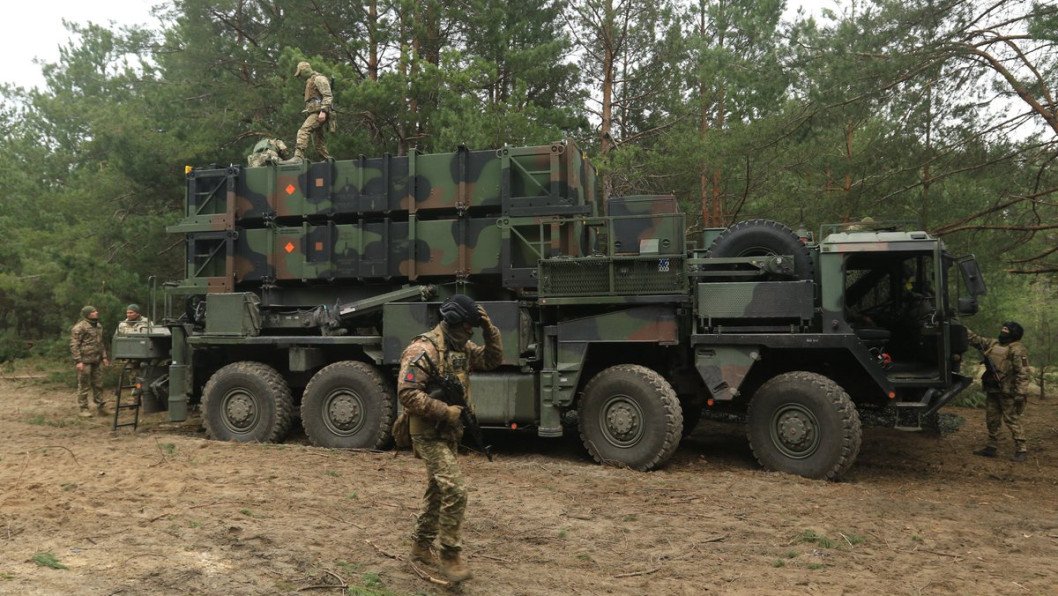
“One of our main problems is the enemy’s ballistic missiles,” Beskrestnov said, noting that it is widely understood that only the US-made Patriot air defense system is capable of reliably intercepting such threats.
We bring you stories from the ground. Your support keeps our team in the field.
However, he added that Patriot systems operate under specific engagement algorithms and do not guarantee single-shot interceptions, meaning multiple interceptor missiles may be required to destroy one incoming target.
Framing the war as a long-term battle of industrial endurance, Beskrestnov said the ballistic missile threat increasingly reflects a competition between Russia’s domestic production capacity and the international supply of interceptor missiles provided to Ukraine.
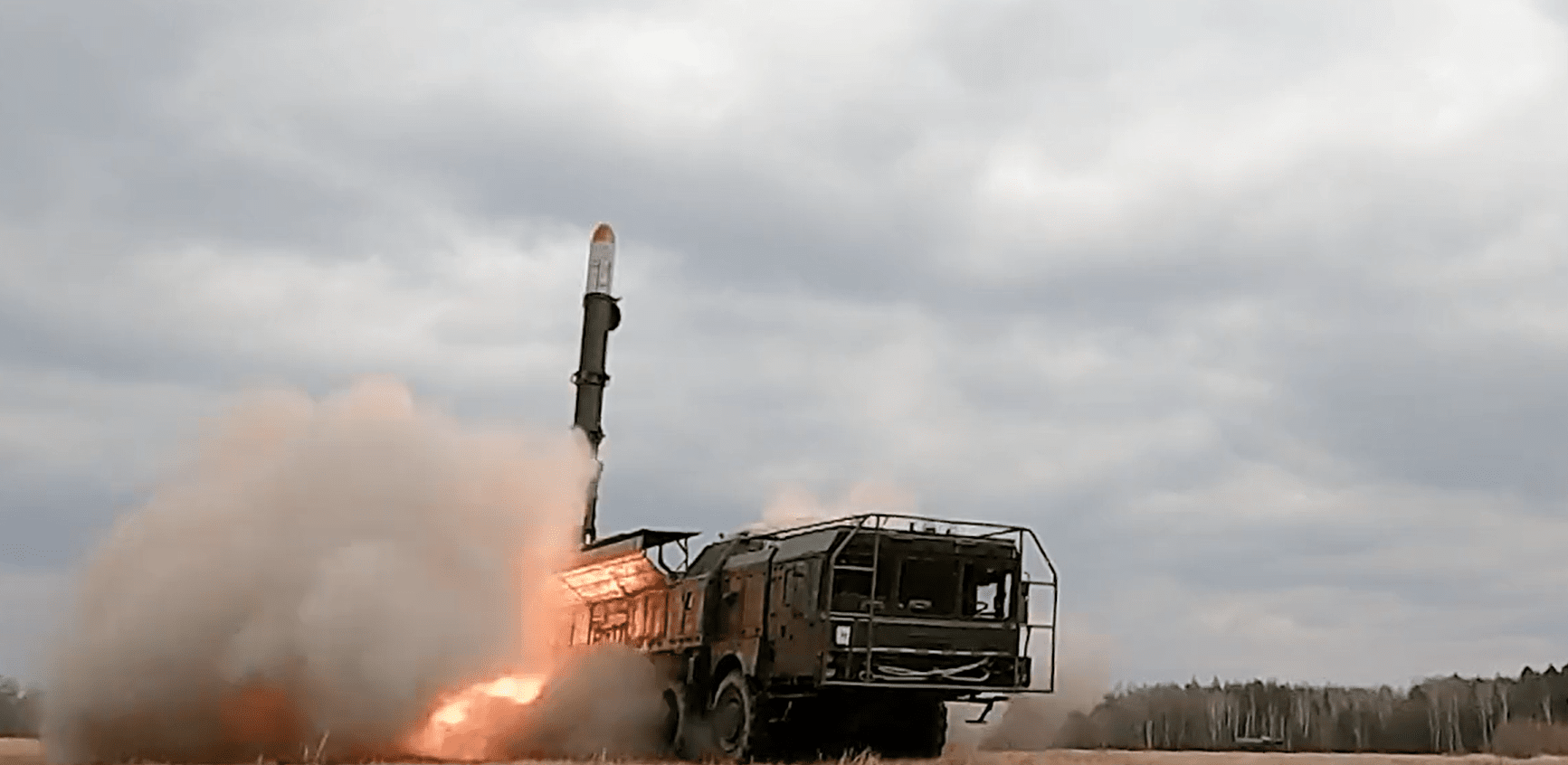
Video of a Russian Iskander-M launching a 9M723-series quasi-ballistic missile at Ukraine. https://t.co/dhCh72BfG9 pic.twitter.com/ZFb6oGpKTv
— Rob Lee (@RALee85) April 24, 2022
“All the ballistic missiles flying toward us were manufactured at the end of 2025 or the beginning of 2026—meaning we are essentially being attacked with missiles straight from the factory,” he said.
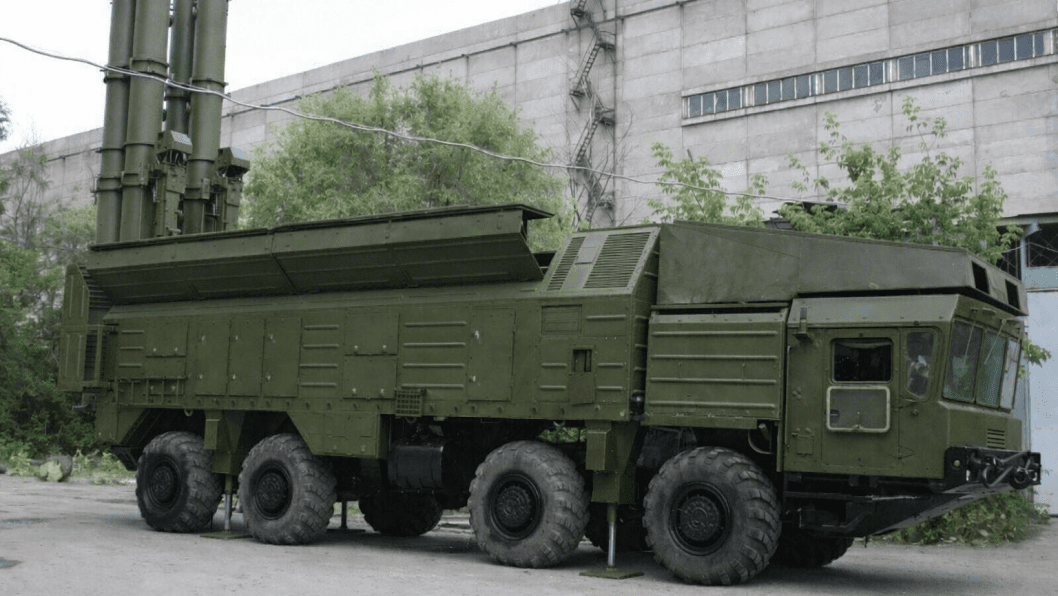
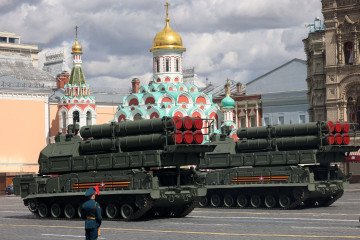
According to the adviser, Russia’s Iskander ballistic missiles are now produced with roughly 90% domestically sourced components, allowing sustained manufacturing despite sanctions. He estimated production at around 60 missiles per month, alongside continued use of modified S-300 and S-400 missiles in ground-attack roles.
The situation raises long-term concerns about sustainability, he suggested, questioning whether Ukraine can rely indefinitely on a steady supply of anti-ballistic interceptors from international partners, whose military stockpiles are not unlimited.
Beskrestnov argued that the response must be comprehensive rather than dependent solely on foreign deliveries. Ukraine, he said, needs to participate directly in the development of anti-ballistic technologies—both domestically and through joint international programs—while simultaneously strengthening physical protection for critical infrastructure.
Power plants, energy substations, and other key civilian and military facilities must be hardened to withstand missile strikes, he added, emphasizing that resilience on the ground is becoming as important as interception in the air.
He also stressed the economic dimension of missile warfare, noting that ballistic missile production remains expensive and that limiting Russia’s financial resources would directly affect its ability to sustain strikes.
“War is also about economics,” Beskrestnov said, arguing that reducing Moscow’s access to funding ultimately means fewer missiles produced and launched against Ukraine.
Earlier, Ukrainian-made Flamingo cruise missiles reportedly struck the Votkinsk Plant in Russia’s Udmurt Republic, targeting a facility known for producing ballistic missile systems, including Iskander and Oreshnik.
Discuss this article:


-111f0e5095e02c02446ffed57bfb0ab1.jpeg "Photo of Roman Kohanets")

-72b63a4e0c8c475ad81fe3eed3f63729.jpeg "Photo of Cyril Barabaltchouk")