- Category
- Latest news
What Russia’s “New” Iskander-M1 Missiles Can and Cannot Do
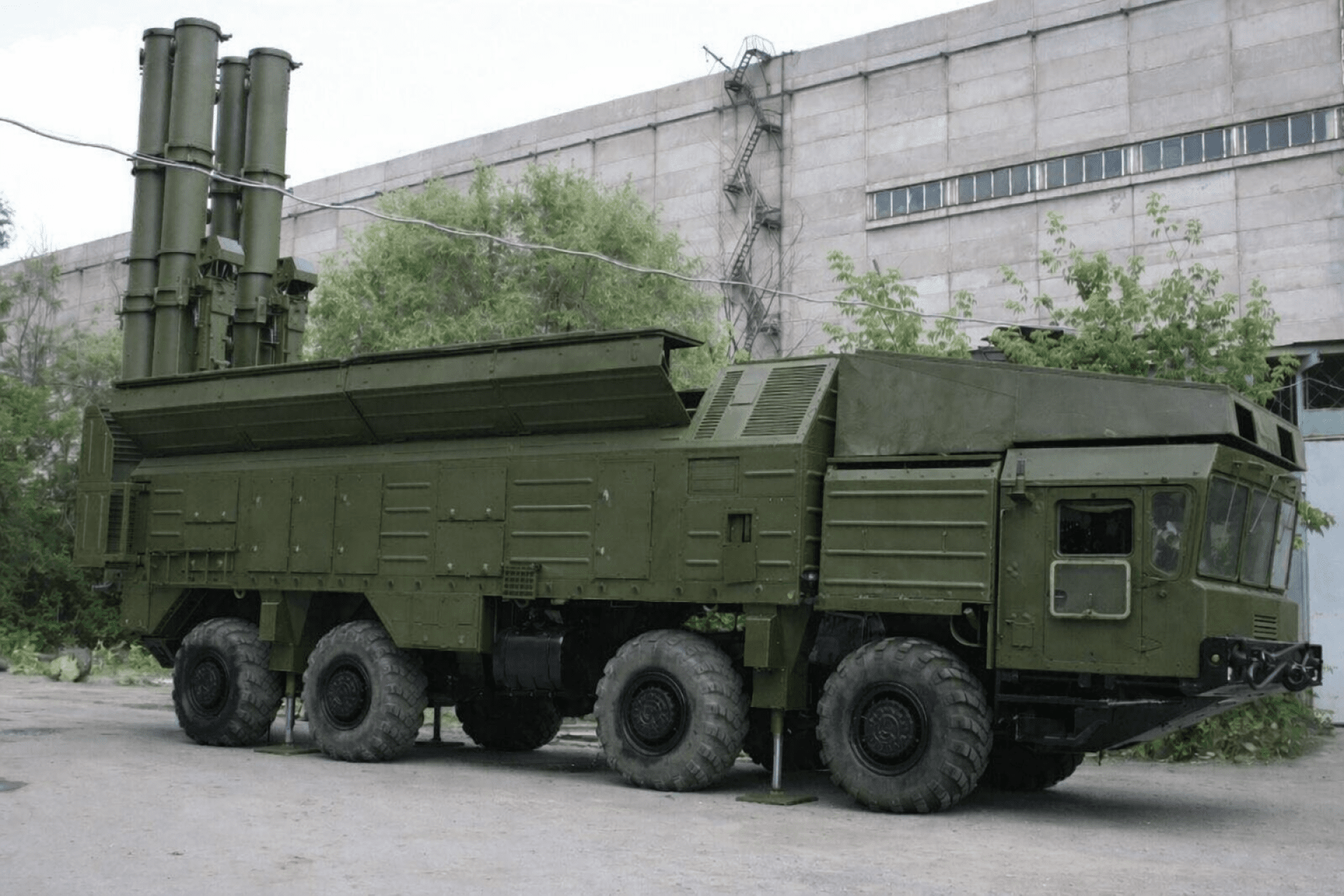
Reports circulating in Ukrainian and regional monitoring channels claim that Russia has deployed 24 Iskander-M1 missile systems around Ukraine, theoretically capable of launching up to 96 long-range cruise missiles in a single salvo. While the figures sound alarming, defense analysts caution that the real threat—and its novelty—requires closer examination.
 Prefer U24 Media on Google
- Authors




The claims were initially amplified by a monitoring channel, prompting renewed discussion of the 9M729 Novator cruise missile and the Iskander-M1 launcher variant.
However, neither the missile nor the system represents a new capability introduced in recent months, Ukrainian defense media outlet Defense Express reported on January 23.
We bring you stories from the ground. Your support keeps our team in the field.
What is the 9M729 missile
According to Defense Express, the 9M729 is a ground-launched cruise missile developed by Russia’s Novator design bureau and launched from the Iskander family of systems. It has been used against Ukraine since 2022.
Western and Ukrainian intelligence assessments widely link the missile to Russia’s violation of the now-defunct INF Treaty , as its estimated range exceeds treaty limits.
🚨 ALERT: Ukraine’s Foreign Minister Andriy Sybiha has confirmed that Russia has deployed the 9M729 missile, a nuclear-capable weapon.
— Defence Index (@Defence_Index) October 31, 2025
This missile, responsible for the U.S. withdrawal from the INF Treaty in 2019, reportedly has a 1,200 km range, sparking Western concerns over… pic.twitter.com/v0U7vYkHAl
Most open-source estimates place its range at around 1,500 kilometers, with some assessments suggesting it could reach 2,000–2,500 kilometers, allowing strikes across all of Ukraine from standard launch areas.
Despite its reach, the missile appears to be rarely used, Defense Express notes. Open reporting indicates that as of October 2025, the 9M729 had been employed only about two dozen times.
Ukrainian military intelligence estimated that Russia possessed roughly 50 missiles of this type as of November 2025, although Russian procurement plans reportedly called for additional production.
Russia has launched the 9M729 missile 23 times against Ukraine since August, including one strike that flew 1,200 km. The missile’s development earlier led the United States to withdraw from the INF Treaty in 2019, Reuters reports.https://t.co/6rgYIugeeh pic.twitter.com/H0eFOcp5sK
— WarTranslated (@wartranslated) October 31, 2025
Iskander-M1 is not new either
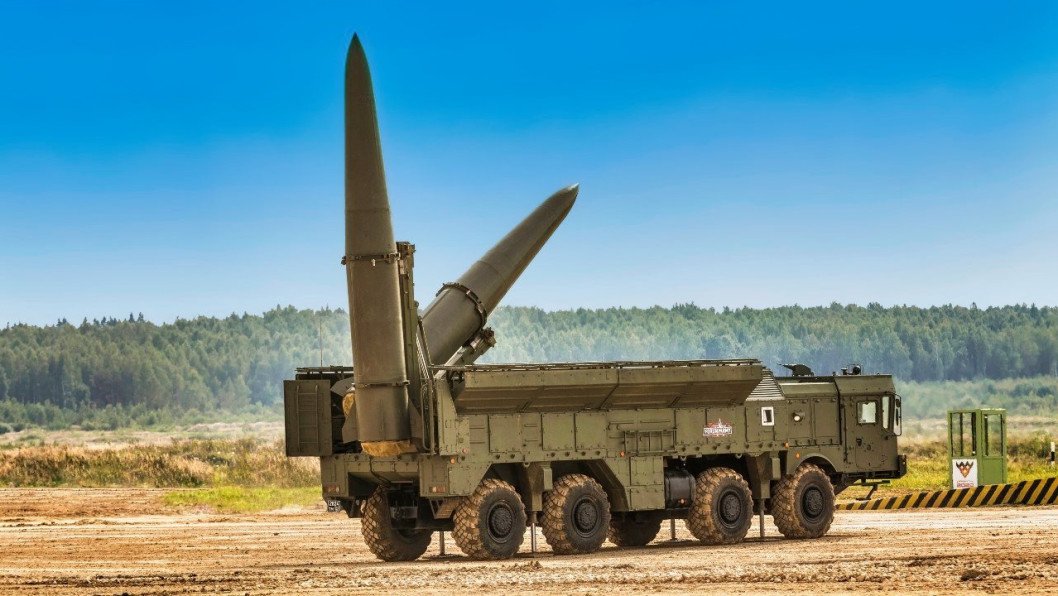
The Iskander-M1, officially designated 9K720M1, is equipped with the newer 9P701 launcher, which can carry four cruise missiles instead of the standard two.
Defense Express notes that this configuration is required because the 9M729 missile is half a meter longer than the older 9M728 variant.
Importantly, this launcher is not a recent development. Deliveries to Russian missile brigades began before 2022, with plans outlined as early as 2019 to field up to 60 launchers—enough to add a battalion to each missile brigade.
The math behind the threat
If Russia does indeed have 24 Iskander-M1 launchers, fully loading them for a single salvo of 96 9M729 missiles would require months of uninterrupted production without using a single missile operationally.
Based on known production rates, Defense Express estimates it would take roughly a year to accumulate that number—unless manufacturing output increases significantly.
Current battlefield patterns suggest Russia is not stockpiling missiles at that scale. Similar trends have been observed with other long-range weapons, such as the Kh-101, where serial numbers indicate missiles are often used shortly after production rather than stored for mass salvos.
Why Iskander can not be ignored
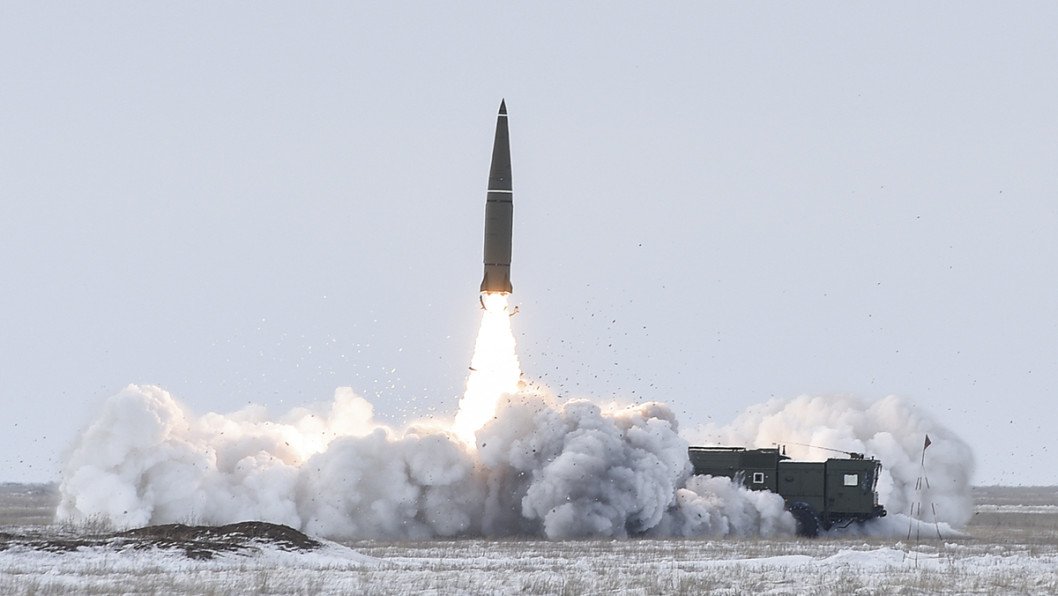
While the scale of a potential strike may be overstated, launches from Iskander systems do offer Russia a tactical advantage. Ground-launched cruise missiles generate far fewer warning indicators than air- or sea-launched weapons.
Defense Express stated that strategic bombers carrying air-launched cruise missiles must be airborne for hours before launch, and naval platforms deploying sea-launched missiles must enter designated maritime zones—both movements are routinely tracked. Iskander-based launches, by contrast, can occur with much less advance notice.
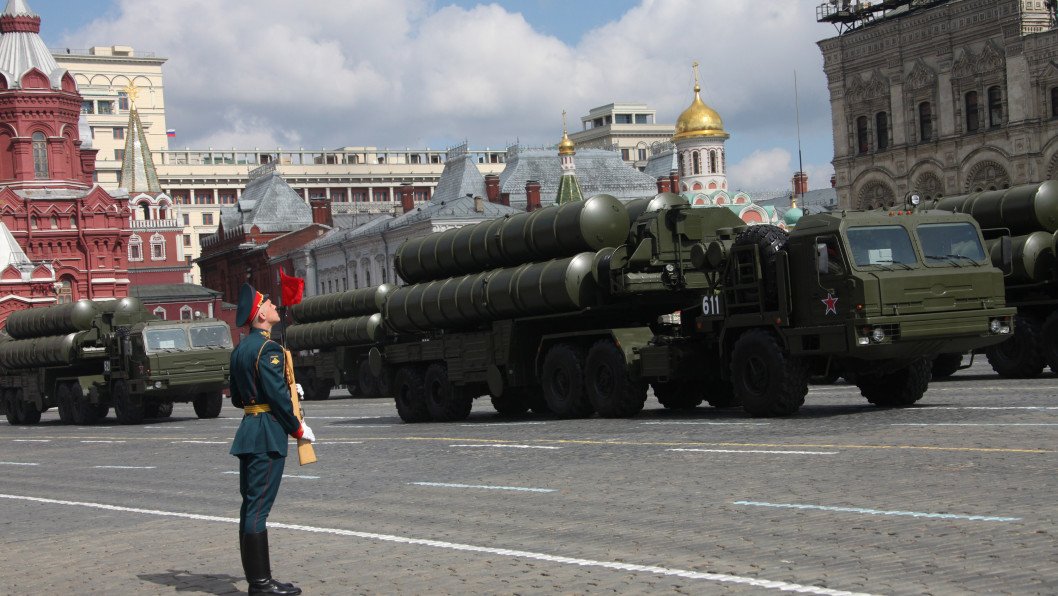
Even so, Russia has typically employed cruise missiles as part of combined strikes, coordinating them with drones, ballistic missiles, and other long-range weapons rather than relying on isolated Iskander launches.
The deployment of Iskander-M1 systems and 9M729 missiles does represent a serious and persistent threat, but it is neither new nor unlimited. Constraints on missile availability, production rates, and operational practice significantly reduce the likelihood of the massive, single-salvo scenario often described in online reports.
Earlier, Ukraine’s military intelligence agency publicly identified the Russian and Belarusian defense enterprises involved in producing the 9M727 cruise missile, part of the Iskander-K operational-tactical missile system.
Discuss this article: