- Category
- Latest news
Russia’s New Iskander Missiles Can Outsmart Patriot Defenses, US Intel Warns
 Prefer U24 Media on Google
- Authors


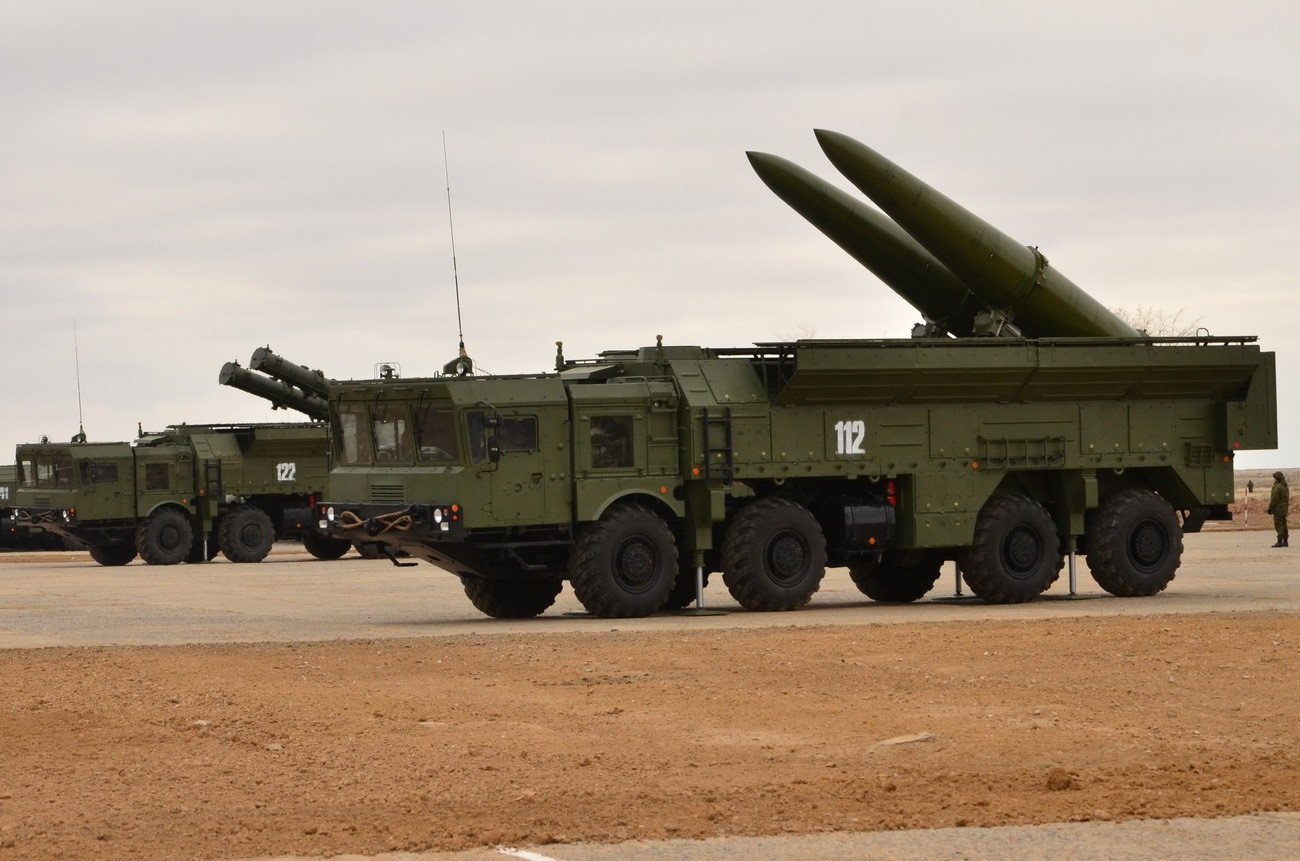
Russia has modified its Iskander ballistic missiles with new maneuvering capabilities, making them more difficult for US-supplied Patriot air defense systems to intercept, according to a new US Defense Intelligence Agency (DIA) report, cited by The War Zone on August 14.
The assessment, cited by The War Zone, says Russian forces are increasingly turning to ballistic missiles in their strikes against Ukraine—and those missiles can now change trajectory mid-flight rather than follow a predictable ballistic arc.
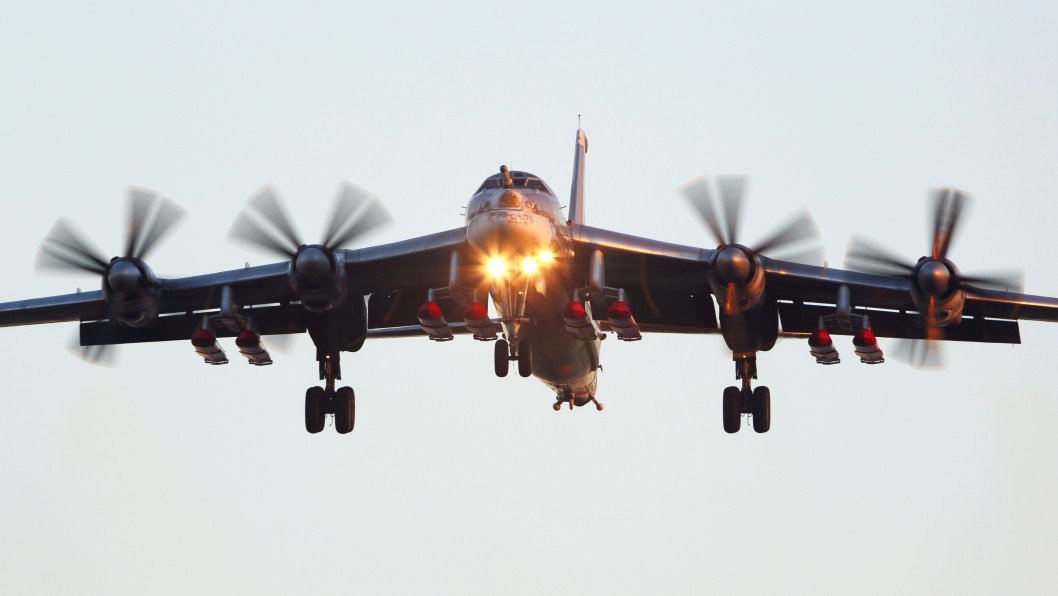
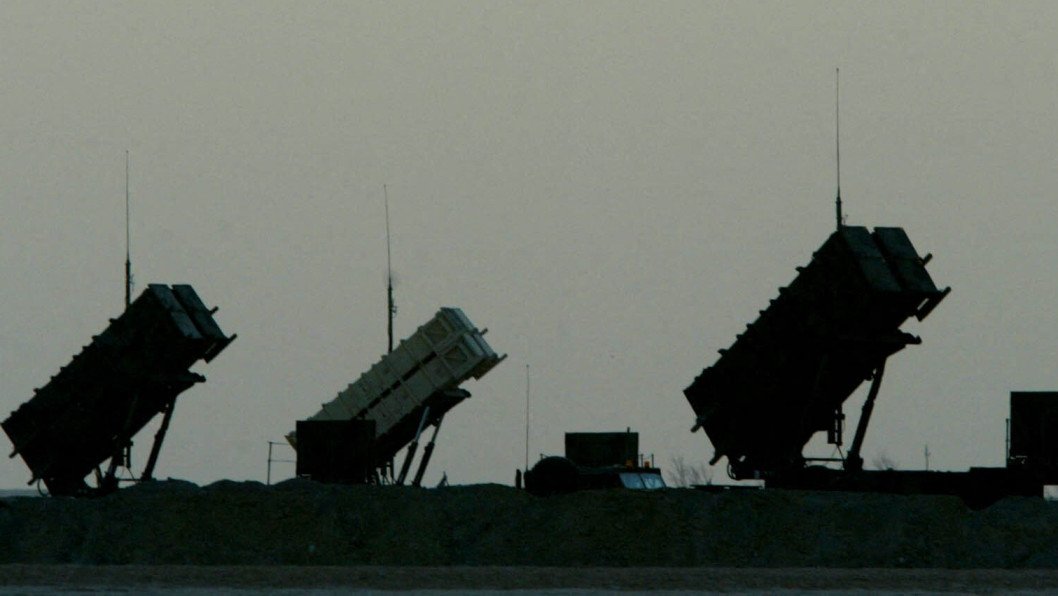
“Ukraine’s Air Force has faced challenges consistently employing Patriot air defense systems to defend against Russian ballistic missiles due to recent Russian tactical enhancements, including upgrades that allow their missiles to alter trajectory and perform maneuvers rather than fly on a traditional ballistic path,” the report stated.
The DIA analysis was prepared for the Pentagon’s inspector general and covers US government activities related to Ukraine and Europe between April 1 and July 30. The section on Patriot effectiveness spans just a few paragraphs.
One example given: On June 28, Russia launched seven ballistic missiles at Ukraine—only one was intercepted. On July 9, out of 13 missiles fired, seven were reportedly shot down. The report does not specify which missile variants were used or detail the exact upgrades.
However, Ukrainian Air Force data paints a slightly different picture. Officials say that during the June 28–29 attack, Russia used seven Iskander-M and/or KN-23 missiles from Russia’s Voronezh region and occupied Crimea, targeting cities like Zaporizhzhia and Mykolaiv—close to the front line and difficult for Patriot batteries to protect. Only one was intercepted.
During the July 9–10 assault, Ukraine says Russia launched eight Iskander-M ballistic missiles from the Bryansk region along with S-300 surface-to-air missiles fired in a ground-attack role. All eight Iskanders were intercepted.
-5419bf19b6189702ce15b2c1f02484ed.jpg)
That means the DIA’s example omits a key fact—Patriot batteries stopped 100% of the ballistic missiles they could realistically engage in the July attack.
The June 29 strike also deviated from earlier patterns by hitting targets far from Kyiv, making Patriot coverage less effective.
While the DIA’s sample may not accurately reflect long-term trends, Ukrainian officials have indeed confirmed Russia has modernized its Iskander systems.
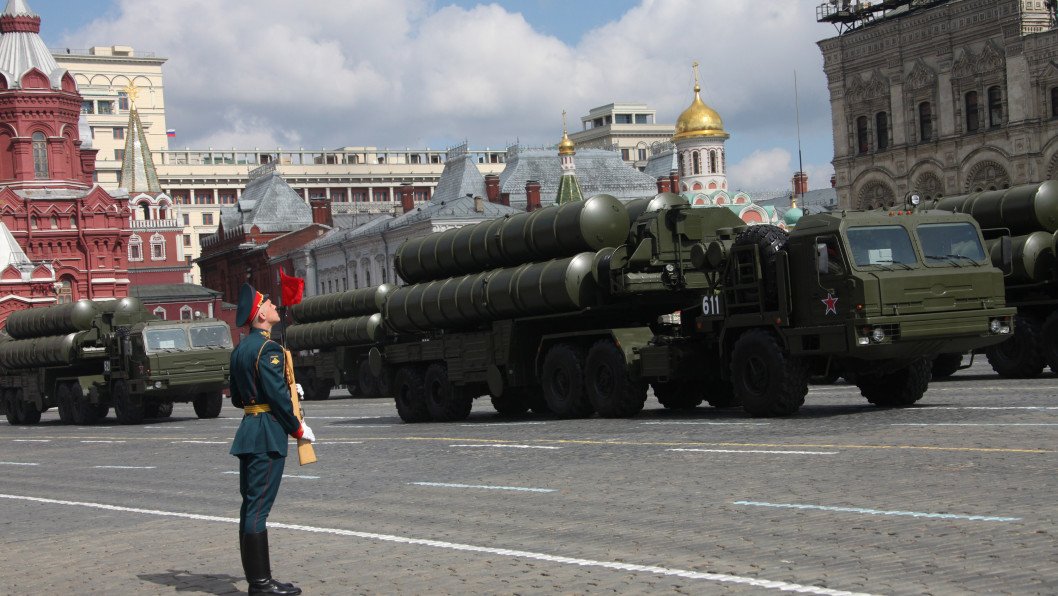
In May, Ukraine’s Air Force said the missiles now perform “quasi-ballistic” maneuvers and deploy radar decoys to evade defenses.
Earlier, reports emerged that Russia has significantly increased the production of its Iskander ballistic and cruise missiles by acquiring advanced manufacturing equipment from China, Taiwan, and Belarus, bypassing international sanctions through intermediaries.
More than 700 Iskander missiles were produced in Russia over the past year—nearly three times the number manufactured in 2023.
Discuss this article:



-c439b7bd9030ecf9d5a4287dc361ba31.jpg "Photo of Katherina Popilnichenko")