- Category
- Latest news
Russia Uses 9M729 Missile That Triggered US INF Treaty Exit to Strike Ukraine
 Prefer U24 Media on Google
- Authors


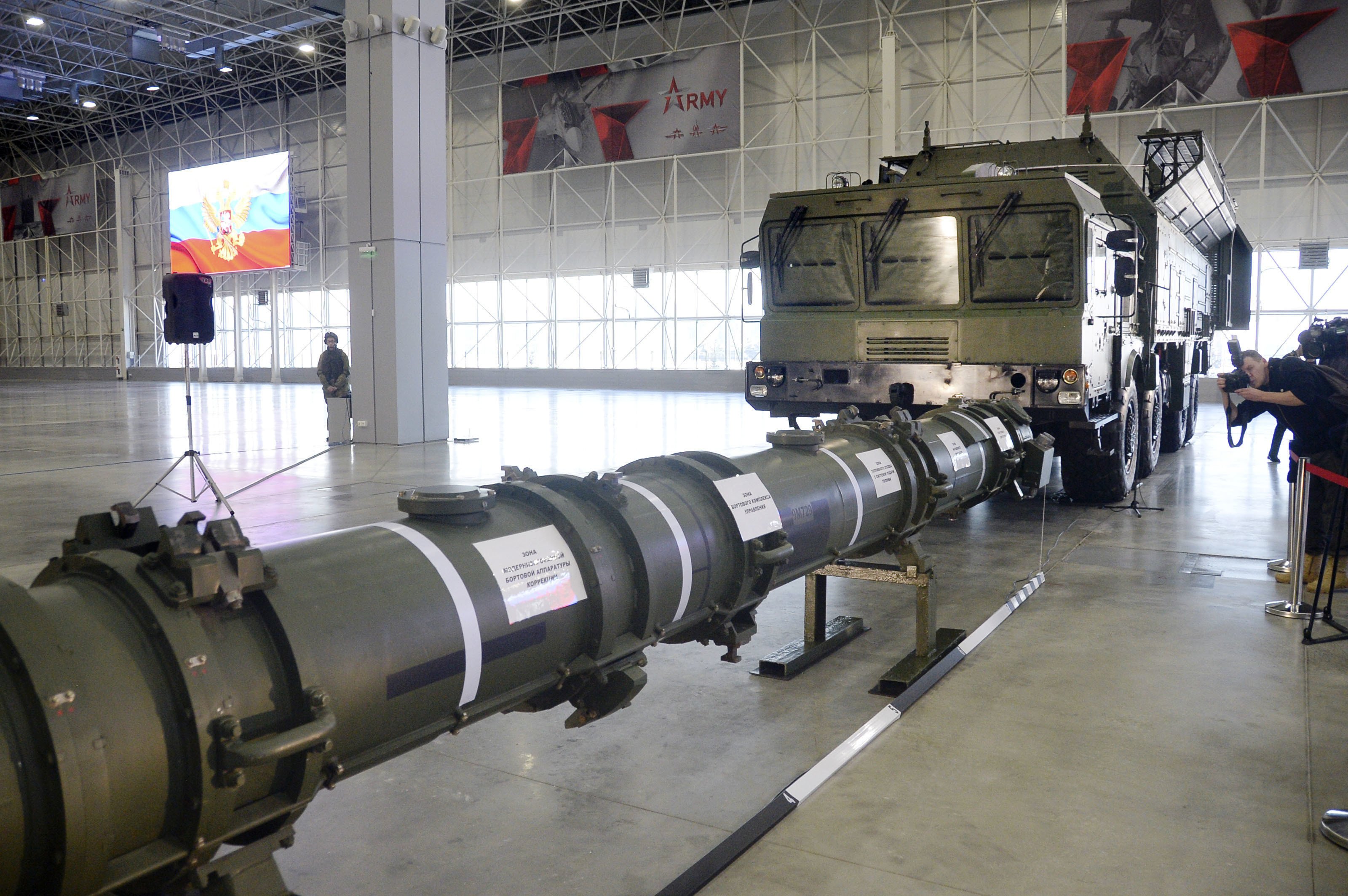
Russia has repeatedly used the 9M729 cruise missile—a weapon whose covert development once led the United States to quit a major Cold War-era arms control treaty—against Ukraine in recent months, Ukraine’s Foreign Minister Andrii Sybiha said, Reuters reported on October 31.
His remarks mark the first public confirmation that the missile, once banned under the Intermediate-Range Nuclear Forces (INF) Treaty , has been deployed in combat.
Since August, Russia has been attacking Ukraine with the 9M729 cruise missile, capable of carrying a nuclear warhead, Reuters reported, citing Ukraine's FM Sybiha.
— Anton Gerashchenko (@Gerashchenko_en) October 31, 2025
Moscow's use of the missile in the past months demonstrates "Putin's disrespect to the United States and President… pic.twitter.com/VkvGrD2NyP
According to Reuters, Russia has fired the ground-launched 9M729 missile at Ukraine at least 23 times since August, with two earlier launches recorded in 2022.
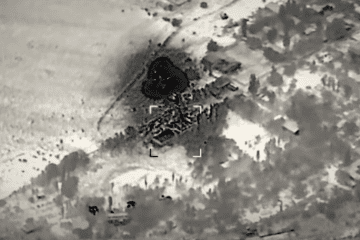
One of the missiles, fired on October 5, flew more than 1,200 kilometers before striking its target in Ukraine, a senior Ukrainian official said to Reuters.
🚨 ALERT: Ukraine’s Foreign Minister Andriy Sybiha has confirmed that Russia has deployed the 9M729 missile, a nuclear-capable weapon.
— Defence Index (@Defence_Index) October 31, 2025
This missile, responsible for the U.S. withdrawal from the INF Treaty in 2019, reportedly has a 1,200 km range, sparking Western concerns over… pic.twitter.com/v0U7vYkHAl
The missile—capable of carrying either a nuclear or conventional warhead—was at the center of the 2019 US withdrawal from the INF Treaty after Washington accused Moscow of violating the pact by developing and testing weapons that exceeded the treaty’s 500-kilometer limit.
Sybiha said Moscow’s use of the INF-banned missile underscores Vladimir Putin’s “disrespect” for both the United States and President Donald Trump’s diplomatic efforts.
“Russia’s use of the INF-banned 9M729 against Ukraine in the past months demonstrates Putin’s disrespect to the United States and President Trump’s diplomatic efforts to end Russia’s war against Ukraine,” he said in written comments to Reuters.
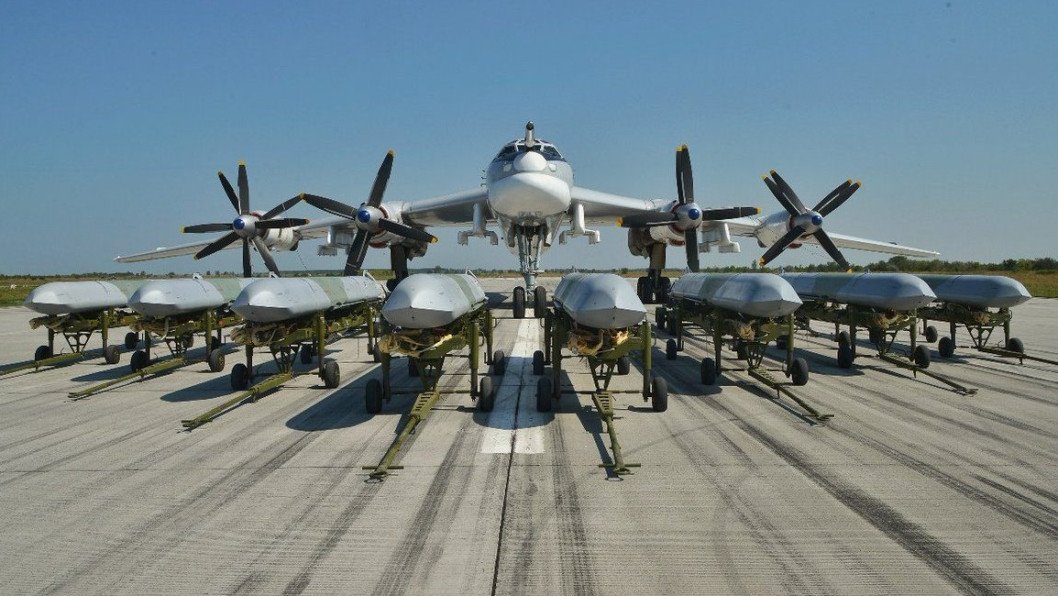
The missile’s use expands Russia’s arsenal of long-range strike options and, according to Western analysts cited by Reuters, fits a broader pattern of Moscow using the war to project pressure on Europe as Trump pushes a new peace initiative.
“I think Putin is trying to ramp up pressure as part of the Ukraine negotiations,” said William Alberque, a senior adjunct fellow at the Pacific Forum, adding that the 9M729 was designed to hit European targets.
Russia has launched the 9M729 missile 23 times against Ukraine since August, including one strike that flew 1,200 km. The missile’s development earlier led the United States to withdraw from the INF Treaty in 2019, Reuters reports.https://t.co/6rgYIugeeh pic.twitter.com/H0eFOcp5sK
— WarTranslated (@wartranslated) October 31, 2025
After Washington exited the INF Treaty in 2019, Russia declared a moratorium on deploying intermediate-range missiles, though Western intelligence agencies said Moscow had already fielded several 9M729 systems.
On August 4, just before using the missile in Ukraine, Russia announced it would no longer limit where it stations INF-range weapons capable of carrying nuclear warheads.
According to Reuters, analysts who examined debris from an October 5 strike that killed four people in the Ukrainian village of Lapaiivka said fragments marked “9M729” matched components consistent with that missile’s structure.
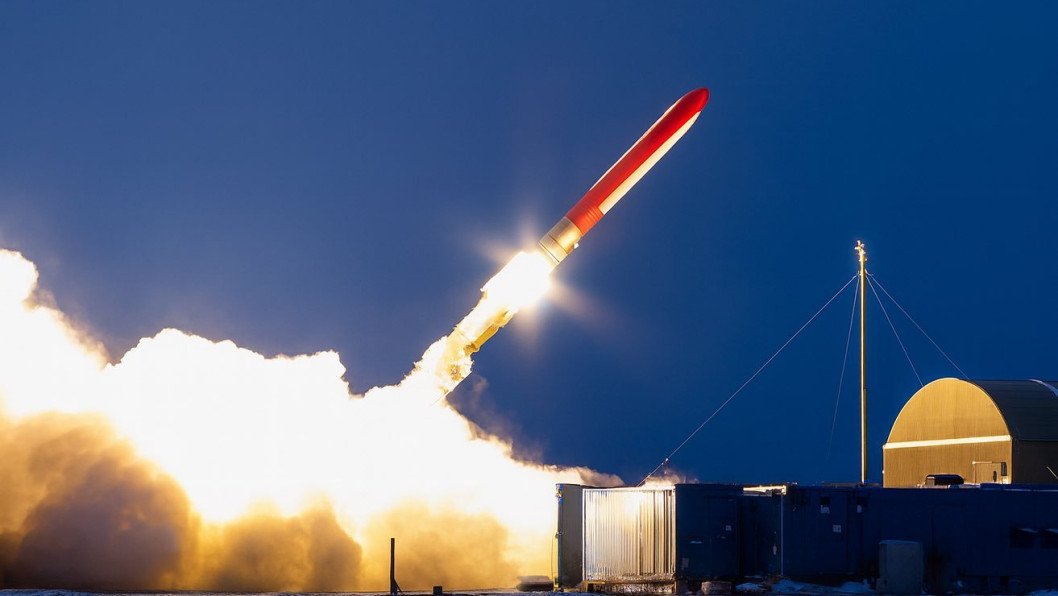
Jeffrey Lewis, a global security scholar at Middlebury College, told Reuters the wreckage likely came from a 9M729, noting that the engine tube and housing panels aligned with known design features.
The 9M729, also known by its Russian designation “Novator,” is believed to have a range of up to 2,500 kilometers, according to the Center for Strategic and International Studies.
Its deployment gives Russia the ability to conduct ground-launched strikes from deeper inside its own territory, complicating Ukraine’s air defenses and extending Moscow’s reach across much of Eastern Europe.
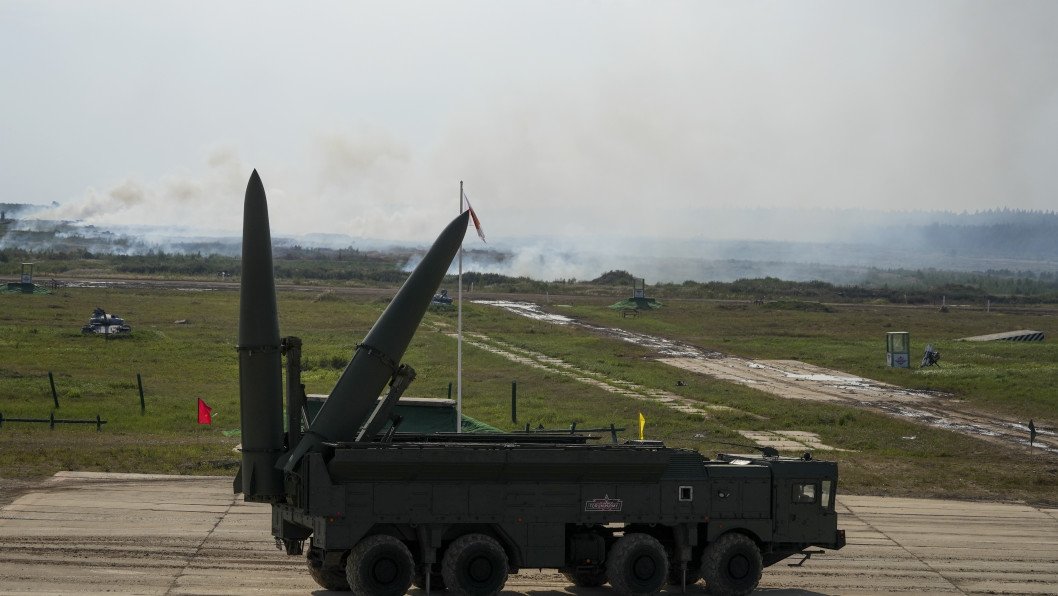
Former British defense attaché John Foreman told Reuters the weapon’s battlefield use is “an issue for European security, not just Ukraine,” warning that mobile intermediate-range systems are difficult to detect and could alter regional deterrence dynamics.
Earlier, a Russian Iskander-K cruise missile slammed into Ukraine’s Cabinet of Ministers building during Moscow’s overnight mass strike on September 7, carrying a 450-kilogram warhead that failed to detonate.
Discuss this article:



-72b63a4e0c8c475ad81fe3eed3f63729.jpeg "Photo of Cyril Barabaltchouk")

-111f0e5095e02c02446ffed57bfb0ab1.jpeg "Photo of Roman Kohanets")