- Category
- Latest news
New Russian Missile Upgrade Makes Iskander-K Deadlier—Even Partial Hits Could Detonate
 Prefer U24 Media on Google
- Authors



Russia has introduced a dangerous new modification to the warhead of its 9M727 cruise missile, part of the Iskander-K tactical missile system, according to a Defense Express analysis on September 11.
The 450-kilogram warhead has now been fitted with additional contact detonation sensors, designed to ensure the warhead explodes under virtually any conditions.
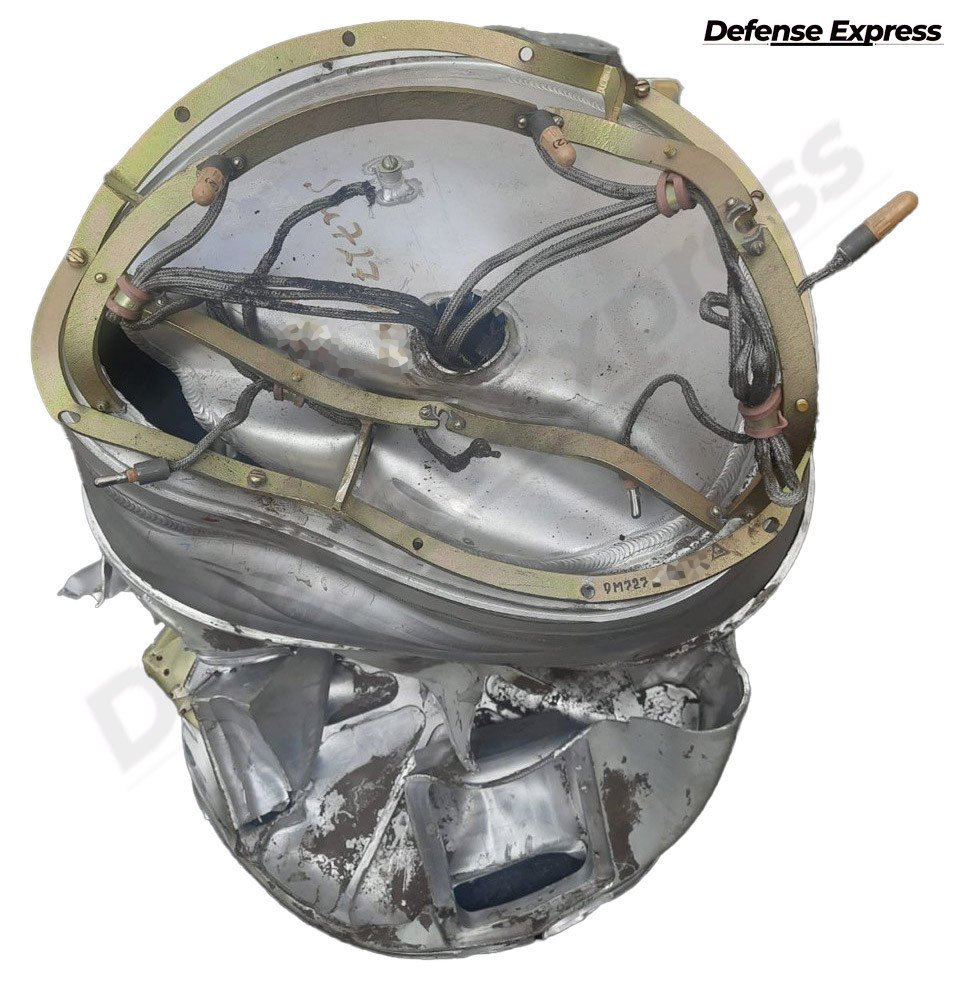
Defense Express noted that a similar upgrade had previously been applied to the Kh-101 air-launched cruise missile.
Photos obtained by Defense Express from defense sources show at least five such sensors, some covered with protective brown plastic caps. However, the outlet pointed out that the additional initiation system does not always perform as intended, even in operational use.
The 9M727 missile is a land-based adaptation of the Kalibr (3M-14) naval cruise missile, modified for launch from ground-based Iskander systems. Alongside the 9M728 and 9M729, it is often referred to collectively as the Iskander-K.
Just days ago, one of these upgraded missiles was used in a strike against Ukraine’s Cabinet of Ministers building in Kyiv; notably, it did not explode.
Earlier, reports emerged that Russia has begun integrating upgraded satellite navigation protection into its ground-launched R-500 (9M728) Iskander-K cruise missiles by installing 16-element CRPA (Controlled Radiation Pattern Antenna) systems, known as “Kometa-M.”
Discuss this article:



-c439b7bd9030ecf9d5a4287dc361ba31.jpg "Photo of Katherina Popilnichenko")