- Category
- Latest news
Putin’s “Unlimited-Range” Burevestnik Missile Is a Nuclear Mirage, Experts Say
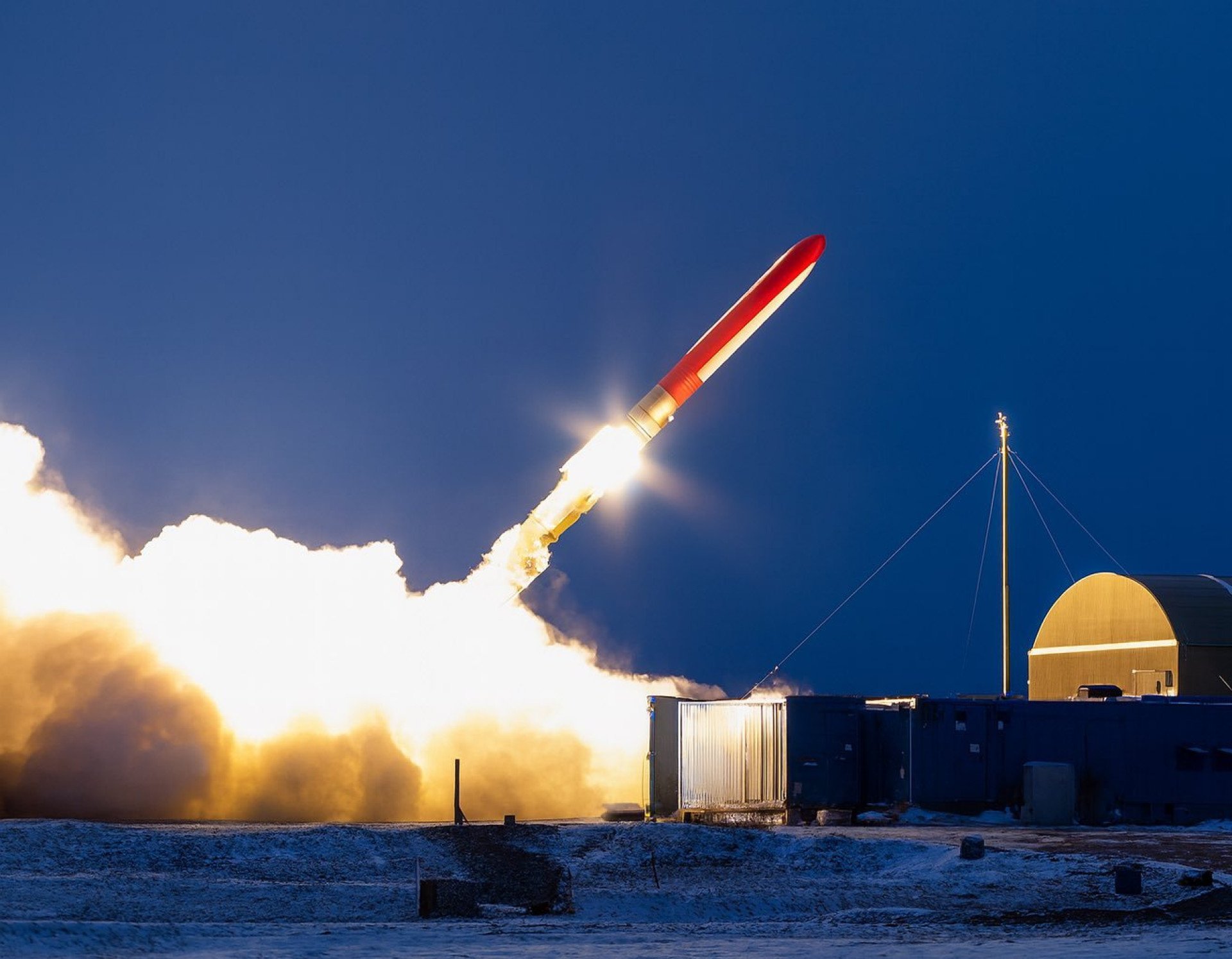
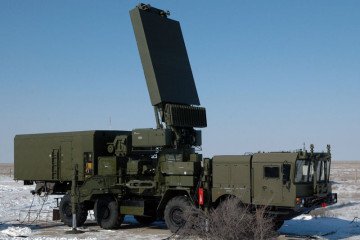
Analysts dismiss Russia’s nuclear-powered cruise missile as outdated, risky, and strategically meaningless—a weapon built for propaganda, not deterrence.
 Prefer U24 Media on Google
- Authors


Russian leader Vladimir Putin’s latest boast about testing a nuclear-powered cruise missile with “unlimited range” has drawn skepticism from weapons experts, who describe the system as unreliable, outdated, and more symbolic than practical, according to The Wall Street Journal on October 28.
Putin and Russia’s top general, Valery Gerasimov, announced on October 26 that the experimental Burevestnik missile had completed a successful flight, hailing it as a breakthrough unmatched by any Western weapon.
⚡ Russia has successfully tested its nuclear-powered Burevestnik cruise missile:
— OSINT Updates (@OsintUpdates) October 27, 2025
Putin announces successful test of Russia’s 9M730 Burevestnik (SSC-X-9 “Skyfall”), a nuclear-powered, nuclear-capable intercontinental cruise missile said to have unlimited range and the ability to… pic.twitter.com/zNkjcyK3OF
But according to missile and nuclear specialists cited by The Wall Street Journal and Deutsche Welle, the Burevestnik is a technological relic—one plagued by inefficiency, radiation risks, and little military value beyond political signaling.
“Burevestnik is a political weapon,” said Pavel Podvig, senior researcher at the United Nations Institute for Disarmament Research. “The main purpose of the system is that it allows the Russian president to tell his US counterpart that Moscow can circumvent missile-defense systems. But even that might not be true.”
🚨🚨 Unlimited-range Burevestnik joins Russia’s elite missile club — after flying 14K km
— Sputnik India (@Sputnik_India) October 26, 2025
A glimpse inside Russia’s top-tier arsenal 🧵👇 https://t.co/IjcrJRWJp5 pic.twitter.com/fABARGFVJs
An unstable, subsonic throwback
Despite claims of “unlimited range,” the Burevestnik flies well below the speed of sound—a trait that makes it easy to track and shoot down.
Western analysts note that similar slow-moving missiles are being intercepted daily in Ukraine, where modern air-defense systems easily detect subsonic targets.
“It was always a kind of science-lab project. There’s a lack of practicality and a vulnerability about it,” said Douglas Barrie, senior fellow at the International Institute for Strategic Studies.
For everyone that's been wondering how #Russia's nuclear-powered cruise missile would actually work, our graphics team @Stratfor put together this nice little diagram showing a possible configuration of the #Burevestnik. pic.twitter.com/ri1cZHuo2Q
— Sim Tack (@SimTack) August 16, 2019
He explained that the missile’s multiple propulsion systems must be synchronized with “impossible precision” for flight, while its miniature nuclear reactor adds cost, complexity, and severe operational risk.
Barrie added that Soviet experiments with nuclear-powered engines date back to the 1950s, and even then, the concept lacked “practical direction.”
A dangerous relic in a hypersonic era
The Burevestnik’s reported advantage—an unpredictable flight path—is overshadowed by the rise of hypersonic weapons, which already render most traditional defenses obsolete, WSJ notes.
“Technically, it’s feasible, but now speed and maneuverability are the sine qua non,” said William Alberque, a former NATO arms-control official, now a senior fellow at the Pacific Forum think tank.
Typical piece of Russian reflexive control.
— Pavel Macko (@PaloMacko) October 26, 2025
Putin's claim that Burevestnik "has no equal in the world and is an indestructible weapon" has no relevance, even if it were true. Unless Putin can stop all US missiles with nuclear warheads, it is just blackmail and attempt to apply… pic.twitter.com/HMpfg3dqpa
Alberque also noted that the Burevestnik’s radioactive reactor makes it an easy target even before launch, “As soon as they power up that reactor, we’ll know about it—from space.”
German defense analyst Carlo Masala of the Bundeswehr University called the Kremlin’s announcement “a propaganda show,” timed to coincide with NATO nuclear exercises and new US sanctions against Russia’s energy sector. “It’s not a superweapon,” he said. “It’s theater.”
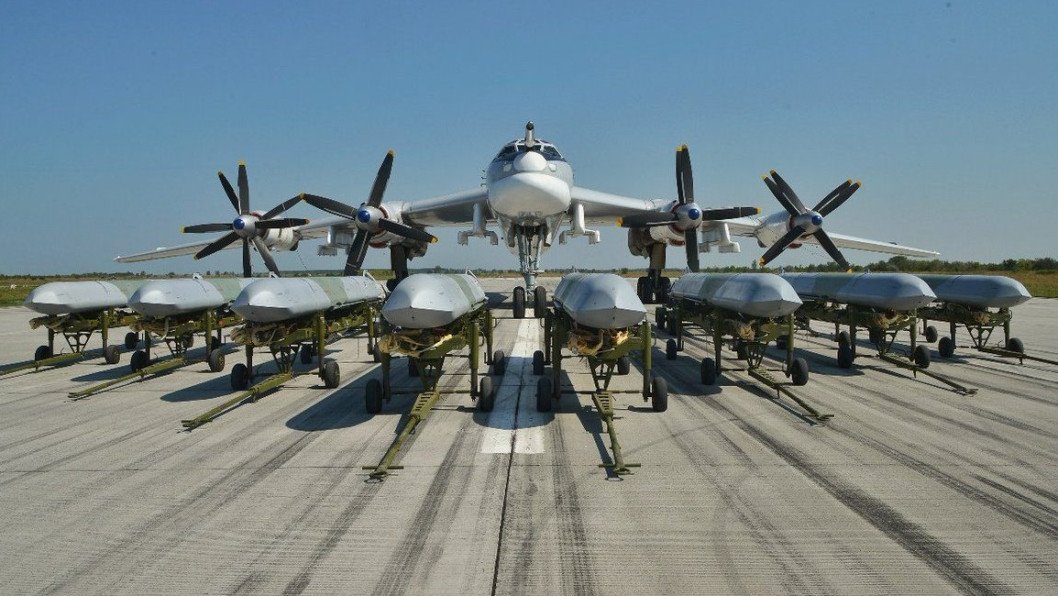
Strategic self-sabotage
Diplomatic experts argue that deploying such a missile would be strategically irrational.
“Any rational opponent detecting a nuclear cruise missile launch would assume the start of a war,” wrote Boris Bondarev, a former Russian diplomat now based in Geneva for Russian media The Moscow Times.
“The Burevestnik ceases to be a weapon of deterrence—it becomes a weapon of self-destruction.”
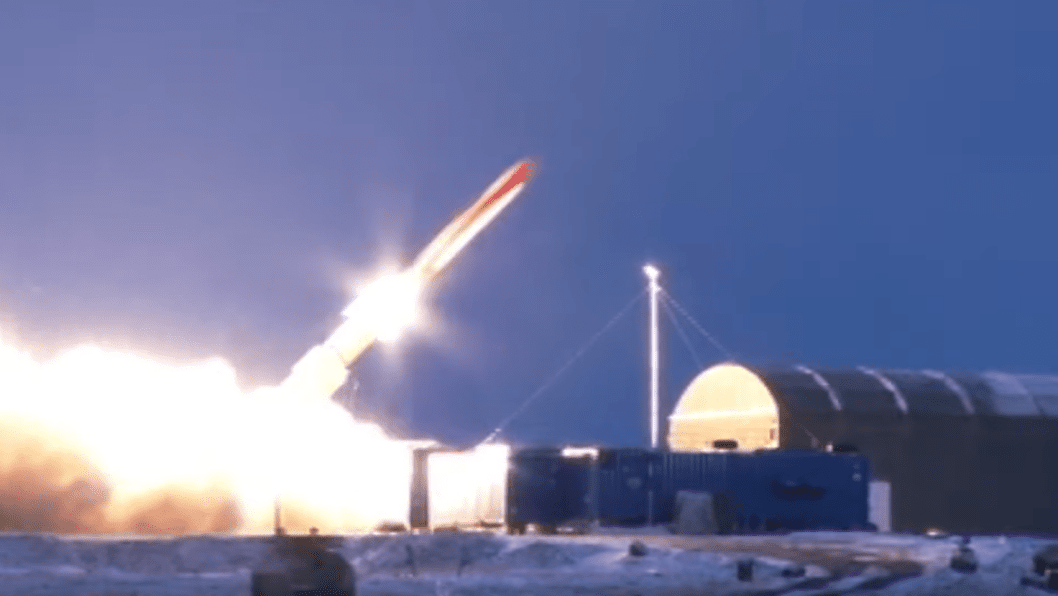
Bondarev described the missile as “a symbol not of power, but of weakness—proof that the Kremlin has no other tools of influence left but nuclear threats.”
Even some Russian scientists, such as Nikolai Sokov of the Vienna Center for Disarmament and Non-Proliferation, believe that engineers at Rosatom may have reduced radioactive emissions, but both he and Podvig agree that the Burevestnik’s production will be minimal and will not alter the strategic balance between Russia and the United States.
“This missile has cost Russia so much—in money and in lives,” Alberque said, recalling past test failures and a deadly 2019 explosion that killed five nuclear scientists.

In the end, experts say, the Burevestnik’s most significant power may lie not in its nuclear reactor—but in its propaganda value. As Bondarev put it, “It’s an illusion of strength built on desperation.”
Earlier, Norway’s Vice Admiral Nils Andreas Stensoenes, head of Norway’s Intelligence Service, confirmed that Russia tested its nuclear-powered Burevestnik long-range cruise missile last week.
Discuss this article: