- Category
- Latest news
UK Weighs Nuclear-Sharing Deal With Germany Amid Growing Russian Threat
 Prefer U24 Media on Google
- Authors


Former NATO leaders and senior British commanders call for a joint deterrence pact amid concerns over US reliability and Moscow’s escalating nuclear rhetoric, according to The Telegraph on October 25.
Britain should consider sharing its nuclear deterrent with Germany to strengthen Europe’s defenses against an increasingly aggressive Russia, senior British defense officials have said.
The proposal comes as military leaders across Europe debate how to maintain credible nuclear deterrence amid growing uncertainty about long-term US security guarantees.
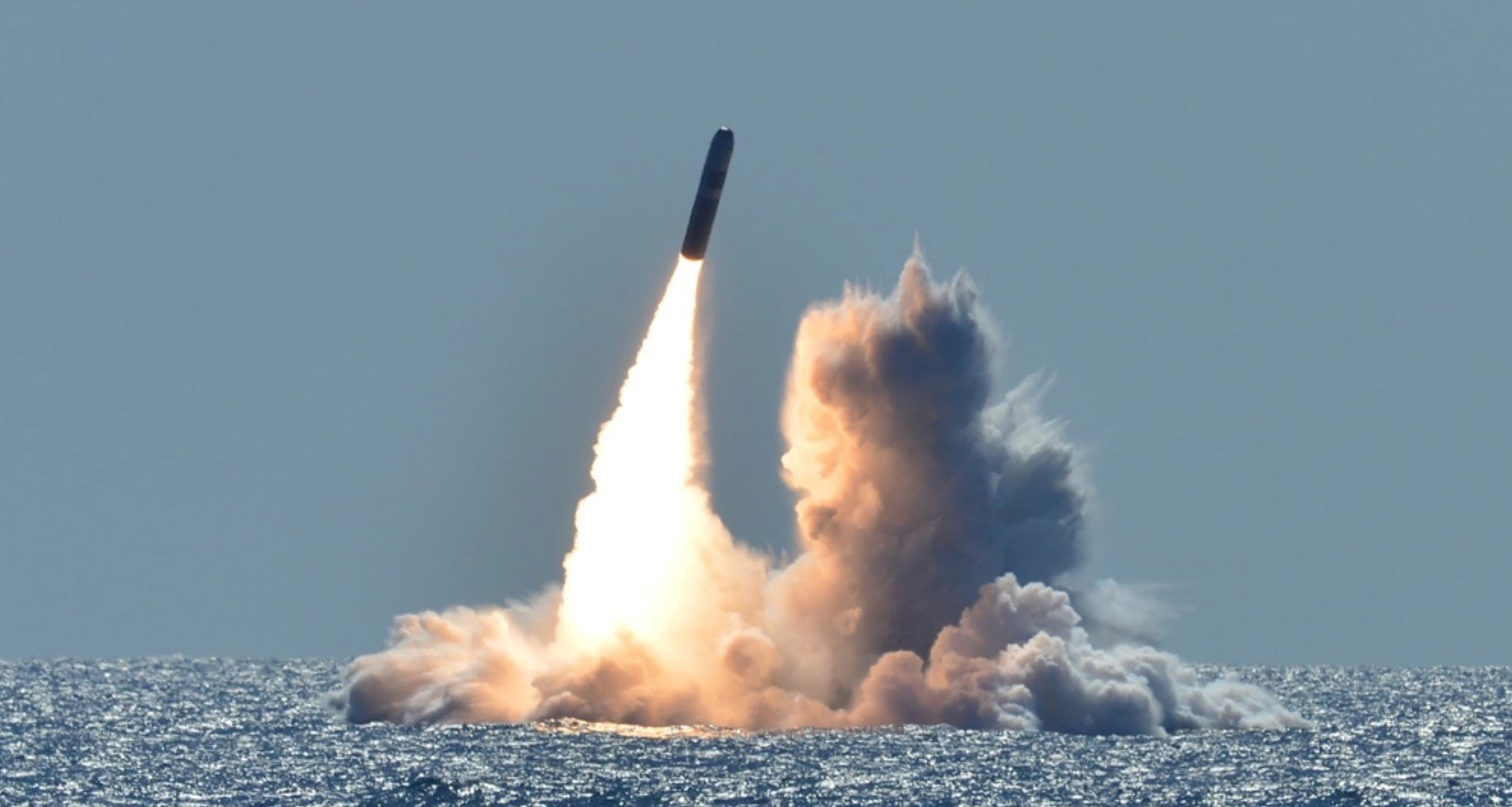
❗️A 🇺🇸US or 🇬🇧UK submarine has carried out an unannounced test launch of a Trident-II D5 intercontinental ballistic missile, which can carry nuclear warheads, towards the South Atlantic Ocean. pic.twitter.com/7ulK8kTH5v
— 🪖MilitaryNewsUA🇺🇦 (@front_ukrainian) September 22, 2025
According to The Telegraph, both a former chief of the UK Defence Staff and a former NATO secretary general have urged the British government to begin talks with Berlin on a potential nuclear-sharing agreement.
Germany is already holding “strategic discussions” with France, which has offered to expand its own nuclear umbrella as part of a possible joint European deterrent.
German Chancellor Friedrich Merz has reportedly expressed interest in exploring a similar arrangement with Prime Minister Sir Keir Starmer.
“There is a fundamental need to discuss this with the United Kingdom,” Merz said, calling the issue “strategically essential.”
-a163287344d111be7286b1d419b901a9.png)
Former NATO Secretary General Lord George Robertson, who also served as Britain’s defense secretary under Tony Blair, said such talks were “right and proper” and should have happened long ago.
“If Russia continues to deploy nuclear rhetoric, it’s going to force some decisions to be made inside Europe as a whole,” Robertson told The Telegraph.
Field Marshal Sir John Houghton, who headed Britain’s Defence Staff between 2013 and 2016, voiced similar concerns. With questions growing over the US commitment to European security, he said Europe must “think seriously about a continent-wide nuclear deterrence framework.”
The discussion comes as tensions rise following Donald Trump’s decision this week to impose new US sanctions on Russian oil giants Rosneft and Lukoil—a move Russia’s former president Dmitry Medvedev denounced as an “act of war.”
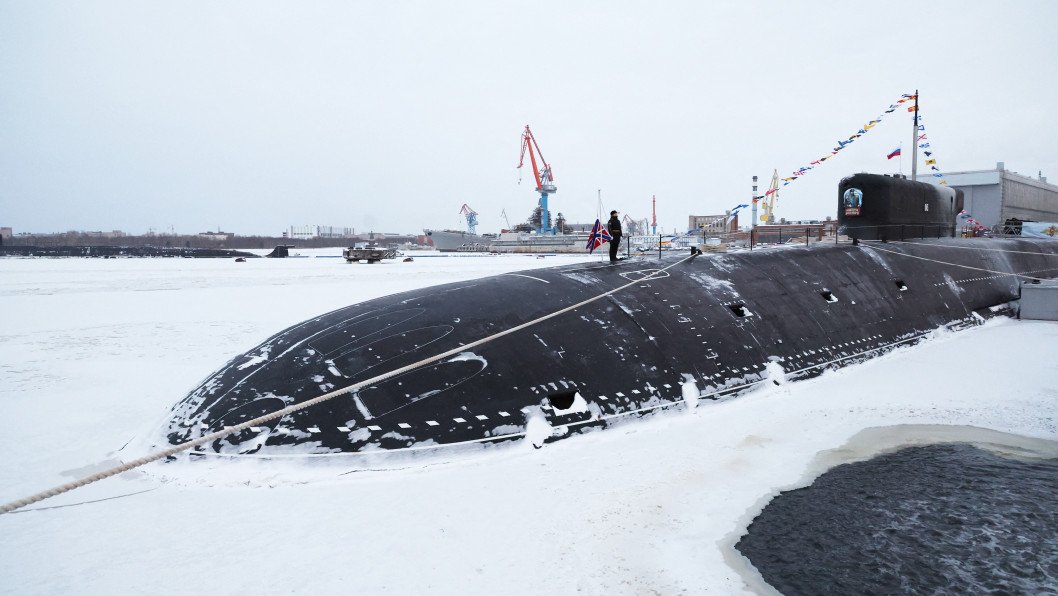
Britain’s nuclear arsenal, made up of Trident ballistic missiles carried aboard four Vanguard-class submarines, has been declared part of NATO’s deterrent force since the 1960s. At least one submarine remains on continuous patrol at all times, capable of launching nuclear strikes in defense of the alliance.
France maintains roughly 300 nuclear warheads, while the UK has about 250. Both nations’ independent arsenals are already integrated into NATO’s defensive structure.
As European leaders weigh new forms of deterrence, the debate over shared control remains politically sensitive. Analysts note that any UK-German nuclear arrangement would face legal and logistical hurdles—particularly over who would have authority to launch a weapon in a crisis.
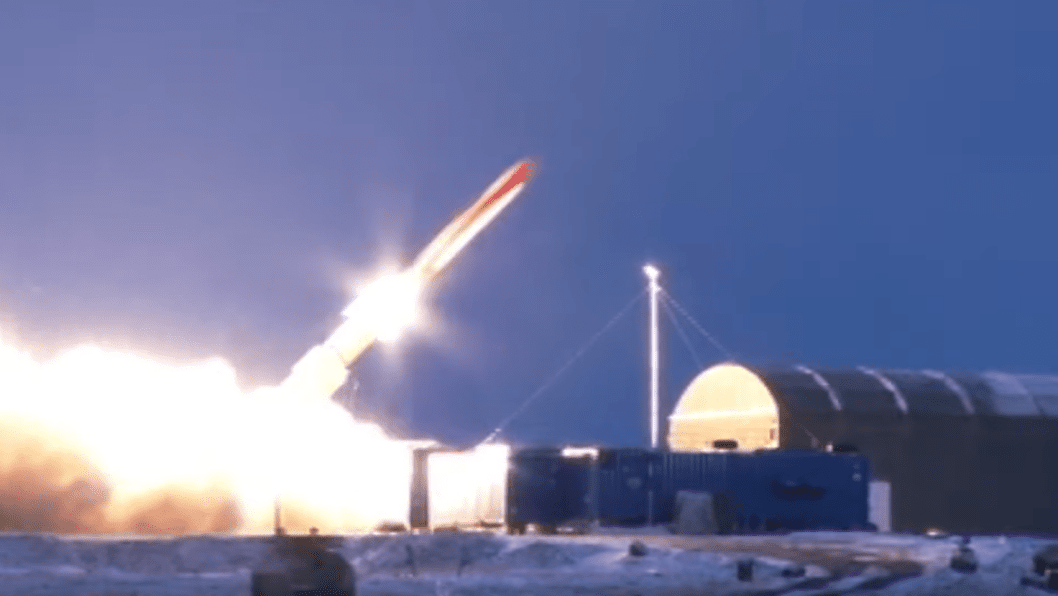
Still, Robertson said, the conversation is overdue. “Europe cannot afford to remain complacent,” he warned. “If the nuclear saber-rattling from Moscow continues, European nations will be forced to take their own security decisions.”
Earlier, the United Kingdom reported a sharp rise in Russian submarine activity near its waters, reaching levels last seen during the Cold War.
Defense Secretary John Healey said that Royal Air Force (RAF) and Royal Navy forces are actively tracking Russian vessels in the North Atlantic.
Discuss this article:
-331a1b401e9a9c0419b8a2db83317979.png)

-c439b7bd9030ecf9d5a4287dc361ba31.jpg "Photo of Katherina Popilnichenko")