- Category
- Latest news
Could Russia’s Iskander Be Slipping Past US Patriot Defenses? 4 Possible Reasons
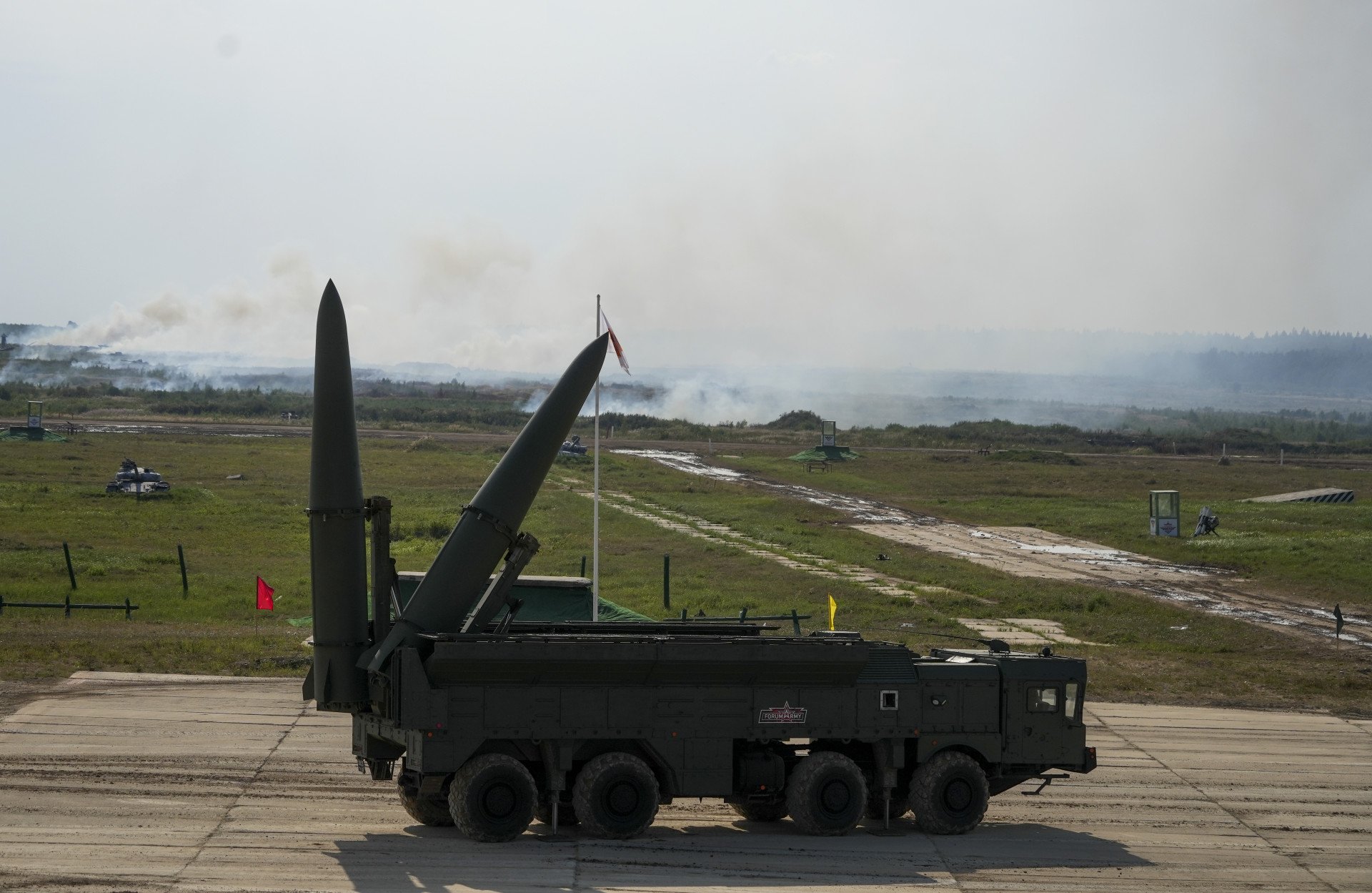
Russia may not have upgraded its Iskander missiles with new hardware—but changes in tactics, programming, and battlefield conditions could explain why these ballistic weapons are now more difficult for US-made Patriot systems to intercept.
 Prefer U24 Media on Google
- Authors


Russia’s recent claims of upgrading its Iskander ballistic missile system to evade US-made Patriot air defenses have prompted both skepticism and analysis among defense experts.
Despite reports of “modernized” Iskander missiles appearing more effective against Ukrainian air defenses, there is still no official confirmation of what changes were made—or whether the improvement lies elsewhere.
According to Defense Express on October 7, several explanations may account for the reported performance boost.
Reprogrammed flight path: a steeper terminal trajectory
The first, and most technically plausible, comes from Norwegian missile analyst Fabian Hoffmann, who suggests the change may involve a steeper terminal flight trajectory.
-3336ca785df0ebe3e84fa8baef71d263.jpg)
By reprogramming the missile to descend at a sharper angle before impact, Russia could reduce the reaction time available to Patriot batteries—without any physical modification of the missile itself.
A steeper trajectory would allow the missile to pass through the Patriot’s interception envelope more quickly, a tactic potentially more efficient than mid-flight maneuvers.
The Patriot PAC-3 MSE interceptor is designed for extreme agility, relying on solid-fuel thrusters to outmaneuver incoming threats. However, shortening the engagement window could make interception significantly harder.

Strategic targeting: avoiding Patriot-protected areas
Another explanation, Hoffmann noted, may be less about technology and more about target selection. Russia could simply be firing Iskanders at locations not protected by Patriot systems.
If ten ballistic missiles strike a target area without Patriot coverage, none would be intercepted—creating the illusion of an improved missile.
PAC-3 missile shortages in Ukraine
A third factor could involve missile shortages on the Ukrainian side. The Patriot system typically launches two interceptors, and sometimes up to four, against each ballistic missile.
If stocks of PAC-3 MSE interceptors are limited, Ukrainian operators may be forced to fire fewer per engagement, reducing interception rates.
Use of older GEM-T interceptors
Finally, Defense Express adds another possibility: Ukrainian forces may be forced to use older GEM-T interceptors due to PAC-3 shortages. Unlike MSEs, GEM-T missiles lack hit-to-kill technology and can only damage ballistic targets with shrapnel rather than fully destroy them mid-air.
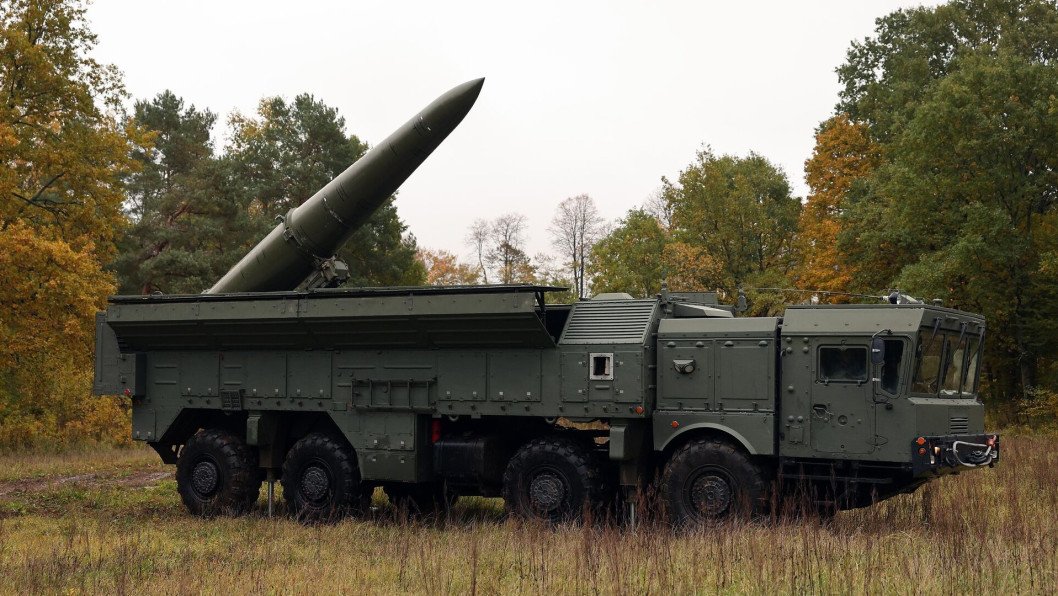
As Defense Express concludes, no single factor likely explains the situation. Instead, a combination of trajectory adjustments, target choice, interceptor shortages, and missile type differences may collectively shape the apparent performance gap between Iskander strikes and Patriot defenses.
Earlier, Russia introduced a new modification to its 9M727 cruise missile, part of the Iskander-K system. The 450-kilogram warhead was upgraded with multiple additional contact detonation sensors—similar to those found on the Kh-101 air-launched missile—to ensure detonation even in cases of partial impact.
Discuss this article:



-c439b7bd9030ecf9d5a4287dc361ba31.jpg "Photo of Katherina Popilnichenko")