- Category
- Latest news
How Operation Spiderweb Forced Russia to Shift From Bombers to Ground-Launched Missiles
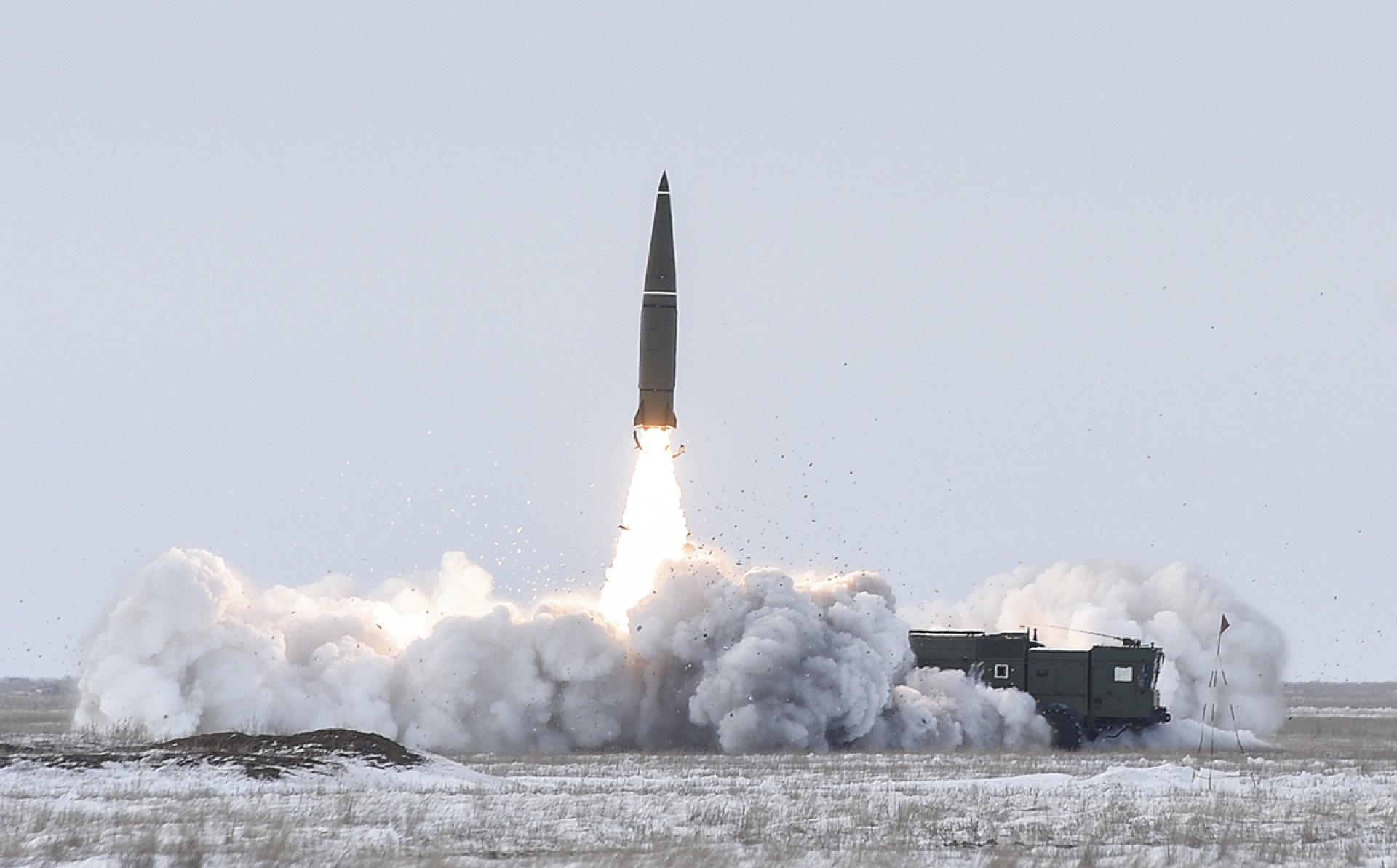
Russia has changed the way it conducts missile attacks on Ukraine following Operation Spiderweb—a series of Ukrainian deep-strike drone raids that destroyed several Russian strategic bombers on their airfields.
 Prefer U24 Media on Google
- Authors




In the wake of those losses, Moscow has moved away from heavy reliance on long-range aviation and begun depending more on ground-based ballistic and cruise missiles, Defence Blog reported on November 14.
Citing Ukrainian defense sources, Defence Blog notes the shift has become increasingly visible in recent strikes across the front-line, central, and northern regions.
Operation "Spiderweb"@ServiceSsu has released unique footage of an operation that resulted in the damaging of 41 russian strategic military aircraft. pic.twitter.com/S4C8bSJRAV
— Defense of Ukraine (@DefenceU) June 4, 2025
Fewer bombers, more missiles
For much of the war, Russia’s Tu-95MS and Tu-160 bombers launched cruise missiles capable of reaching any target in Ukraine.
But after Ukraine’s Security Service drones struck airbases deep inside Russia, several bombers were destroyed, forcing the Kremlin to scale back long-range aviation missions. Officials now describe the move as an effort to preserve the remaining aircraft and reduce exposure to further Ukrainian attacks.
-04df4aadbcb4826e9e7fd30da33613f4.jpg)
The Iskander takes center stage
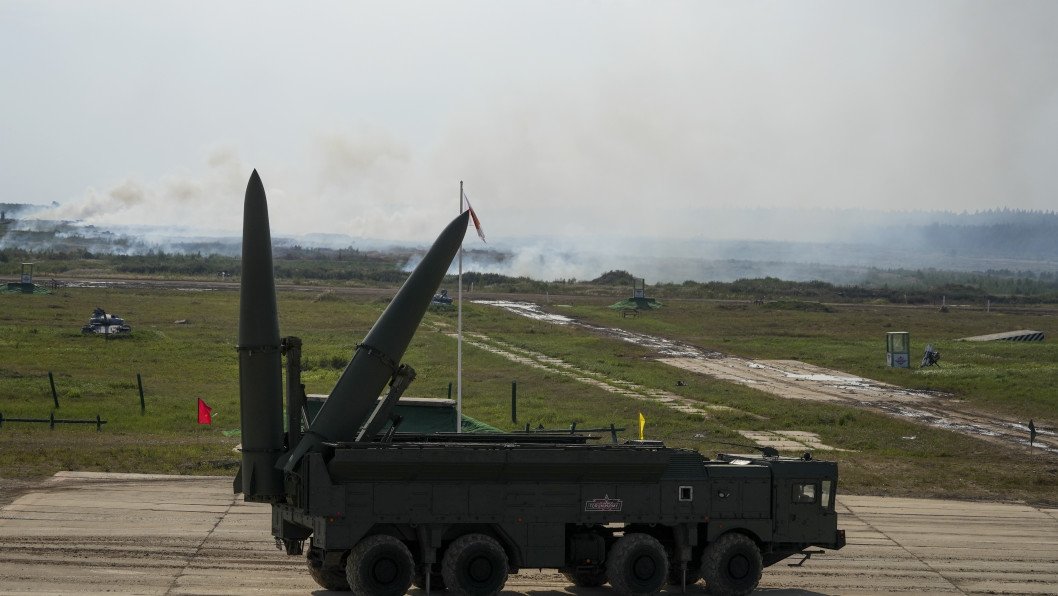
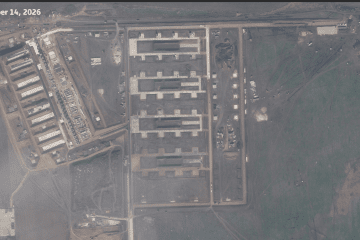
In place of strategic aviation, Russia is relying more on its Iskander missile system, deploying both ballistic and cruise variants to hit targets from safer positions within Russian-held territory.
These shorter-range missiles are being used primarily against central and left-bank areas, limiting Russia’s reach into western Ukraine without deploying bombers.
Meanwhile, Russia’s use of Kalibr and Kinzhal missiles, as well as Shahed drones, continues largely unchanged. These long-range systems remain central to Moscow’s strikes on critical infrastructure and cities, used in coordination with the newly adjusted Iskander-based pattern.
Ukraine’s drones reshape Russia’s war doctrine
Analysts say the shift highlights growing pressure on Russia’s strategic bomber fleet and the broader impact of Ukraine’s deep-strike operations under Operation Spiderweb.
-3336ca785df0ebe3e84fa8baef71d263.jpg)
By exposing the vulnerability of assets once believed untouchable, Ukraine has forced Moscow to recalibrate its missile doctrine—trading reach and payload for safety and survivability.
Earlier, reports emerged that Russia has repeatedly used the 9M729 cruise missile—a weapon whose covert development once led the United States to quit a major Cold War-era arms control treaty—against Ukraine in recent months.
Discuss this article:
-9bd5e1532102621f8fb1c4ba871a3171.png)


-111f0e5095e02c02446ffed57bfb0ab1.jpeg "Photo of Roman Kohanets")
-72b63a4e0c8c475ad81fe3eed3f63729.jpeg "Photo of Cyril Barabaltchouk")