- Category
- Latest news
Inside Russia’s Iskander-K: Ukraine Unmasks 41 Factories Behind the Cruise Missile
 Prefer U24 Media on Google
- Authors


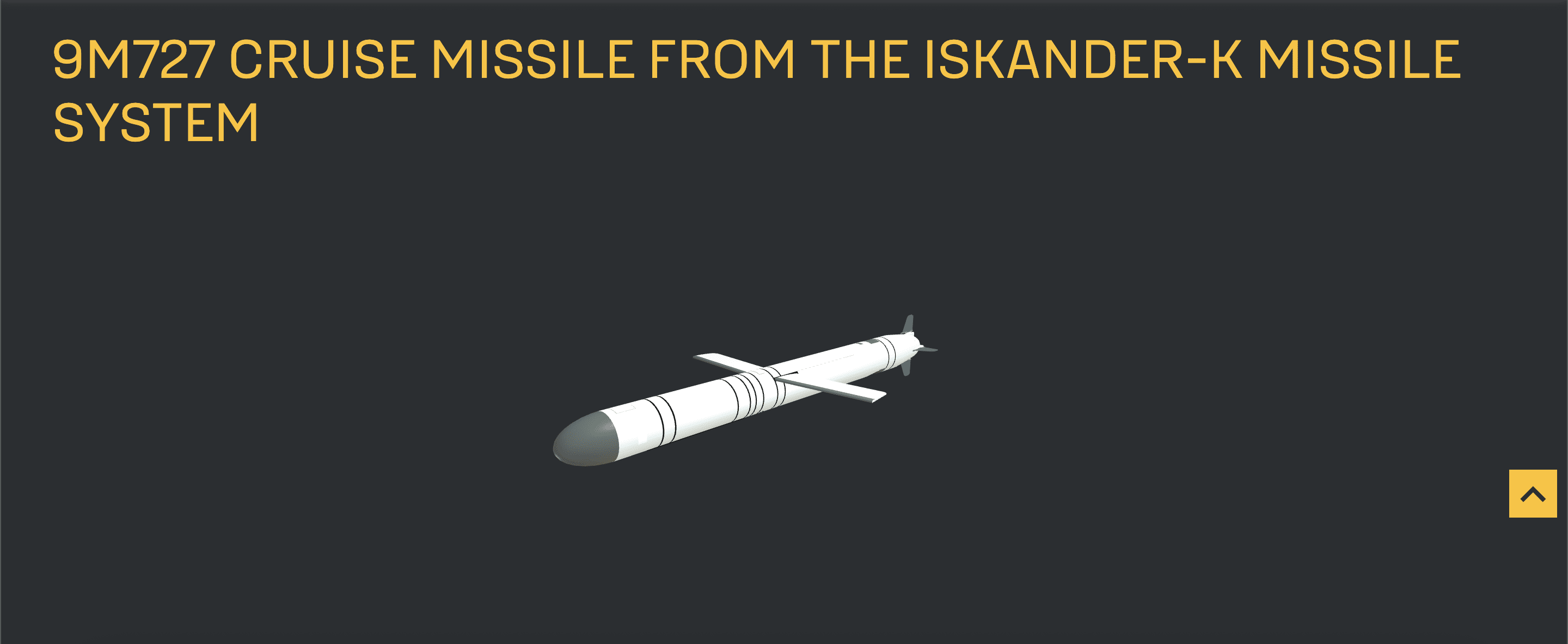
Ukraine’s military intelligence agency has publicly identified the Russian and Belarusian defense enterprises involved in producing the 9M727 cruise missile, part of the Iskander-K operational-tactical missile system.
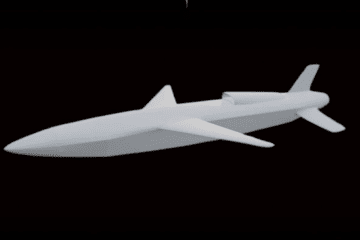
The announcement, shared via the Telegram channel of Ukraine’s Main Intelligence Directorate (HUR), includes an interactive 3D model and detailed manufacturer data, published through the War & Sanctions platform.
According to HUR, the primary developer of the 9M727 missile is the Novator Experimental Design Bureau, a subsidiary of the state-owned Almaz-Antey Corporation. Alongside Novator, Ukraine has listed 39 additional Russian and one Belarusian company as contributors to the missile’s production process.
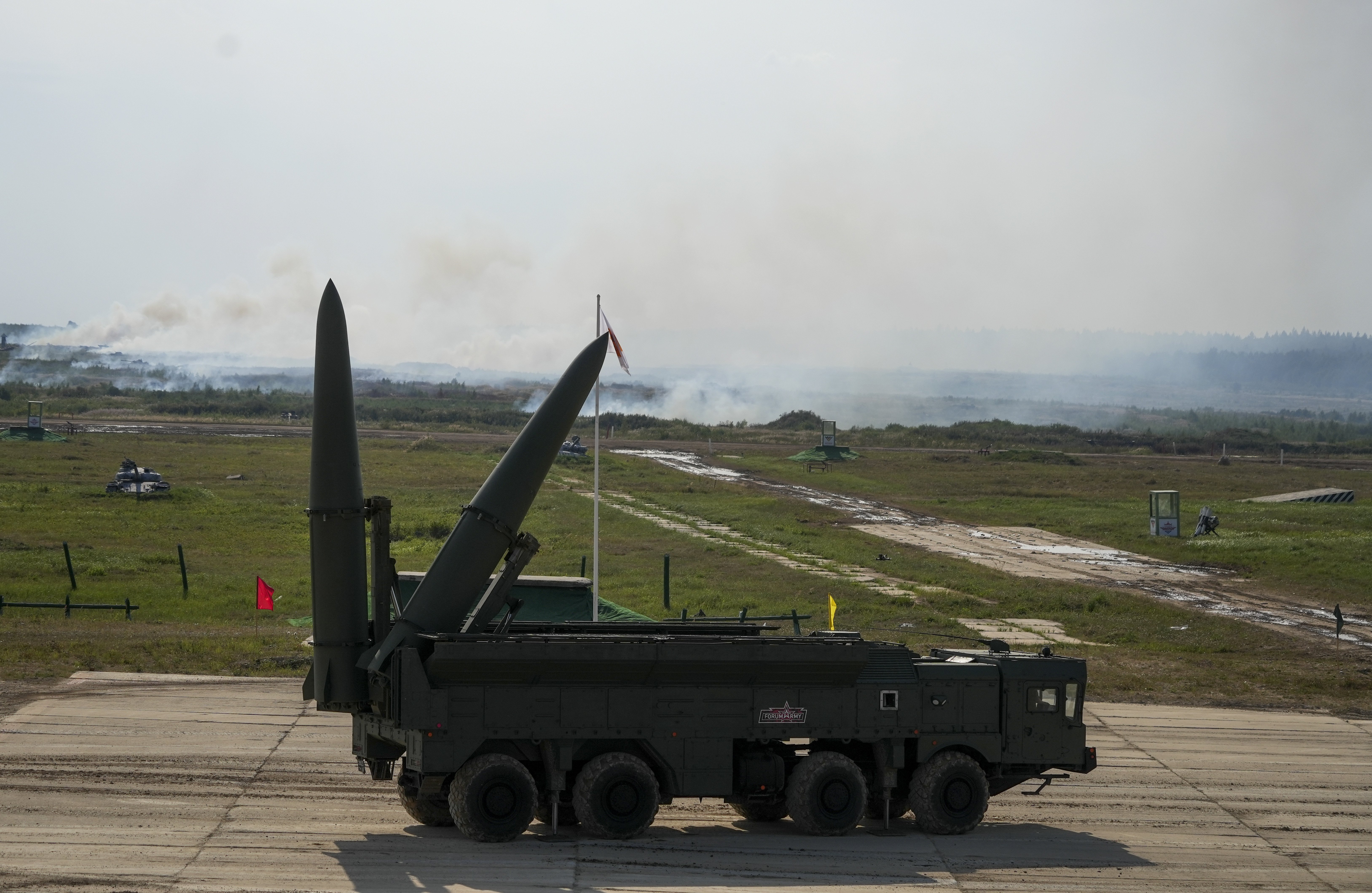
These enterprises are responsible for the missile’s key subsystems, including the warhead, turbojet propulsion, guidance systems, and electronic components.
Among the listed suppliers are:
Tambov Electromechanical Plant (Tambovskiy Zavod Elektroppribor)—developer of the GIB-123-4 inertial navigation system;
High Technologies JSC (АО “Vysokiye Tekhnologii”)—manufacturer of GTT-37.000 gas generators for the TRDD-50B turbojet engine;
Volzhsky Electromechanical Plant—provider of components for 9B914 jamming stations.
HUR noted that eight of the 41 entities involved in producing the Iskander-K missile remain unsanctioned by any country in the international sanctions coalition, highlighting a gap in enforcement.
The 9M727 is a surface-launched cruise missile capable of striking targets at ranges between 50 and 500 kilometers. It travels at low altitudes, following a preset trajectory with the assistance of satellite and inertial navigation systems, and can maneuver throughout its flight to evade air defenses.
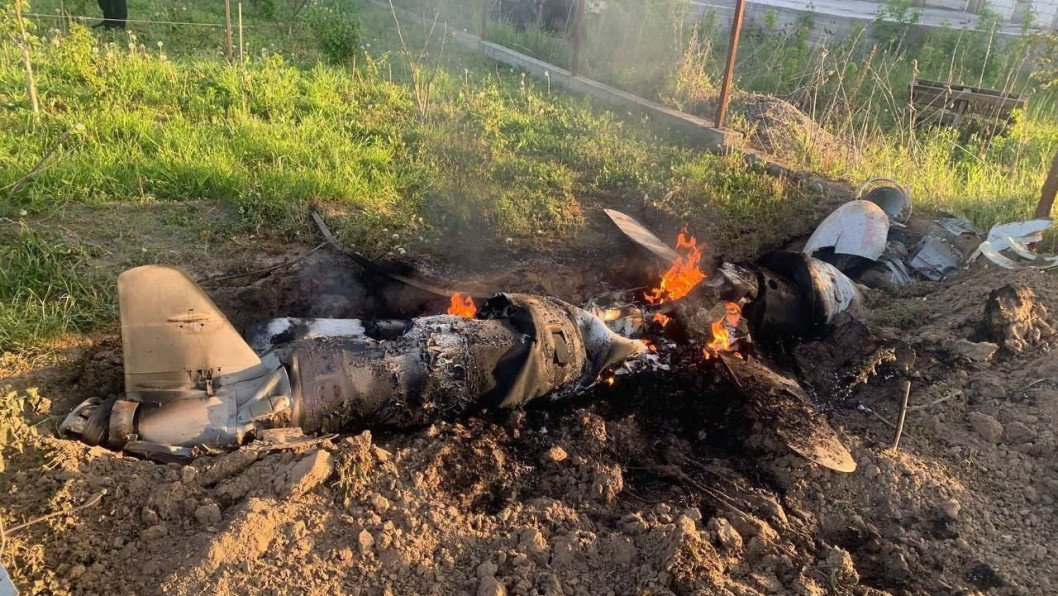
Structurally, the missile is cylindrical with a rounded nose cone. It is powered by a turbojet engine that operates continuously during flight.
After exiting the launch container, two mid-body wings deploy, and four tail stabilizers provide aerodynamic control. The warhead reportedly weighs between 480 and 500 kilograms.
Earlier, Russia for the first time used RM‑48U target missiles in strikes against Ukrainian territory, repurposing training missiles derived from decommissioned S‑300 and S‑400 air defense interceptors for ground attacks.
Discuss this article:
-4a56a6b482ec132402c16ef6fcabf9a2.png)

-2a1646737344cdcf3a03bdb85e4e4533.png "Footage released by Ukraine’s Khyzhak Brigade shows a strike on a Russian BM-21 Grad multiple-launch rocket system concealed inside a shelter. (Source: Joint Forces Task Force)")
-72b63a4e0c8c475ad81fe3eed3f63729.jpeg "Photo of Cyril Barabaltchouk")
-111f0e5095e02c02446ffed57bfb0ab1.jpeg "Photo of Roman Kohanets")

-9fc3cf73e00823179b7f7cb9b3c735e8.jpeg "Damage to a building in Kyiv following a Russian ballistic attack on the capital. (Source: State Emergency Service of Ukraine)")