- Category
- Latest news
Russia Uses RM-48U Target Missiles in Ground Strikes Against Ukraine for the First Time
 Prefer U24 Media on Google
- Authors


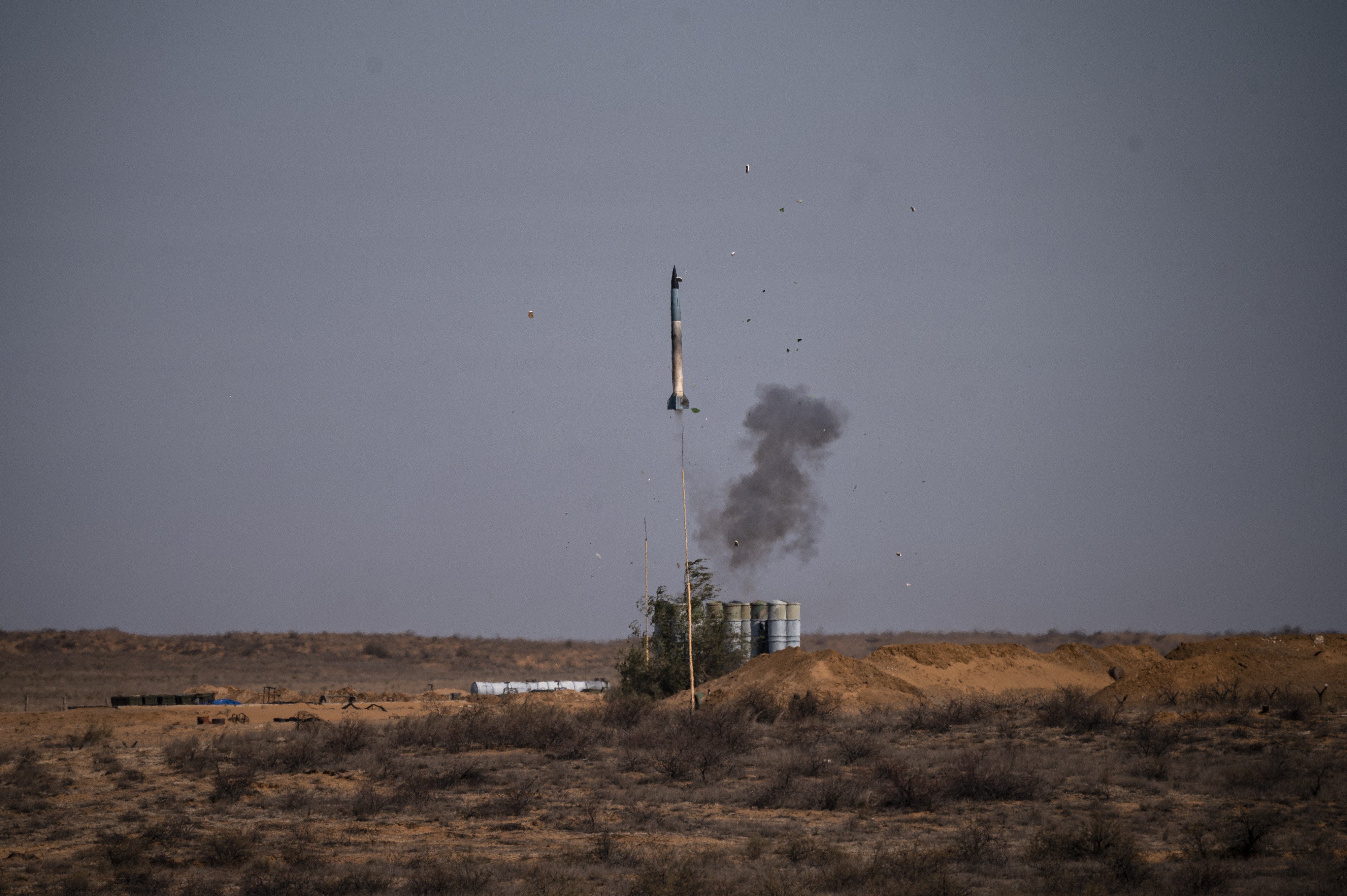
Russia has reportedly used RM-48U target missiles for the first time in a strike against Ukrainian territory, marking an escalation in its practice of repurposing outdated surface-to-air missiles for offensive ground attacks.
According to Defense Express on January 20, the overnight attack involved a mix of ballistic, cruise, and hypersonic weapons, as well as over 300 drones.
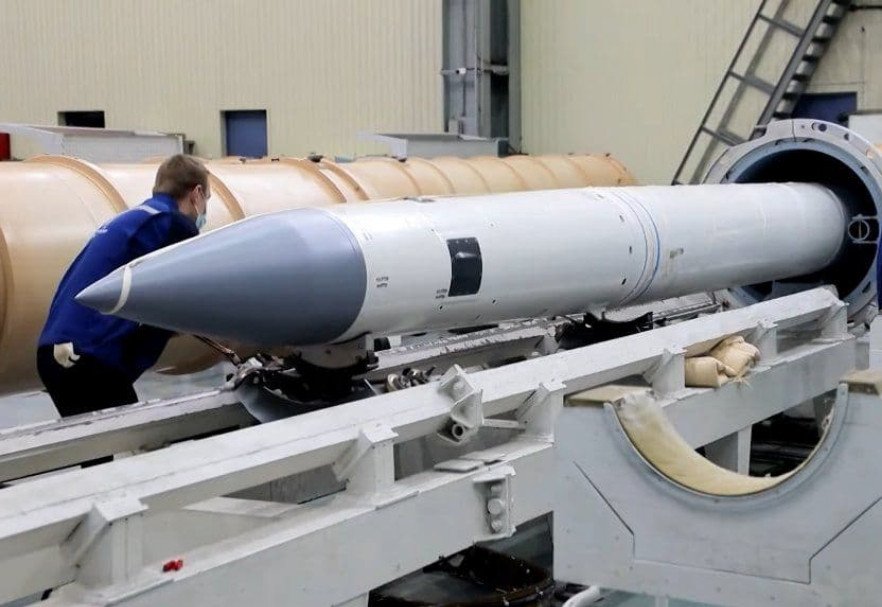
Among the projectiles launched was the RM-48U—originally designed as a target missile for air defense training and derived from decommissioned S-300 and S-400 interceptor systems.
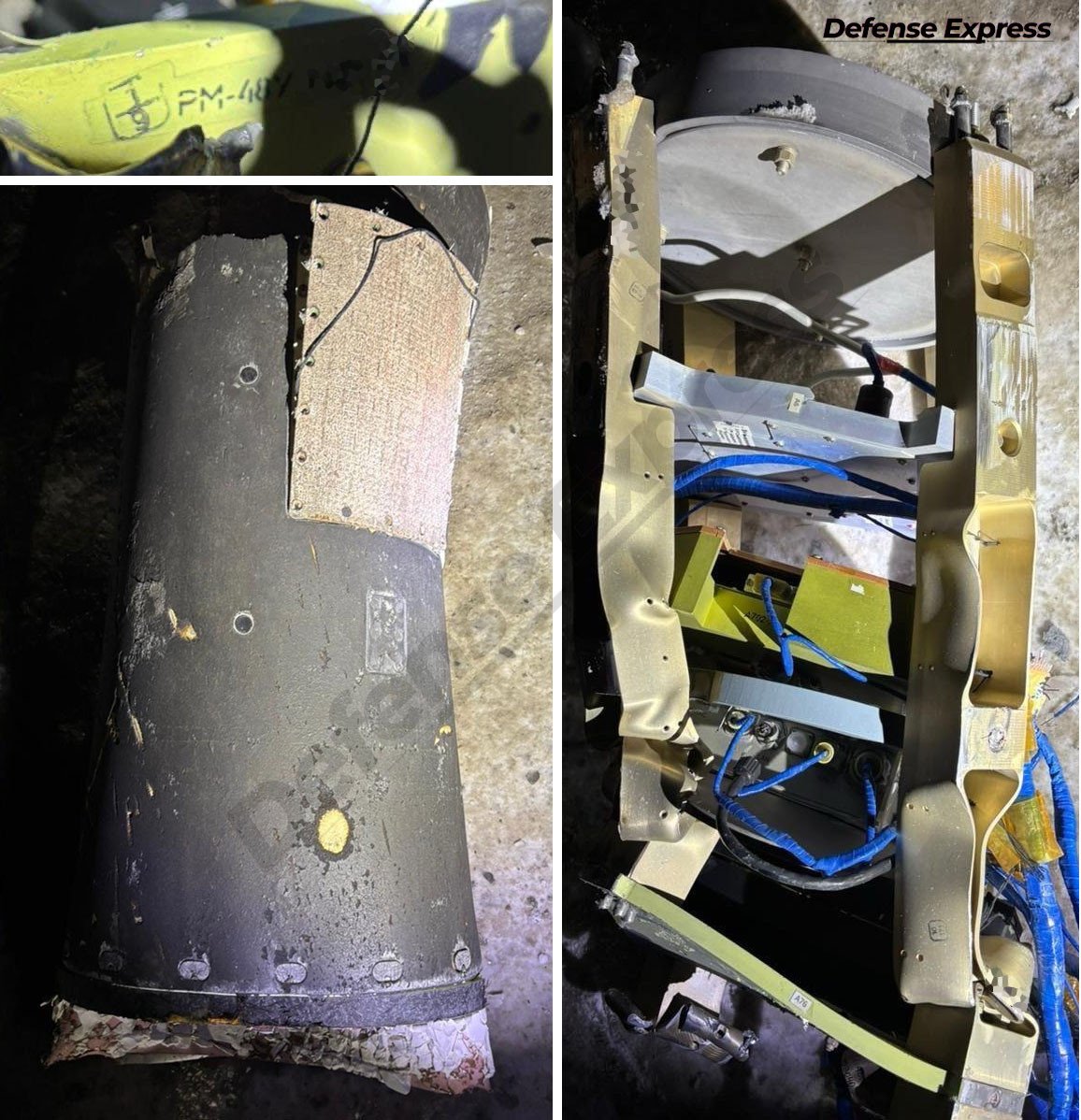
The RM-48U is not a standard offensive weapon. It is typically produced by modifying expired 5V55 or 48N6-series surface-to-air missiles (SAMs) for training purposes.
According to Defense Express, this marked the first known instance of Russia using the RM-48U in a combat role. Photographs of debris from the missile were obtained by the outlet, though it remains unclear whether the missile carried an active warhead or was used as a decoy.
In December 2025, Ukraine’s Defense Intelligence Directorate (HUR) publicly reported that Russia had stockpiled over 400 RM-48U units. These missiles can be fired from S-300 or S-400 systems—long-range air defense platforms that have increasingly been employed to target ground positions in Ukraine.
According to Ukraine’s Air Force Command, the January 20 overnight assault included:
34 missiles of various types;
339 drones, of which 250 were Iranian-designed Shahed UAVs;
14 out of 18 ballistic missiles intercepted;
13 of 15 Kh-101 air-launched cruise missiles shot down;
315 of 339 drones neutralized.
In addition to the RM-48U, the attack reportedly featured one of Russia’s few hypersonic Tsirkon missiles. Launched from temporarily occupied Crimea, it was believed to be aimed at central Ukraine, possibly Vinnytsia.
Defense Express notes that this launch was likely misidentified in some monitoring channels as a new missile called “Iskander-I”—a designation not found in official Russian sources, though past reporting has mentioned an “Iskander-1000” variant under development.
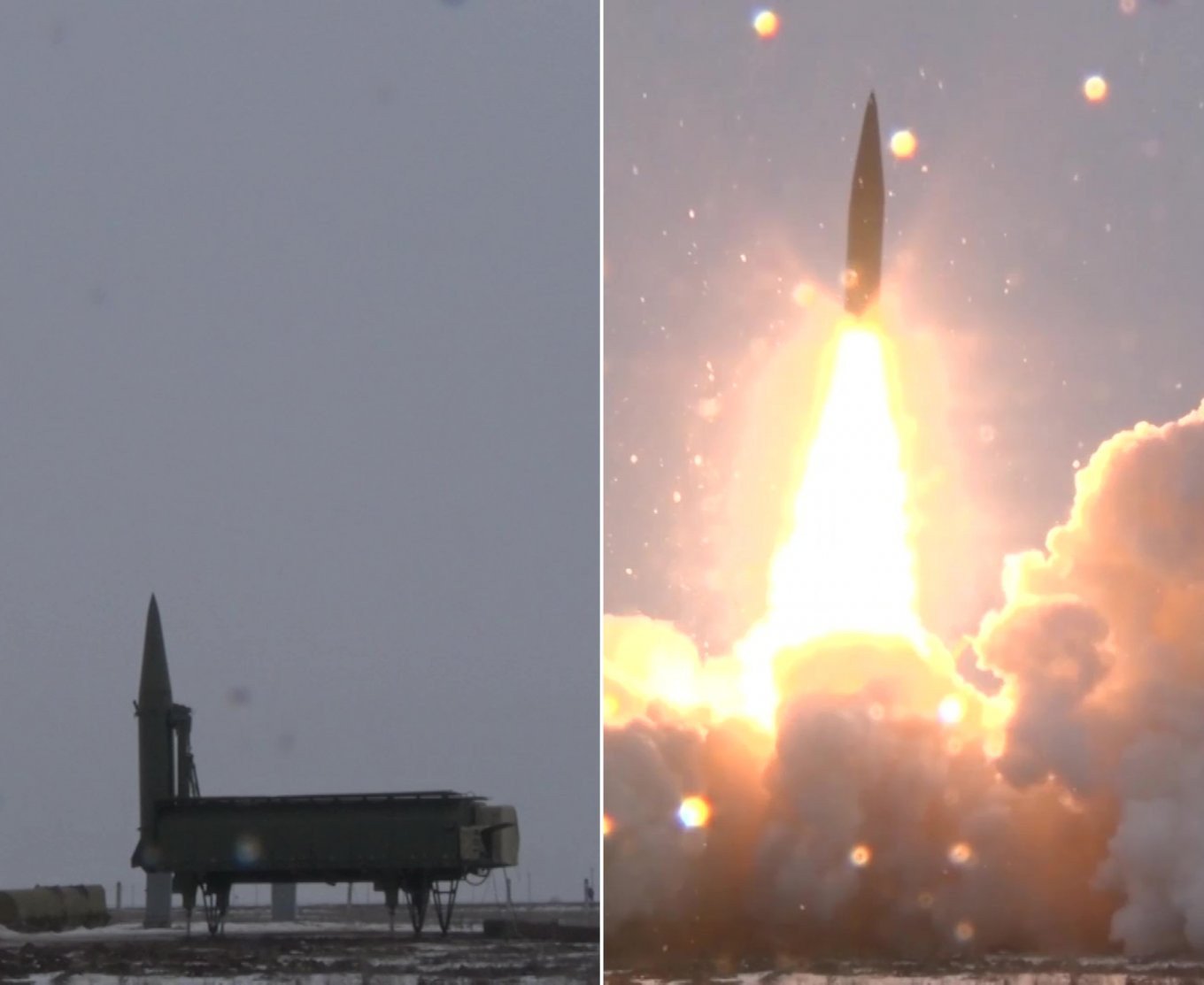
One of the Kh-101 cruise missiles downed during the attack was found to have been manufactured in early 2026, based on serial numbers cited by Defense Express. This suggests it was launched just 19 days after production, highlighting Russia’s continued ability to supply its military with advanced cruise weapons despite sanctions and export controls.
Russia began adapting its S-300 systems for ground strikes as early as summer 2022. While these systems were originally designed during the Soviet era to intercept aerial threats, they were equipped with the capability to target stationary ground objects with known coordinates. Their successor, the S-400 Triumf, retains and expands this capability.
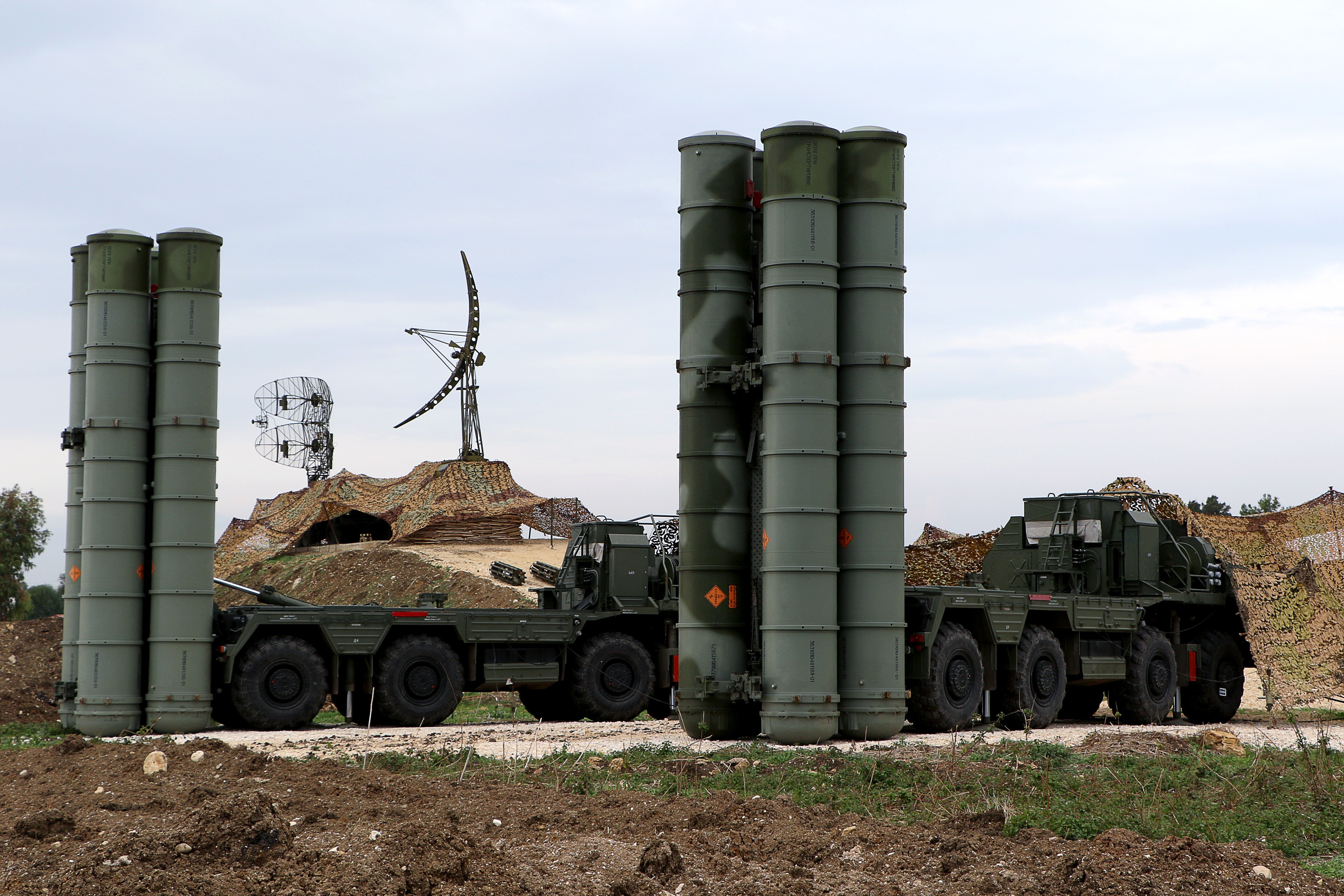
In using outdated or training variants of these SAMs—such as the RM-48U—Russia may be attempting to extend the operational life of older missile stocks or confuse Ukrainian air defenses with a mix of genuine threats and decoys.
According to Defense Express, the warheads on standard 5V55 and 48N6 missiles typically weigh between 133 and 180 kilograms and are packed with pre-fragmented metal elements, making them effective against exposed personnel, vehicles, and soft infrastructure targets. It remains to be confirmed whether these repurposed RM-48Us were similarly equipped.
Earlier on January 19, Ukraine warned the International Atomic Energy Agency about Russia’s preparations for another large-scale attack on the country’s energy infrastructure, including facilities and power grids supporting nuclear power plants.
Discuss this article:
-4a56a6b482ec132402c16ef6fcabf9a2.png)


-111f0e5095e02c02446ffed57bfb0ab1.jpeg "Photo of Roman Kohanets")
-2a1646737344cdcf3a03bdb85e4e4533.png "Footage released by Ukraine’s Khyzhak Brigade shows a strike on a Russian BM-21 Grad multiple-launch rocket system concealed inside a shelter. (Source: Joint Forces Task Force)")
-72b63a4e0c8c475ad81fe3eed3f63729.jpeg "Photo of Cyril Barabaltchouk")