- Category
- War in Ukraine
The Uzbek Cotton Behind Russia’s Missile Strikes
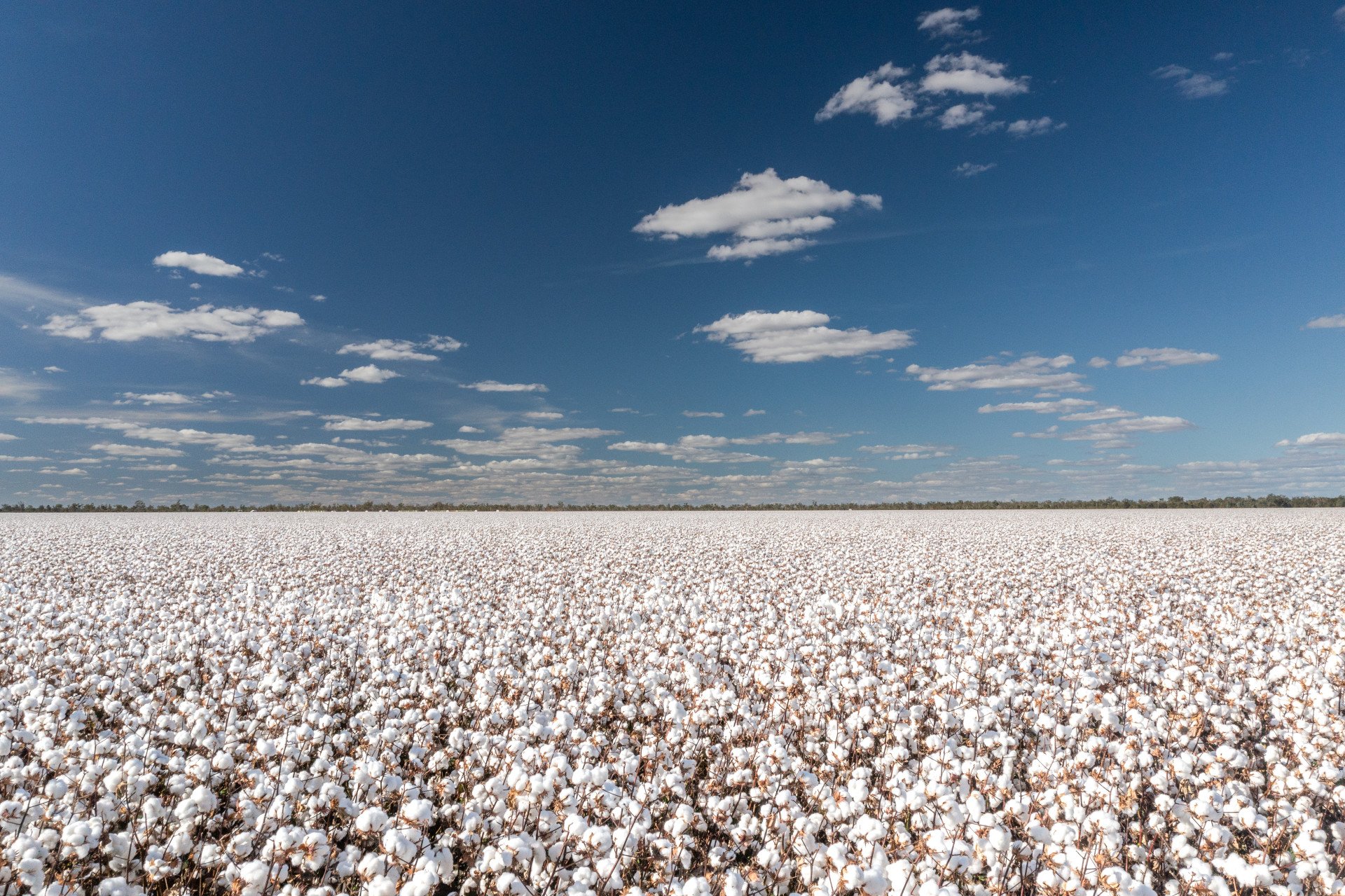
Russia’s missile production hinges on cotton from Uzbekistan, according to documents obtained by our newsroom. Internal records describe the material as irreplaceable for Iskander and S-300 systems. Under sanctions, it is shipped into Russia labeled simply as “cotton wool.”
 Prefer U24 Media on Google
- Authors

-206008aed5f329e86c52788e3e423f23.jpg "Photo of Oleksandr Moiseienko")
Fergana is a picturesque, quiet city in Central Asia, in Uzbekistan, located in the fertile Fergana Valley, a region known since the days of the Silk Road. For generations, cotton has been grown here—a traditional trade that employs thousands of local residents. For most of them, it is simply a job and a source of income.
But it is from this cotton that the production chain of explosives used in Russian munitions begins. After chemical processing, it is converted into special-grade cellulose used to produce nitrocellulose—the base of smokeless powder. Without it, artillery shells, mortar rounds, and missile launches are impossible.
The primary producer of this raw material is the Fergana Chemical Plant, controlled by businessman Rustam Rakhimdzhanovich Muminov, a citizen of Uzbekistan, Russia, and the United Kingdom. Muminov and companies affiliated with him are under sanctions by Ukraine, the United Kingdom, and the European Union for their involvement in supplying materials to Russia’s military-industrial complex. It was through this plant that a steady channel of cotton cellulose supplies to Russian defense enterprises was established.
By 2020, Russia’s Perm Powder Plant was already operating under the state defense order and under the supervision of Russia’s Defense Ministry. Internal documents from that period show that supplies of materials for the production of so-called “special products” were approved by military representatives.
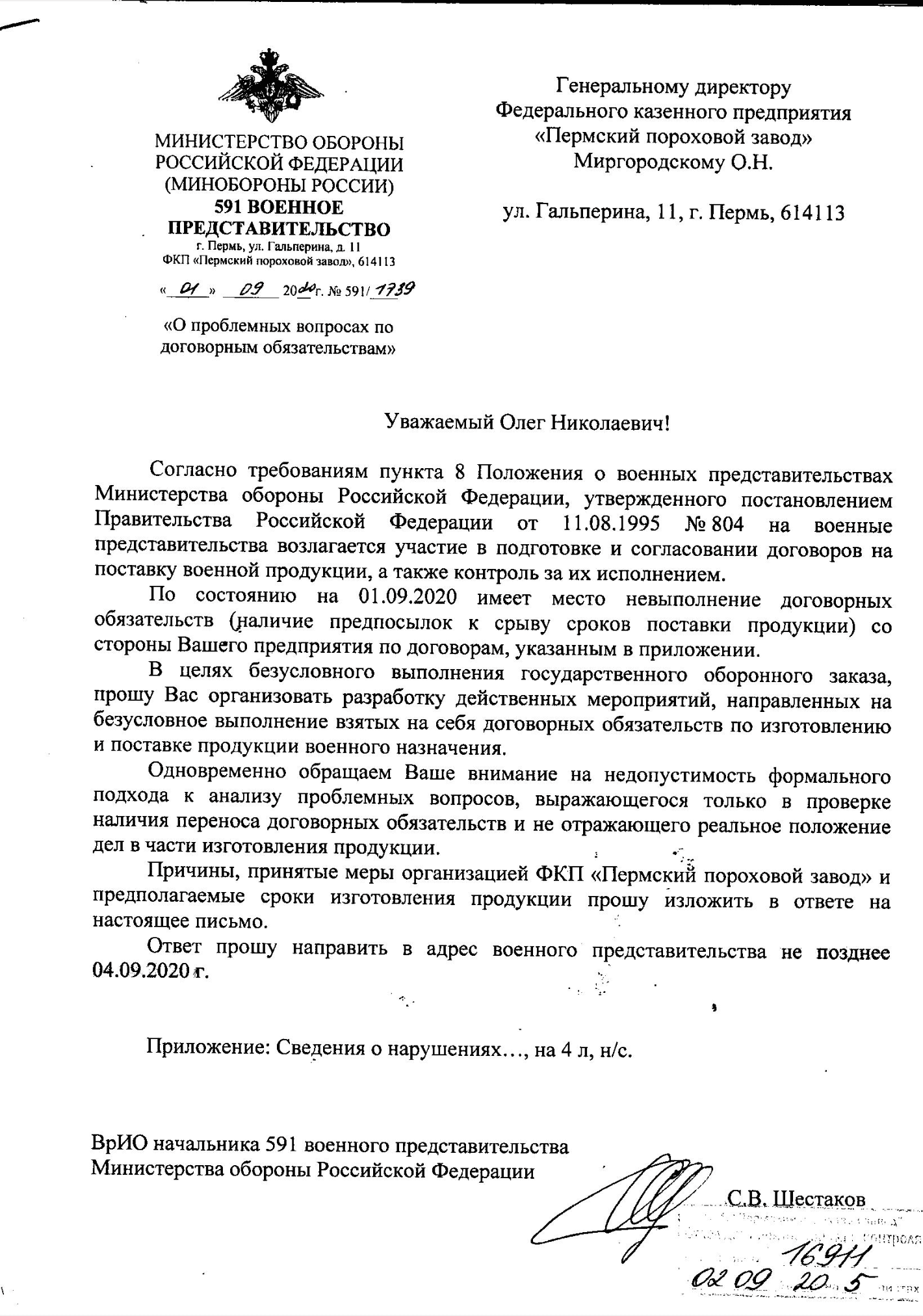
In these documents, the term refers to ammunition and its components—artillery propellant charges, throwing agents, and elements of missile and mortar munitions.
Between 2020 and 2023, imports of Uzbek cotton cellulose into Russia were handled by Lenakhim, the main distributor of products from the Fergana plant. It was through this company that the Perm plant received raw materials to fulfill defense contracts.
In 2023–2024, through Lenakhim, the plant ordered at least 1,300 tons of raw materials valued at more than $3 million—volumes confirmed by documents in the editorial team's possession. These figures reflect the minimum documented level of supply and do not rule out higher actual volumes.
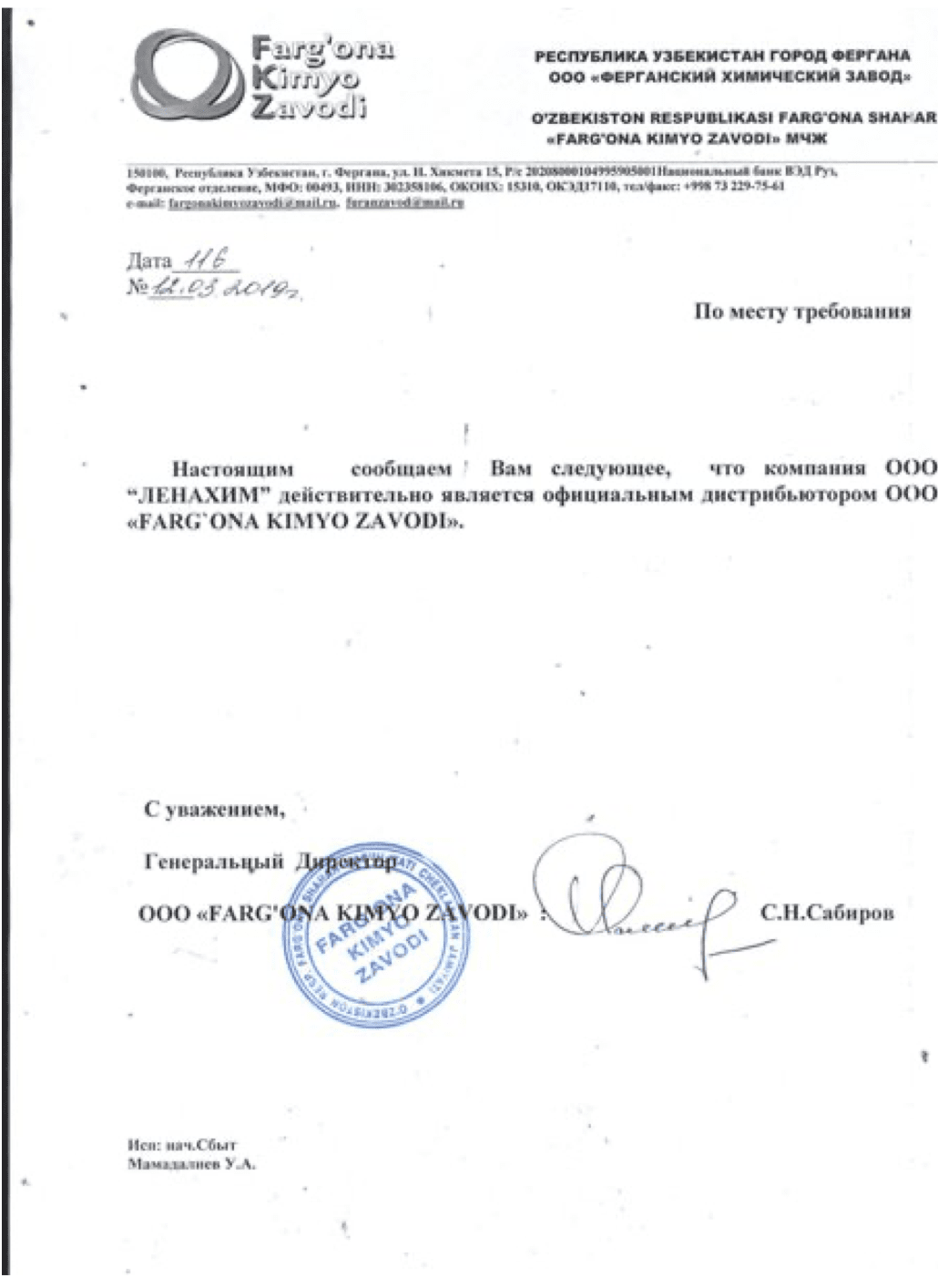
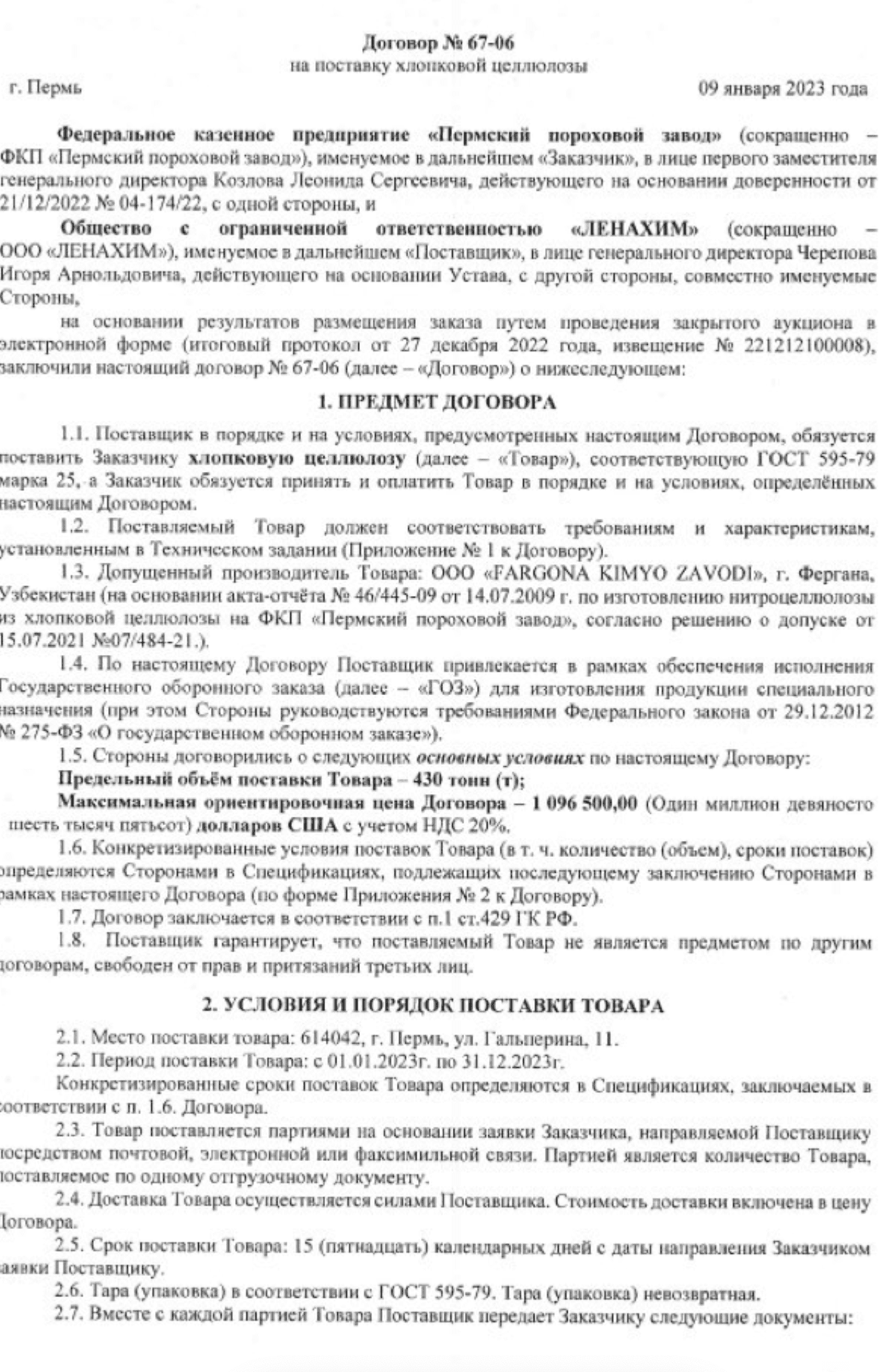
In 2024, Lenakhim was placed under US and Ukrainian sanctions. After that, cooperation with the company became complicated due to problems with financial transactions, logistics, and customs clearance. That same year, a new intermediary appeared—a company called Fabrika Vaty 24, registered in 2024, through which new shipments began to be processed.
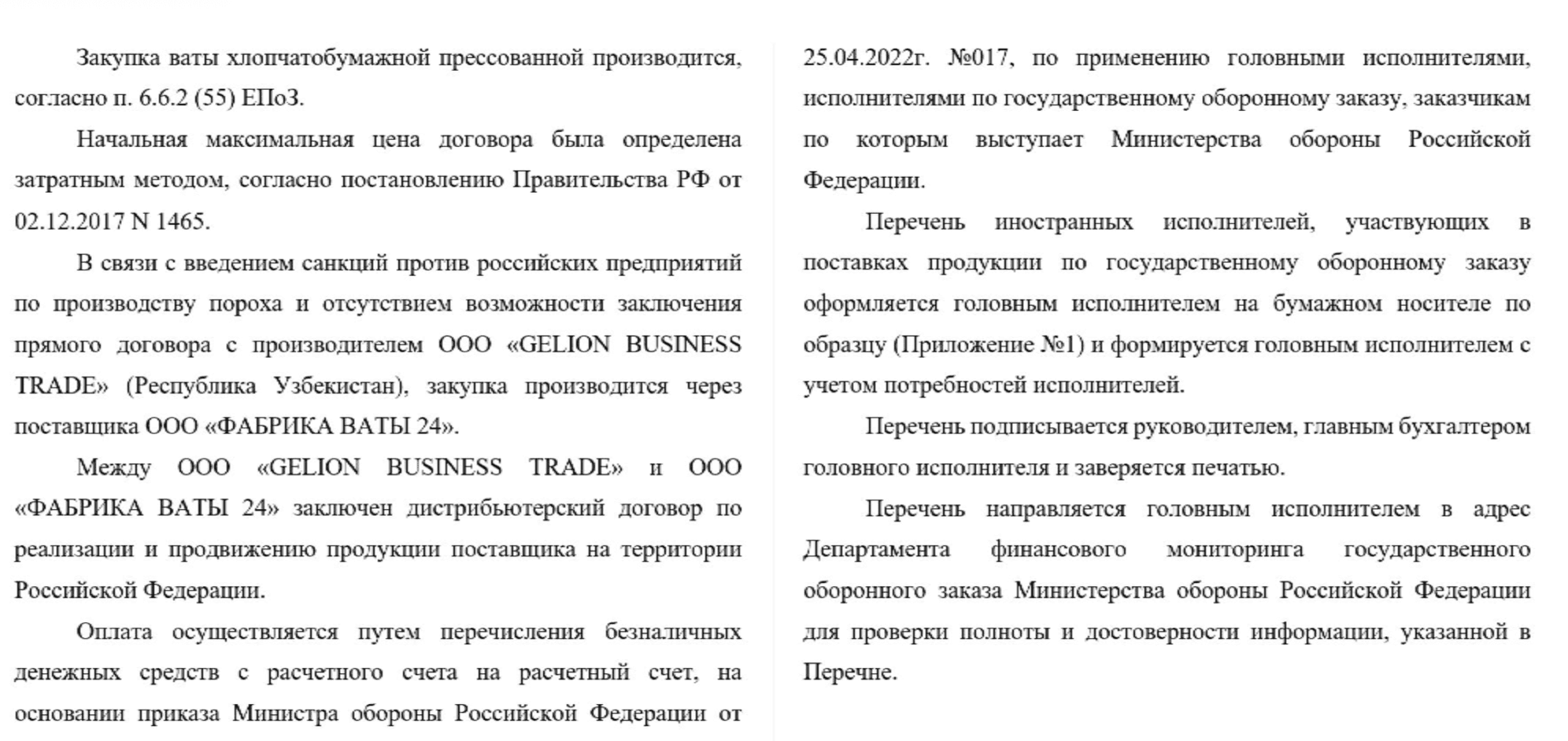
At the same time, the formal classification of the goods changed. In external documentation, the term “cotton cellulose” was replaced with “cotton wool”—a civilian product subject to less stringent controls. However, internal documents from the Perm plant show that in production accounting, the product was recognized as cellulose and used to manufacture smokeless powder.
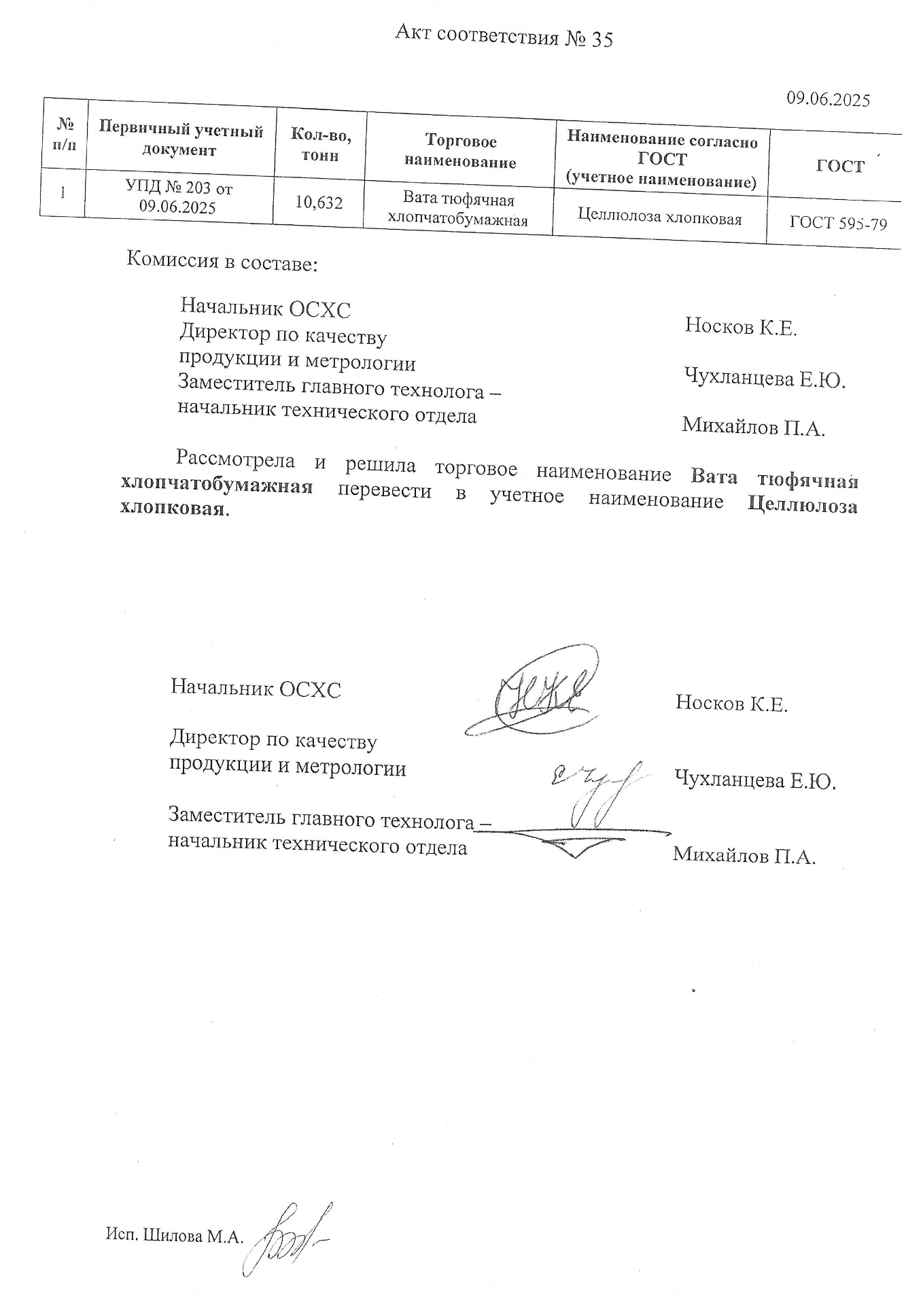
In 2025, the enterprise officially restored the appropriate accounting designation for this raw material.
That same year, through Fabrika Vaty 24, new contracts were signed for the supply of at least 3,000 tons of products worth more than $7 million. As before, these figures reflect only the volumes confirmed by available documentation.
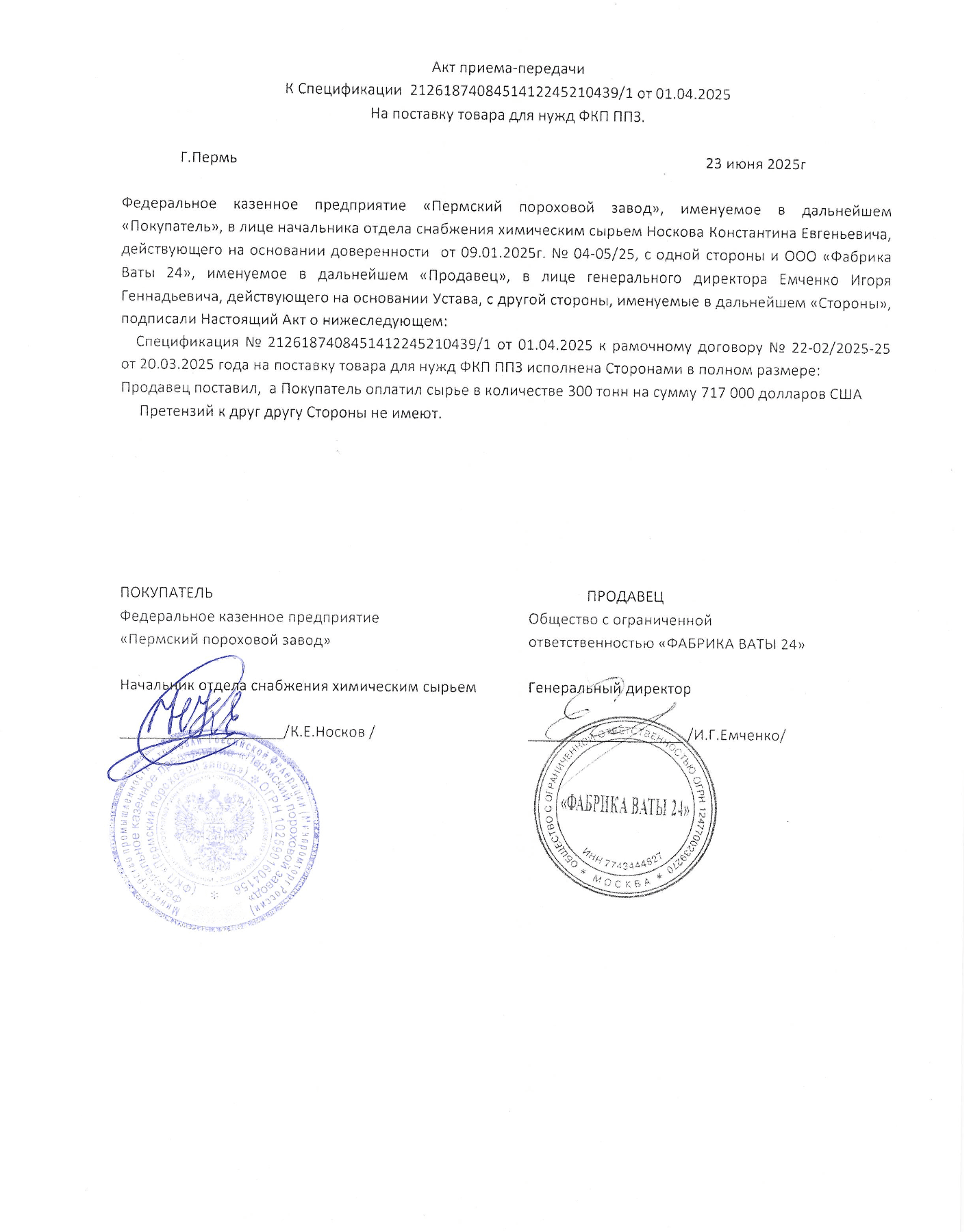
An internal analytical report from the Perm Powder Plant, dated December 2025, explicitly confirms that cotton raw materials from Uzbekistan remain a necessary component of ammunition production under the state defense order and must be supplied continuously.
Thus, even after sanctions were imposed on key participants in this scheme, the supply chain remained intact. It was restructured—with changes in intermediaries, product names, and documentation—but the raw materials from Fergana continued to reach enterprises within Russia’s military-industrial complex.
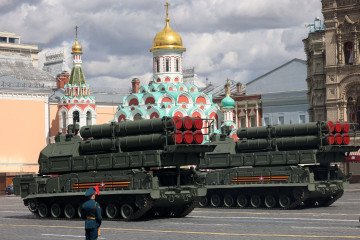
Products of the Perm Powder Plant manufactured using raw materials from the Fergana Chemical Plant are used in artillery shells, mortar rounds, missile charges, and small-arms cartridges, including weapons for the Iskander missile system, S-300 air defense systems, and the A-135 missile defense system, which Russia uses in its war against Ukraine.
The possibility of imposing sanctions directly on the Fergana Chemical Plant is currently under discussion. However, the effectiveness of such restrictions will primarily depend on the manufacturer's and Uzbekistan's authorities' willingness to genuinely comply with international sanctions regimes.
As of the time of publication, the UNITED24 Media editorial team had not received a response to its inquiry from representatives of the Fergana Chemical Plant.
Discuss this article:



-72b63a4e0c8c475ad81fe3eed3f63729.jpeg "Photo of Cyril Barabaltchouk")