- Category
- Latest news
“A Real Hero Is a Dead Hero”: Russian Forces Shoot Own Soldiers Trying to Surrender to Ukraine
 Prefer U24 Media on Google
- Authors


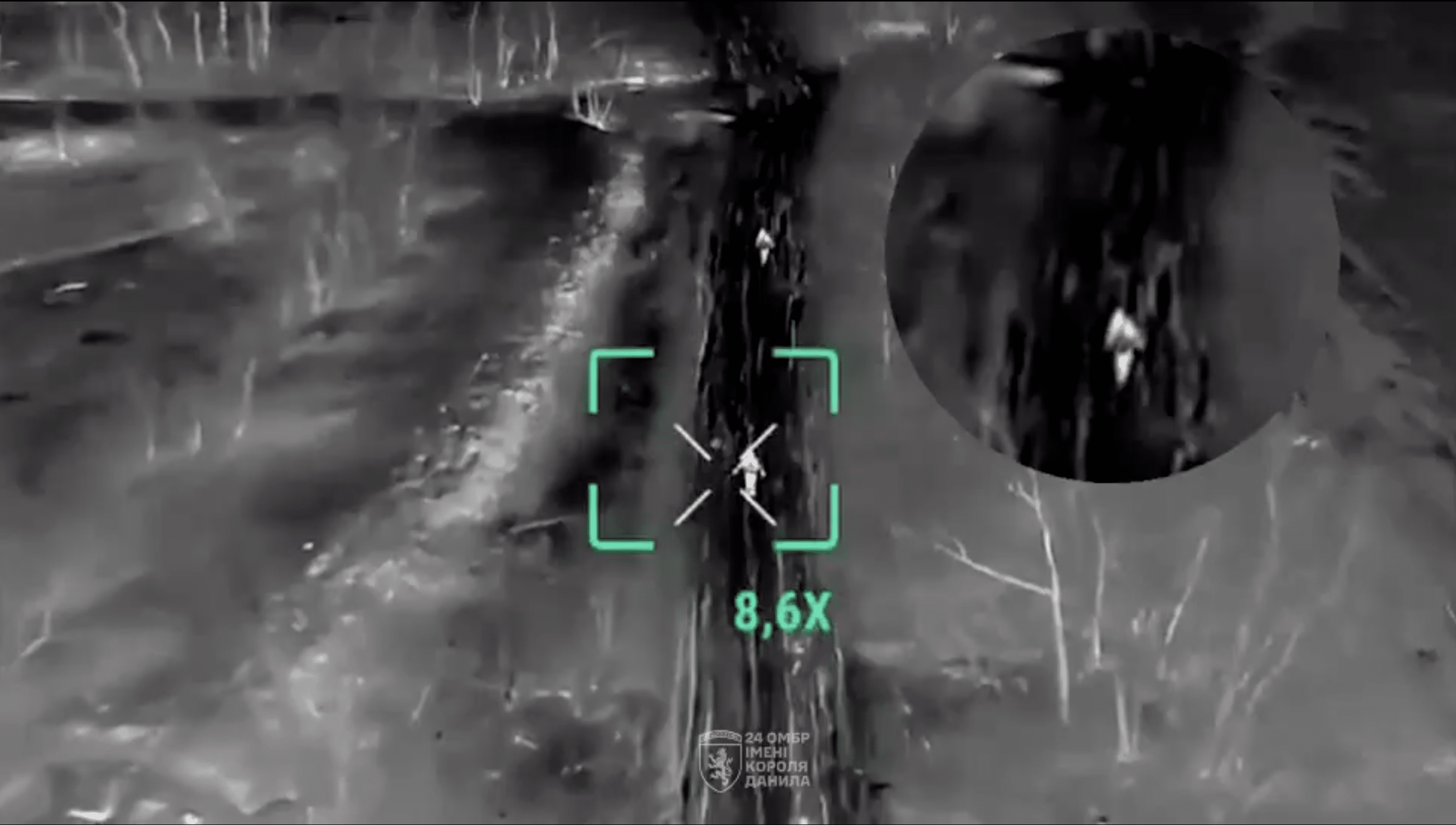
Russian forces continue to attack their own soldiers who attempt to surrender, highlighting a pattern of violence aimed at preventing captivity, according to the Ukrainian initiative I Want to Live , on Fabruary 8.
The project reported that two Russian assault troops surrendered to Ukraine’s 24th Separate Mechanized Brigade near Chasiv Yar. They were moving toward Ukrainian positions under drone escort when Russian forces attacked them. Despite clearly walking with their hands raised, the soldiers were targeted by a Russian FPV drone.
We bring you stories from the ground. Your support keeps our team in the field.
“‘Comrades-in-arms,’ seeing that they were walking with their hands up, did not spare an FPV drone to kill one of those surrendering,” the project said. One of the Russian soldiers was killed, while the second managed to reach Ukrainian positions unharmed.
According to I Want to Live, such incidents are not isolated. The project says the Russian army actively promotes what it describes as a cult of “heroic death,” in which survival—including surrender—is treated as weakness or betrayal. “In the Russian army, ‘heroic death’ is openly cultivated, even through suicide, while any attempt to save one’s life is considered weakness and ‘treason,’” the statement said.
The initiative argues that this practice, while informal, is effectively encouraged from above in order to minimize the number of Russian soldiers taken prisoner.
“The Russian state does not want its soldiers to return home. That is why they drill into people’s heads that a real hero is a dead hero,” I Want to Live said.
-048987b1cb8d32e4786971ae6cd0f55f.png)
The project also pointed to Russia’s approach to prisoner exchanges, noting that Moscow tends to prioritize the return of those who can be quickly sent back to the front.
“Remember whom Russia returns first during prisoner swaps—those who can immediately be thrown back into the meat grinder,” the initiative said, adding that holding Ukrainian captives and abusing them appears to be a higher priority for the Kremlin than bringing its own soldiers home.
The reports are reinforced by signs of acute psychological collapse within Russian frontline units, including the use of narcotics to cope with combat stress.
According to the Defense Intelligence Directorate of Ukraine, Russian infantry deployed on the front lines is increasingly turning to opioid substances amid constant losses, failed assaults, and high casualty rates.
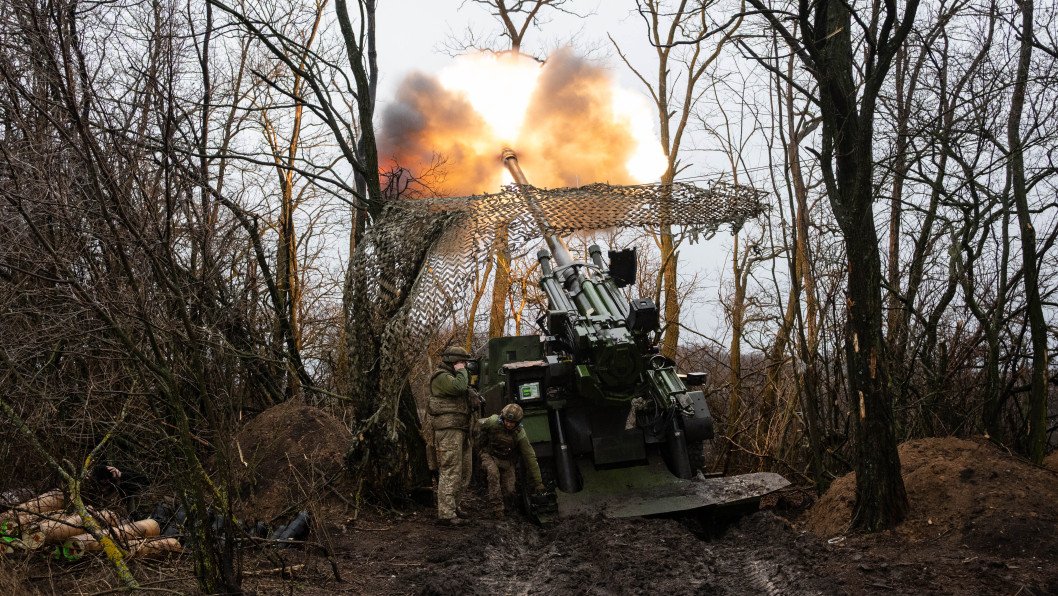
Radio intercepts reveal requests for substances such as trimethylfentanyl, dolophine, and phenadone to “make the combat days more bearable.” In one recorded exchange, a Russian soldier asks: “Do you happen to have any trimethylfentanyl, phenadone, or dolophine? Just to somehow smooth out these combat days… psychologically, it’s already unbearable.”
The intercepted conversations also indicate that some troops discussed producing narcotics in field conditions but lacked the required materials. “Unfortunately, we don’t have the reagents here. All we have is paracetamol—and that would just poison us,” another soldier said.
Ukrainian intelligence assesses that the reliance on drugs reflects deep morale erosion within Russian units, adding to evidence that fear, exhaustion, and coercion now shape the daily reality of many Russian soldiers fighting in Ukraine.
Earlier, in January, Russia’s military lost an estimated 31,700 personnel, a figure that surpassed the number of new troops added to its units during the same period by about 9,000.
Discuss this article:


-c439b7bd9030ecf9d5a4287dc361ba31.jpg "Photo of Katherina Popilnichenko")