- Category
- Latest news
NATO Allies Praise Ukraine’s Innovation and Training Role as Ramstein Talks Yield New Defense Partnerships
 Prefer U24 Media on Google
- Authors


New agreements with Germany and Nordic-Baltic Eight, expanded drone cooperation, and plans for large-scale training in Poland signal Ukraine’s growing role as a strategic partner in NATO’s long-term security efforts.
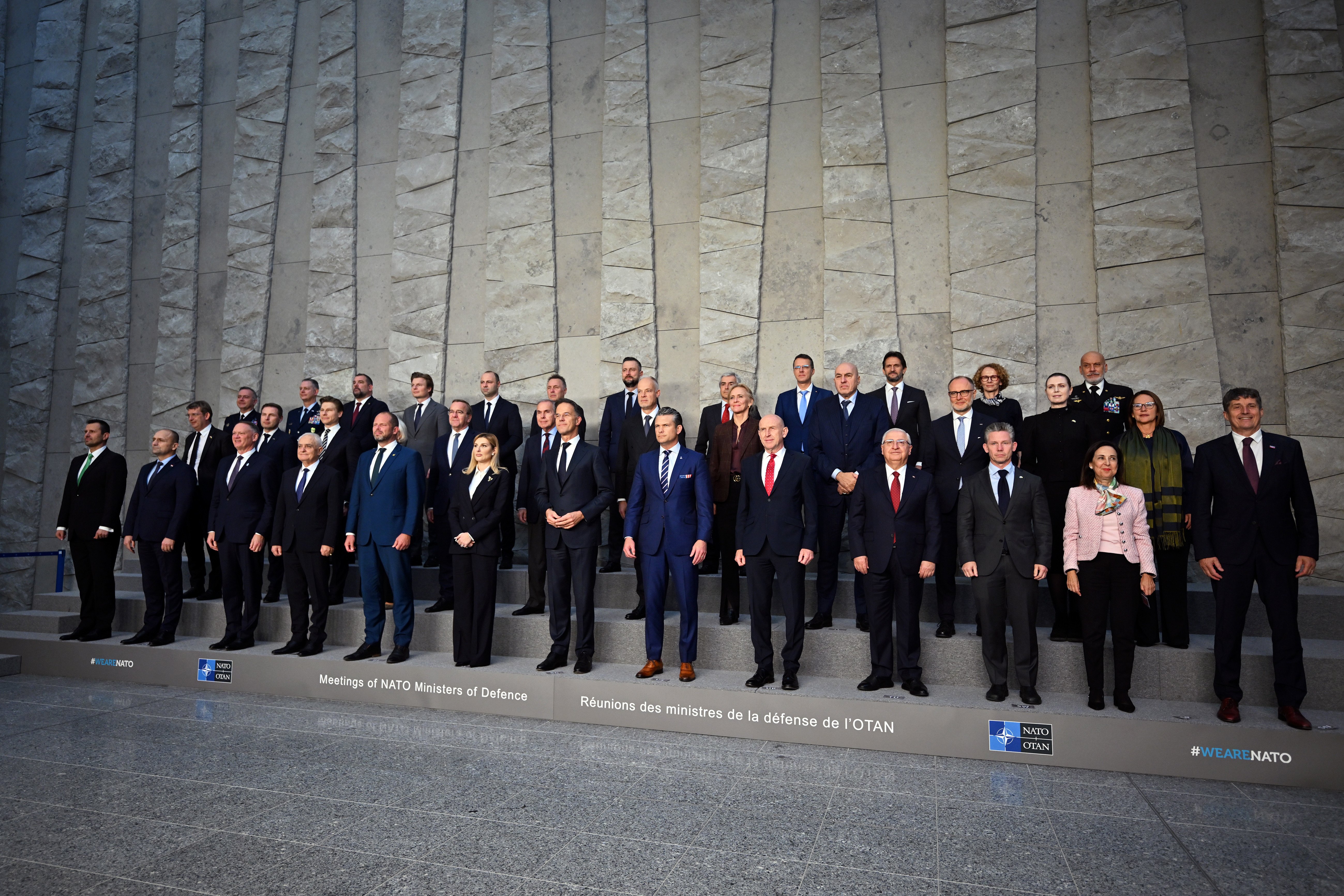
On October 15, the 31st meeting of the Ukraine Defense Contact Group in the Ramstein format took place in Brussels, bringing together defense ministers from 50 countries.
The session was co-chaired by UK Defence Secretary John Healey and German Defense Minister Boris Pistorius, with US Secretary of War Pete Hegseth and NATO Secretary General Mark Rutte also in attendance.
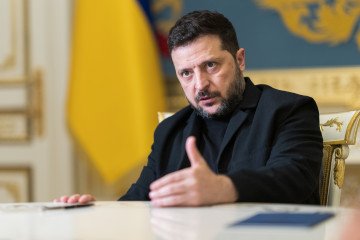
Ukrainian Defense Minister Denys Shmyhal emphasized the continued importance of the Ramstein format as a platform for international coordination.
“The Ramstein meeting remains the most important platform for coordinating international military support to Ukraine,” Shmyhal said. “We need decisive action to increase pressure on Russia and compel it to end its war.”
-74a96d0b650d26f704c6111852160812.jpg)
During the session, Ukraine and Germany signed a memorandum to strengthen bilateral defense cooperation—described by Shmyhal as “a concrete step toward repelling Russian aggression and building an effective arsenal of democracy.”
He also announced a memorandum under the Nordic-Baltic Initiative, aimed at providing brigade-level training and equipment for Ukrainian troops in Poland.
“This initiative will strengthen Ukraine’s defense potential and bring a just peace closer,” Shmyhal noted.
The initiative includes nine Nordic and Baltic countries—Denmark, Estonia, Finland, Iceland, Latvia, Lithuania, Norway, Poland, and Sweden—and will establish a joint structure to support Ukraine through the Legio international operation.
According to Shmyhal, the plan involves training Ukrainian troops with partner-nation instructors, equipping units with brigade-level weapons packages, and conducting joint exercises in Poland to deepen regional defense ties.
Shmyhal also pointed to Ukraine’s expanding defense industry, noting the country’s growing capacity for drone production.
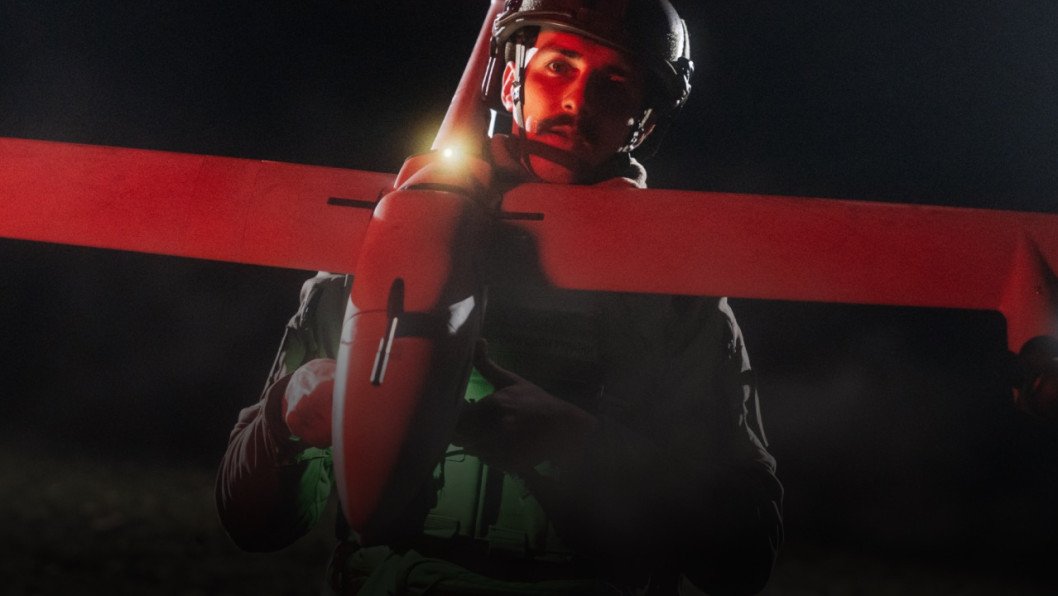
“By 2026, Ukraine will be able to produce up to 20 million FPV, ISR, and other drones if partners provide the necessary funding,” he said. “We are grateful to the United Kingdom for our active cooperation on interceptor drones and for delivering 85,000 drones this year.”
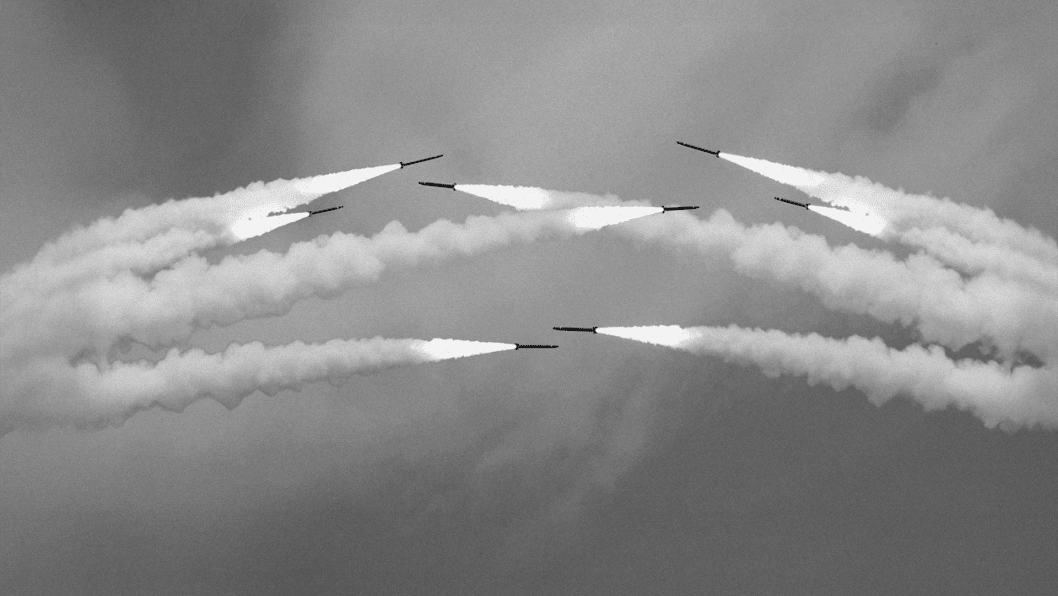
Ukraine also urged partners to provide a “winter air defense package”—a stockpile of interceptor missiles to protect civilians and critical infrastructure from Russian strikes.
“We are grateful to all countries that reaffirmed their commitments to continue providing essential support to our armed forces,” Shmyhal added. “Peace in Ukraine must be just, lasting, and protected by international unity.”
Following the meeting, UK Defence Secretary John Healey underscored Ukraine’s growing role within the alliance.
“Ukraine’s experience offers valuable lessons for NATO allies—from rapid adaptation on the battlefield to pioneering military innovation,” Healey said. “It is increasingly recognized as a key contributor to NATO training and regional security.”
Earlier, during the meeting, German Defense Minister Boris Pistorius confirmed that Germany will provide Ukraine with an additional $2.3 billion in defense aid.
Discuss this article: