- Category
- Latest news
Battlefield Lessons From Ukraine Reach Thailand as M42 Duster Gets New Anti-Drone Armor
 Prefer U24 Media on Google
- Authors


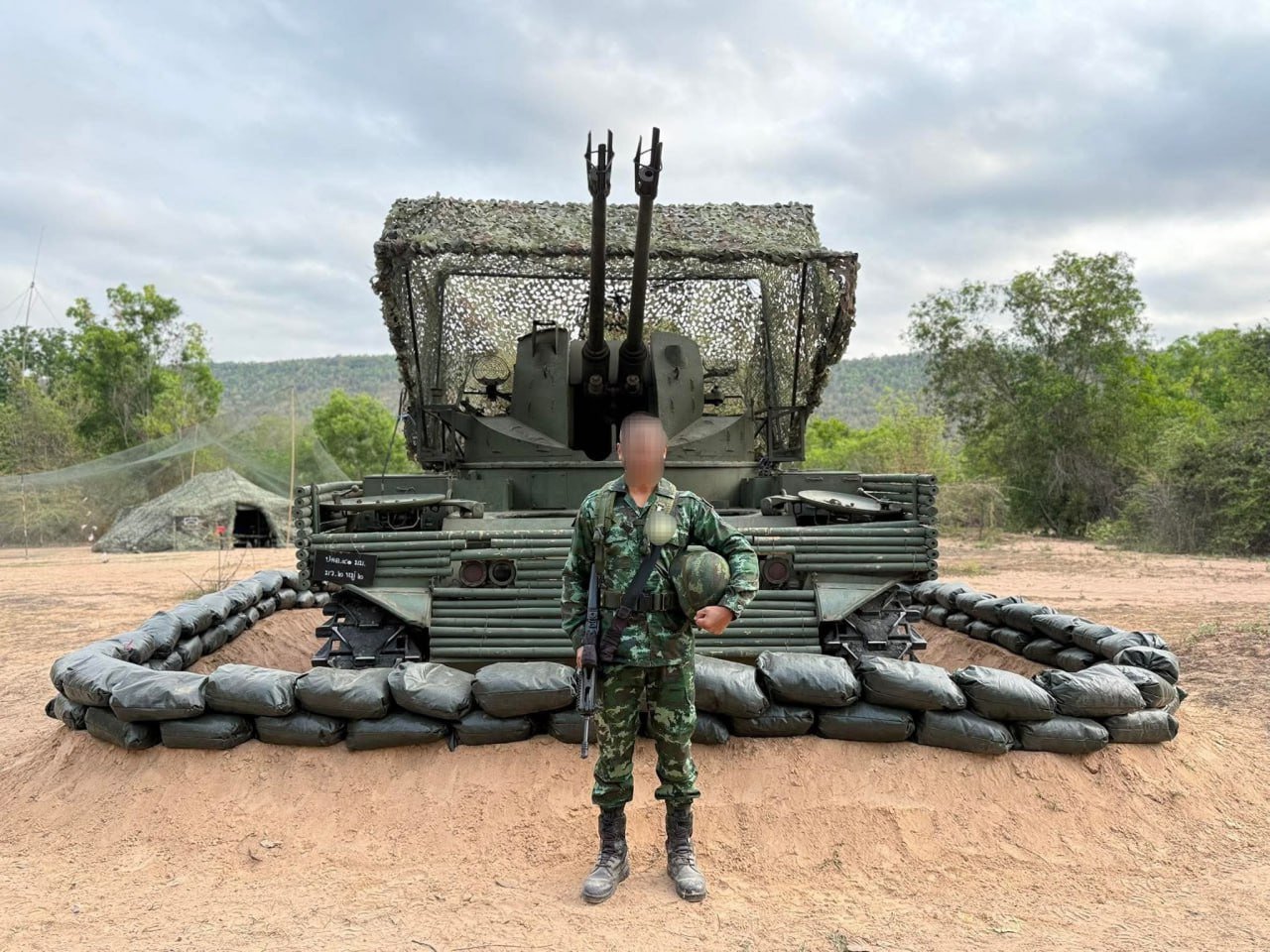
Thailand’s military has begun adopting battlefield lessons from Ukraine, installing protective anti-drone screens on armored vehicles as part of efforts to improve survivability against modern threats, according to armored vehicle observer Btvt on March 17.
The modifications have already been applied to M42 Duster self-propelled anti-aircraft systems.
We bring you stories from the ground. Your support keeps our team in the field.
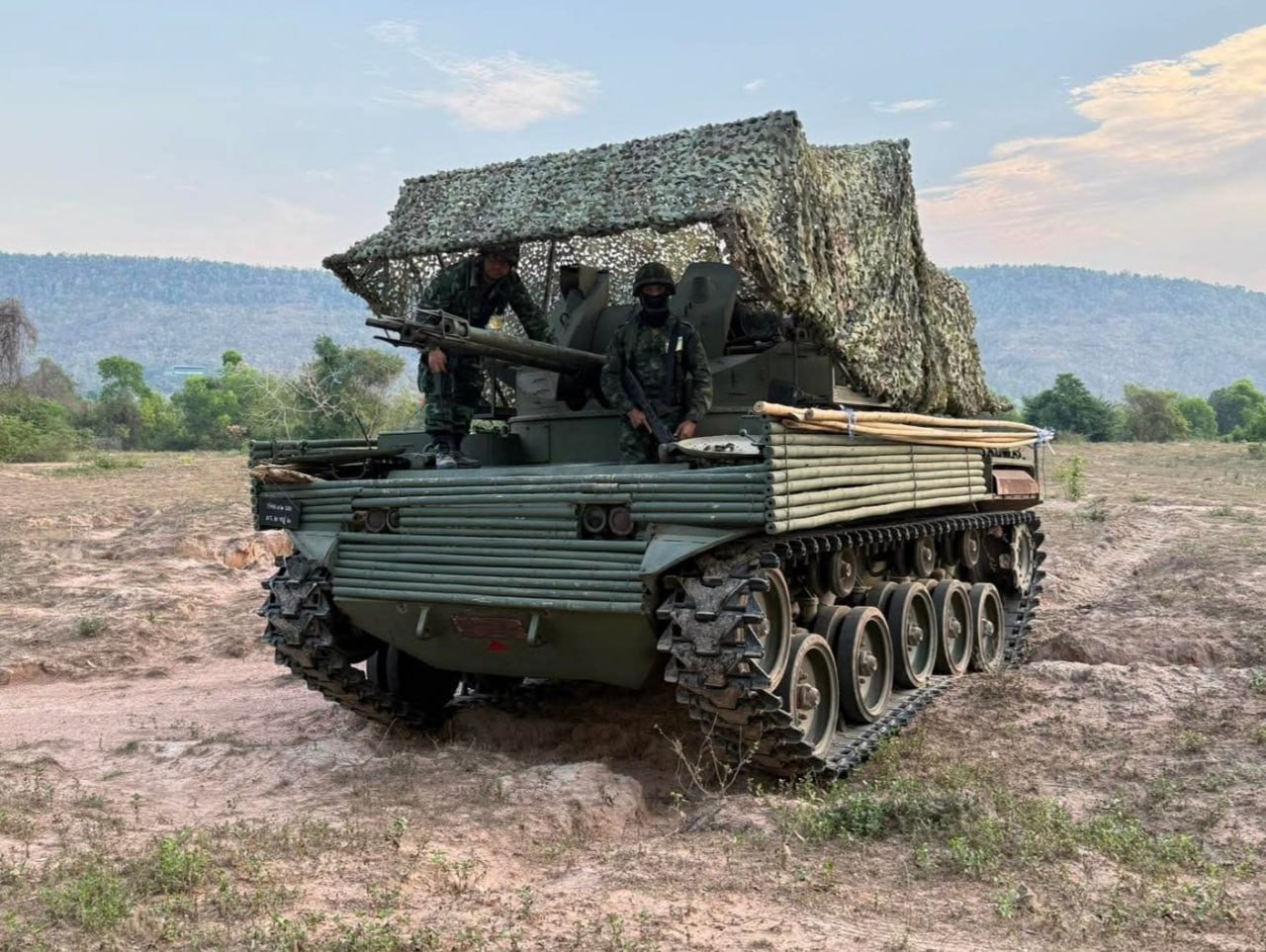
The newly installed screens are designed to be foldable, allowing crews to lower them when necessary—either to operate onboard weapons or to transport personnel on top of the vehicle.
These types of protective structures, often referred to as “cage armor” or “cope cages,” have become increasingly common on the battlefield in Ukraine. They are used to reduce the effectiveness of drone strikes and loitering munitions.
Initially improvised as field modifications, similar protective structures evolved in Ukraine into more refined, factory-produced designs by 2024. Some of these resemble hood-like covers that provide protection without significantly limiting mobility.
The foldable configuration offers several advantages: it does not restrict turret movement and does not interfere with the crew’s ability to quickly exit the vehicle in case of damage.
However, the design is not without drawbacks. In densely forested areas, the structures may be vulnerable to damage from tree branches.
Militarnyi analysts note that the Ukrainian-inspired approach differs significantly from heavier, fixed structures seen on some Russian vehicles.
Those rigid add-ons—often welded directly onto tanks—can reduce maneuverability, limit turret rotation, obstruct visibility, and complicate emergency evacuation.
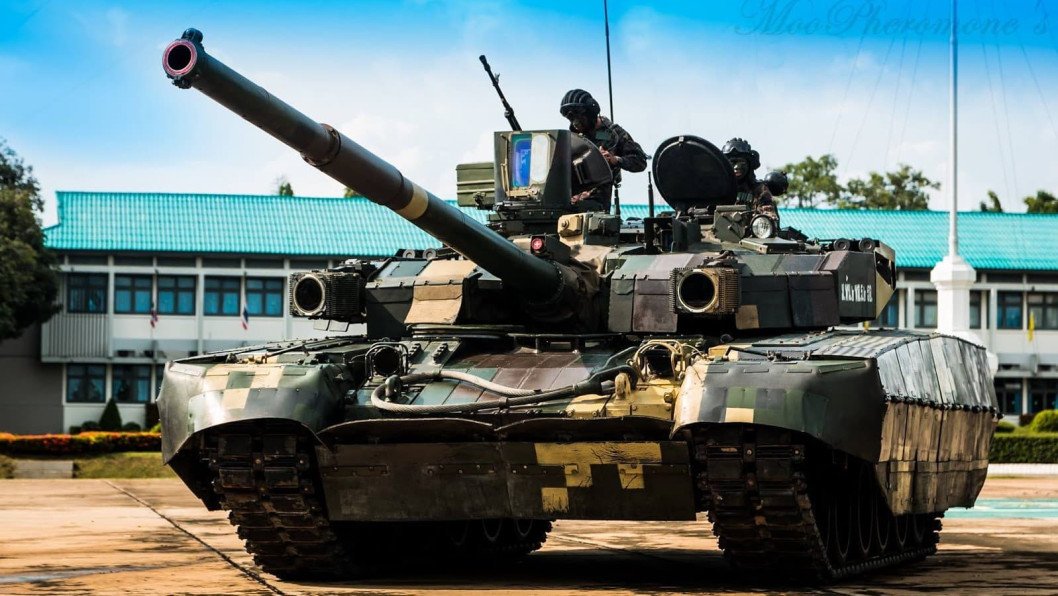
Last year, Thailand also reportedly began installing protective covers on the turrets of Oplot main battle tanks, a Ukrainian-designed platform already in service with the Thai Army.
The move suggests that Ukraine’s experience in countering drone threats is increasingly influencing military thinking far beyond the immediate battlefield.
Previously, South Korea, one of the world’s leading producers of main battle tanks and armored fighting vehicles, began testing complex physical counter-drone protection systems inspired by battlefield adaptations pioneered in Ukraine.
Discuss this article: