- Category
- Latest news
Ukraine’s Battlefield Lessons Drive South Korea’s New Protection Measures for Armored Vehicles
 Prefer U24 Media on Google
- Authors


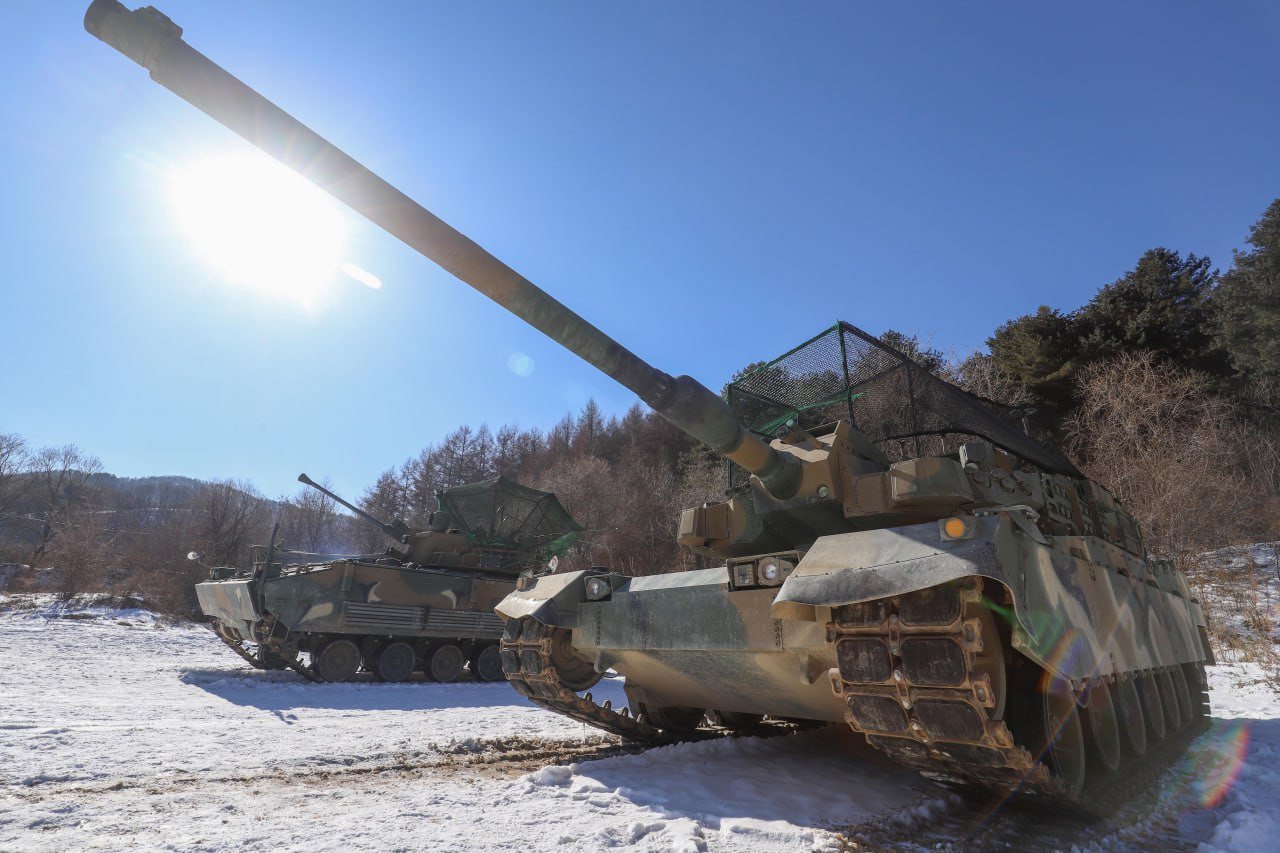
South Korea, one of the world’s leading producers of main battle tanks and armored fighting vehicles, has begun testing complex physical counter-drone protection systems inspired by battlefield adaptations pioneered in Ukraine, according to Ukrainian defense outlet Militarnyi, citing Russia-based Telegram channel Btvt.info on January 30.
The protective measures include cage-style frames and mesh screens mounted above tank turrets and partially over engine compartments. Similar designs have been widely adopted by Ukrainian forces in response to the growing threat posed by low-cost FPV strike drones and top-attack munitions.
We bring you stories from the ground. Your support keeps our team in the field.
The new structures were observed on South Korean main battle tanks during winter exercises and testing. Their purpose is to disrupt or prematurely detonate incoming drones targeting the vehicle’s most vulnerable upper surfaces.
However, analysts note that the current implementation appears far from optimal. The mesh structures lack sufficient rigidity, feature complex geometries, and could complicate access to turret-mounted equipment.
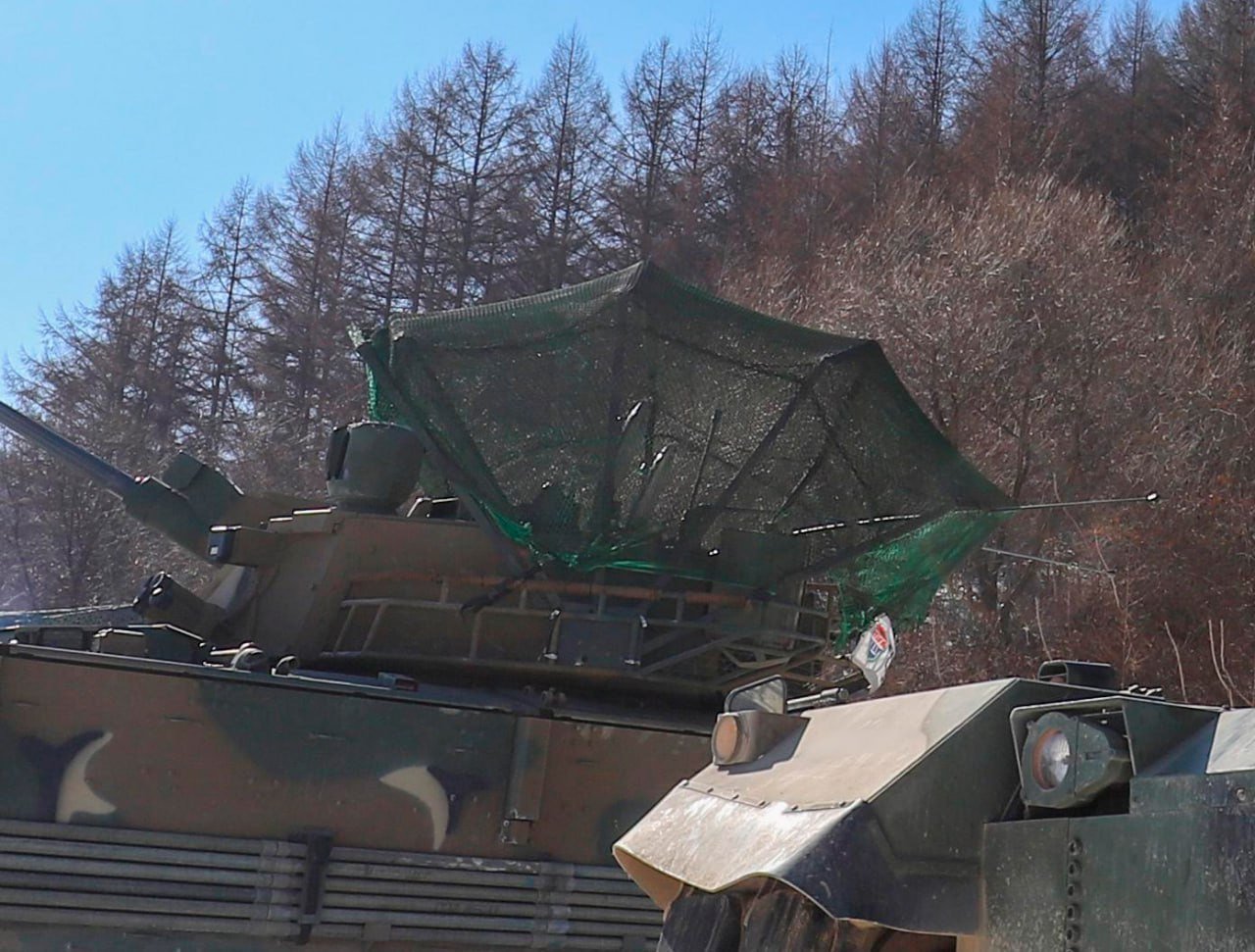
Questions also remain about how such passive defenses can be effectively integrated with active protection systems, optics, and onboard weaponry.
In Ukraine, similar counter-drone solutions evolved rapidly—from improvised field modifications to more standardized configurations tailored to specific threat profiles.
Combat experience there has demonstrated the critical importance of protecting the upper hemisphere of armored vehicles in an environment saturated with inexpensive attack drones.
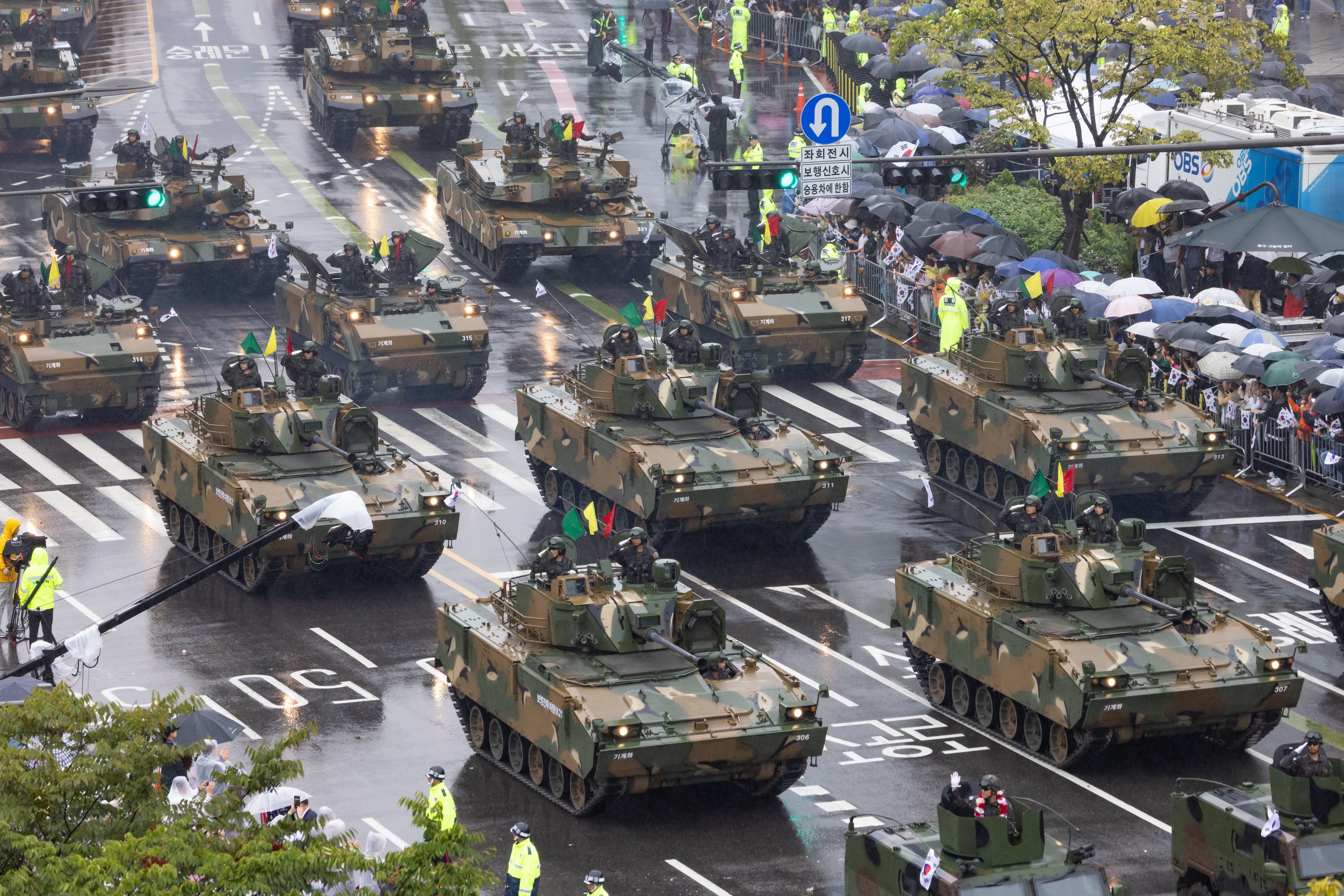
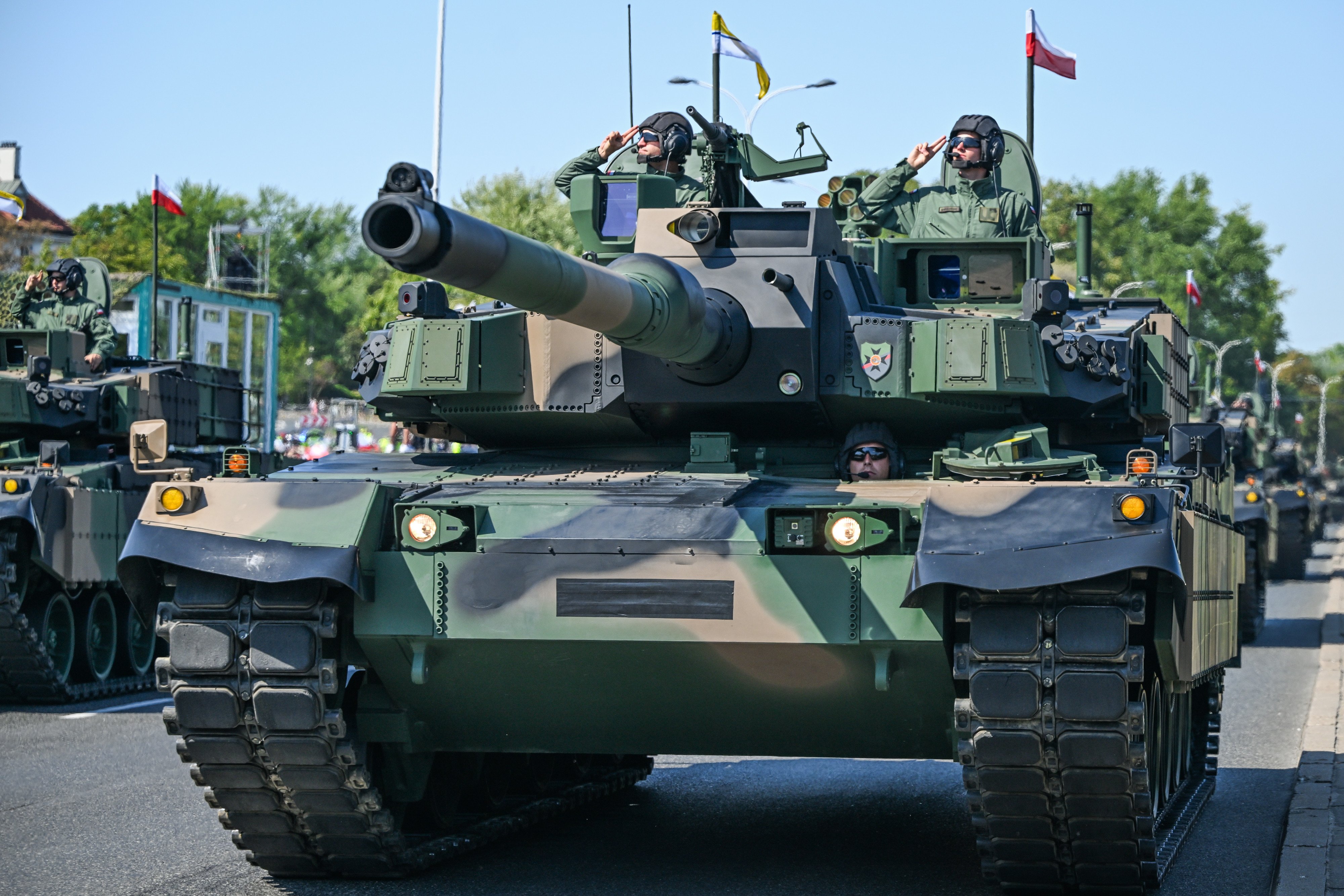
Despite evident shortcomings, analysts say South Korea’s move signals a broader shift in how advanced militaries approach armored vehicle survivability on the modern battlefield.
The adoption of drone-focused passive defenses reflects lessons learned directly from the war in Ukraine, where traditional armor concepts have been fundamentally challenged.
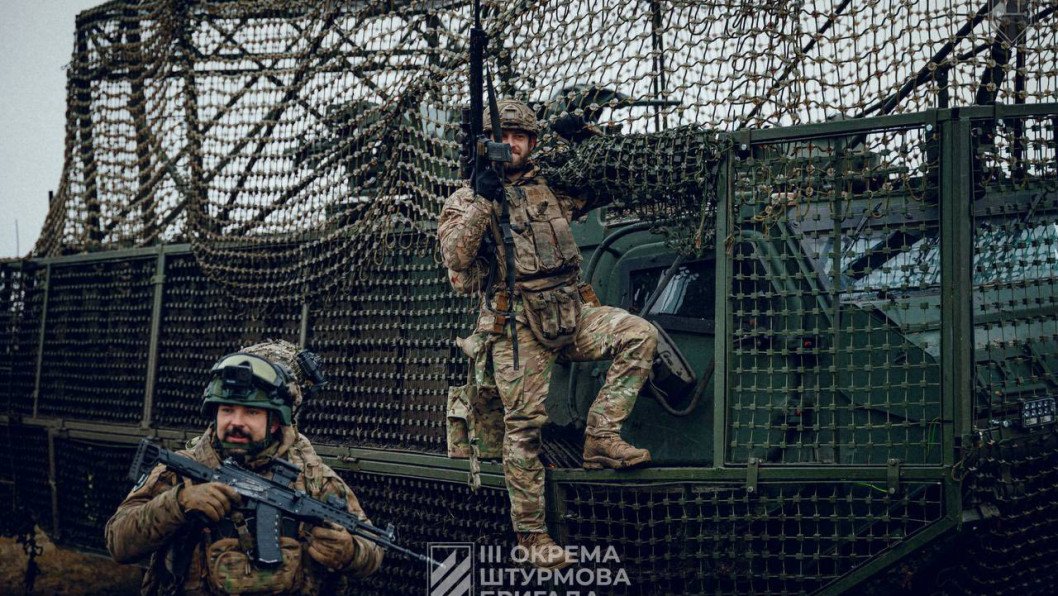
As South Korean tanks gain popularity across Europe and within NATO countries, the influence of Ukraine’s combat experience is increasingly shaping how future armored platforms are adapted for high-intensity conflict.
Earlier, Estonia’s Armed Forces began installing protective cage armor on their Patria armored personnel carriers, reflecting lessons learned from modern battlefield threats in Ukraine, particularly the widespread use of drones.
Discuss this article:

-c439b7bd9030ecf9d5a4287dc361ba31.jpg "Photo of Katherina Popilnichenko")