- Category
- Latest news
Censorship and “Fear Patrols” Are Deepening Mental Health Struggles in Occupied Crimea
 Prefer U24 Media on Google
- Authors

-111f0e5095e02c02446ffed57bfb0ab1.jpeg "Photo of Roman Kohanets")
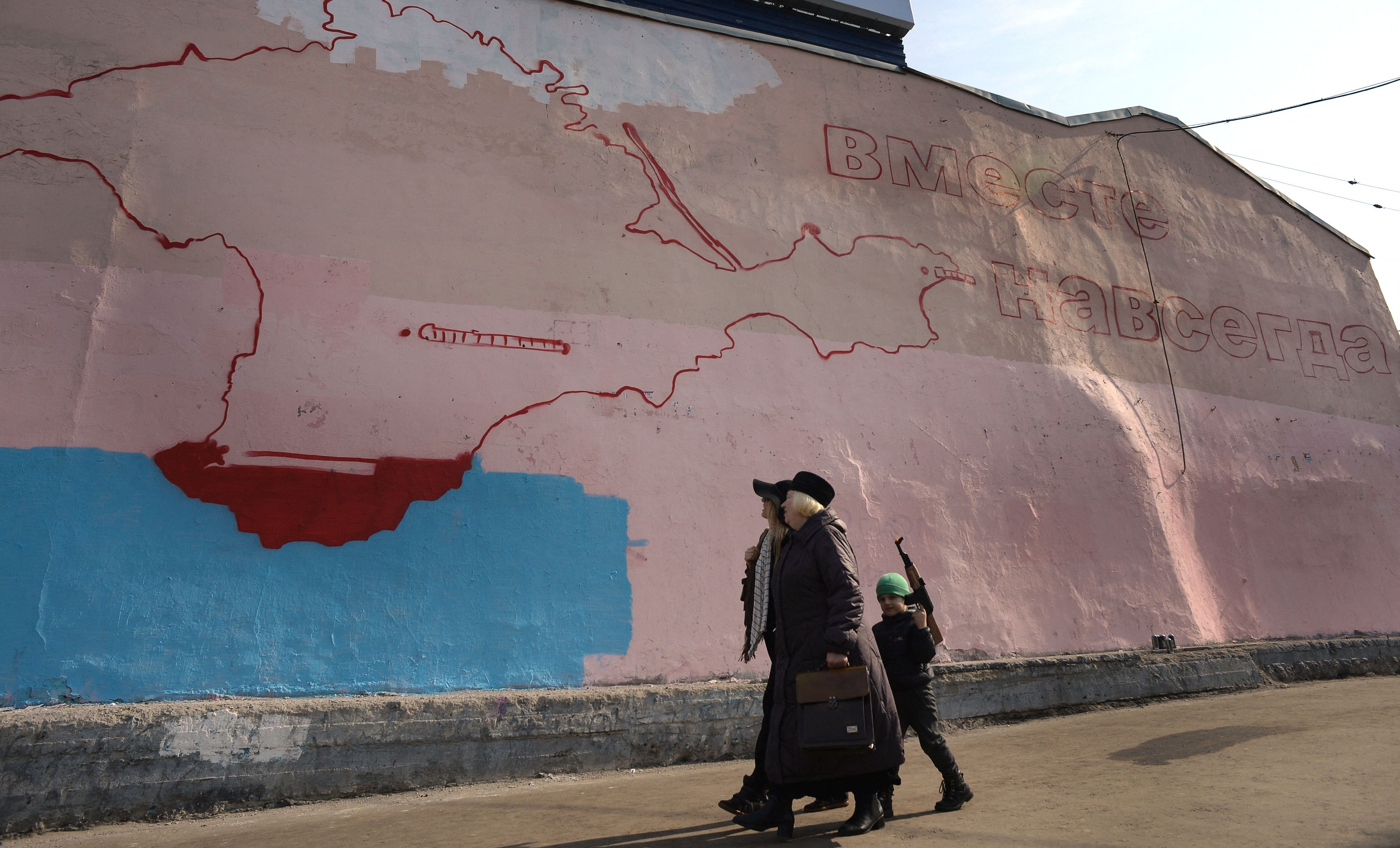
The mental state of residents in Russian-occupied Crimea is deteriorating under wartime pressure and censorship, with a rise in suicides among young men that is not discussed publicly, psychologist and psychotherapist Svitlana Panina said in an interview with Krym.Realii on January 20.
Panina said that, based on what she described as “insider information from medical circles in Crimea,” there have been “very many cases of suicides among young guys,” adding that the suicide rate among youth in Crimea has increased and is most common among males aged 16 to 24.
Panina said there is a taboo on discussing the war openly, reinforced by the visible presence of armed security forces, including Rosgvardia and police patrols, which she said undermines feelings of safety and erodes critical thinking.
We bring you stories from the ground. Your support keeps our team in the field.
The outlet reported that Russian authorities do not disclose any increase in suicides in Crimea and that official Russian statistics in this area have not been publicly available in recent years.
She said residents live with the realities of a front-line region—air raid alerts and strikes—while Moscow-installed authorities publicly maintain a “peaceful” picture, creating a climate where “what people see around them and what official Russian sources broadcast do not intersect.”
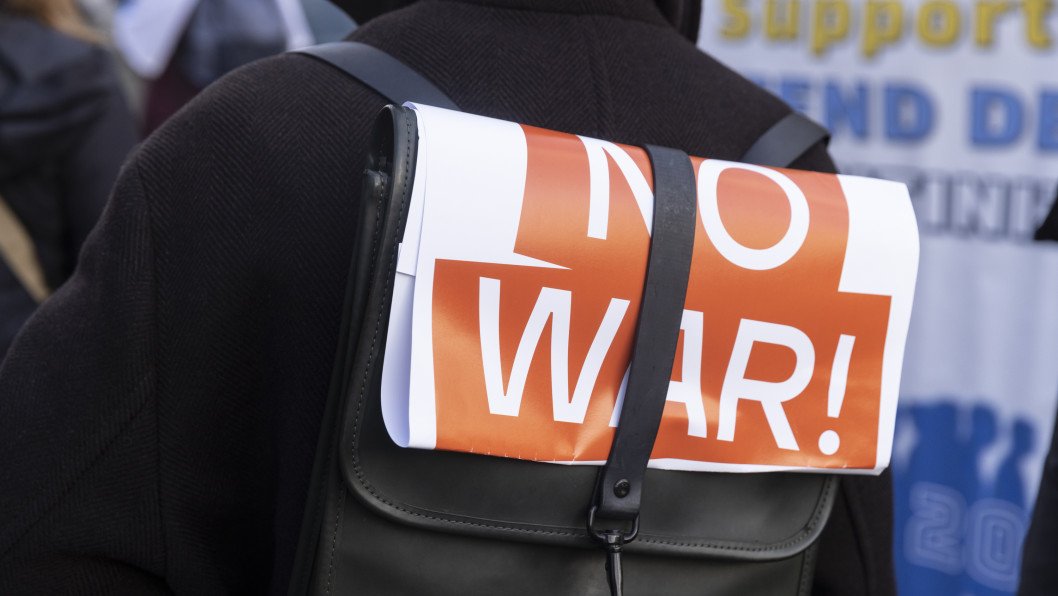
Panina added restrictions that reach into daily life, including bans on Ukrainian music and rules against calling Russia’s invasion a war, while authorities focus on preventing protests and rely on denunciations over perceived pro-Ukrainian signals.
She said residents have developed quiet forms of “alternative communication,” including using blue-and-yellow color combinations, which is a reference to the Ukrainian flag, as a code to identify like-minded people.
Earlier, it was reported that Russian-installed officials in occupied Crimea warned residents that mobile internet restrictions could become longer and more frequent, including the possibility of an indefinite shutdown.
Discuss this article:

-c439b7bd9030ecf9d5a4287dc361ba31.jpg "Photo of Katherina Popilnichenko")