- Category
- Latest news
China Boosts Drone Component Exports to Russia Tenfold, Strengthening Moscow’s War Machine
 Prefer U24 Media on Google
- Authors


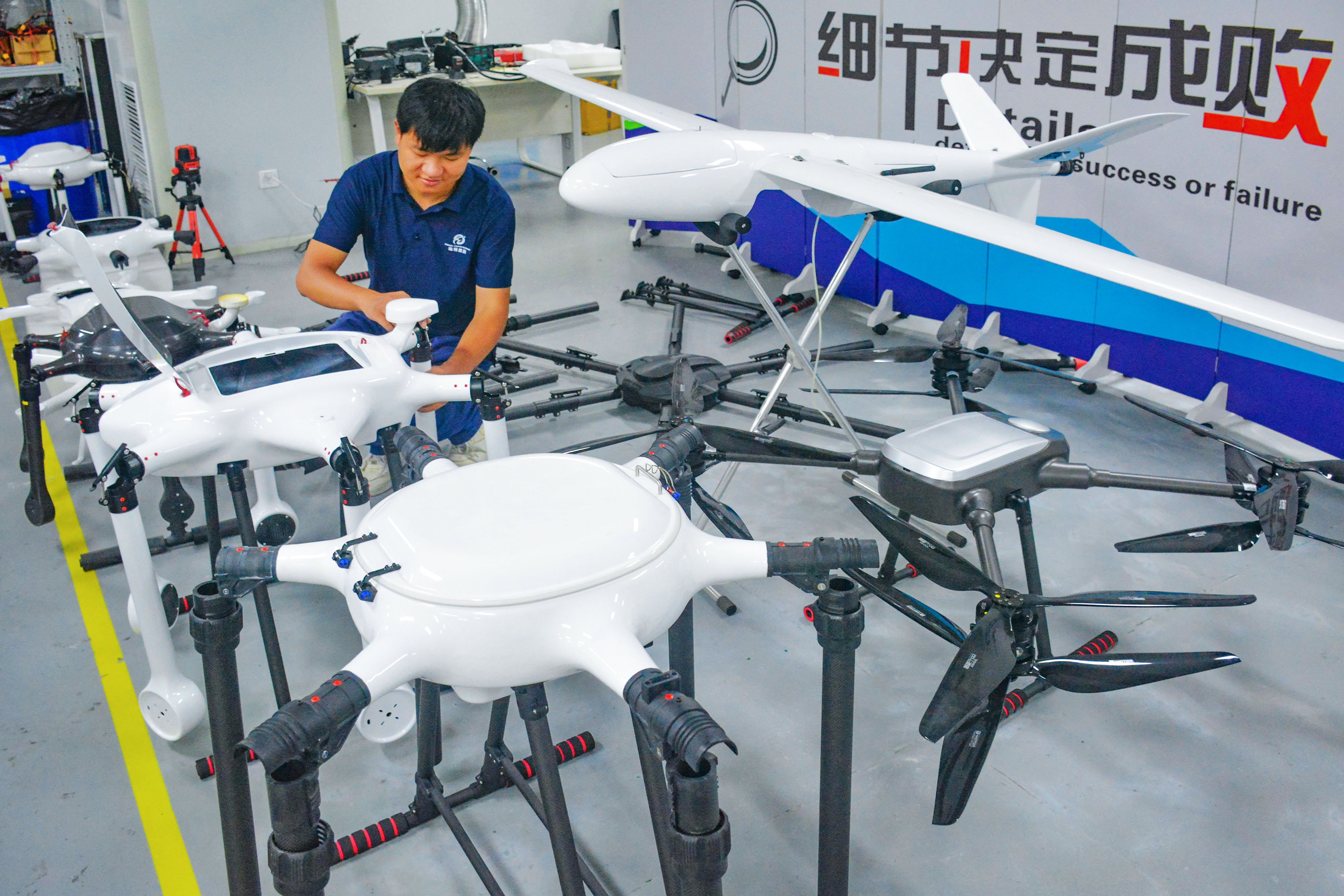
China’s support for Russia’s drone industry is quietly reshaping the war in Ukraine. Despite Beijing’s claims of neutrality, Chinese factories have dramatically increased exports of fiber-optic cables and lithium-ion batteries—key components for the “wired” drones that now dominate Russia’s battlefield operations, The Washington Post reported on October 13.
Chinese trade data show that exports of fiber-optic cable to Russia surged nearly tenfold in August, reaching roughly 325,000 miles. Analysts say these cables—the same ultra-thin glass fibers used in high-speed internet—are enabling Moscow to produce fiber-optic drones capable of flying up to 12 miles while immune to Ukrainian electronic warfare.
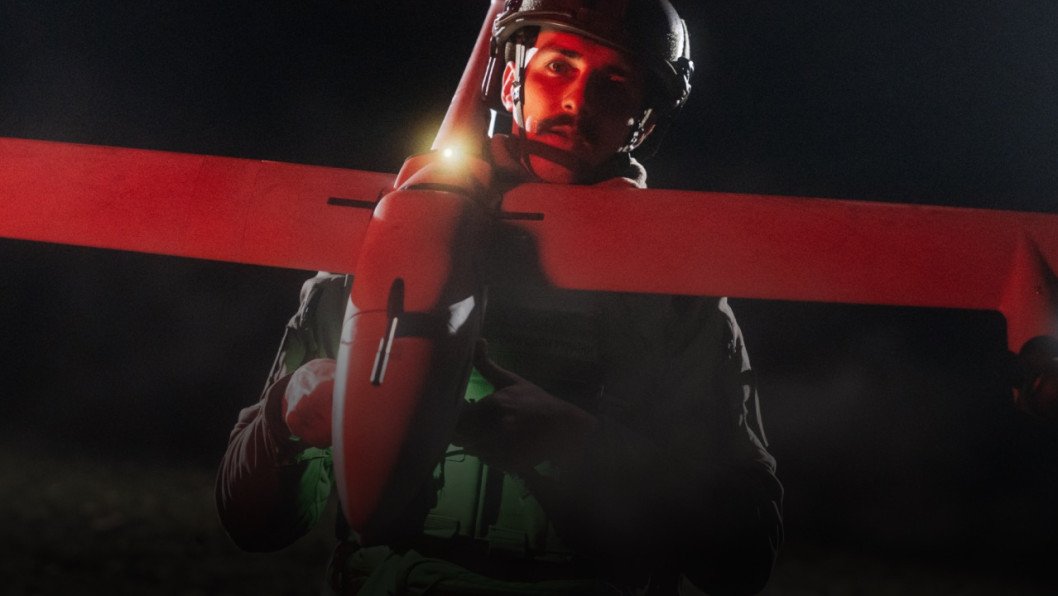
Fiber-optic drones have given Russia a major advantage on the front lines. Unlike traditional radio-controlled FPV drones, which can be jammed or intercepted, fiber-optic models remain fully connected through physical cables, making them nearly impossible to disrupt.
“These drones are difficult to defend against,” said Samuel Bendett, an analyst at the Center for a New American Security. “And they can do a significant amount of damage.”
Beijing has reduced direct exports of ready-made drones to Moscow but continues to ship large volumes of drone parts, effectively empowering Russia’s growing domestic drone industry. China’s exports of lithium-ion batteries—likely used to power these drones—jumped to a record $54 million in June before dipping slightly to $47 million in August.
Meanwhile, Ukraine’s imports of the same batteries were less than a quarter of that amount, averaging around $11–12 million per month. The fiber-optic cable imbalance is even starker: in August, China shipped just 72 miles of cable to Ukraine—compared to hundreds of thousands to Russia.
Analysts say the spike in high-value shipments relative to their weight indicates that Russia is now importing military-grade materials. “The data suggest these are battlefield-grade cables,” said Joseph Webster, a senior fellow at the Atlantic Council.
Mick Ryan, a retired Australian general and fellow at the Lowy Institute, said Beijing is effectively “opening the floodgates” for Russia’s drone industry while restricting technology sales to Ukraine and its allies. “China’s production power and ability to rapidly prototype gives Russia a clear advantage,” he said.
According to Bondar, Russia is now using these drones to destroy Ukrainian logistics, command posts, and jamming systems before advancing. “If you look at how the front line moves,” she said, “Russia takes territory in chunks equal to the range these drones can fly.”
-ed051fb1853bcb98ed81f53fa31bd834.png)
Although China’s total exports to Russia fell by more than 10% this year, that decline has not applied to drone-related goods. Instead, shipments of cables, batteries, and sensors crucial to Moscow’s drone war have soared.
Chinese suppliers such as Shenzhen Huaxin Energy and Nasmin Technology—both linked to Russia’s major drone manufacturer Rustakt LLC—continue to supply key parts despite EU sanctions. Lesser-known firms like these now make up most of the Chinese drone component export chain, stepping in after DJI halted direct drone sales to both Ukraine and Russia in 2022.
Earlier, the Chinese-Russian group PGI Technology developed a new type of reinforced optical fiber by combining Kevlar thread with fiber optic strands, aiming to improve durability and performance in military applications.
Discuss this article:


-c439b7bd9030ecf9d5a4287dc361ba31.jpg "Photo of Katherina Popilnichenko")