- Category
- Latest news
China Steps Into the Arctic as Russia Agrees to Train Its Sailors
 Prefer U24 Media on Google
- Authors


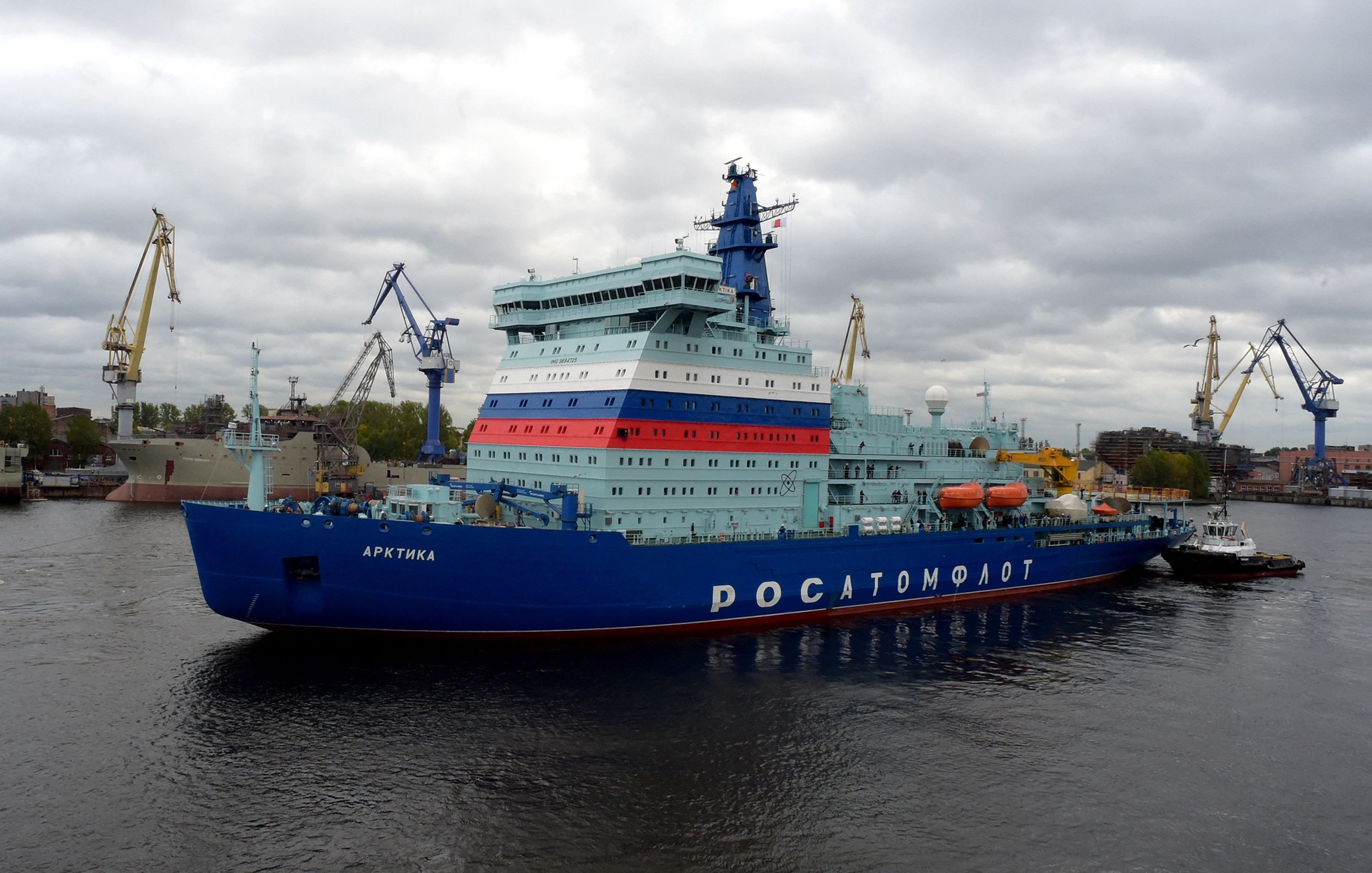
Russia will begin training Chinese crews to operate in Arctic waters under a new memorandum signed during Prime Minister Mikhail Mishustin’s visit to Hangzhou.
According to The Moscow Times, citing Rosmorrechflot, the program will be based at the Admiral Nevelskoy Maritime State University and the Admiral Makarov University.
A joint communiqué from the latest Russia–China government meeting reaffirmed plans to expand traffic along the 5,600-kilometer Northern Sea Route and enhance its competitiveness.
According to The Moscow Times, both sides also emphasized “sustainable development” and “peace and stability” in the Arctic.
Russian officials highlighted China’s first NSR transit to Europe, which took 20 days instead of the typical 30 via the Suez Canal.
Russia continues sending oil through the route, though The Moscow Times reports early-2025 volumes dropped to 1.83 million tonnes. China received most of these shipments, followed by South Korea and Brunei. Despite last year’s growth, NSR crude exports remain under 1 percent of Russia’s total.
Overall NSR cargo reached 37.9 million tonnes in 2024, with Russian authorities expecting more than 40 million tonnes in 2025.
Moscow is investing in new icebreakers, ports, and satellite systems to shift to year-round Arctic navigation. According to The Moscow Times, Beijing is simultaneously expanding its role in Arctic logistics, including building a fleet to transport Russian LNG affected by sanctions.
The training program underscores Russia and China’s efforts to position the Northern Sea Route as a future Asia–Europe trade corridor.
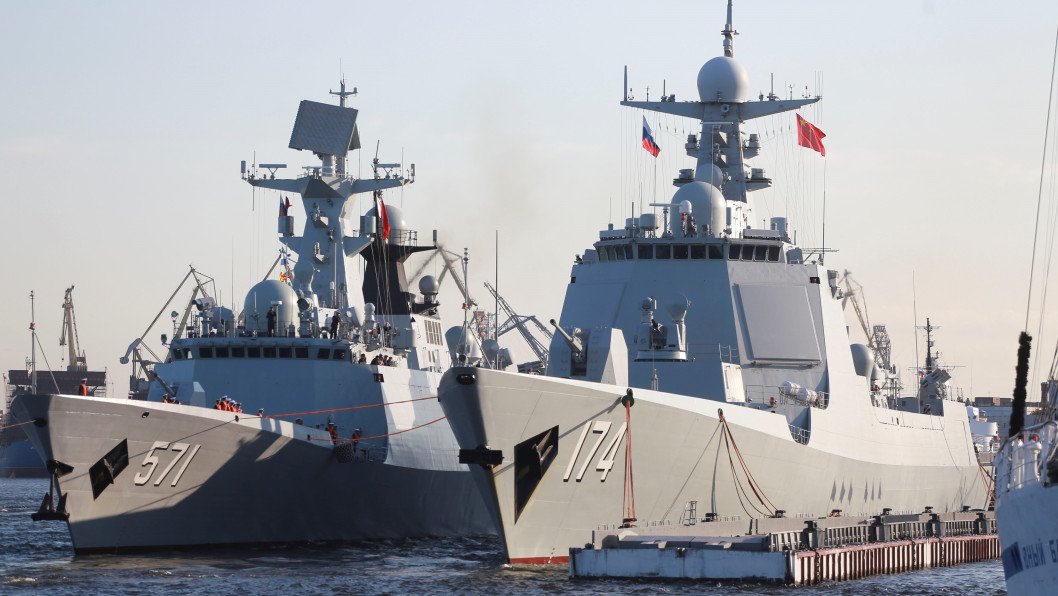
Earlier, China sent a submarine to Russia for the first time to take part in the Joint Sea 2025 drills, according to Army Recognition on August 2. The Chinese flotilla arrived in Vladivostok with a Kilo-class diesel-electric submarine, two Type 052D destroyers, a Type 903A resupply ship, and a submarine rescue vessel.
Discuss this article:



-c439b7bd9030ecf9d5a4287dc361ba31.jpg "Photo of Katherina Popilnichenko")