- Category
- Latest news
Russian and Chinese Submarines Break New Ground in Indo-Pacific Power Play
 Prefer U24 Media on Google
- Authors


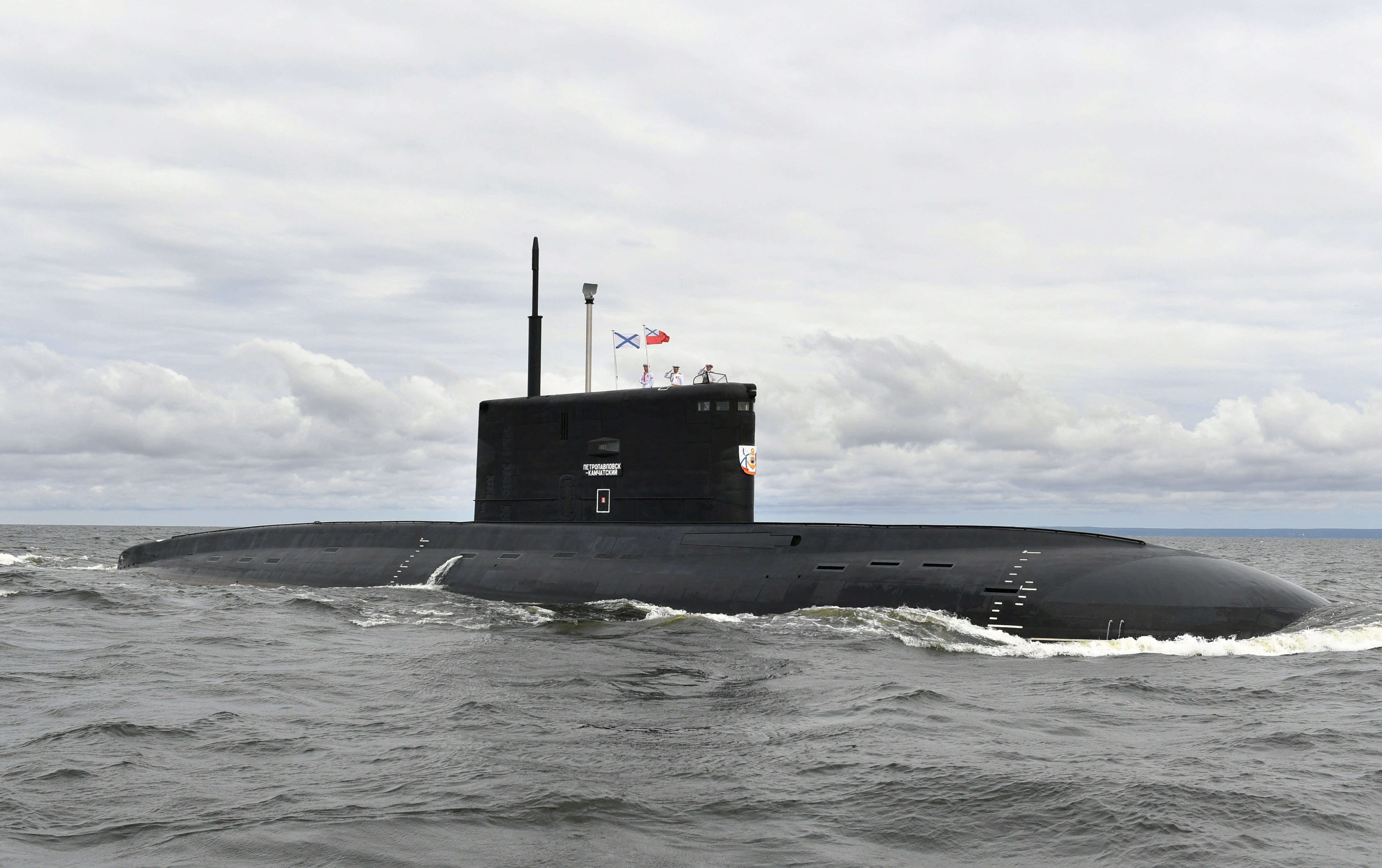
On August 27, Russia’s Pacific Fleet announced that Russian and Chinese submarines conducted their first joint patrol in the Asia-Pacific, marking a new phase in bilateral maritime cooperation.
The operation involved diesel-electric attack submarines navigating through the Sea of Japan and the East China Sea, signaling increased naval interoperability between the two countries amid rising regional tensions.
According to Army Recognition on August 28, the development reflects Moscow and Beijing’s continued efforts to expand the scope of their annual joint patrols.
The patrol included Russia’s Project 636.3 Kilo-class submarine Volkhov (B-603), which traveled more than 2,000 nautical miles from its homeport in Vladivostok.
The Volkhov, often referred to as the “Improved Kilo” by NATO, is equipped with low-noise propulsion systems, Kalibr land-attack cruise missiles, and heavyweight torpedoes, enabling it to conduct anti-submarine, anti-surface, and land-attack missions. Its low acoustic signature makes it particularly effective in both littoral and open-sea environments.
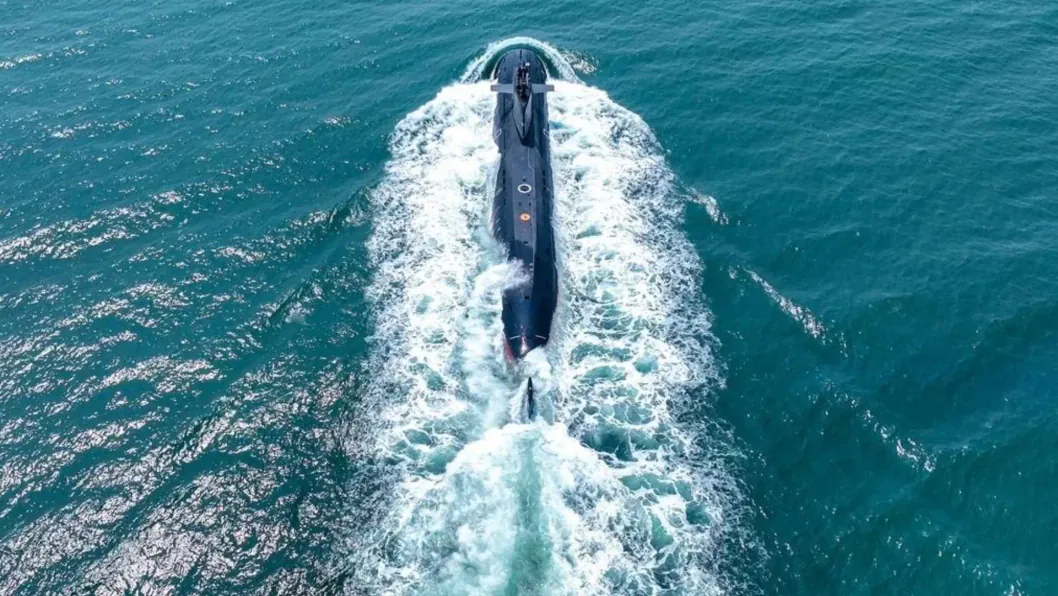
While Russian officials did not confirm the identity of the Chinese submarine, imagery analyzed by the US Naval Institute earlier in August suggests the vessel was Great Wall 210, an Improved Kilo-class submarine operated by the People’s Liberation Army Navy (PLAN). China acquired ten such submarines from Russia between 1997 and 2005.
Like their Russian counterparts, these submarines are equipped for conventional undersea warfare, featuring torpedoes and cruise missiles suitable for both defensive and offensive missions.
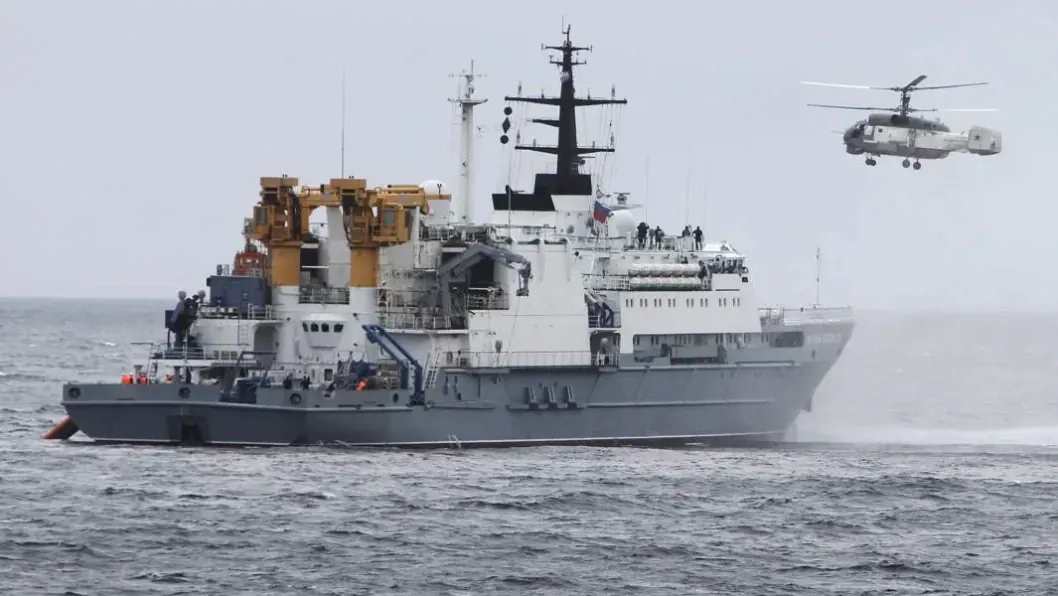
The joint submarine patrol was carried out as part of a broader task force that included Russian vessels Gromkiy and Admiral Tributs, along with Chinese warships Urumqi and Shaoxing.
Rescue support was provided by the Russian vessel Igor Belousov and its Chinese counterpart Xihu, which together conducted coordinated submarine evacuation drills.
Until now, Sino-Russian naval cooperation had largely been limited to surface operations since their first joint maritime patrol in 2021. The inclusion of submarines in this year’s Maritime Interaction 2025 exercises near Vladivostok indicates a shift toward more advanced, multidimensional coordination.
Earlier in August, China and Russia conducted their annual Joint Sea 2025 naval drills near Vladivostok, followed by a coordinated maritime patrol in the Pacific. According to China’s Ministry of Defense, the exercises were part of a long-term bilateral cooperation plan and not aimed at any third party.
Discuss this article:



-c439b7bd9030ecf9d5a4287dc361ba31.jpg "Photo of Katherina Popilnichenko")