- Category
- Latest news
Chinese Investors Tighten Grip on Lake Baikal as Russian Control Wanes
 Prefer U24 Media on Google
- Authors





Chinese investors are increasingly purchasing land and developing hotels along the shores of Lake Baikal, displacing local Russian businesses and strengthening Beijing’s economic foothold in Siberia, according to Ukraine’s Foreign Intelligence Service (SZRU) on November 3.
The agency said that Irkutsk region authorities are actively promoting new tourism routes for Chinese visitors, while Chinese entrepreneurs have begun referring to Baikal as “their own lake.”
According to the SZRU, this trend reflects Moscow’s growing loss of control over one of its most valuable natural regions.
“Businessmen from China are buying land and building hotels on the shores of Baikal, pushing out local entrepreneurs and increasingly calling the lake ‘theirs,’” the agency said in an official statement.
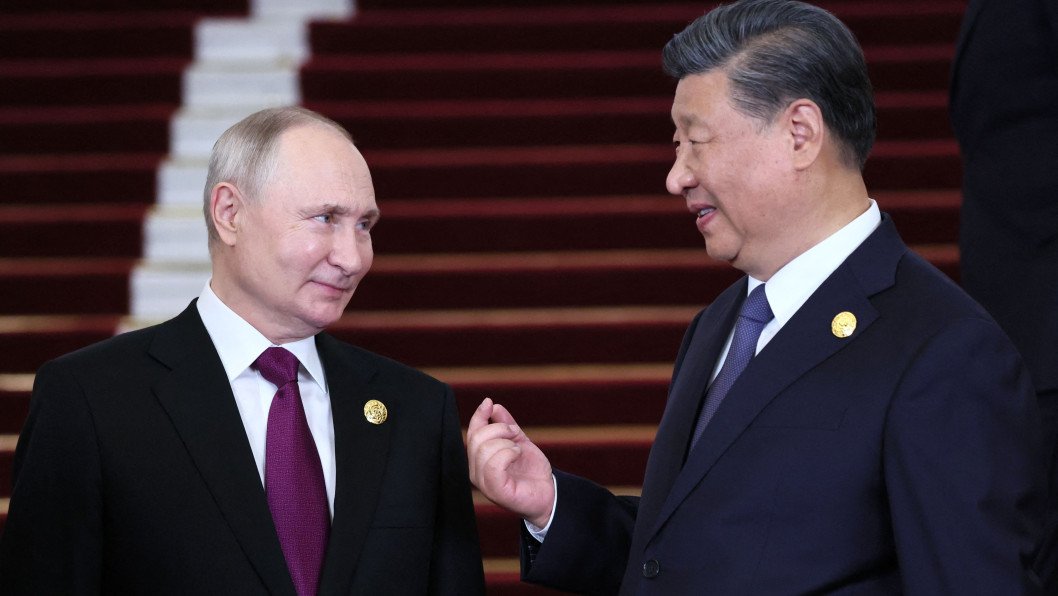
The report notes that Russia’s dependence on China continues to deepen, particularly through resource-based projects in the Far East and Siberia, which are effectively turning the region into a raw-material base for Beijing. Local communities, meanwhile, are seeing little of the promised economic benefits.
A key example cited by Ukrainian intelligence is the Zashulanskoye coal deposit in the Trans-Baikal Territory, jointly developed by Oleg Deripaska’s Russian company En+ Group and China’s Shenhua Group.
The project is designed for a century-long extraction cycle, with the Russian government providing tax incentives. Beginning in 2027, approximately five million tons of coal per year—around 500 truckloads daily—are expected to be transported to China.
To support the operation, a new highway is being constructed just 200 meters from residential areas and 1.6 kilometers from the Yamarovka mineral spring, cutting through forests that host rare plant species.
Despite promises to create local jobs, the key positions have been filled by Chinese specialists. The SZRU said that the company continues to clear Siberian cedar forests while bureaucratic delays stall efforts to reroute the road away from protected zones.

According to the report, Chinese economic influence also extends into the tourism sector, where an estimated two million Chinese citizens now reside across Russia’s Far East.
Ukrainian intelligence concluded that even the “symbol of Russian natural wealth—Lake Baikal—is gradually becoming part of China’s economic sphere of interest,” underscoring the scale of Moscow’s growing economic dependence on Beijing.
Earlier, on September 2, Gazprom CEO Alexey Miller and Russian leader Vladimir Putin claimed that a legally binding agreement on the Power of Siberia-2 gas pipeline had been signed with China—yet Beijing has not confirmed the deal.
Chinese officials, state media, and CNPC have remained silent, and experts say the announcement appears to be a political gesture rather than a finalized contract.
Discuss this article:



-c439b7bd9030ecf9d5a4287dc361ba31.jpg "Photo of Katherina Popilnichenko")