- Category
- Latest news
Cuba to Let Russian Firms Run Industrial Production Amid Energy Crisis
 Prefer U24 Media on Google
- Authors

-c439b7bd9030ecf9d5a4287dc361ba31.jpg "Photo of Katherina Popilnichenko")
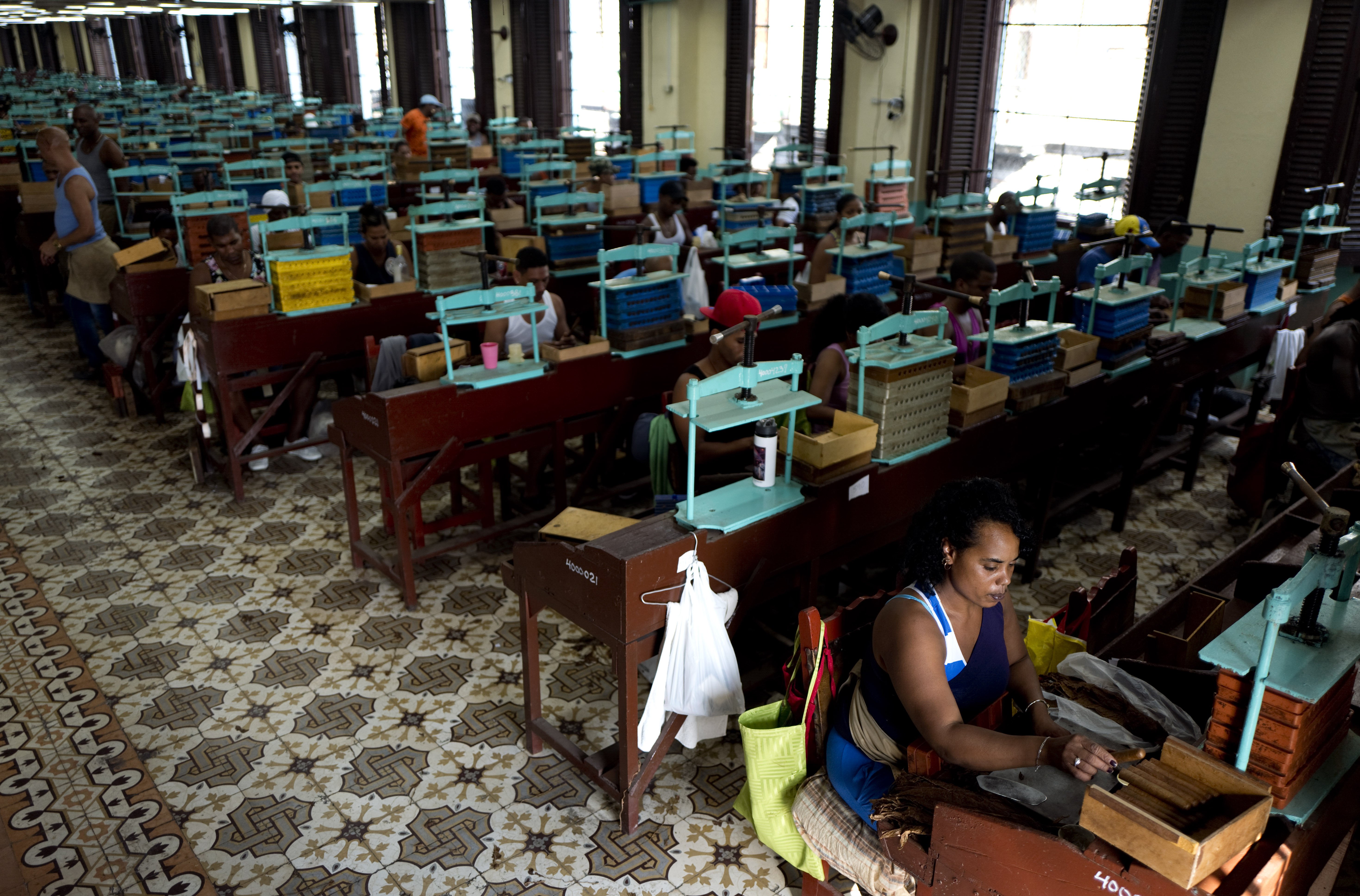
Cuba is set to allow Russian companies to manage industrial production on the island as the country faces a worsening energy crisis, according to a high-ranking Russian official on April 10.
We bring you stories from the ground. Your support keeps our team in the field.
Roman Chekushov, Russia’s Deputy Minister of Industry, told that discussions with Cuban partners focused on providing Russian firms access to managing industrial enterprises in the republic.
The Cuban state company Tecnomatica has reportedly shown interest in Russian LTE communication systems, a project the ministry first mentioned last fall.
Meanwhile, the assembly of Russian cars in Cuba was recently halted due to power outages. Chekushov stated on Thursday that production is expected to resume once the energy supply stabilizes.
Russian Deputy Foreign Minister Sergei Ryabkov met with President Miguel Díaz-Canel in Havana on Thursday to discuss Cuba’s economic issues, specifically its energy security. Following the meeting, Ryabkov told a press conference that Russia does not intend to leave the Western Hemisphere despite positions held by Washington.
"Our relations with Cuba are of a special nature. We cannot just betray Cuba, it is absolutely out of the question, we cannot leave them to their fate," Ryabkov said.
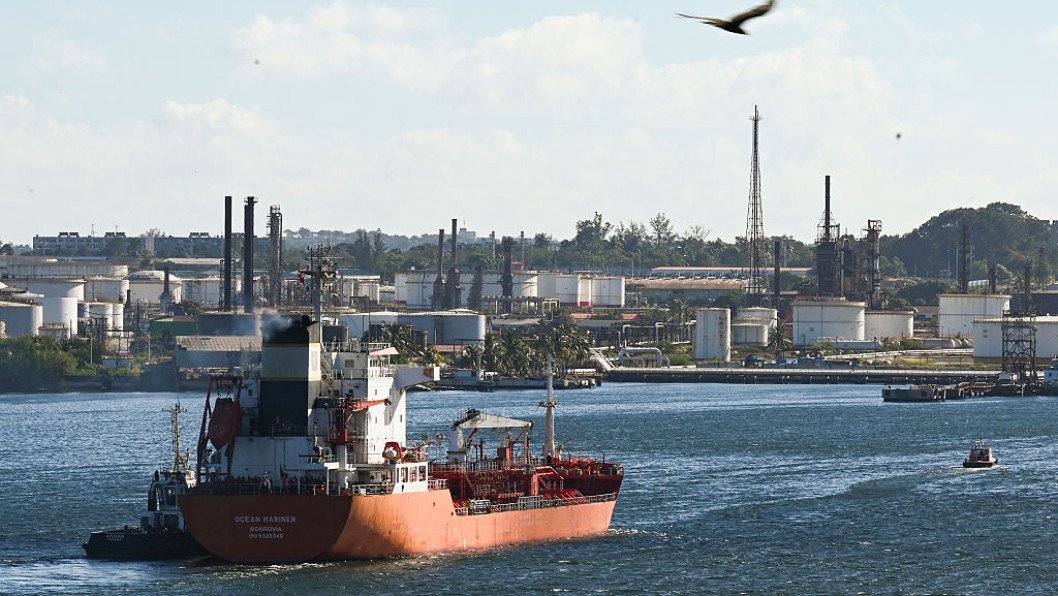
Under the presidency of Donald Trump, the United States threatened tariffs against any country attempting to sell oil to Cuba, contributing to an energy crisis that has intensified since January.
The Cuban presidency's office posted on X that Russia is currently in full solidarity with Cuba despite the country's difficulties.
During the meeting, Díaz-Canel expressed his support for Vladimir Putin, saying, "We take this opportunity to embrace our dear friend, President Vladimir Putin."
In March 2026, Cuban President Miguel Díaz-Canel confirmed that his government entered direct negotiations with the Trump administration as the island faced an unprecedented economic collapse.
The diplomatic opening occurred while a suffocating US oil embargo left Cuba without a single foreign oil shipment for three months, following the capture of Venezuelan leader Nicolás Maduro in January.
As the energy crisis intensified, the Cuban government announced the release of 51 prisoners in a move brokered by the Vatican, while citizens across the country endured 15-hour daily blackouts and the total paralysis of public services.
Discuss this article:
-4a56a6b482ec132402c16ef6fcabf9a2.png)