- Category
- Latest news
Despite EU Sanctions, Kremlin Propaganda Remains Online Across Europe, Investigation Finds
 Prefer U24 Media on Google
- Authors


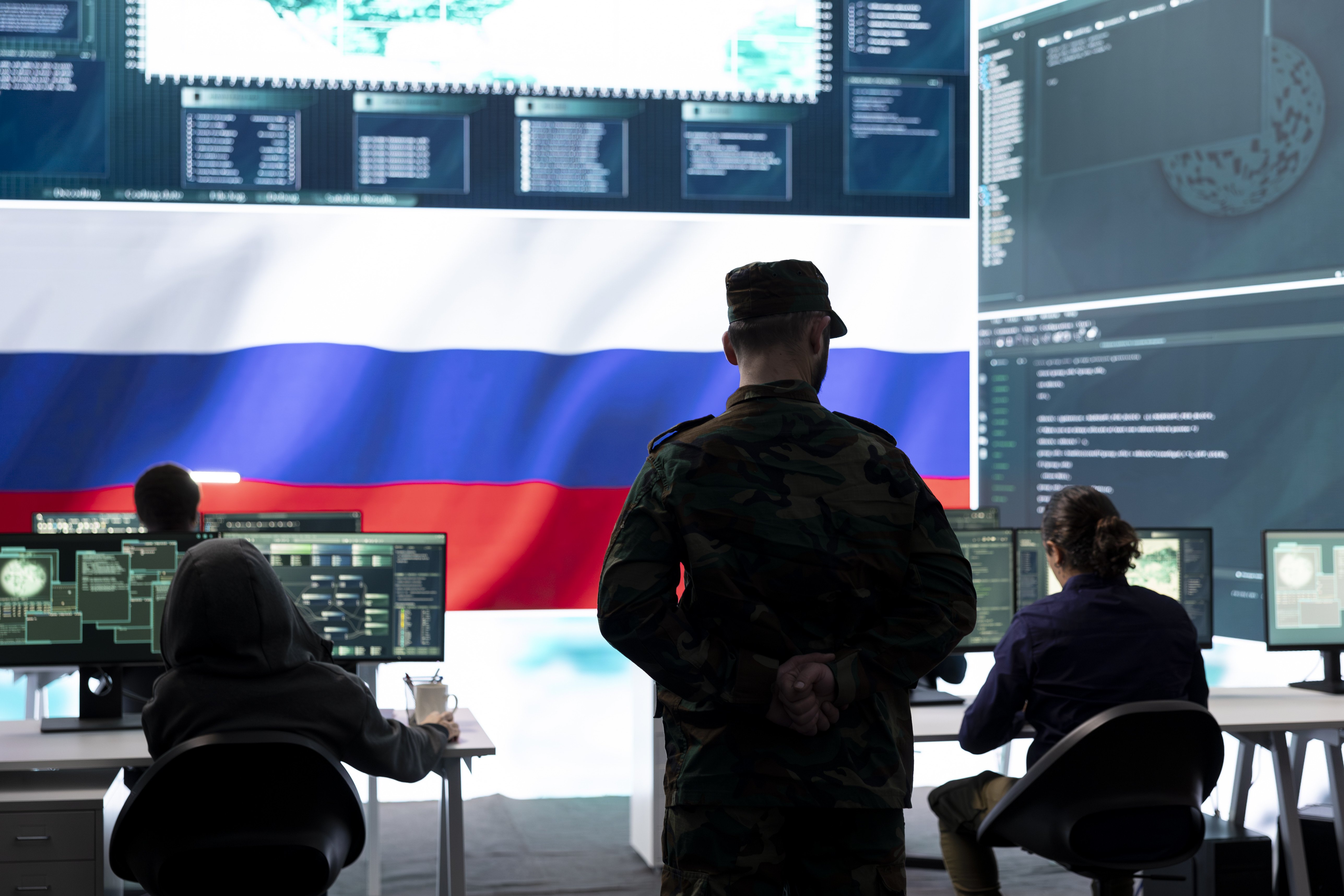
Most Kremlin-linked media websites under EU sanctions remain accessible across Europe, despite restrictions imposed following Russia’s full-scale invasion of Ukraine. This is according to a new investigation by the Institute for Strategic Dialogue (ISD) on August 5.
In the aftermath of the invasion, the European Commission introduced a series of sanctions targeting Russian state-affiliated media outlets. Internet providers across EU member states were instructed to block access to these sites, while large platforms such as X and Facebook were obligated to restrict the distribution of their content. However, ISD’s latest findings reveal that enforcement of these measures has been largely ineffective in practice.
According to the research, fewer than a quarter—247 out of 1,044—attempts to access sanctioned websites were successfully blocked by major internet providers in six EU countries: Germany, France, Italy, Poland, the Czech Republic, and Slovakia. In Slovakia, all tested domains remained fully accessible, while in Poland, 50 out of 59 domains were reachable without restrictions. The most effective results were recorded in Germany, where providers managed to block between 25 and 33 domains.
-8ff74eb427048fb43a21b623ab814c0b.png)
Despite the restrictions, some sanctioned websites continue to attract tens or even hundreds of thousands of unique visitors per month. In Germany, at least three such sites remain highly visited, while one site in France also showed significant reach.
One of the key reasons for the continued accessibility of these domains is the widespread use of third-party DNS resolvers such as Cloudflare, Google, or Russia’s Yandex. This allows users to bypass domestic restrictions, even when their internet service provider enforces the block. ISD’s DNS testing showed that in some cases, domain queries were processed through Russian infrastructure rather than local networks, making sanctioned sites readily accessible.
Sanctioned outlets also rely heavily on mirror websites and aggregators to circulate their content, often disguising it as “alternative” news.
These media outlets have remained active during key electoral campaigns. ISD documented their involvement in spreading propaganda and polarizing narratives during the German federal elections in February 2025 and the Polish presidential vote in May 2025. This included the denial of Russian war crimes in Ukraine and false claims targeting Ukrainian refugees.
-bd18f94e55d7d6aa28b6bbaa68cf8c4c.png)
Social media platforms have also failed to contain the spread of Kremlin-linked propaganda. In May 2025 alone, over 49,000 posts containing links to sanctioned domains were recorded on X, shared by more than 2,450 accounts—mostly in French and German. Some of these accounts are dedicated exclusively to amplifying content from banned media.
These findings raise concerns about the enforcement of the EU’s Digital Services Act (DSA), which requires major platforms to limit the spread of illegal content, including materials from sanctioned entities. Although many official accounts of Russian state media have been hidden within the EU, their content continues to circulate via anonymous or non-European accounts. Moreover, RT and other outlets have promoted alternative and mirror domains to bypass EU restrictions, allowing their materials to remain visible to European users.
ISD points to several structural issues undermining enforcement: the absence of a centralized, up-to-date domain list; lack of guidance for national regulators and internet providers; expired legal enforcement mandates in certain countries (such as Slovakia); and the widespread use of third-party DNS settings that do not apply sanctions. Even when internet providers implement DNS blocking within their own infrastructure, users can often bypass restrictions through device-level or default configurations that redirect DNS requests to external servers.

In one illustrative example, ISD probed access to the domain lenta[.]ru through a German provider. While three DNS queries were successfully blocked, two others were resolved through an external Russian server—rendering the ban ineffective.
The investigation concludes that more than three years after the EU imposed its first media sanctions in response to Russia’s invasion, enforcement remains fragmented and largely symbolic. DNS-based blocking—still the most commonly used method across the EU—has proven insufficient, especially when users rely on non-local resolvers. The continued reach of sanctioned content, particularly in countries like Germany, highlights the urgent need for a coordinated, technically robust, and legally sound approach to enforcing sanctions against Kremlin-affiliated media.
Earlier, Latvia’s National Electronic Mass Media Council blocked access to ten more websites accused of disseminating Russian propaganda, raising the total number of restricted sites to 413 since the beginning of Russia’s full-scale invasion of Ukraine.
Discuss this article:


-c439b7bd9030ecf9d5a4287dc361ba31.jpg "Photo of Katherina Popilnichenko")

-111f0e5095e02c02446ffed57bfb0ab1.jpeg "Photo of Roman Kohanets")