- Category
- Latest news
Estonia Erects Border Fortifications as Tensions With Russia Mount
 Prefer U24 Media on Google
- Authors


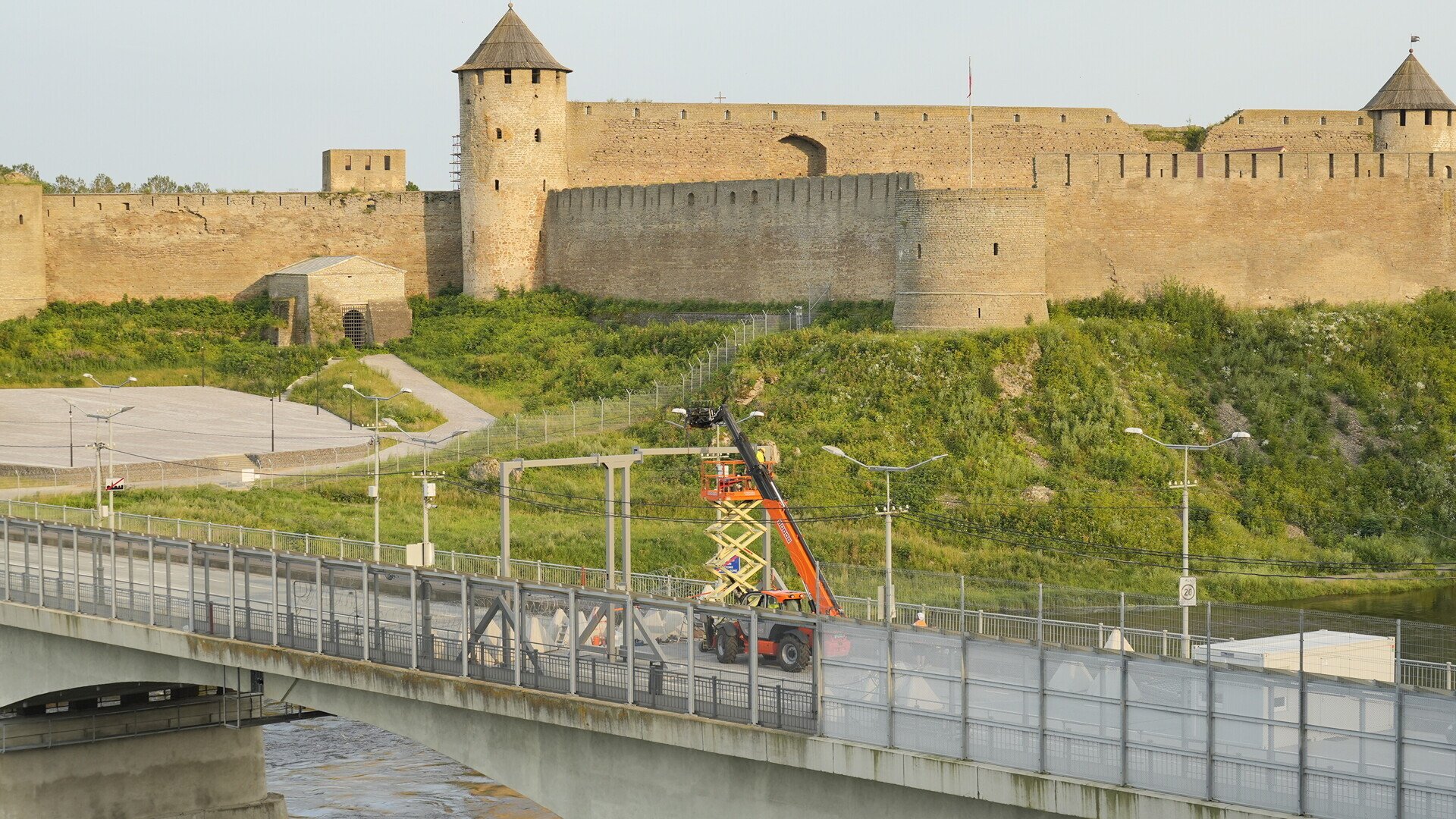
Estonia has begun reinforcing security infrastructure at the Narva border crossing with Russia, the Estonian Police and Border Guard Board announced, according to national broadcaster ERR on August 3. Construction is currently underway at the checkpoint to enhance control measures amid growing regional security concerns.
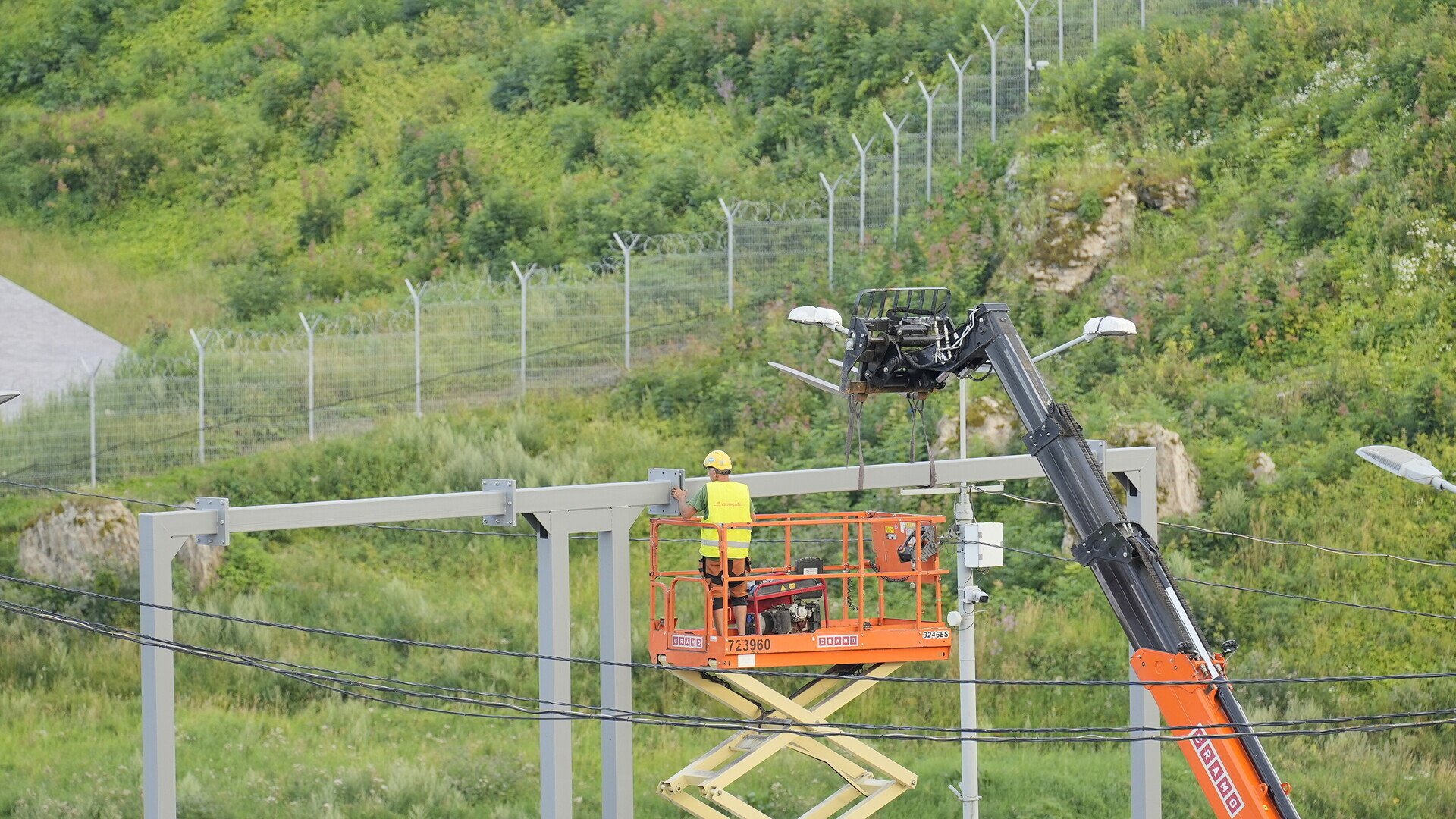
Last week, authorities installed heavy metal gates on the Estonian side of the bridge linking Estonia and Russia. Work is also in progress to deploy retractable metal barriers, which can fully block vehicle movement both into and out of the checkpoint when necessary.
“Work is currently being carried out to install gates on the bridge at the border checkpoint—these gates have already been put in place. In addition, barriers restricting vehicle access are being installed at all entry points to the checkpoint, including from Peetri Square, Tuleviku Street, and the Russian Federation,” said Antti Eensalu, head of the Narva border checkpoint.
The newly installed gates block only the vehicle lane on the bridge. The pedestrian section remains open, though authorities plan to install pedestrian gates as well.
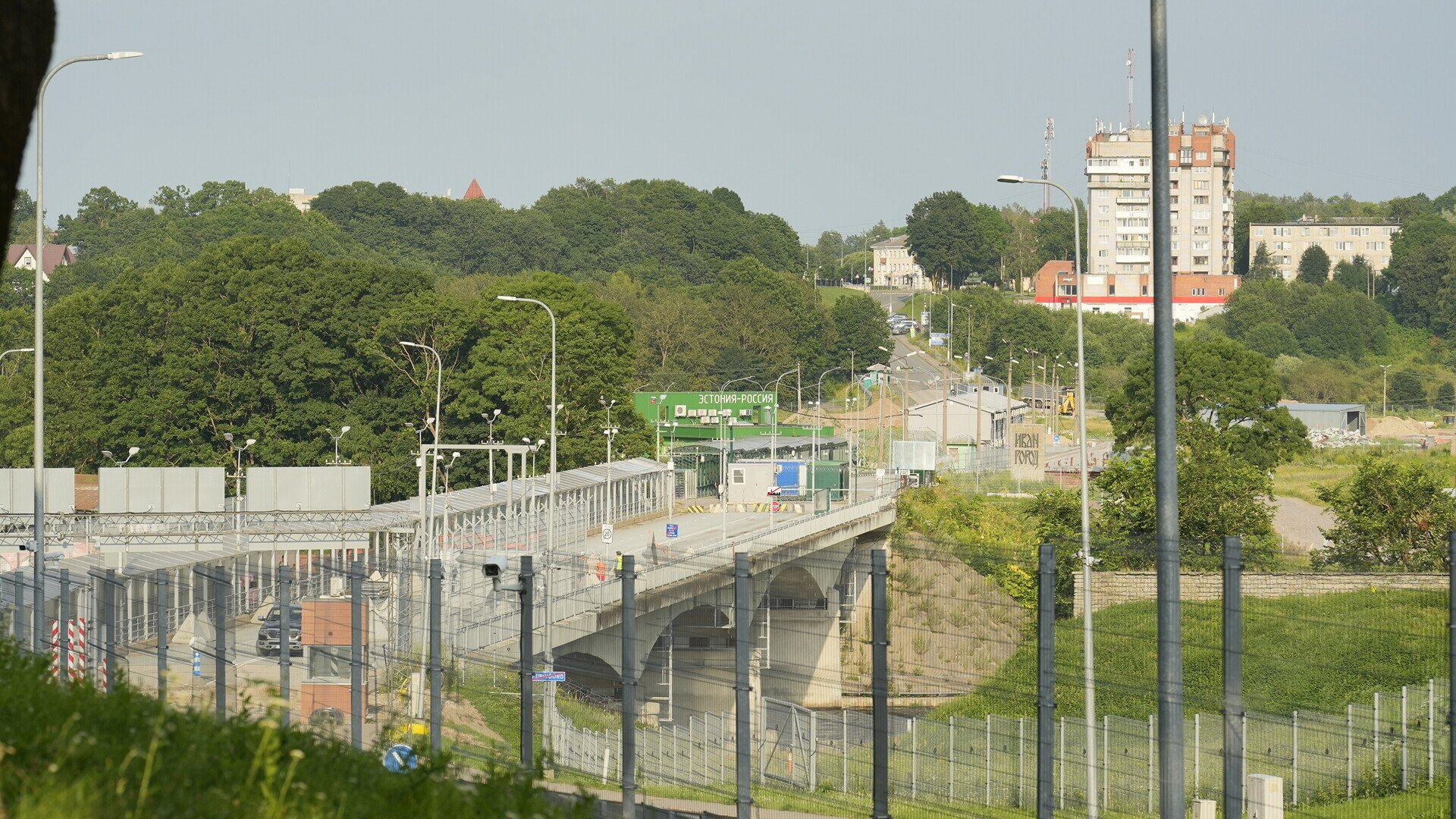
“This is primarily necessary to enhance the security of the border checkpoint. About five years ago, there was an incident in which a vehicle coming from the Russian side broke through the existing barriers. Installing new barriers will help prevent unauthorized crossings. The gates will also help us better control the situation on the bridge, for example, in the event of a migrant influx,” Eensalu added.
Meanwhile, construction has also begun on the Russian side, where a new transport checkpoint is being built, ERR reported. Estonia expects its side of the upgraded infrastructure to be completed by the end of September.
Earlier, a Russian border patrol vessel illegally entered Estonia’s territorial waters and remained for 35 minutes, east of the island of Vaindloo.
Under Estonia’s State Border Act, foreign military ships are permitted to pass through the country’s territorial waters only under the right of innocent passage, and only if the Estonian Foreign Ministry is notified at least 48 hours in advance. No such notification was received from Russia.
Discuss this article:



-c439b7bd9030ecf9d5a4287dc361ba31.jpg "Photo of Katherina Popilnichenko")