- Category
- Latest news
Europe and Canada Boost Defense Spending by 19% in 2025 Amid Rising Security Threats
 Prefer U24 Media on Google
- Authors


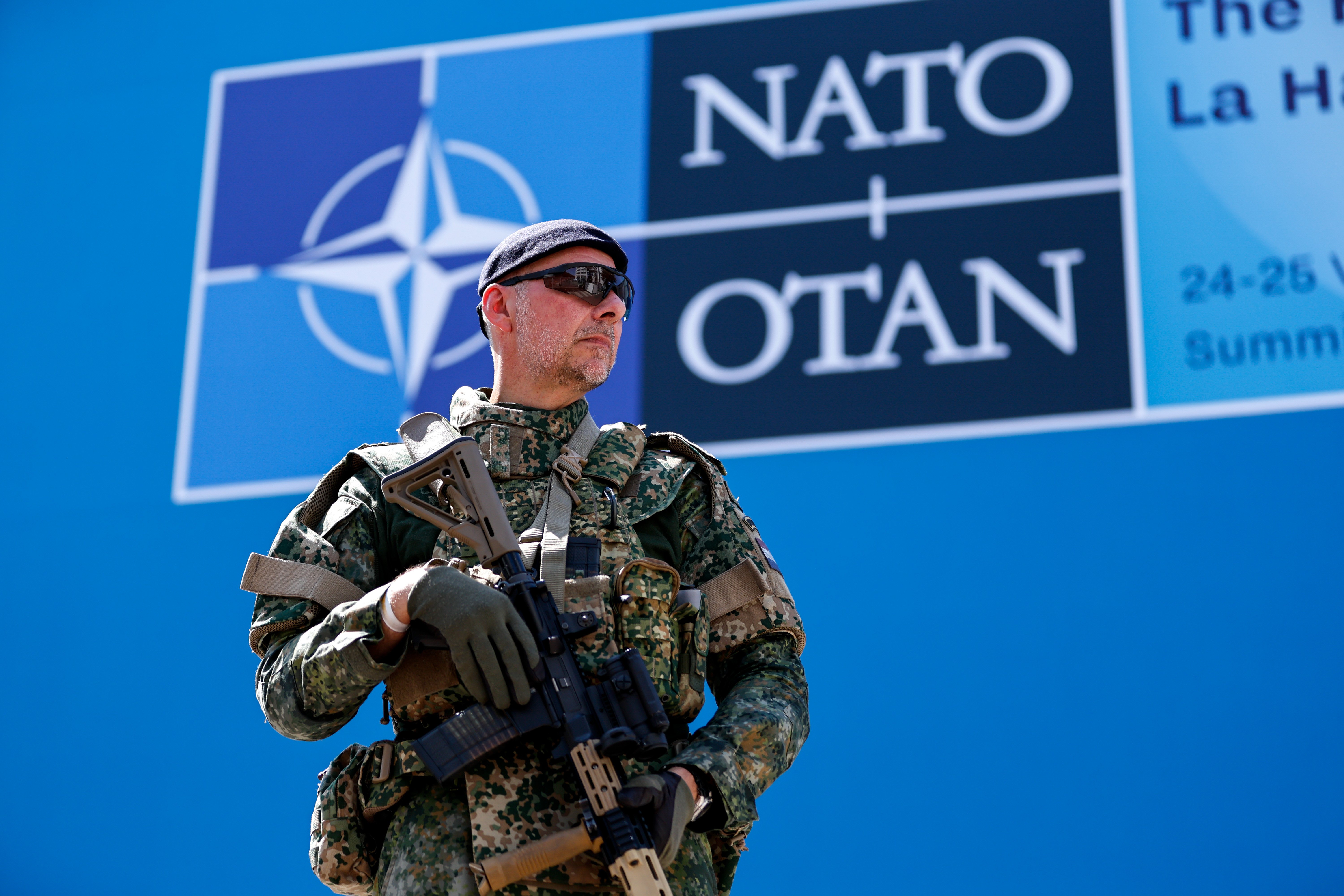
Europe and Canada have significantly increased their defense expenditures by 19% in 2025, reflecting the shifting security landscape due to ongoing Russian aggression and external pressures, according to NATO’s annual report on March 26.
The total defense spending for 2025 amounted to $1.4 trillion, a 6% increase compared to the previous year. Notably, all 32 NATO members met the 2% of GDP defense spending target, as stipulated by the alliance, marking a significant milestone.
We bring you stories from the ground. Your support keeps our team in the field.
The increase in spending comes amid rising concerns over security challenges and the need for NATO members to bolster their defense capabilities.
“This shows that NATO allies recognise our changed security environment, and the need to meet our collective obligations,” NATO Secretary-General Mark Rutte wrote in the report.
“I expect the NATO Summit in Ankara this July to build on our achievements in 2025. There is no room for complacency and no time to waste.”
However, the report also highlighted substantial disparities in defense spending across NATO members. While countries such as Poland, Lithuania, Latvia, Estonia, and Denmark spent above 3% of their GDP on defense. Others, including Spain, Portugal, Albania, Belgium, and Canada, remained at the 2 percent threshold. Poland emerged as the top spender in terms of GDP percentage, with 4.3% dedicated to defense.
Luxembourg, Belgium, and Slovenia were noted for making the largest year-on-year increases in absolute terms. In contrast, defense spending decreased in countries like Hungary, Czechia, and the US.
Overall, European and Canadian defense spending reached $574 billion in 2025, marking a 19% rise from the previous year. Meanwhile, US defense expenditure saw a slight decrease to $838 billion, and its share of total NATO defense spending dropped from 64% to 59%.
The report also indicated that Europe and Canada’s spending on major equipment saw a substantial rise of 34%. As for specific categories of spending, Greece spent the most on personnel, Albania on infrastructure, Belgium on operations and maintenance, and Luxembourg on equipment and research.
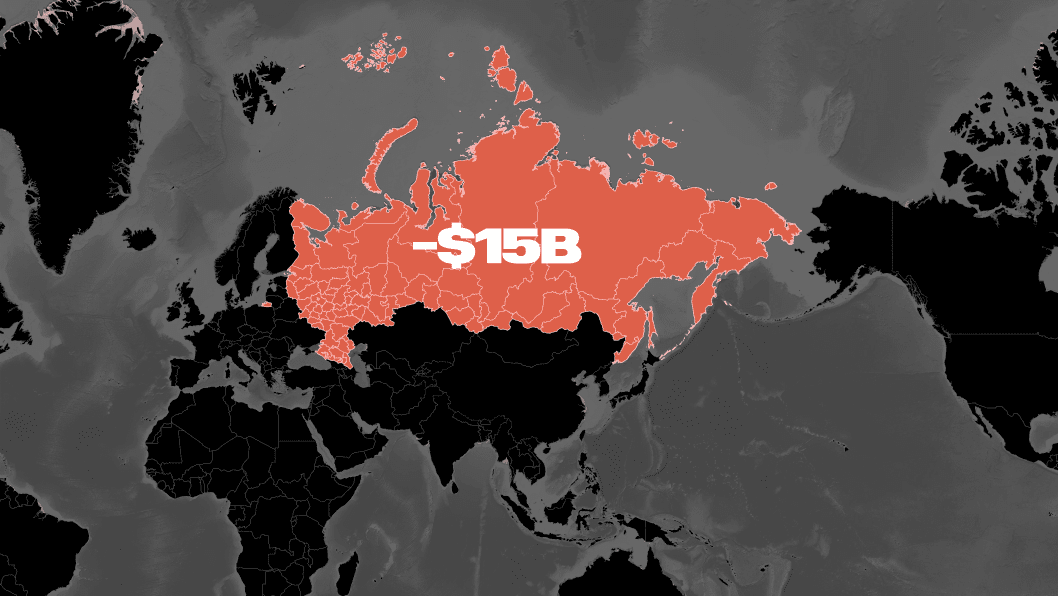
Meanwhile, NATO is stepping up its efforts to protect vital energy infrastructure amid growing concerns that Russia could target such systems in a broader conflict with the Alliance.
According to a report by Radio Free Europe/Radio Liberty, Mark Rutte highlighted in his 2025 report that Russia’s ongoing war against Ukraine has shown that energy infrastructure is likely to be a primary target in any future aggression against NATO members.
The report further reveals that NATO allies are already “identifying lessons learned from Ukraine” and are enhancing training, exercises, and coordination efforts to better defend critical energy systems. These actions aim to fortify the resilience of essential infrastructure in the face of potential threats.
Discuss this article:


-c439b7bd9030ecf9d5a4287dc361ba31.jpg "Photo of Katherina Popilnichenko")