- Category
- World
Russia Builds $600M Arctic Military Communications Network with Drone Integration—Leaked Files
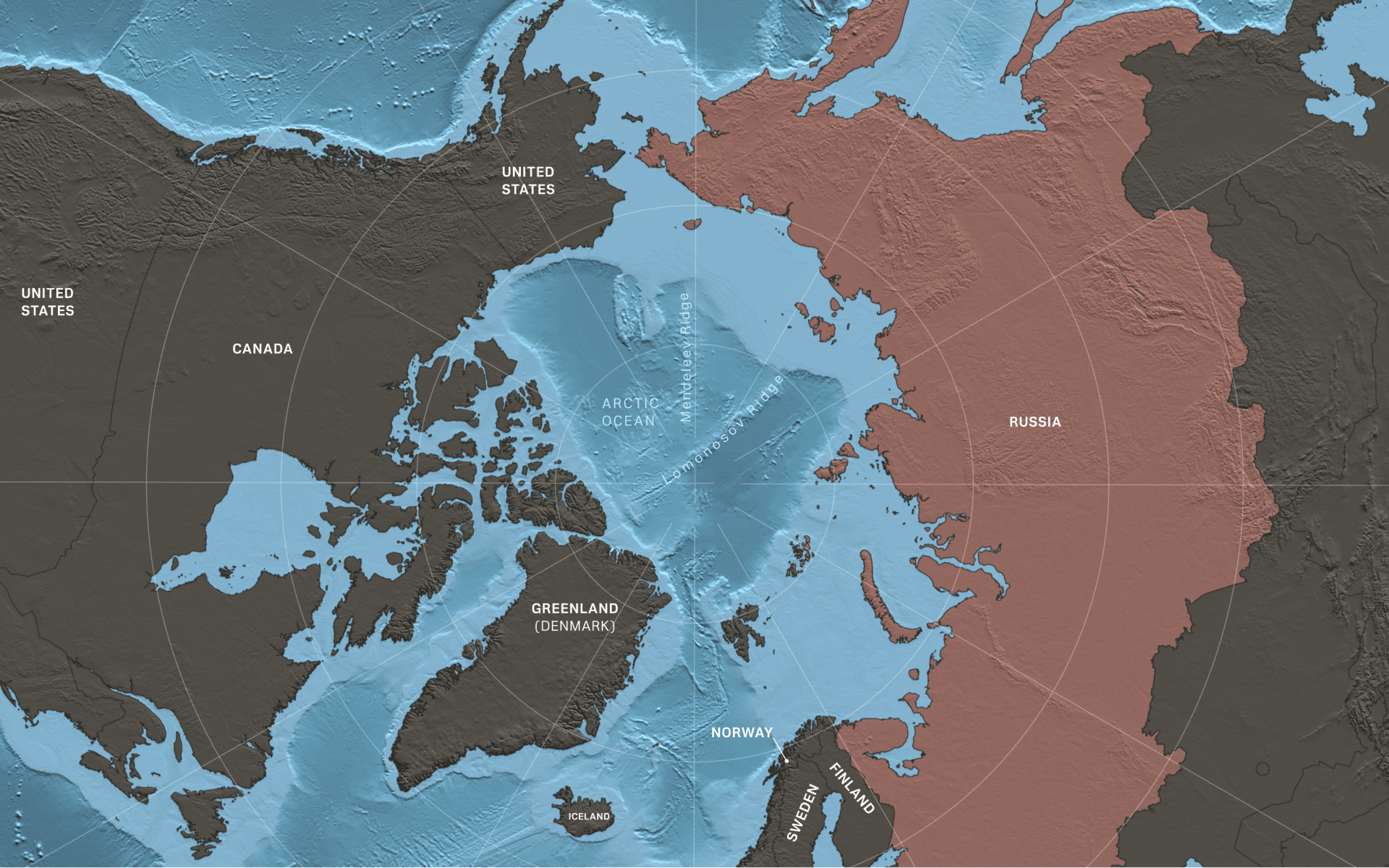
A new generation of modular, drone-linked military communications is taking shape in Russia, designed to operate where infrastructure doesn’t exist: the Arctic.
 Prefer U24 Media on Google
- Authors

-206008aed5f329e86c52788e3e423f23.jpg "Photo of Oleksandr Moiseienko")
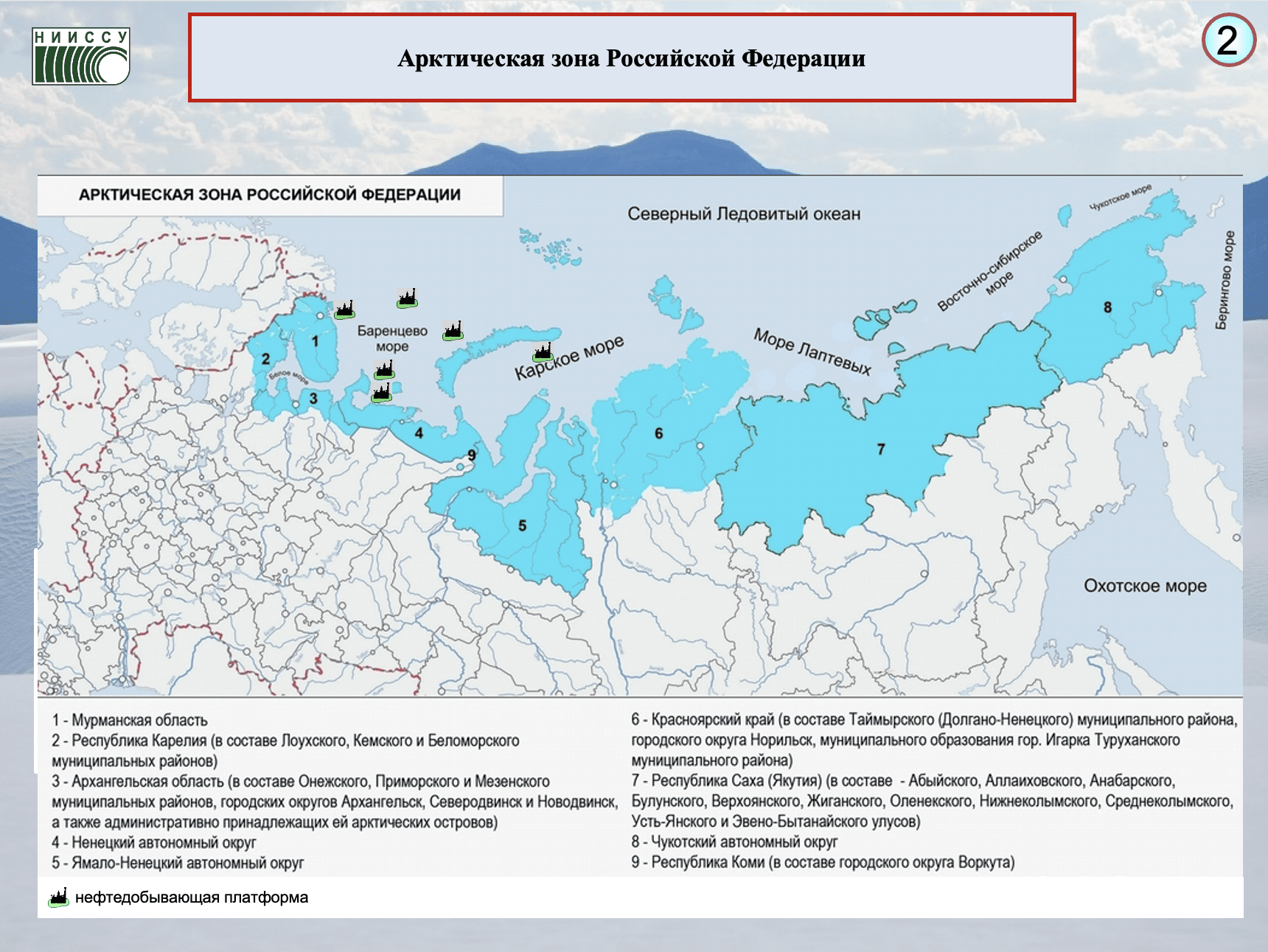
UNITED24 Media has obtained internal documents from Russia’s Research Institute of Communication, Command and Control System (NIISSU), which reveal details of a project to create a new military communications system for the Arctic zone. The project concerns a mobile field network designed to enable troop command and control, data transmission, and operational coordination in a region with sparse infrastructure and vast distances between communications nodes.
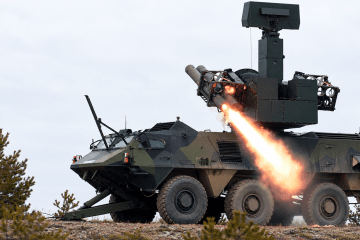
DT-10PM platforms
In 2024, Russia “developed proposals for creating a set of field communications system hardware for the Arctic region on the DT-10PM chassis,” which were sent “for review and approval to the Main Communications Directorate of the Armed Forces of the Russian Federation,” according to an engineering memo and an accompanying NIISSU presentation.
We bring you stories from the ground. Your support keeps our team in the field.
The DT-10PM chassis is a Soviet/Russian tracked all-terrain vehicle designed to operate in the extreme conditions of the North. It is a two-section transporter—two tracked “cars” connected to each other—that can move across snow, ice, swamps, and off-road terrain where conventional vehicles cannot.
It is used as a platform for military equipment—such as communications systems or command posts—because it can transport hardware, operate autonomously, and be deployed in remote areas without infrastructure. It is on the basis of such vehicles that Russia plans to deploy its Arctic communications system.
The documents specifically emphasize that the system is being developed “taking into account the experience of the special military operation,” directly indicating that lessons from the war against Ukraine are being used in its design. Based on the materials, this will primarily mean greater attention to the use of UAVs on the battlefield, as well as a stronger emphasis on a decentralized system.
Multi-layered connectivity
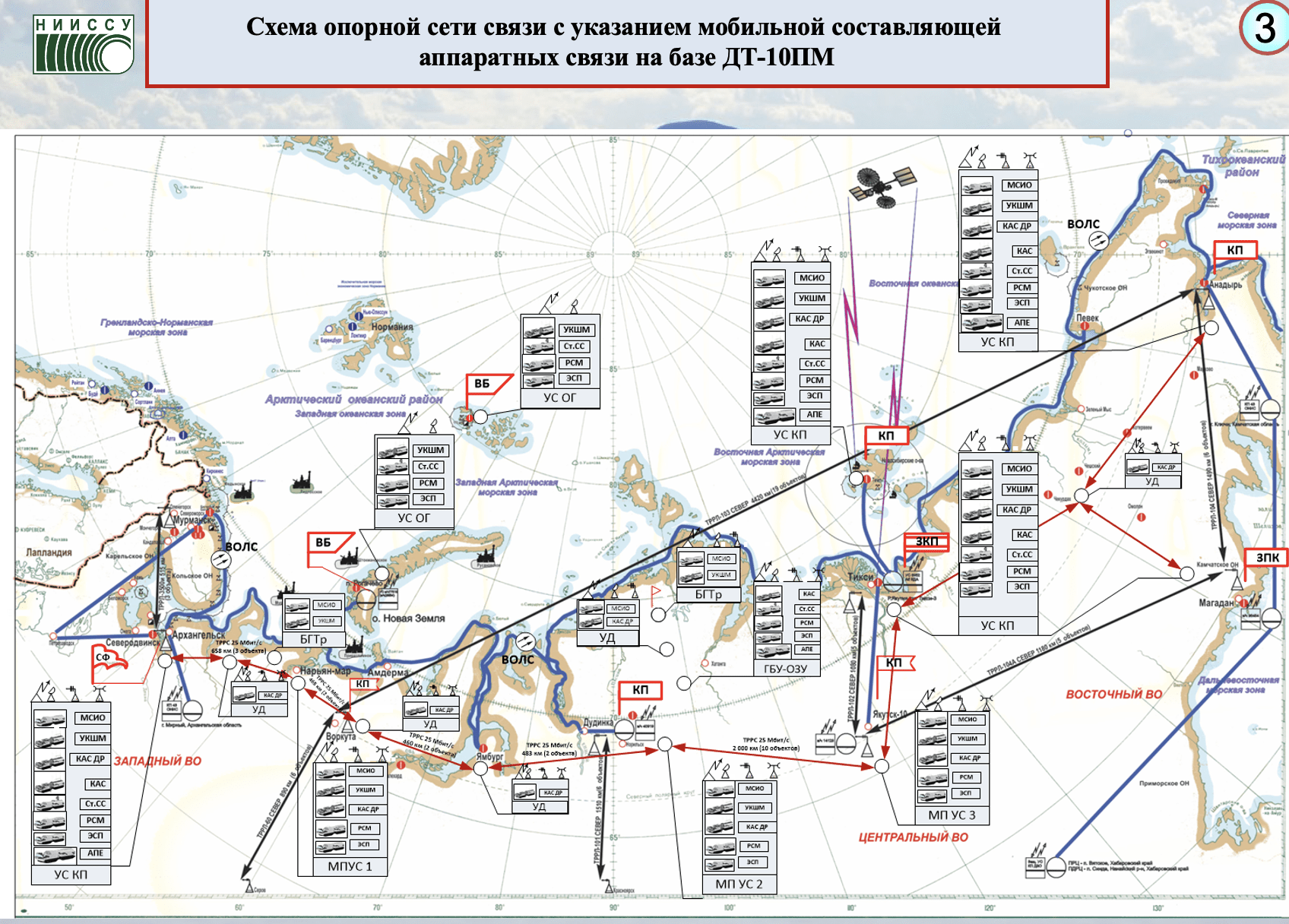
The project envisions not the creation of individual communications assets, but an integrated network of field complexes. The memo states that it would make possible the “construction of mobile field communications nodes having a modular ‘cellular’ structure of the field communications system.”
Such an architecture means the system is composed of interconnected elements, each of which can serve as a communication node. This differs from traditional centralized models and could potentially increase the network’s flexibility.
The core of the system consists of mobile platforms adapted to Arctic conditions. Its components include command-and-staff vehicles, access and relay complexes, satellite stations, medium-power radio stations, and autonomous power sources.
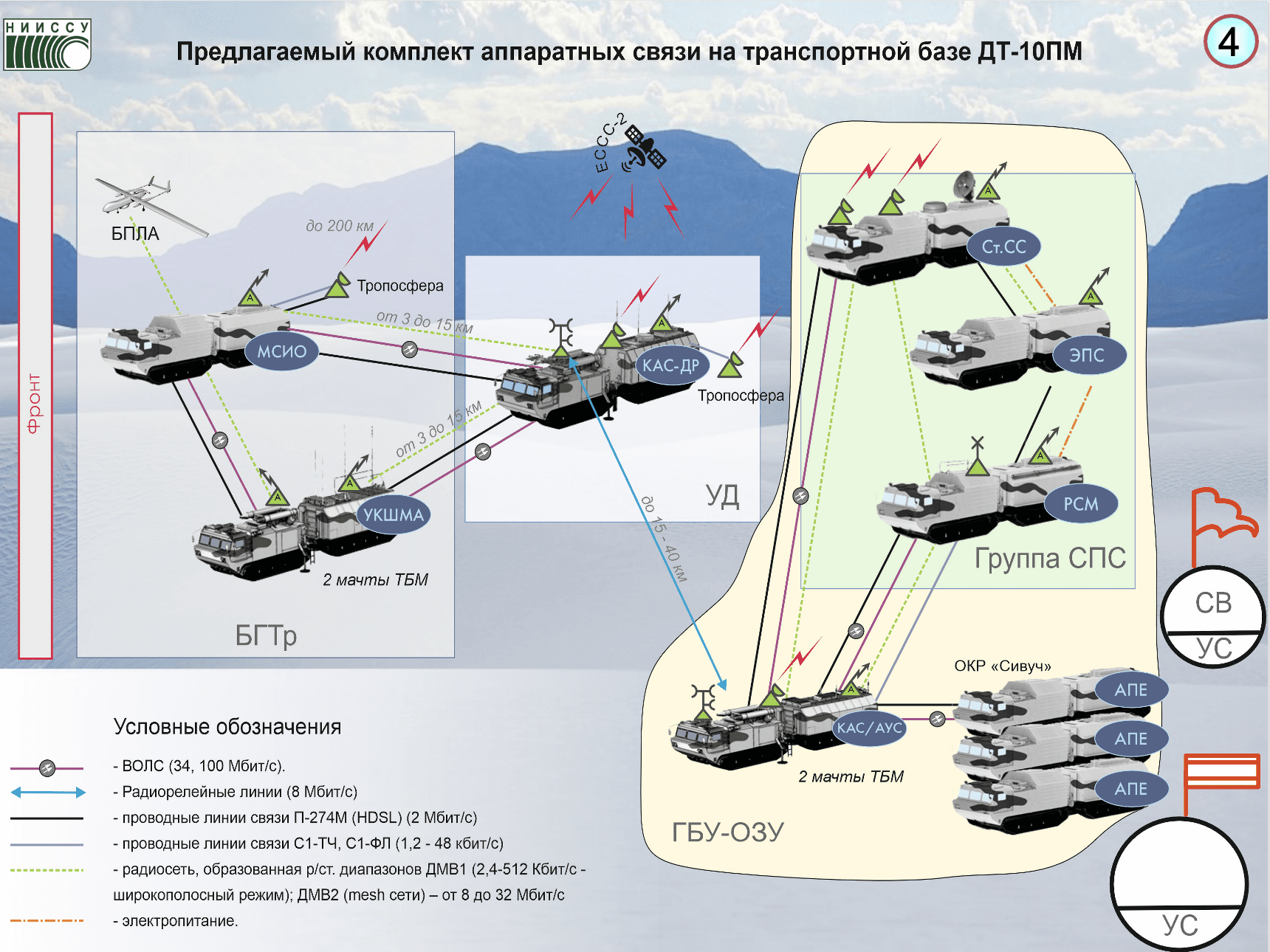
The documents directly describe a combined communications-channel structure: they provide for the use of “radio relay and troposcatter communications assets, as well as linking the elements of the communications node via a satellite communications channel.”
The system also includes wired solutions—the documents note the possibility of organizing SHDSL communications at distances of up to 10 kilometers and fiber-optic lines of up to 50 kilometers.
Particular attention is given to integration with drones. The memo states that the system enables the “receipt and transmission of reconnaissance data obtained from UAVs.” This points to the incorporation of unmanned systems into a unified information command-and-control loop.
The documents state that the “estimated requirement for communications hardware sets is 64 sets,” and that “the cost of 64 sets will amount to 59.584 billion rubles.” Preliminary estimates indicate that about $600 million will be required to fund these communications nodes in the initial stages.
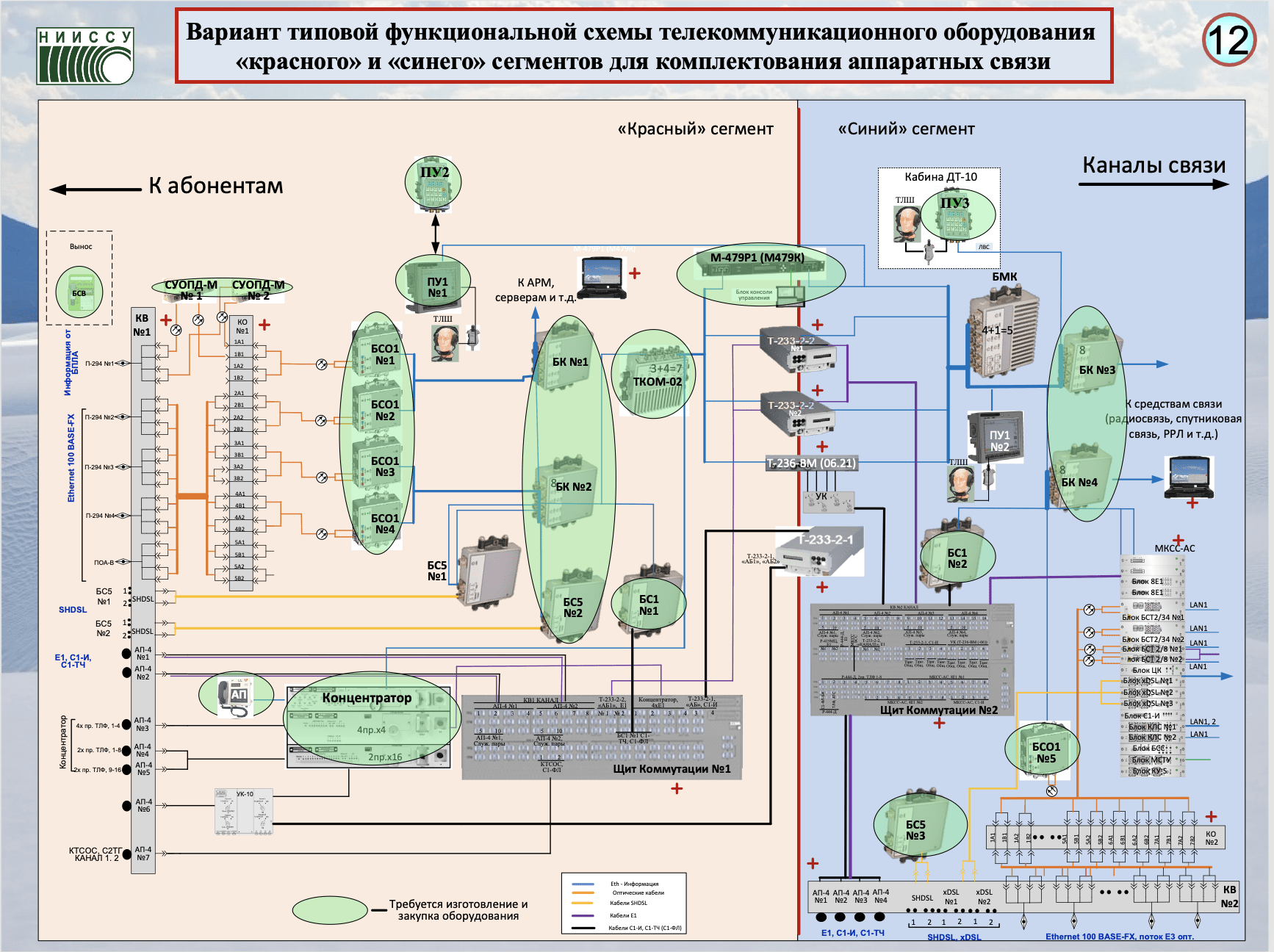
The conclusion of the memo states that the system “may be applicable for equipping the mobile field communications system of the Arctic region, naval bases of the Maritime Fleet (Northern Fleet), the Main Directorate of the Russian Ministry of Defense, as well as facilities of the Rosatom State Corporation.”
From Ukraine to the Arctic
These documents suggest that Russia is trying to adapt its military communications approaches in light of lessons learned from the war against Ukraine. Specifically, this may involve increasing system mobility, using multiple communication channels simultaneously, and integrating drones into troop command and control.
Although the documents do not directly address the shortcomings of previous systems, references to the “experience of the special military operation” and an emphasis on a networked, modular architecture may indicate an attempt to address the challenges the Russian military encountered during combat operations.
Thus, this is not only about developing infrastructure in the Arctic, but about creating a technical foundation that could potentially expand the capacity to conduct military operations in a region with limited infrastructure.
Discuss this article:
-4a56a6b482ec132402c16ef6fcabf9a2.png)

-3dc43d0d8b8ab0d7d00a1b4d64f1a3a5.jpg "The national flags of China and Russia flutter at Tian’anmen Square on May 19, 2026 in Beijing, China. (Source: Getty Images)")
-72b63a4e0c8c475ad81fe3eed3f63729.jpeg "Photo of Cyril Barabaltchouk")

-111f0e5095e02c02446ffed57bfb0ab1.jpeg "Photo of Roman Kohanets")