- Category
- Latest news
Europe Has Just Years to Prepare for Russian Invasion, Swedish Minister Warns
 Prefer U24 Media on Google
- Authors

-72b63a4e0c8c475ad81fe3eed3f63729.jpeg "Photo of Cyril Barabaltchouk")
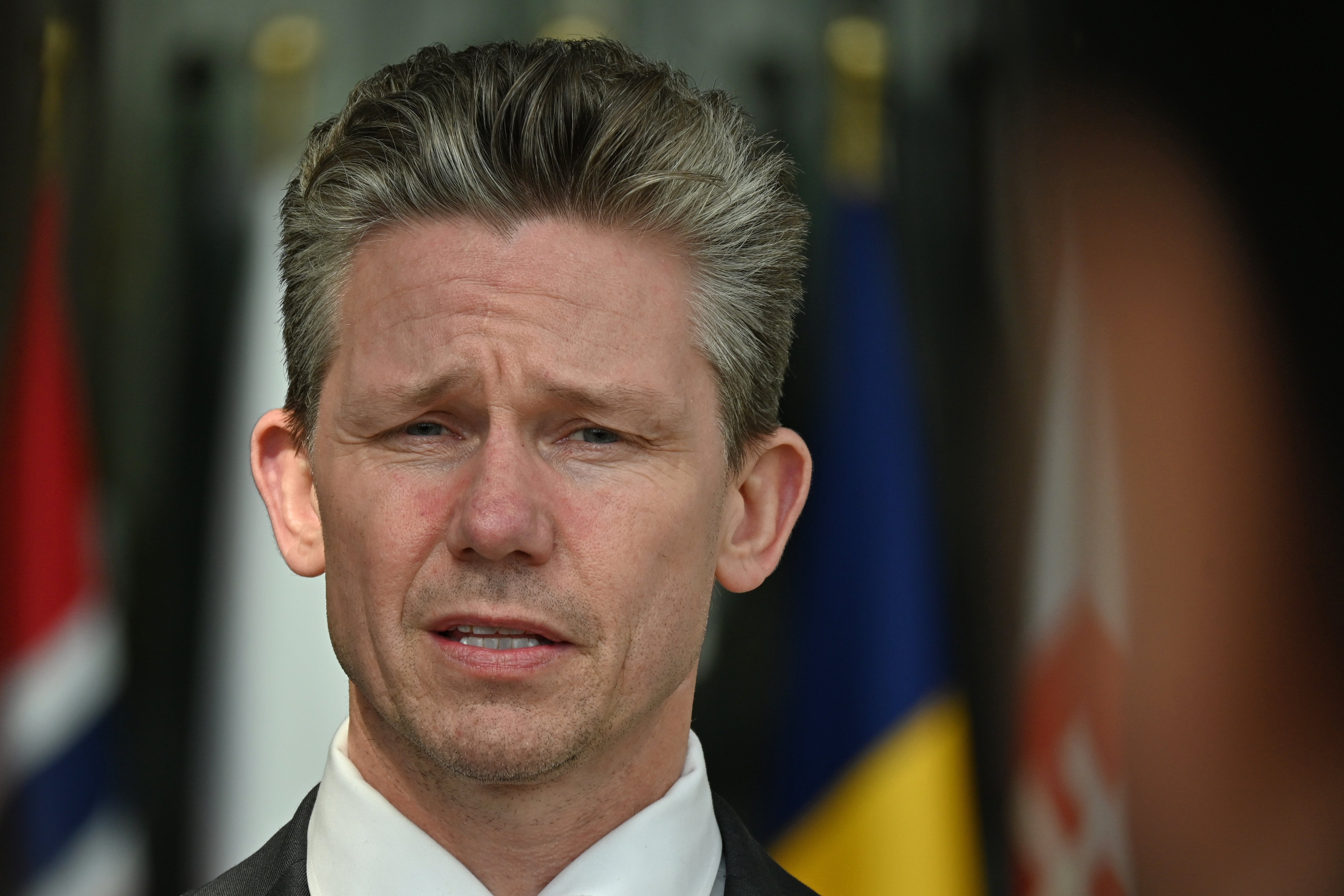
Europe has a narrow window to prepare for potential Russian aggression, Swedish Defense Minister Pål Jonson said. While Russia remains “bogged down” in Ukraine, NATO must urgently strengthen its northeastern flank, Jonson told The Telegraph on September 9.
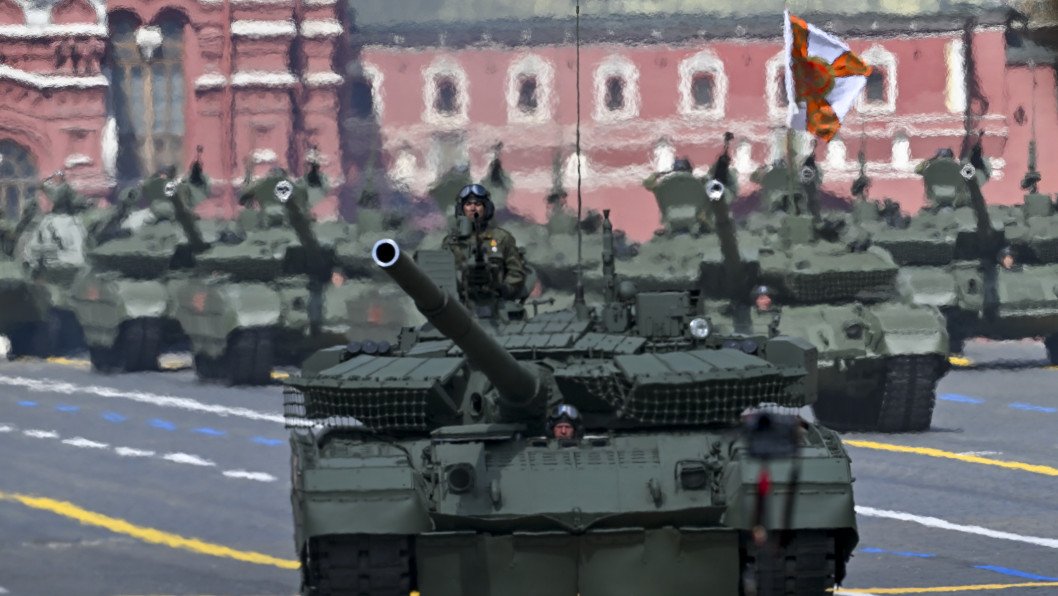
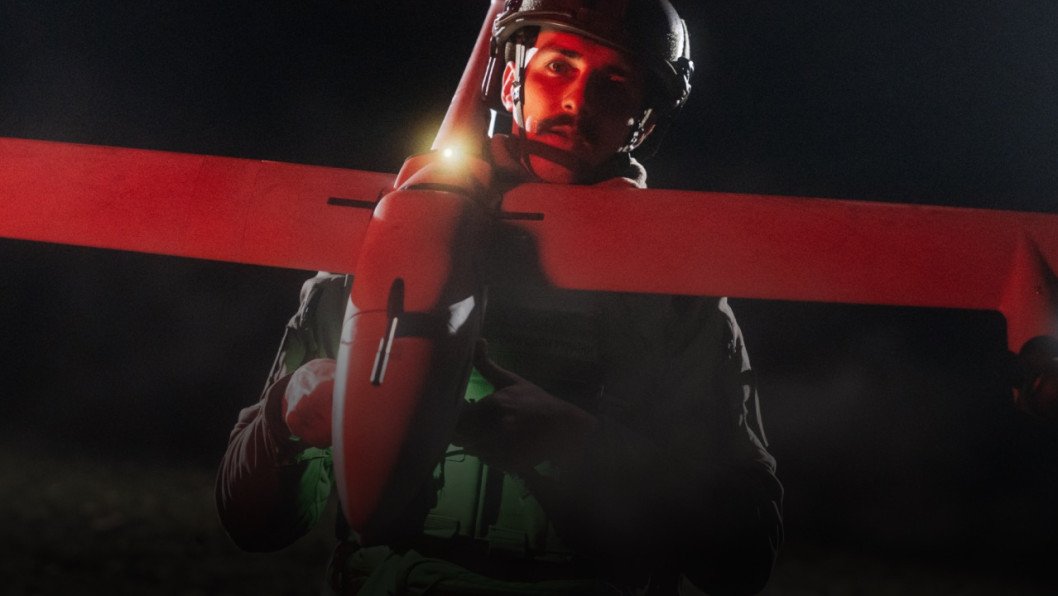
“The Russian military has learned much from its war in Ukraine, including the use of drones, and its economy is now geared for war,” he said.
“Battle-hardened forces and an armaments industry on wartime footing could allow Vladimir Putin to launch a limited invasion of the Nordic-Baltic region within two to five years,” Jonson added.
Given Putin’s willingness to take political and military risks, the threat could eventually extend across all of Europe, not just states bordering Russia, he continued.
Czech Security and Intelligence Service director Michal Koudelka echoed the warning, citing Russia’s attacks on Ukrainian civilians.
“We must be absolutely certain that the Russians would act the same way against us,” he told Politico.
He added that Ukrainian forces are buying Europe critical time to prepare for potential Russian aggression. Jonson had also stressed the importance of using this window to reinforce NATO’s northern defenses.
The Russian military continues to develop capabilities in electronic warfare, long-range strikes, and drone operations, while steadily increasing arms production. Russia has also expanded its military presence along the borders of Finland and the Baltic states, building new bases, repairing and laying railways, and militarizing Kaliningrad, Jonson said.
In response, NATO’s northeastern members launched the Baltic Sentry mission in January 2025 to patrol the Baltic Sea and protect critical infrastructure.
The operation helped Finnish authorities seize the Russian tanker Eagle S, whose crew allegedly severed an undersea cable in the Gulf of Finland and carried espionage equipment, The Moscow Times reported.
However, The Telegraph reports that funding shortages could force the mission to scale back, replacing patrol ships with maritime drones.
Maintaining the operation is vital, as it provides a clear deterrent to Russia and protects undersea infrastructure essential for Europe’s internet and power networks, Charlie Edwards, senior advisor at the International Institute for Strategic Studies, said.
Previously, Sweden had accused Russia of being behind a sharp rise in GPS disruptions over the Baltic Sea, warning that the interference poses a growing safety risk to commercial aviation.
Discuss this article:


-c439b7bd9030ecf9d5a4287dc361ba31.jpg "Photo of Katherina Popilnichenko")