- Category
- Latest news
Ex-Convict Soldiers Coming Home From Ukraine Spark Fears of Crime Wave in Russia
 Prefer U24 Media on Google
- Authors

-111f0e5095e02c02446ffed57bfb0ab1.jpeg "Photo of Roman Kohanets")
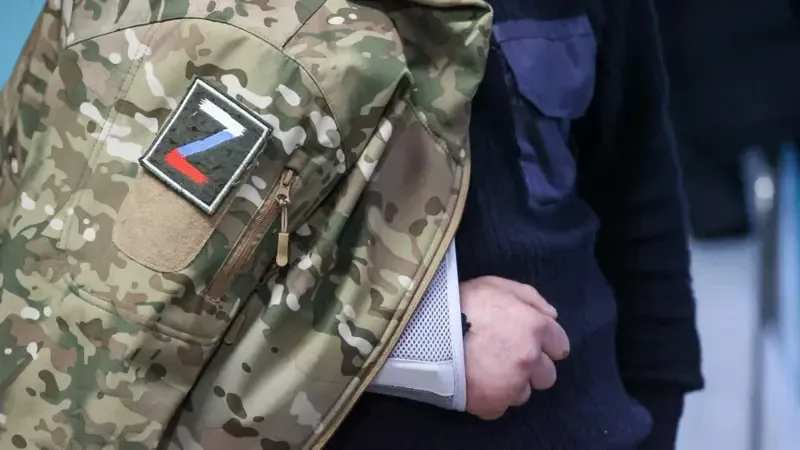
Russia is bracing for the return of hundreds of thousands of troops from Ukraine, many of whom have been fighting for several years. While some are expected to be welcomed as heroes, analysts warn that a significant number of returning fighters—especially those with criminal pasts—could pose serious risks to public security, Reuters reported on September 9.
A particular concern involves those recruited from prisons under “special military contracts.” Starting in 2022, Russia enlisted tens of thousands of convicts, offering them pardons and cash payments in exchange for front-line service.
Many of these individuals had been serving sentences for violent crimes, including murder and armed robbery. Their early release and combat experience now raise questions about the potential for a wave of organized crime and domestic violence.
The Russian leadership has not outlined a comprehensive reintegration plan. Experts highlight that the government is avoiding a politically sensitive discussion about how to absorb such a vast contingent into society. Alexander Baunov of the Carnegie Russia Eurasia Center told Reuters, “The return of such a huge mass of people from the front is a problem the authorities prefer not to think about.”
Independent Russian outlet Verstka earlier reported that several cases have already surfaced of pardoned fighters committing homicides and assaults after returning home. Based on open-source reporting of military-related crimes in Russian media and court documents, the organization estimated that no fewer than 242 people had been killed and 227 others seriously wounded.
In one high-profile incident, a former Wagner Group mercenary killed multiple people in a village in Kurgan region only months after leaving the front. Human rights advocates caution that such incidents could multiply as more ex-convicts are demobilized.
-3fa094f28f9297378f5a47cbe9df100b.jpg)
The situation recalls earlier post-war experiences in Russia. After the Soviet withdrawal from Afghanistan in 1989 and the Chechen wars of the 1990s and early 2000s, veterans often returned with untreated trauma, limited job prospects, and—in some cases—resorted to crime. This time, observers warn, the scale may be far greater, given that hundreds of thousands have been mobilized and a large portion were convicts.
Russian Defense Ministry has not disclosed the exact number of service members who will eventually return, but analysts believe Moscow will need to combine veteran benefits with security monitoring to mitigate risks.
Earlier, it was reported that Russian soldiers have been executed or beaten to death by their own comrades on the battlefield, as revealed by drone footage and Ukrainian military sources.
Discuss this article:
-6c7b568bf1f65853b7afd9dc1c3ca1fe.jpeg)