- Category
- Latest news
FBI Seeks Jam-Proof Fiber-Optic Drones After Ukraine War Innovation
 Prefer U24 Media on Google
- Authors


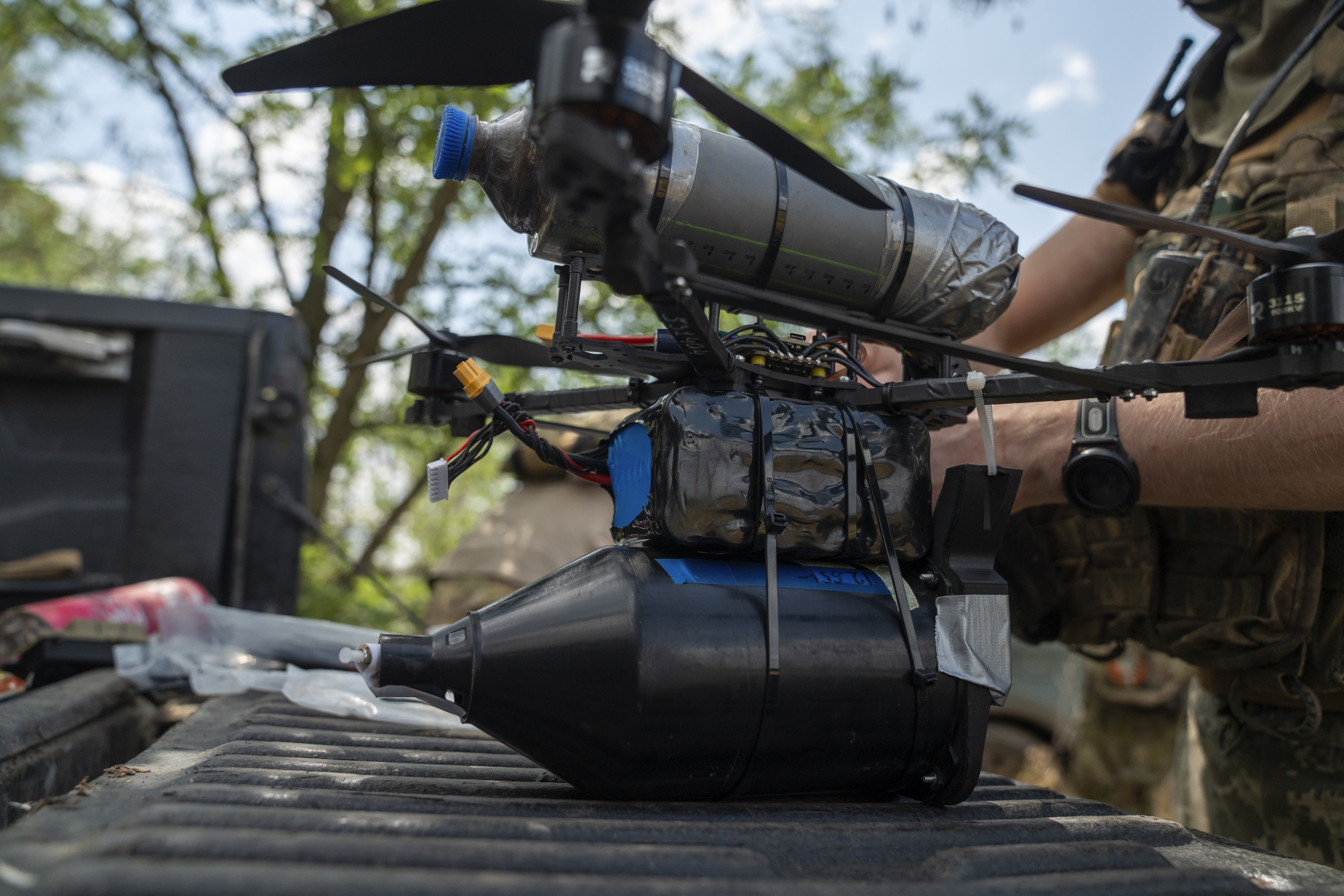
The FBI is exploring the use of fiber-optic-controlled drones—technologies that have become widely adopted in Ukraine’s war against Russia—for domestic law enforcement operations, according to The War Zone on November 21.
The Bureau has issued a formal request for information (RFI) from vendors capable of supplying both fiber-optic and radio-frequency-controlled unmanned aerial systems (UAS).
We bring you stories from the ground. Your support keeps our team in the field.
The agency emphasized its intent to expand drone capabilities for use in federal crime investigations and tactical operations, including missions in confined and signal-degraded environments.
According to The War Zone, fiber-optic drones—controlled through a physical cable rather than radio waves—have gained popularity among Ukrainian forces due to their immunity to electronic warfare. These systems maintain stable communication links even in urban terrain or subterranean areas where radio-controlled drones often lose signal.
Just 3 months ago, we tested fiber-optic drones for 20+ km. Now we're excited to share new trial results: successful flights over 40+ km! The recipe is simple: military feedback + unique dev solutions + Brave1 support & coordination. EW won't save the Russians. Check the video! pic.twitter.com/xfFMbG0VdS
— BRAVE1 (@BRAVE1ua) July 21, 2025
While offering reliable control, these drones come with trade-offs. Their tethered design limits mobility and poses risks of entanglement or severance during deployment. They also require space and power to carry large spools of cable, which can reduce overall payload capacity.
The FBI did not disclose how the drones would be used operationally but stated that UAS are already employed to “gather intelligence before and during operations” and to “enhance situational awareness,” especially during high-risk tactical deployments.
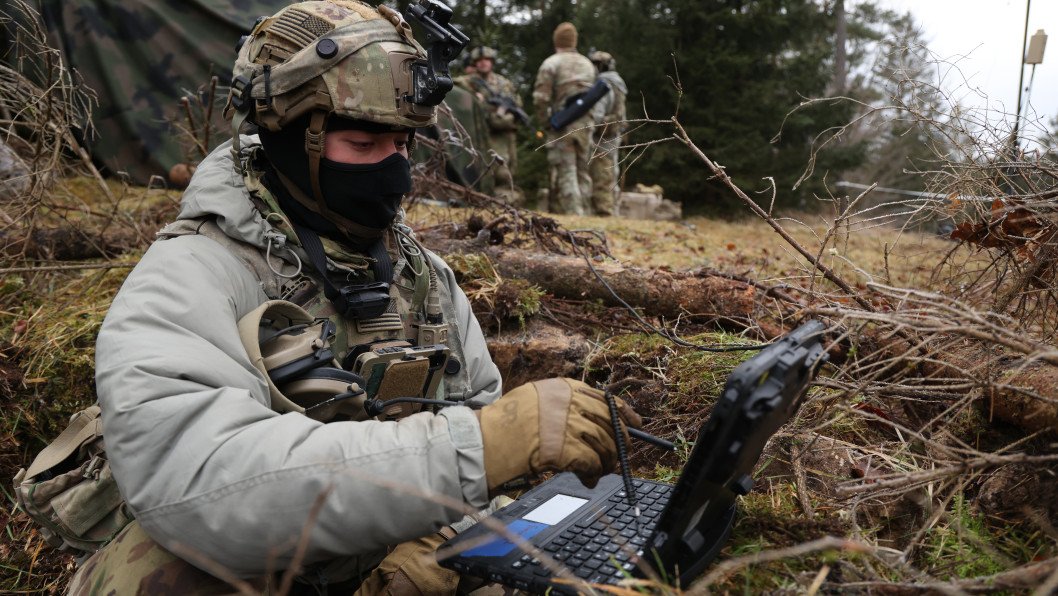
The Bureau’s RFI specifies a need for drones with at least 30 minutes of flight time, dust and water resistance, and backpack portability. Each system must include an integrated video display and cost no more than $12,000 per unit.
While no mention was made of lethal applications, The War Zone recalled that US law enforcement has previously used unmanned systems to deliver lethal force. In 2016, the Dallas Police Department deployed a robot to kill an armed suspect using an explosive device.
A Ukrainian fiber optic FPV operator maneuvers his drone with surgical precision, and with a spectacular result.https://t.co/PbmRHnU976 pic.twitter.com/B5DUuYagFu
— Roy🇨🇦 (@GrandpaRoy2) May 4, 2025
Still, The War Zone notes there is “no indication the drones being procured by the FBI would be used in a lethal capacity.” Instead, some systems may support testing, training, or development of counter-drone measures.
The FBI’s interest comes amid growing concerns about criminal groups using counter-UAS technology.
As reported by The War Zone, US Customs and Border Protection recently warned that the Cartel Del Norte has deployed systems capable of detecting and disrupting drone communications. Intelligence officers specializing in cartel activity also confirmed to the outlet that such technologies are increasingly being used against both rival cartels and US agents.
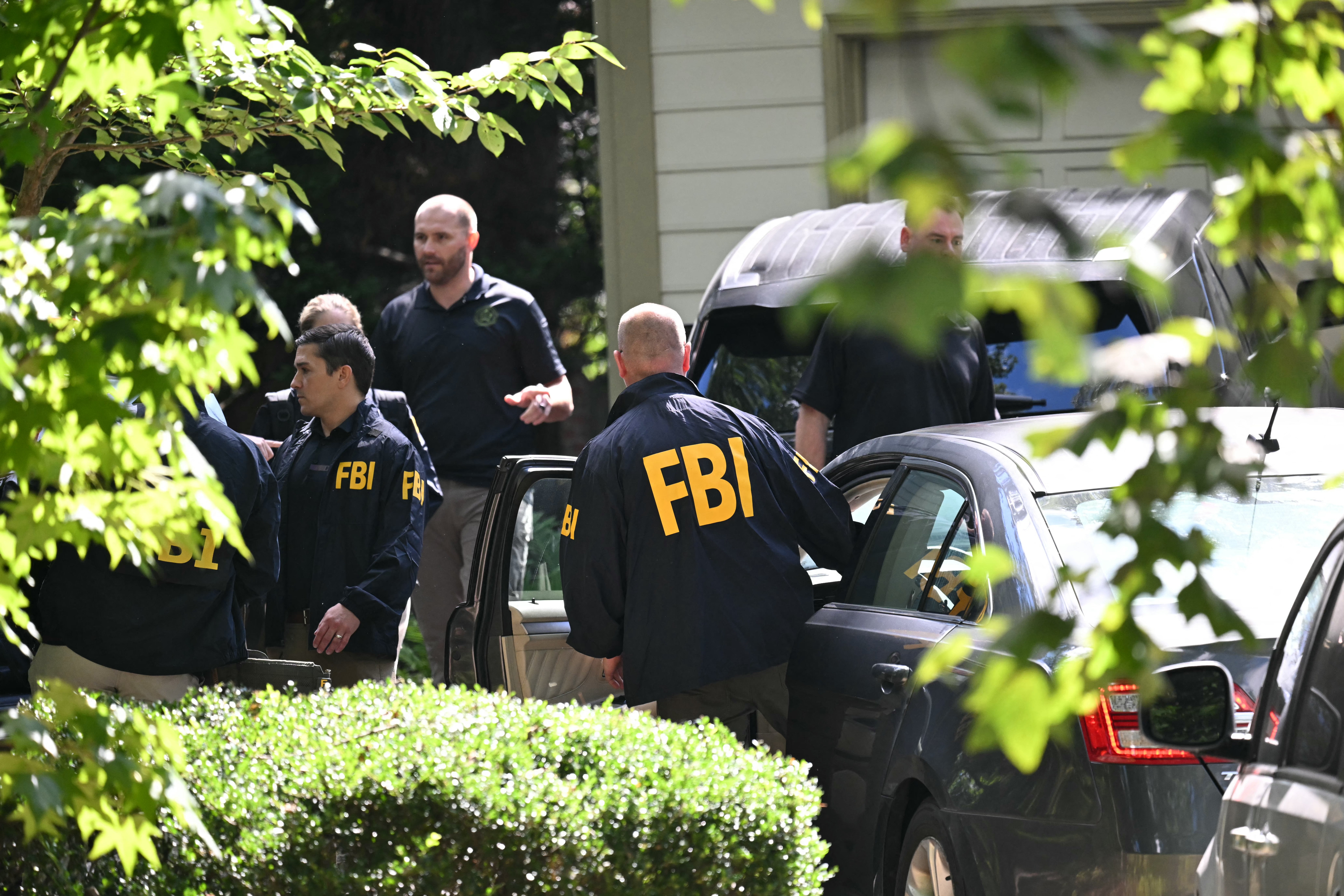
According to testimony cited by The War Zone, Jose Perez, Assistant Director of the FBI’s Criminal Investigative Division, told Congress in June that the Bureau is currently pursuing more than 6,000 cases involving transnational criminal organizations, including over 850 tied to cartel leadership.
Earlier, The Wall Street Journal reported that the Pentagon is turning to Ukraine’s drone makers after US startups failed to deliver reliable, affordable, and jam-resistant systems—prompting new joint testing and partnerships.
Discuss this article:
-4a56a6b482ec132402c16ef6fcabf9a2.png)