- Category
- Latest news
US-Ukraine Team Unveils 300 mph Interceptor Drone to Hunt Shaheds for NATO
 Prefer U24 Media on Google
- Authors


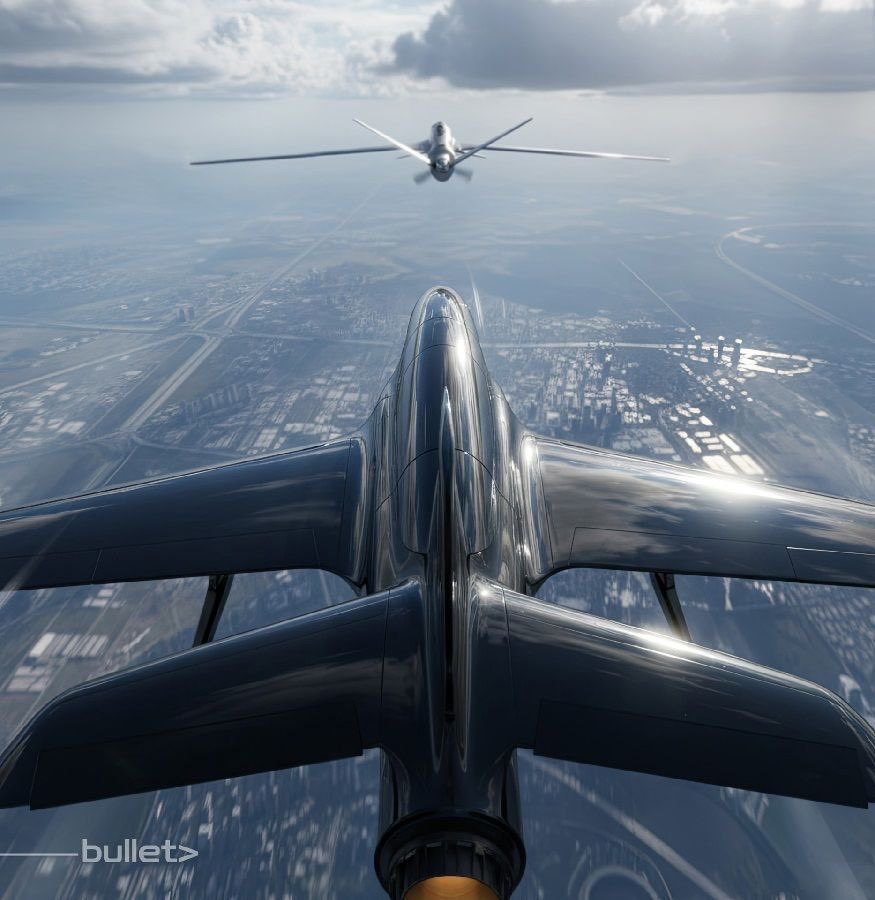
AIRO Group Holdings and Ukraine’s Bullet (Degree-Trans LLC) have signed a letter of intent to form a 50/50 joint venture to produce high-speed interceptor drones for US, NATO, and Ukrainian customers, the companies announced on October 16.
The deal aims to move combat-tested Ukrainian designs into Western production lines and deliver an industrialized, certifiable counter-UAS option to allied buyers.
A Ukrainian interceptor FPV drone, launched from a "mothership" taking down a Russian ISR drone.
— Jimmy Rushton (@JimmySecUK) February 3, 2025
It's incredible how FPV drone technology has matured so rapidly into a cheap and extremely effective air defence capability. pic.twitter.com/3EfI71Y3Wj
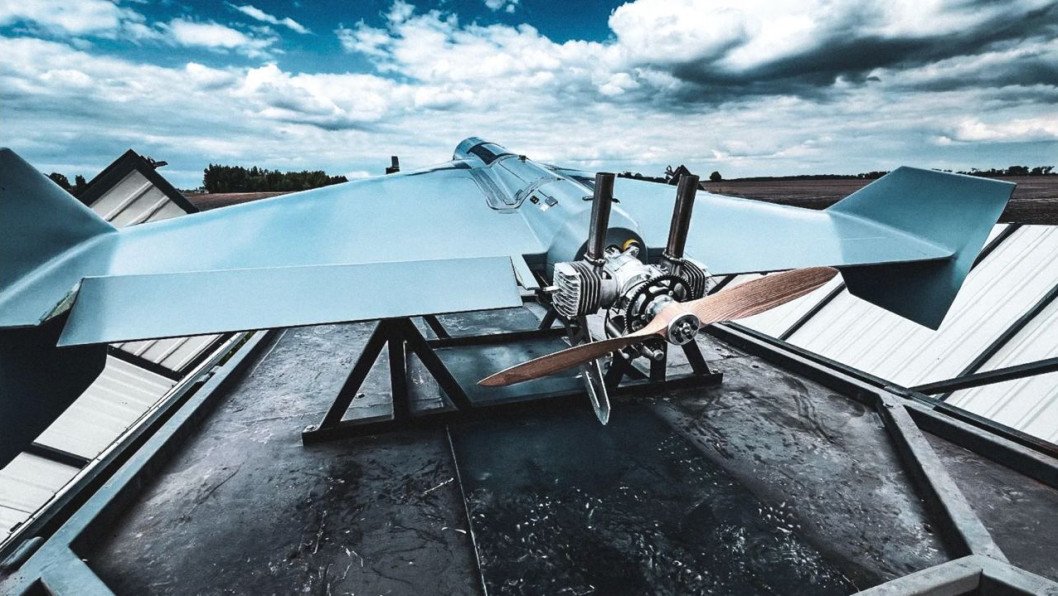
The platform being commercialized is a fixed-wing interceptor already used in Ukrainian operations. Published performance figures put top speed around 300 mph (≈450 km/h), an operational range near 200 km, and modular payload bays that accept 2.5–9 kg loads—parameters intended to intercept loitering munitions such as Shahed-type one-way attack drones as well as small reconnaissance UAVs.
The partners said they expect definitive agreements within roughly 60 days, with production capacity planned in both the United States and Ukraine.
“This partnership unites the innovation and front-line experience of Ukrainian engineers with AIRO’s manufacturing and program-management expertise,” said Dr. Chirinjeev Kathuria, Executive Chairman of AIRO Group.
“Together we will bring advanced aerial-defense capabilities to our allies while supporting Ukraine’s defense industry. Recent US government policy updates emphasizing investment in domestic drone manufacturing align perfectly with our joint venture objectives, positioning us to meet critical national security needs while strengthening America’s defense industrial base.”
“Joining forces with AIRO allows Bullet to expand our proven interceptor technology into new markets,” added Viacheslav Lvovych, Director of Bullet.
“Our shared objective is to deliver rapid, reliable air-defense solutions that strengthen Ukraine and the wider NATO alliance.”

“For those who serve on the front lines, every second matters,” said Joe Burns, CEO of AIRO Group. “By bringing combat-proven Ukrainian technology into US manufacturing, we’re not only building a faster, more agile interceptor platform—we’re giving our troops and allies the tools they need to respond decisively to aerial threats and protect lives.”
Technically, the concept occupies the niche between guns/jammers and expensive surface-to-air missiles: a fast, reusable (or low-cost expendable) interceptor that can be launched from rails or catapults, scramble in seconds, and close with inbound UAVs before they reach protected assets.
The platform’s modular architecture is designed so operators can swap seekers and warheads quickly—trading kinetic warheads for RF seekers or non-kinetic payloads as mission needs evolve.
Bullet—reportedly developed in cooperation with defense units and pushed toward serial production by the Ukrainian firm “General Chereshnya” (now part of NAUDI)—was designed specifically to counter Shahed-type drones and has been shown reaching speeds near 309 km/h in video released by its developers.
The manufacturer says day and night variants exist and that a guided variant under development would reduce operator reliance on manual skills.
The joint venture’s stated goals include certifying production in the United States (to ease export controls and access allied procurement channels), scaling manufacturing, accelerating R&D into additional interceptor and strike variants, and pursuing contracts with US and NATO procurement authorities.
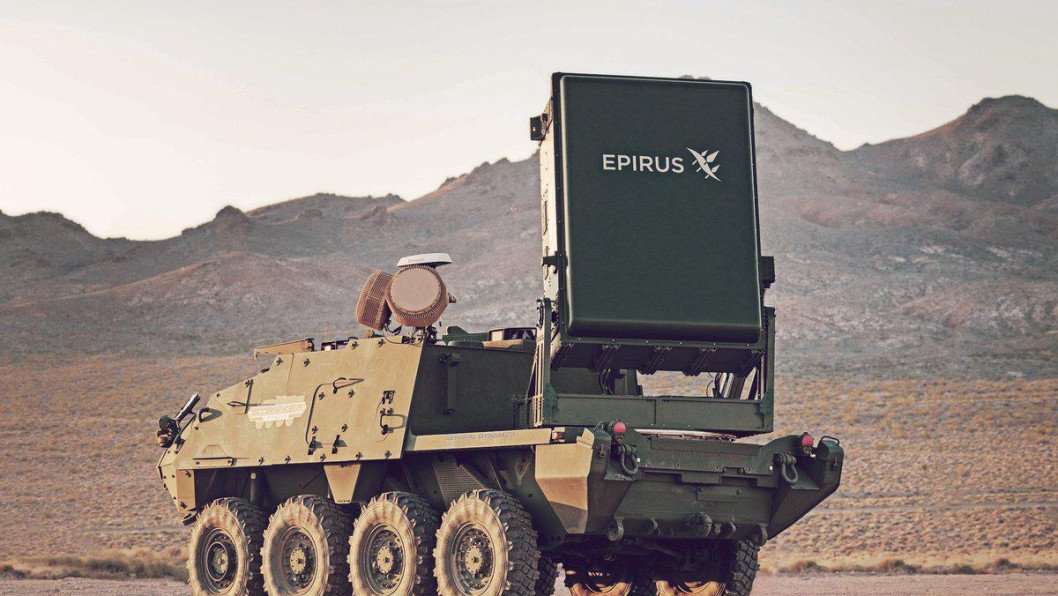
If the partners can clear qualification and integration milestones quickly, the program could deliver a ready-to-use layer for layered, cross-border NATO air defenses—complementing ground guns, jammers, and nascent directed-energy systems.
Challenges remain. Interceptors must be integrated into common air pictures and C2 chains without creating fratricide risks or frequency conflicts; logistics, maintenance, and sustainment must be worked into allied supply systems; and political and budgetary consensus will be required across NATO to field such systems at scale.
Earlier, Ukraine’s President Volodymyr Zelenskyy said drone interceptors achieved a 68% success rate in destroying Russian Shahed drones.
Discuss this article: